Quick Answer: Should You Buy a Micro Electric Car?
Micro electric cars—subcompact EVs under 13 feet long with 80–150 miles of EPA range—make financial sense in 2026 only if you have reliable Level 2 home or workplace charging, drive under 60 miles daily, and live in a mild-to-warm climate. Expect to pay $18,000–$32,000 before incentives, spend roughly $0.04–$0.06 per mile on electricity (versus $0.14–$0.18 on gas for a comparable subcompact), and face real limitations on highway trips and cold-weather range. They excel as second cars, urban commuters, and campus runabouts—but they are not a one-car solution for most households.
What Exactly Is a Micro Electric Car?
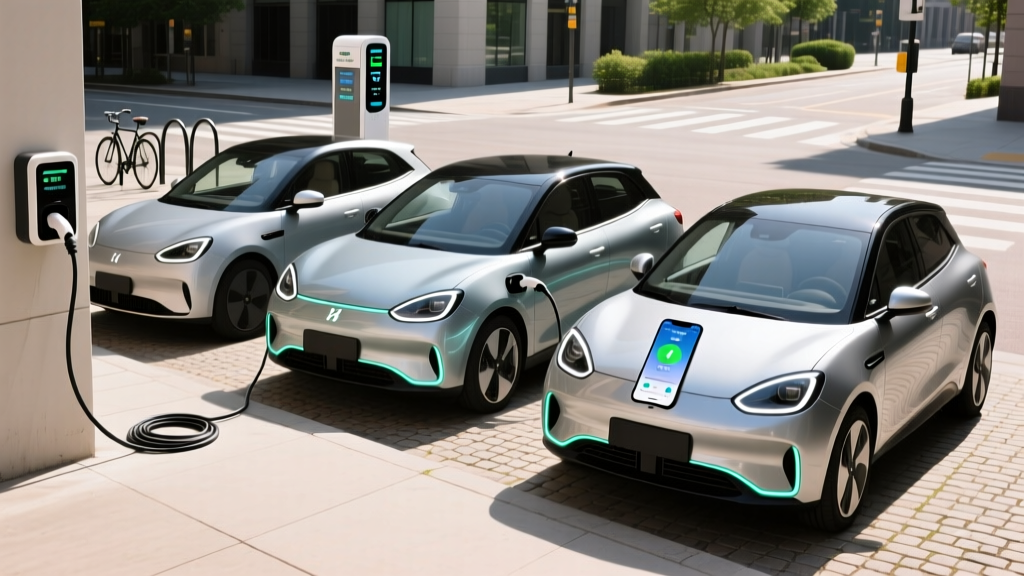
A micro electric car is a battery-electric vehicle (BEV) built on an ultra-compact platform, typically seating two to four passengers with minimal cargo space. In the US market, these fall into two categories:
- Neighborhood Electric Vehicles (NEVs): Low-speed vehicles (LSVs) limited to 25 mph, exempt from full crash-testing, legal only on roads posted 35 mph or below. Examples include the Wink Motors Wink+ and various Chinese imports.
- Full-speed subcompact EVs: Highway-capable vehicles meeting FMVSS standards. Current US-available examples include the 2026 Chevrolet Spark EV successor (announced), imported models like the Citroën Ami (limited US availability through specialty importers), and the used-market staple BMW i3.
Battery packs in this segment range from 8 kWh (NEVs) to roughly 40 kWh (full-speed micros), using predominantly LFP (lithium iron phosphate) chemistry for cost and longevity, though some older models used NMC.
Range, Charging & Real-World Performance
EPA range stickers tell only part of the story. Here's what to expect from current and near-term micro EVs available or announced for the US market:
| Model | Battery (kWh) | EPA Range (mi) | Real-World Range* | Max DC Charge (kW) | 10–80% Time | Level 2 Rate (kW) | 0–60 mph | Base MSRP |
|---|---|---|---|---|---|---|---|---|
| BMW i3 (2022, used) | 42.2 (NMC) | 153 | 120–135 mi | 50 kW | ~38 min | 7.4 kW | 6.9 sec | ~$22,000 (used) |
| Citroën Ami (import) | 5.5 (LFP) | N/A (NEV class) | 40–47 mi | N/A (L1 only) | ~3 hr (L1) | N/A | N/A (28 mph top) | ~$12,000 |
| Wink Motors Wink+ (NEV) | 10.0 (LFP) | N/A (LSV) | 40–50 mi | N/A | ~6 hr (L1) | N/A | N/A (25 mph top) | ~$11,000 |
| Microlino (announced US) | 14.5 (LFP) | Est. 95–110 | Est. 75–90 mi | TBA | TBA | TBA | ~10 sec (est.) | ~$19,000 (est.) |
*Real-world range note: Full-speed micro EVs like the BMW i3 lose 20–35% of EPA range in sustained highway driving (70+ mph) and an additional 25–40% in freezing temperatures (below 32°F). NEVs are unaffected by highway speeds since they can't reach them, but cold still reduces LFP range by roughly 20%. Always budget your daily commute against the worst-case figure, not the sticker.
Charging infrastructure is the make-or-break factor. Most micro EVs lack DC fast charging entirely (NEVs charge exclusively on 120V Level 1 at roughly 1–1.5 kW). The BMW i3's 50 kW CCS peak is modest by 2026 standards and tapers sharply above 80% state of charge. If you rely on public charging, expect session costs of $0.35–$0.55/kWh at networks like Electrify America, making the per-mile cost closer to $0.09–$0.13—narrowing the gap with gasoline.
Micro EV vs. Gas Subcompact vs. Hybrid: Cost Breakdown
Let's compare a micro EV against a typical gas subcompact (2026 Hyundai Venue, 31 MPG combined) and a compact hybrid (2026 Toyota Prius LE, 57 MPG combined) over 5 years and 60,000 miles, assuming home Level 2 charging at $0.14/kWh and gas at $3.40/gallon.
| Cost Category | Micro EV (e.g., used i3) | Gas Subcompact (Venue) | Hybrid (Prius LE) |
|---|---|---|---|
| Purchase Price (avg.) | $22,000 | $22,500 | $29,000 |
| Fuel / Energy | $2,400 (home L2) | $6,580 | $3,580 |
| Maintenance | $1,200 | $3,600 | $2,800 |
| Insurance (avg. annual × 5) | $7,500 | $6,000 | $6,500 |
| Federal Tax Credit (§30D) | $0 (used EV credit up to $4,000 if eligible) | $0 | $0 (HEV ineligible) |
| Total 5-Year Cost | ~$29,100 | ~$38,680 | ~$41,880 |
Key takeaways from this comparison:
- Energy savings are real but modest in absolute dollars. A micro EV's small battery means total kWh consumption is low. At 3.5 miles/kWh, 60,000 miles requires ~17,140 kWh—saving roughly $4,180 over gas, but only $1,180 over a Prius.
- Maintenance is where micro EVs shine. No oil changes, no spark plugs, minimal brake wear (regenerative braking handles most deceleration). Expect tire rotations and cabin filter replacements only.
- Insurance is often higher for EVs. Even small EVs carry a 15–25% insurance premium over gas equivalents due to specialized repair requirements and battery replacement costs. Get quotes before buying.
- The federal used-EV credit (§25E) can provide up to $4,000 or 30% of the sale price (whichever is less) for vehicles priced under $25,000, subject to income caps ($75,000 single / $150,000 joint). Verify current rules at IRS.gov.
Real-World Ownership: What First-Time Buyers Must Know
Micro EV ownership is unlike any other vehicle category. Before committing, honestly assess these factors:
Home Charging Access
If you can install a Level 2 charger (240V, 30–40A circuit), a micro EV is transformative—wake up to a full battery every morning at $0.04/mile. A basic Level 2 installation costs $800–$2,500 depending on panel capacity and run length. If you're in an apartment or lack dedicated parking, public-charging-only ownership is possible but adds time cost (30–45 minutes per DC session for a full-speed micro) and roughly triples your per-mile energy expense.
Climate Reality
Micro EVs with small batteries are disproportionately affected by cold weather. A 42 kWh pack that delivers 150 miles at 70°F may deliver only 95–110 miles at 20°F, as the battery must power cabin heating and cell warming. Models with heat pumps (rare in this segment) lose only 15–20% range. If you live north of the 37th parallel and don't have a garage, a micro EV's winter usability drops sharply.
Highway and Trip Limitations
NEVs are legally prohibited from roads posted above 35 mph. Full-speed micro EVs can handle highways, but their small batteries and limited DC charging (50 kW typical) make road trips impractical. A 150-mile trip at 70 mph in an i3 requires at least one 40-minute charge stop. For households with one car, this is a dealbreaker; as a second car, it's manageable.
Charging Curve Awareness
Even when DC fast charging is available, peak kW rates are sustained only between roughly 10–50% state of charge. Above 80%, charging slows dramatically to protect the battery. A "50 kW" charger may deliver only 15–20 kW in the 80–100% range. Plan your charging sessions around the 10–80% window for efficiency.
Common Misconceptions About Micro Electric Cars
| Myth | Fact |
|---|---|
| "They're just glorified golf carts." | NEVs share LSV classification with golf carts, but full-speed micro EVs (i3, upcoming Microlino) meet full FMVSS crash standards, have airbags, ABS, and stability control. They are real cars, just small ones. |
| "I'll save a fortune on fuel." | Compared to a 57 MPG Prius, the per-mile energy savings are roughly $0.02/mile. Over 12,000 miles/year, that's $240 annually. The real savings come from maintenance elimination, not fuel. |
| "I can charge anywhere." | NEVs and some micros use proprietary or L1-only charging. Even CCS-equipped micros charge slowly (50 kW). You cannot rely on 350 kW Electrify America stalls for quick top-ups—the car, not the station, limits the rate. |
| "The battery will die in 5 years." | LFP batteries in micro EVs are rated for 2,000–3,000+ full cycles before reaching 80% capacity. At 100 miles/range and one full cycle daily, that's 5.5–8+ years before meaningful degradation. NMC packs (older i3) degrade faster but still typically retain 85–90% after 5 years. Check the manufacturer's battery warranty—typically 8 years / 100,000 miles for capacity above 70%. |
| "They qualify for the $7,500 tax credit." | Most new micro EVs fall below the MSRP cap but may fail battery-sourcing requirements under §30D. Used micros qualify for the separate §25E credit (up to $4,000). Always verify eligibility at fueleconomy.gov before purchasing. |
Decision Framework: Is a Micro EV Right for You?
Buy a micro electric car if:
- You have Level 2 charging at home or work (dedicated 240V outlet)
- Your daily round-trip commute is under 50 miles
- This is a second or third vehicle in the household
- You live in a mild climate (rare sub-freezing winters) or have garage parking
- Your local roads are posted 35 mph or below (for NEVs) or you need only short highway segments (for full-speed micros)
- You want near-zero maintenance and can accept higher insurance premiums
Choose a compact EV (Chevy Bolt, Nissan Leaf), hybrid, or PHEV instead if:
- This is your only vehicle
- You drive more than 60 miles daily or take regular road trips over 100 miles
- You lack home charging access and public DC infrastructure is sparse in your area
- You live in a cold climate and need reliable winter range
- You regularly carry more than two passengers or significant cargo
- You need towing capability (micro EVs are rated for 0 lbs towing)
Frequently Asked Questions
Are micro electric cars street-legal in the US?
It depends on the classification. NEVs (Neighborhood Electric Vehicles) are federally legal under FMVSS 500 as Low-Speed Vehicles and can operate on roads posted 35 mph or below—though states and municipalities may impose additional restrictions. Full-speed micro EVs like the BMW i3 meet all standard FMVSS requirements and are legal everywhere. Always check your state DMV's LSV regulations before purchasing an NEV.
How much does it cost to charge a micro EV at home?
At the US average residential electricity rate of ~$0.16/kWh (per EIA data), fully charging a 42 kWh battery (BMW i3) costs about $6.72 and provides roughly 130 real-world miles. A 10 kWh NEV battery costs about $1.60 for 40 miles. Over a year of 12,000 miles, expect $550–$750 in home electricity costs for a full-speed micro EV.
Can I take a micro EV on a road trip?
Full-speed models can handle highway speeds, but the experience is limited by range and charging speed. A BMW i3 with 153 miles EPA range will realistically deliver 110–125 miles at 70 mph before needing a charge, and its 50 kW DC charging adds roughly 80 miles in 30 minutes. For trips over 150 miles, plan multiple stops and significant time overhead. NEVs cannot legally or physically handle highway travel.
What happens when the battery degrades?
Most manufacturers warrant the traction battery for 8 years or 100,000 miles against capacity loss below 70%. Out-of-warranty replacement for a micro EV battery typically costs $5,000–$10,000 depending on chemistry and pack size—often 30–50% of the vehicle's value. This is a key reason depreciation on older micro EVs is steep. Consider purchasing models still under battery warranty or factor replacement into your long-term cost analysis.
Do micro EVs qualify for any tax incentives?
New micro EVs may qualify for the federal §30D Clean Vehicle Credit (up to $7,500), but eligibility depends on MSRP caps ($55,000 for cars), buyer income limits, and battery component/mineral sourcing requirements that few micro EVs currently meet. Used micro EVs priced under $25,000 may qualify for the §25E Used Clean Vehicle Credit (up to $4,000 or 30% of sale price). Some states and utilities offer additional rebates. Always confirm current eligibility on the IRS EV credits page and consult a tax professional.