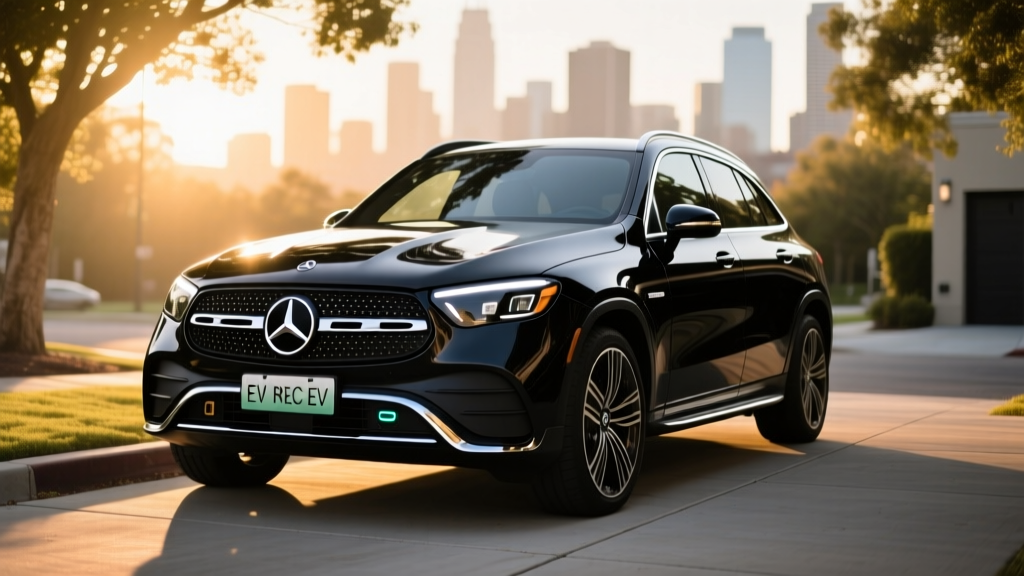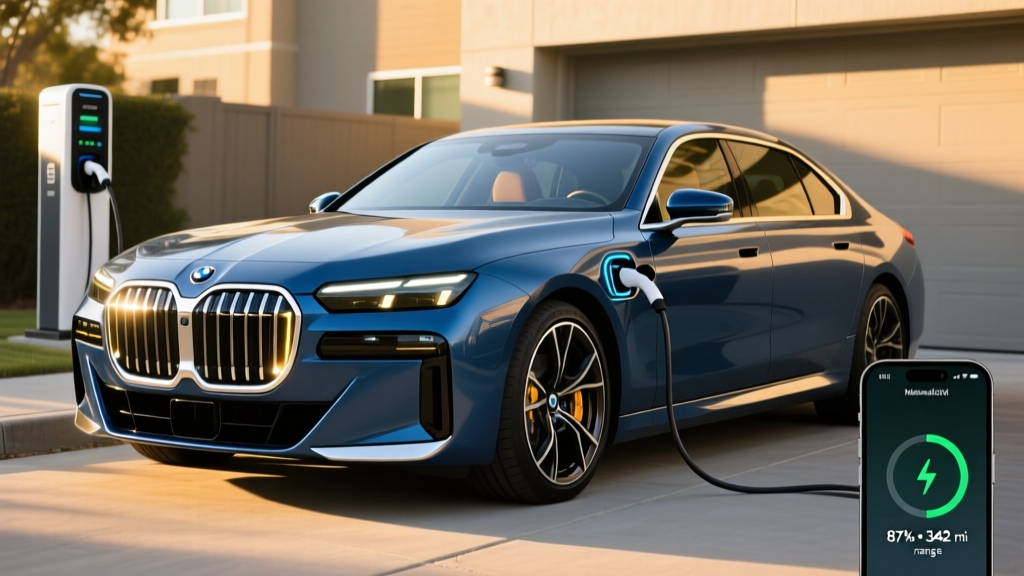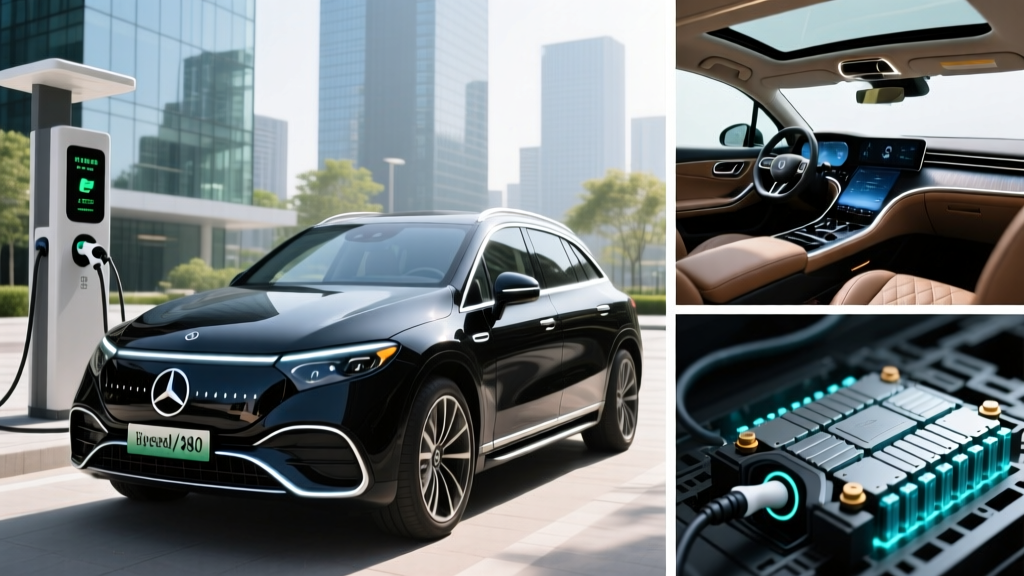
The Mercedes-Benz EQS 680 SUV sits at the apex of the brand's electric lineup — a three-row luxury flagship that pairs a 108.4 kWh battery with a dual-motor all-wheel-drive powertrain producing 649 horsepower. For 2026, the EQS 680 SUV carries a starting MSRP of $127,350 (including destination), positioning it squarely against the BMW iX M60, Rivian R1T/R1S tri-motor, and the Tesla Model X Plaid. But does the real-world range, charging speed, and ownership experience justify the six-figure price? Here's the data-driven breakdown.
Quick Verdict: Who the EQS 680 SUV Is For
The EQS 680 SUV is engineered for buyers who want S-Class refinement in an electric three-row package. It excels as a luxury family hauler and long-distance cruiser, with a plush cabin, exceptional ride isolation, and strong highway range. It's less suited to buyers prioritizing maximum cargo utility, rapid DC charging, or federal tax credit savings — the EQS 680's MSRP exceeds the IRS §30D cap, making it ineligible for the federal credit regardless of buyer income.
Choose the EQS 680 SUV if: You want a three-row luxury EV with S-Class ride quality, 300+ miles of range, and a hyperscreen-dominant interior — and the $127K+ entry price is within budget.
Look elsewhere if: You need federal tax credit eligibility (consider the EQE SUV or Genesis Electrified GV70), prioritize third-row adult comfort, or want sub-20-minute DC fast charging.
Range, Efficiency & Real-World Expectations
The 2026 EQS 680 SUV carries an EPA-estimated range of 305 miles on its 108.4 kWh usable battery (118 kWh gross, NMC lithium-ion chemistry). Efficiency is rated at 83 MPGe combined, or approximately 41 kWh per 100 miles, according to fueleconomy.gov.
EPA Estimate: 305 miles
Real-World Expectation: Plan for approximately 250–275 miles on sustained highway driving at 70–80 mph, where aerodynamic drag significantly impacts this large SUV. In cold weather (below 32°F), expect a further 15–25% reduction, bringing effective range to roughly 200–235 miles in winter highway conditions. City driving with regenerative braking can match or slightly exceed the EPA sticker.
The EQS 680's 0.20 drag coefficient is among the lowest of any production SUV, which helps highway efficiency — but the vehicle's 6,000+ pound curb weight works against it in stop-and-go and hilly terrain. The standard heat pump helps mitigate cold-weather cabin energy draw, preserving more battery for propulsion compared to resistance-heater-equipped competitors.
Charging Speed: DC Fast, Level 2 & Home Setup
Charging capability is a mixed story for the EQS 680. The DC fast-charging peak of 200 kW is respectable but trails the 250–350 kW peaks offered by Hyundai/Kia's E-GMP platform and the Porsche Taycan's 800-volt architecture.
| Charging Level | Power / Rate | Speed (Miles Added) | Notes |
|---|---|---|---|
| Level 1 (120V household) | ~1.4 kW | ~3–4 miles/hour | Emergency/trickle only; full charge in ~80+ hours |
| Level 2 (240V home/public) | 9.6 kW (48A) | ~25–28 miles/hour | Full 0–100% in ~11–12 hours; ideal overnight |
| DC Fast Charge (CCS) | Peak 200 kW | ~180 miles in 15 min (claimed) | 10–80% in approximately 31 minutes; tapers above 80% |
The 10–80% DC fast-charge time of roughly 31 minutes is competitive for long road trips but not class-leading. The charge curve holds near peak kW from approximately 10–40% state of charge, then progressively tapers — by 70% SoC, you'll see roughly 100–120 kW, and above 80% the rate drops sharply to protect the NMC cells. For daily use, Mercedes recommends setting the charge limit to 80% to maximize long-term battery health; the 108.4 kWh usable capacity means 80% still delivers roughly 244 miles of real-world range.
The EQS 680 uses the CCS1 connector standard. With Mercedes-Benz's ongoing NACS adapter rollout, owners can access Tesla Supercharger stations using the included or optional adapter, significantly expanding the fast-charging network available for road trips.
Performance & Drivetrain
| Specification | 2026 EQS 680 SUV |
|---|---|
| Powertrain | Dual-motor AWD (4MATIC) |
| Horsepower | 649 HP (with boost) |
| Torque | 700 lb-ft |
| 0–60 mph | 4.4 seconds |
| Top Speed | 130 mph (electronically limited) |
| Battery (Usable / Gross) | 108.4 kWh / 118 kWh, NMC |
| EPA Range | 305 miles |
| Efficiency | 83 MPGe / 41 kWh/100mi |
| Curb Weight | ~6,100 lbs |
| Towing Capacity | 3,500 lbs (braked) |
The 649 HP figure is available with the standard Energy Boost function activated via the paddle shifters. Without it, output drops to approximately 536 HP. The 4.4-second 0–60 time is quick for a three-row luxury SUV, though the Tesla Model X Plaid (2.5 seconds) and Rivian R1S Quad-Motor (3.0 seconds) are considerably faster. Where the EQS 680 shines is in effortless, silent highway passing power and a ride quality that isolates occupants from road imperfections through standard AIRMATIC air suspension with adaptive damping.
Interior, Cargo & Technology
The cabin is dominated by the available MBUX Hyperscreen — a 56-inch curved glass panel spanning the full dashboard width, integrating a 17.7-inch central OLED display, a 12.3-inch passenger screen, and a 12.3-inch driver cluster. The system runs Mercedes' latest MBUX generation with over-the-air update capability, wireless Apple CarPlay/Android Auto, and a fingerprint-authenticated user profile system.
Second-row passengers enjoy 41.5 inches of legroom with generous recline, while the third row offers approximately 28.5 inches of legroom — adequate for children or short trips but tight for adults on longer journeys. Cargo volume breaks down as follows:
- Behind third row: 14.4 cu ft
- Behind second row (third row folded): 42.0 cu ft
- Behind first row (all rear rows folded): 74.0 cu ft
There is no front trunk (frunk) — the space under the hood is occupied by power electronics and HVAC components. The 74 cu ft maximum cargo figure trails the Rivian R1S (~105 cu ft) and the Tesla Model X (~88 cu ft), which is worth noting if cargo versatility is a priority.
Driver assistance is handled by Mercedes' Driver Assistance Package, which includes adaptive cruise control with stop-and-go, active lane-keeping, lane-change assist, and route-based speed adaptation. This is an SAE Level 2 system — the driver must remain attentive and keep hands on or near the wheel at all times. The available DRIVE PILOT system, where approved, offers conditional Level 3 automated driving at speeds up to 40 mph in heavy traffic on suitable highways, but availability remains limited to specific mapped routes in select states.
Driver Assist Limitation: MBUX Driver Assistance and DRIVE PILOT are not self-driving systems. The driver is legally responsible for the vehicle at all times with Level 2 features. Even Level 3 DRIVE PILOT requires the driver to be prepared to resume control when prompted. Do not treat these systems as a substitute for attentive driving.
Pricing, Trims & Tax Credit Eligibility
| Trim | 2026 MSRP (incl. destination) | Federal §30D Credit | Effective Price |
|---|---|---|---|
| EQS 680 SUV (base) | $127,350 | $0 (exceeds MSRP cap) | $127,350 |
| EQS 680 SUV w/ Pinnacle Trim | ~$135,000–$145,000 | $0 | ~$135,000–$145,000 |
| EQS 680 SUV w/ AMG Line + packages | ~$140,000–$155,000+ | $0 | ~$140,000–$155,000+ |
Under current IRS §30D rules, the federal clean vehicle credit has an MSRP cap of $80,000 for SUVs. The EQS 680 SUV's base price of $127,350 far exceeds this threshold, making it ineligible for the $7,500 federal tax credit regardless of the buyer's income, battery sourcing, or point-of-sale election. This is a firm exclusion — no trim or option configuration can bring the EQS 680 under the cap.
Buyers should also check state and local incentive programs, which may offer rebates or reduced registration fees for EVs regardless of MSRP, though these vary significantly by jurisdiction. Consult your state's energy or environmental agency for current programs.
Battery Warranty, Longevity & Ownership Costs
Mercedes-Benz covers the EQS 680's high-voltage battery with a warranty of 10 years or 155,000 miles (whichever comes first), guaranteeing a minimum of 70% state of health (capacity retention) over that period. The broader vehicle limited warranty is 4 years / 50,000 miles, with 4 years of roadside assistance included.
The 10-year / 155,000-mile battery warranty is among the most generous in the luxury EV segment, exceeding the 8-year / 100,000-mile federal minimum standard. NMC chemistry in the EQS is managed by an advanced liquid thermal management system that keeps cells within optimal temperature ranges during charging and driving, which historically correlates with slower degradation curves.
For ownership cost context, a full battery replacement outside of warranty would be substantial — industry estimates for batteries of this capacity range from $25,000 to $40,000+ depending on labor and parts sourcing. However, real-world degradation data for Mercedes' modular EVA platform suggests most owners will retain 85–90% capacity at the 100,000-mile mark when following recommended charging practices (80% daily limit, preconditioning before DC fast charging).
Pros, Cons & Competitive Positioning
Pros
- 305-mile EPA range is strong for a three-row luxury EV
- Exceptional ride quality with AIRMATIC air suspension
- MBUX Hyperscreen is visually stunning and feature-rich
- 10-year / 155,000-mile battery warranty exceeds industry standard
- Whisper-quiet cabin with excellent NVH isolation
- Heat pump standard for better cold-weather efficiency
Cons
- Ineligible for federal §30D tax credit (MSRP exceeds $80K cap)
- DC fast charging peaks at 200 kW — not class-leading
- Third row is tight for adults on long trips
- No front trunk (frunk) reduces total cargo versatility
- Heavy curb weight impacts real-world efficiency vs. EPA sticker
- Hyperscreen can be distracting; learning curve for new users
Against the BMW iX M60 (~$111,500, 324-mile range, 610 HP), the EQS 680 offers a third row and more range, though the iX charges faster and costs less. The Tesla Model X (~$80,000–$100,000) offers more cargo space, faster charging (250 kW), and Supercharger access natively, but cannot match the Mercedes' cabin refinement or ride comfort. The Rivian R1S (~$80,000–$100,000) wins on off-road capability, cargo space, and available tax credit eligibility but trades luxury polish for adventure-oriented design.
Frequently Asked Questions
What is the real-world range of the EQS 680 SUV?
The EPA rates the EQS 680 SUV at 305 miles. In real-world highway driving at 70–80 mph, expect approximately 250–275 miles. Cold weather (below freezing) can reduce this further to 200–235 miles. City driving with regenerative braking may match or slightly exceed the EPA figure.
How fast does the EQS 680 charge at home and on the road?
At home on a 240V Level 2 charger (9.6 kW), the EQS 680 adds approximately 25–28 miles of range per hour, reaching a full charge overnight in 11–12 hours. On DC fast chargers, it peaks at 200 kW and charges from 10–80% in roughly 31 minutes, with the rate tapering significantly above 80% SoC.
Does the EQS 680 SUV qualify for the federal EV tax credit?
No. Under current IRS §30D rules, the federal clean vehicle credit has an $80,000 MSRP cap for SUVs. The EQS 680 SUV starts at $127,350, making it ineligible regardless of buyer income or battery sourcing. Check your state's incentive programs for possible local rebates.
Is the EQS 680 SUV worth buying over competitors?
If your priorities are S-Class luxury, three-row seating, 300+ mile range, and a class-leading battery warranty, the EQS 680 is a compelling choice. If you value faster DC charging, more cargo space, a usable third row for adults, or federal tax credit eligibility, competitors like the BMW iX, Tesla Model X, or Rivian R1S may be better fits.
What battery chemistry does the EQS 680 use?
The EQS 680 SUV uses NMC (nickel manganese cobalt) lithium-ion chemistry in its 108.4 kWh usable (118 kWh gross) battery pack. NMC offers higher energy density than LFP, which helps achieve the 305-mile range in this large vehicle, though it requires more careful charge-limit management (80% daily recommendation) for long-term health.
How much cargo space does the EQS 680 SUV offer?
Cargo volume is 14.4 cu ft behind the third row, 42.0 cu ft behind the second row, and 74.0 cu ft with all rear seats folded. There is no front trunk. These figures are competitive with midsize luxury SUVs but trail the Rivian R1S and Tesla Model X.