The Bottom Line on Mercedes-Benz AMG Electric Cars in 2026
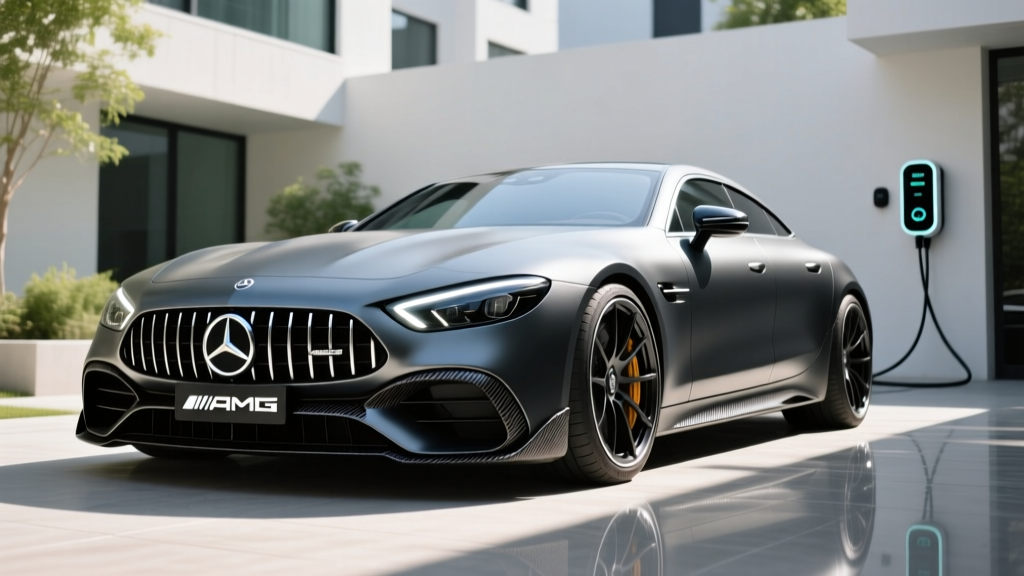
If you're researching a Mercedes-Benz AMG electric car, the current lineup centers on two performance sedans: the Mercedes-AMG EQE (starting around $106,900 MSRP) and the flagship Mercedes-AMG EQS (starting around $149,050 MSRP). Both deliver supercar-rivaling acceleration (0-60 in 3.2–3.3 seconds), EPA ranges between 230 and 305 miles, and 200 kW DC fast charging (10–80% in roughly 31 minutes). However, neither qualifies for the federal §30D tax credit due to MSRP caps and battery sourcing rules. These are premium performance EVs that compete with the Porsche Taycan Turbo, Tesla Model S Plaid, and BMW i7 M70 — not budget commuters. Plan on $1,800–$2,400/year in insurance, $400–$600/year in electricity (home charging), and no routine oil or transmission maintenance.
Which Mercedes-Benz AMG Electric Cars Are Available in 2026?
Mercedes-AMG's fully electric lineup for the 2026 model year includes two primary models, both built on the EVA2 platform with dual-motor all-wheel drive (4MATIC+):
| Spec | 2026 Mercedes-AMG EQE 4MATIC+ | 2026 Mercedes-AMG EQS 4MATIC+ |
|---|---|---|
| Base MSRP | $106,900 | $149,050 |
| Battery (usable) | 90.6 kWh (NMC) | 107.8 kWh (NMC) |
| EPA Range | 230 mi | 305 mi (with AMG Line package) |
| Real-World Highway Range | ~195–210 mi | ~255–275 mi |
| Horsepower | 617 hp (677 hp w/ RACE START) | 649 hp (751 hp w/ RACE START) |
| 0–60 mph | 3.2 sec | 3.3 sec |
| Max DC Fast Charge | 170 kW | 200 kW |
| 10–80% DC Charge Time | ~32 min | ~31 min |
| Level 2 Charge Rate | 9.6 kW | 9.6 kW |
| MPGe (combined) | 74 MPGe | 79 MPGe |
| Battery Warranty | 10 yr / 155,000 mi | 10 yr / 155,000 mi |
Sources: fueleconomy.gov, Mercedes-Benz USA. Real-world highway estimates based on observed 15–20% reduction from EPA combined figures at sustained 70+ mph speeds.
Real-World Range Reality Check
The EPA combined range figure blends city and highway driving. In practice, AMG-tuned EVs with wide performance tires and aggressive acceleration profiles lose range faster than mainstream EVs on the highway. Expect the EQE AMG to deliver ~195–210 miles on a highway road trip at 75 mph, dropping to ~165–180 miles in freezing temperatures (below 32°F). The EQS AMG, with its larger 107.8 kWh battery, fares better at ~255–275 highway miles, but both fall well short of their EPA stickers in sustained cold or high-speed conditions. Preconditioning the battery while plugged in mitigates some cold-weather loss and is essential for achieving peak DC charge rates.
Mercedes-AMG EV vs Gas AMG: Cost and Performance Comparison
Buyers cross-shopping a Mercedes-Benz AMG electric car often compare it against the gas-powered AMG E63 S or AMG S63. Here's how the numbers stack up over a 5-year ownership horizon:
| Metric | 2026 AMG EQE (Electric) | 2026 AMG E63 S (Gas) |
|---|---|---|
| Base MSRP | $106,900 | $120,300 |
| 0–60 mph | 3.2 sec | 3.3 sec |
| Horsepower | 617–677 hp | 603 hp |
| Annual Fuel/Energy Cost | $500–$700 (home charging) | $3,800–$4,500 (premium 93 octane) |
| Annual Maintenance | $300–$500 (tires, cabin filter, fluid top-offs) | $1,200–$1,800 (oil, brakes, belts) |
| 5-Year Fuel/Energy Total | $2,500–$3,500 | $19,000–$22,500 |
| 5-Year Maintenance Total | $1,500–$2,500 | $6,000–$9,000 |
| Federal Tax Credit (§30D) | $0 (MSRP cap + sourcing) | N/A |
| Estimated 5-Year Insurance | $9,000–$12,000 | $8,500–$11,000 |
Assumptions: 12,000 miles/year, electricity at $0.16/kWh national average, premium gasoline at $4.80/gallon, AMG E63 S averaging 18 MPG combined. Insurance estimates based on luxury performance sedan averages — individual quotes vary significantly by state, age, and driving record.
The electric AMG wins decisively on running costs. Over five years, you'll save roughly $18,000–$25,000 in fuel and maintenance combined. However, the EQE's higher insurance premiums and steeper depreciation (luxury EVs currently lose 45–55% of value in the first three years, compared to 35–45% for gas AMG sedans) narrow the gap. Total cost of ownership advantages depend heavily on how long you hold the vehicle and your local electricity rates.
Charging a Mercedes-AMG EV: Home Setup and Public Networks
Owning a Mercedes-Benz AMG electric car requires a realistic charging plan. Here's what you need to know about each charging level:
| Level | Power | Miles Added Per Hour | Use Case |
|---|---|---|---|
| Level 1 (120V) | 1.4 kW | ~4 mi/hr | Emergency/overnight top-off only |
| Level 2 (240V, 40A) | 9.6 kW | ~28 mi/hr | Daily home charging (full charge in ~10 hrs) |
| DC Fast Charge | 170–200 kW peak | ~180 mi in 15 min | Road trips (10–80% in ~31 min) |
Home Charging Installation Costs
A Level 2 home charger is effectively mandatory for AMG EV ownership. Charging on a standard 120V outlet would take over 40 hours for a full EQS battery — impractical for daily use.
| Item | Cost Range |
|---|---|
| Level 2 Charger (ChargePoint Home Flex, Wallbox Pulsar Plus, or Mercedes Wallbox) | $500–$750 |
| Electrician labor (240V/50A circuit run, 40–80 ft typical) | $800–$2,500 |
| Electrical permit | $50–$200 |
| Panel upgrade (if needed — 200A service) | $1,500–$3,500 |
| Total (no panel upgrade) | $1,350–$3,450 |
| Total (with panel upgrade) | $2,850–$6,950 |
Always get a quote from a licensed electrician — actual costs depend on your panel capacity, wire run distance, and local code requirements.
Charging Curve Reality
Mercedes-AMG EVs peak at 170–200 kW on DC fast chargers, but like all EVs, the charge rate tapers significantly above 80% State of Charge (SoC). The 10–80% time of ~31 minutes is accurate, but charging from 80–100% adds another 25–35 minutes. For road trips, plan stops around the 10–80% window to minimize time at the charger. The EQE and EQS both support battery preconditioning — navigate to a charger via the MBUX system and the car will warm the battery to optimal temperature, which is critical for achieving peak charge rates in cold weather.
For public charging, the EQE and EQS use the CCS1 connector. With Mercedes-Benz's expanding access to Tesla Supercharger stations (via NACS adapter, standard on 2026 models or available as a retrofit), your DC fast-charging network options have grown substantially. Always verify connector compatibility before traveling to unfamiliar networks.
Federal Tax Credit Eligibility: What AMG EV Buyers Must Know
This is where the news turns less favorable. Under current IRS §30D rules, neither the AMG EQE nor AMG EQS qualifies for the $7,500 federal EV tax credit. Here's why:
- MSRP Cap: §30D limits the credit to sedans priced at $55,000 or less (SUVs/vans at $80,000). Both AMG models exceed this cap significantly.
- Buyer Income Cap: Modified adjusted gross income must not exceed $150,000 (single) / $300,000 (joint). Many AMG buyers exceed this threshold.
- Battery Sourcing Requirements: Critical minerals and battery components must meet escalating domestic/free-trade-agreement sourcing percentages. Mercedes sources NMC cells from global suppliers that may not meet 2026 thresholds.
- Point-of-Sale Transfer: Even if eligible, the credit can be transferred to the dealer at purchase — but ineligibility makes this moot.
Source: IRS.gov — Credits for New Clean Vehicles. Tax rules change frequently; consult a tax professional for your specific situation.
Some states offer additional EV incentives (California's CVRP, Colorado's state credit, etc.) that are not subject to the same MSRP caps. Check your state's energy office or DMV for current programs.
Real-World Ownership Considerations
Who Should Buy a Mercedes-Benz AMG Electric Car?
These vehicles reward a specific ownership profile:
Decision Framework: Is an AMG EV Right for You?
Choose the AMG EQE if: You want AMG performance in a mid-size sedan, drive under 200 miles daily, have reliable Level 2 home charging, and value instant torque and quiet operation over long-distance range.
Choose the AMG EQS if: You need maximum range (305 mi EPA), want flagship luxury with rear-seat comfort, regularly drive 250+ mile trips, and budget is flexible above $150,000.
Consider a gas AMG E63/S63 instead if: You lack home charging access, frequently drive in extreme cold with limited charging infrastructure, want stronger resale value predictability, or need the $7,500 tax credit to make the math work on a different EV.
Consider the Porsche Taycan Turbo or Tesla Model S Plaid if: You prioritize driving dynamics (Taycan) or value-per-performance (Model S Plaid at ~$90,000 with potential tax credit eligibility via lease loophole). The Taycan also charges faster at 320 kW peak on 800V architecture.
Insurance and Depreciation
Luxury performance EVs carry elevated insurance premiums. Expect to pay $1,800–$2,400/year for the EQE AMG and $2,200–$3,000/year for the EQS AMG, depending on your state, age, and driving history. EV repair costs after collisions tend to be higher due to battery-pack proximity and specialized labor requirements, which insurers price into premiums.
Depreciation remains the largest hidden cost. Luxury EVs have depreciated faster than their gas counterparts in the 2023–2025 period, with some models losing 50%+ of value within three years. The AMG badge provides some protection, but the rapid pace of EV technology advancement and Tesla/Chinese-brand price pressure continue to compress used EV values. If you lease, this risk transfers to the lessor — and Mercedes-Benz Financial often offers competitive lease terms on AMG models.
Maintenance Differences
EV ownership eliminates oil changes, transmission fluid, spark plugs, and exhaust system repairs. However, AMG EVs are heavy (5,300–5,800 lbs) and produce enormous instant torque, which accelerates tire wear. Budget $1,200–$1,800 every 15,000–20,000 miles for a set of performance tires (typically 255/40R20 front, 285/35R20 rear). Brake wear is significantly reduced thanks to regenerative braking — many EV owners report original brake pads lasting 80,000+ miles.
Common Misconceptions About Mercedes-AMG Electric Cars
| Myth | Fact |
|---|---|
| "AMG EVs don't have real AMG performance." | The EQE AMG hits 0–60 in 3.2 seconds with 677 hp (RACE START). That matches or beats the gas E63 S. Instant electric torque delivers harder off-the-line acceleration. |
| "The battery will need replacing in a few years." | Mercedes warranties the battery for 10 years/155,000 miles at 70% capacity retention. NMC degradation data from similar EVA2-platform vehicles shows ~8–12% loss over 100,000 miles under normal use. |
| "I'll save $7,500 with the federal tax credit." | Neither model qualifies for §30D due to MSRP caps ($55,000 sedan limit) and battery sourcing rules. Don't factor this credit into your purchase budget. |
| "Charging takes too long for road trips." | 10–80% in ~31 minutes at a 200 kW DC charger is comparable to a sit-down meal or rest stop. With Tesla Supercharger access (via NACS adapter), the US fast-charging network is now the largest available to any EV. |
| "EVs are worse in winter." | Range drops 15–30% in sub-freezing temps — this is real. However, preconditioning while plugged in, using seat/steering wheel heat instead of cabin air, and the AMG's heat pump system mitigate the impact. A gas car also loses efficiency in cold weather, just less visibly. |
Frequently Asked Questions
Does Mercedes-AMG make a fully electric SUV?
As of the 2026 model year, Mercedes-AMG's electric lineup focuses on the EQE and EQS sedans. The AMG EQE SUV was available in prior model years but has been discontinued as Mercedes restructures its EV naming and platform strategy. The upcoming GT XX concept previews a future high-performance electric four-door, but it is not yet available for purchase. If you need an electric performance SUV today, look at the BMW iX M60, Rivian R1S Tri-Motor, or Tesla Model X Plaid.
How much does it cost to charge a Mercedes-AMG EV at home?
At the US national average of $0.16/kWh, fully charging the EQE AMG's 90.6 kWh battery costs roughly $14.50. The EQS AMG's 107.8 kWh battery costs about $17.25 for a full charge. If you drive 12,000 miles/year at the EQE's efficiency of ~3.6 miles/kWh, your annual home electricity cost is approximately $530. Compare this to $4,000+ in premium gasoline for an equivalent gas AMG.
Can I use Tesla Superchargers with a Mercedes-AMG EV?
Yes. Starting with 2026 model-year vehicles, Mercedes-Benz includes a NACS (Tesla) charging adapter. For older CCS-equipped models, Mercedes offers a retrofit adapter. This grants access to Tesla's Supercharger network, which adds over 25,000 DC fast-charging stalls in North America. Charging speed will be limited by the car's onboard acceptance rate (170–200 kW peak), not the Supercharger's capability.
What happens if the battery degrades significantly?
Mercedes-Benz warrants the high-voltage battery for 10 years or 155,000 miles, whichever comes first, against capacity loss below 70% of original capacity. If the battery falls below this threshold within the warranty period, Mercedes will repair or replace it at no cost. Out-of-warranty battery replacement for EVA2-platform vehicles is estimated at $20,000–$30,000 based on current parts pricing, though costs are expected to decline as battery technology matures.
Is the Mercedes-AMG EQS worth the premium over the EQE?
The $42,000+ price gap buys you 75 additional miles of EPA range (305 vs 230), a larger cabin with executive rear seating, a more advanced MBUX Hyperscreen standard, and slightly higher peak charge rates. If you regularly drive 200+ miles between charges or prioritize rear-seat luxury, the EQS justifies the cost. If most of your driving is under 150 miles daily and you value agility, the EQE is the more focused performance choice — and you'll save enough to cover years of insurance and charging costs.
Editorial note: Pricing and specifications reflect 2026 model-year data available at time of publication. Federal and state incentive rules change frequently. Always verify current eligibility with the IRS and your state energy office before purchasing. Safety ratings can be checked at NHTSA.gov and IIHS.org.