Mazda Pulls the Plug: Why the MX-30 Is Leaving Europe
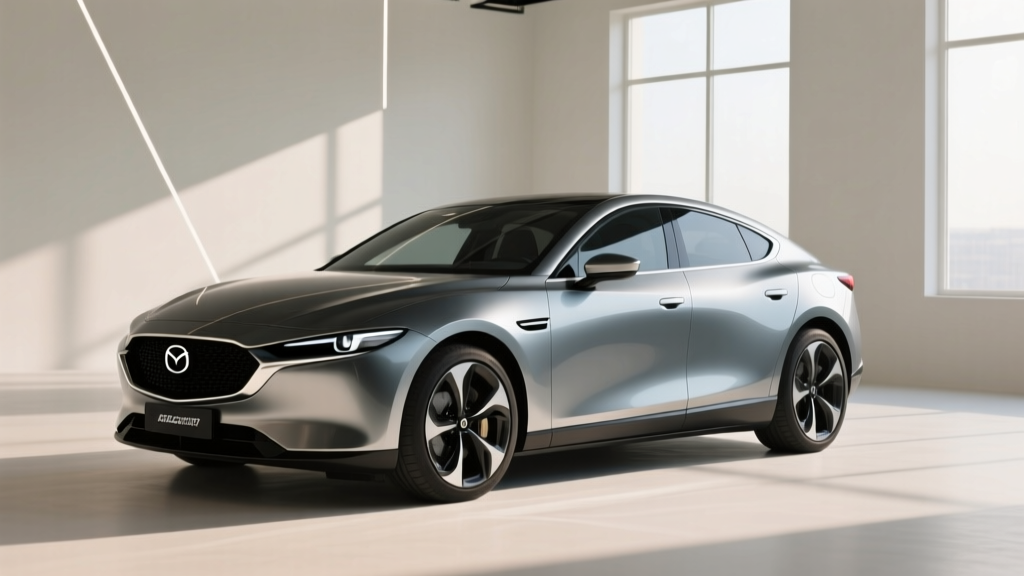
In early 2026, Mazda confirmed what industry watchers had long predicted: the MX-30, the brand's first mass-production battery-electric vehicle, is being discontinued in Europe. The compact crossover, which launched on the continent in 2020 and arrived in the U.S. as a 2022 model-year California-only offering, never achieved the sales volume Mazda hoped for. The core issue was always its 35.5 kWh battery — yielding just 100 miles of EPA-estimated range in the U.S. and roughly 124 miles under the more generous WLTP cycle in Europe.
For U.S. buyers, the MX-30 was already a niche product limited to California dealerships. With Mazda now pivoting its electrification strategy toward plug-in hybrids and a next-generation EV platform, the question for anyone still considering leftover 2024–2025 inventory is simple: does this EV still make sense, or should you look elsewhere?
This review covers the MX-30's specifications as it exits the market, real-world ownership data, and a clear-eyed assessment of who — if anyone — should buy remaining stock.
Range, Battery, and Real-World Efficiency
WLTP Range: 124 miles (European spec)
Real-World Expectation: Plan for 75–90 miles in mixed highway/city driving. In cold weather (below 40°F), expect a further 15–25% reduction, bringing usable range to roughly 60–75 miles on a full charge. Highway-only driving at 70+ mph yields approximately 80 miles.
The MX-30 uses a 35.5 kWh (gross) lithium-ion battery pack with NMC (nickel-manganese-cobalt) chemistry. Usable capacity is approximately 32 kWh after the buffer. Mazda deliberately chose a smaller battery to reduce the vehicle's lifecycle carbon footprint — a philosophy the brand called "right-sizing." While environmentally thoughtful, it resulted in a range figure that simply couldn't compete with rivals offering 200–300+ miles.
Efficiency is rated at 92 MPGe combined (EPA), which translates to roughly 36 kWh per 100 miles. That's competitive with larger EVs on an energy-per-mile basis, but the small battery means you'll be charging frequently.
| Spec | Value |
|---|---|
| EPA Range | 100 miles |
| Battery (gross / usable) | 35.5 kWh / ~32 kWh (NMC) |
| MPGe (city / hwy / combined) | 98 / 85 / 92 |
| kWh per 100 mi | 36 |
| Motor Output | 143 hp / 200 lb-ft torque |
| Drivetrain | FWD (single motor) |
| 0–60 mph | 9.0 seconds (est.) |
| DC Fast Charge (peak) | 50 kW (CCS) |
| 10–80% DC Time | ~36 minutes |
| Level 2 AC Charge Rate | 6.6 kW (~22 mi/hr) |
| Cargo Volume | 21.0 cu ft (rear seats up) / 45.2 cu ft (folded) |
| Rear Legroom | 33.1 inches |
| Battery Warranty | 8 years / 100,000 miles |
| Base MSRP (2024) | $34,110 (Base) |
| As-Tested (Premium Plus) | ~$38,460 |
Sources: EPA fueleconomy.gov, Mazda USA specifications.
Charging Speed: The MX-30's Second Limitation
Range is only half the charging equation — speed matters just as much, and here the MX-30 shows its age. The vehicle supports a maximum DC fast-charge rate of just 50 kW via its CCS1 connector. In a market where competitors routinely pull 150–250 kW at public chargers, the MX-30's 10–80% charge time of approximately 36 minutes feels slow.
The charge curve is relatively flat — you won't see dramatic tapering because the peak rate itself is modest. That said, 50 kW means a 15-minute stop adds roughly 20–25 miles of range. For a 100-mile-range vehicle, road-trip charging becomes a frequent and time-consuming exercise.
| Charge Level | Power | Time / Rate |
|---|---|---|
| Level 1 (120V household) | ~1.4 kW | ~9 mi/hr; full charge ~24 hours |
| Level 2 (240V home/public) | 6.6 kW | ~22 mi/hr; 10–100% in ~5 hours |
| DC Fast Charge (CCS) | 50 kW peak | 10–80% in ~36 min; 20–80% in ~45 min |
Home charging reality: With a 6.6 kW onboard charger, the MX-30 replenishes about 22 miles of range per hour on a Level 2 home setup. A full overnight charge (8 hours) restores the entire battery. For daily commuting under 60 miles round-trip, home Level 2 charging is perfectly adequate — the limitation only surfaces on longer trips.
Notable: The MX-30 uses CCS1 in the U.S. market. As the industry shifts to NACS (Tesla's connector standard), CCS-equipped vehicles may face reduced public charger availability over the coming years, though adapters are available.
Performance, Driving Dynamics, and Tech
The MX-30 is powered by a single front-mounted AC synchronous motor producing 143 horsepower and 200 lb-ft of torque. The 0–60 mph time is approximately 9.0 seconds — leisurely by EV standards. This is a car designed for urban cruising, not performance driving.
Where the MX-30 genuinely impresses is driving refinement. Mazda tuned the throttle response to mimic a conventional automatic transmission, with simulated gear shifts that reduce the "elevator sensation" some drivers dislike in EVs. The steering is precise and weighted appropriately, and the ride quality punches above its price class. Regenerative braking is adjustable via paddle shifters, though one-pedal driving (full stop without brake pedal) is not supported.
Interior and Technology
The cabin uses sustainable materials — cork trim panels (a nod to Mazda's founding as a cork manufacturer in 1920) and recycled PET-bottle fabrics. The 8.8-inch infotainment display is controlled via a rotary knob; there's no touchscreen, which some buyers prefer for reduced distraction. Apple CarPlay and Android Auto are standard (wired).
The MX-30's most controversial design feature is its freestyle (clamshell) rear doors — similar to the BMW i3. The rear-hinged back doors require the front door to open first, making rear-seat access awkward in tight parking spots. Rear legroom at 33.1 inches is tight for adults on longer journeys.
Standard driver-assist features include:
- Adaptive cruise control with stop-and-go
- Lane-keeping assist and lane-departure warning
- Blind-spot monitoring with rear cross-traffic alert
- Automatic emergency braking (front and rear)
This is SAE Level 1 driver assistance — no hands-off or automated steering capability.
Pricing, Tax Credits, and Ownership Cost
The 2024 Mazda MX-30 was offered in two trims for the U.S. market:
| Trim | MSRP | §30D Federal Credit | Effective Price |
|---|---|---|---|
| Base | $34,110 | Up to $7,500* | ~$26,610* |
| Premium Plus | $37,120 | Up to $7,500* | ~$29,620* |
*Federal tax credit caveats: Under IRS §30D rules, eligibility for the full $7,500 credit depends on:
- Buyer income caps: AGI must not exceed $150,000 (single), $225,000 (head of household), or $300,000 (joint).
- MSRP cap: Vehicles must be under $55,000 (sedans) or $80,000 (SUVs/trucks). The MX-30 qualifies.
- Battery sourcing requirements: Critical minerals and battery component thresholds phase up annually. For 2024–2025 models, verify current-year sourcing compliance on the IRS eligible vehicle list before purchasing.
- Point-of-sale transfer: As of 2024, the credit can be applied at the dealer as an immediate discount rather than waiting for tax filing.
Important for 2026 buyers: Since the MX-30 is discontinued, any remaining inventory will be sold as new 2024 or 2025 model-year vehicles. Confirm credit eligibility for the specific model year and VIN with your dealer and tax professional before purchasing, as battery-sourcing rules tighten each year.
On the used market, 2022–2024 MX-30s are depreciating steeply — a common pattern for short-range EVs. Used EV buyers may qualify for the separate §25E used clean vehicle credit (up to $4,000 or 30% of sale price, whichever is lower, with lower income caps).
Warranty and Battery Longevity
Mazda provides the following coverage for the MX-30:
- Battery warranty: 8 years / 100,000 miles (guaranteed to retain at least 70% of original capacity)
- Powertrain warranty: 5 years / 60,000 miles
- Bumper-to-bumper: 3 years / 36,000 miles
The 70% capacity retention threshold is standard for the industry. Given the MX-30's small battery, even modest degradation has an outsized impact — a 30% loss would reduce an already-short 100-mile range to just 70 miles. However, the MX-30's liquid-cooled thermal management system and conservative buffer should keep degradation moderate under normal use.
For a discontinued model, long-term parts and service support is a consideration. Mazda has not announced any changes to its service network for MX-30 owners, and the brand is obligated to maintain parts availability for a reasonable period post-discontinuation.
MX-30 vs. Key Competitors: Is It Worth Buying?
- You need a second car for short urban commutes (under 40 miles round-trip)
- You value driving refinement and interior quality over range
- You can access remaining inventory at a steep discount (sub-$25,000 after credits)
- You charge exclusively at home and rarely drive over 70 miles in a day
- You need over 200 miles of range for road trips or longer commutes
- You want DC fast charging above 100 kW for public charging convenience
- You regularly carry rear-seat passengers (the clamshell doors are impractical)
- You want NACS connector compatibility for Tesla Supercharger access
Against the Chevrolet Bolt EV (259 miles EPA, ~$26,500 before credits), the MX-30 is hard to justify on range alone. The Hyundai Kona Electric (261 miles EPA, 100+ kW DC charging) similarly outperforms in nearly every metric. The Nissan LEAF (149–212 miles depending on battery) offers more range, though its CHAdeMO connector is increasingly a liability.
The MX-30's closest rival in philosophy was the Honda e — another short-range, design-forward urban EV — but Honda discontinued that model in 2024. If you want a premium small EV with style, the MINI Cooper SE (114 miles EPA, 2024) occupies a similar niche with slightly better range and faster DC charging.
- Premium interior materials and build quality
- Refined, quiet driving experience
- Strong standard safety features
- Distinctive design (freestyle doors, cork trim)
- Competitive efficiency (92 MPGe combined)
- Adequate home Level 2 charging for daily use
- 100-mile EPA range — shortest in its class
- 50 kW DC fast charging is slow for 2024+ standards
- Clamshell rear doors reduce practicality
- Tight rear legroom (33.1 inches)
- No one-pedal driving mode
- CCS1 connector in a shifting NACS market
- Discontinued — long-term resale uncertainty
Who Should Buy Remaining MX-30 Inventory?
The MX-30 serves a narrow but real use case: urban commuters with reliable home charging who rarely exceed 60 miles per day. If you fit that profile and can negotiate a strong discount on remaining dealer stock — potentially $25,000 or less after the federal credit — the MX-30 delivers a driving experience that feels more premium than its price suggests.
However, for most U.S. buyers, the range and charging limitations are dealbreakers. The EV market in 2026 offers vastly more capable alternatives at similar or lower effective prices. The MX-30's discontinuation reflects a market that simply demands more range and faster charging than this vehicle was designed to provide.
If you're a Mazda loyalist waiting for the brand's next EV, Mazda has signaled a new dedicated EV platform arriving in the 2027–2028 timeframe, likely with 250+ miles of range and NACS compatibility. For now, the MX-30 is a cautionary tale about right-sizing a battery too conservatively for market expectations.
Frequently Asked Questions
What is the real-world range of the Mazda MX-30?
The EPA rates the MX-30 at 100 miles. In real-world mixed driving, expect 75–90 miles. Cold weather (below 40°F) can reduce this to 60–75 miles. Highway-only driving at sustained speeds yields approximately 80 miles. This makes the MX-30 strictly a city and suburban commuter.
How fast does the MX-30 charge at home and on the road?
At home on Level 2 (240V, 6.6 kW), the MX-30 adds about 22 miles of range per hour, with a full charge taking roughly 5 hours. On DC fast chargers, it peaks at 50 kW and charges from 10–80% in about 36 minutes. A 15-minute DC stop adds approximately 20–25 miles — slow compared to competitors pulling 150+ kW.
Does the Mazda MX-30 qualify for the federal EV tax credit?
The MX-30's MSRP is well under the $55,000 sedan cap, and it may qualify for up to $7,500 under IRS §30D. However, eligibility depends on the buyer's income (AGI caps apply), and the vehicle's battery must meet critical-mineral and component sourcing requirements that tighten annually. Verify the specific VIN on the IRS eligible vehicle list before purchasing.
Is the MX-30 worth buying now that it's discontinued?
Only for a specific buyer: someone with a short commute, reliable home Level 2 charging, and the ability to negotiate a steep discount on remaining stock. For most buyers, alternatives like the Chevrolet Bolt EV, Hyundai Kona Electric, or even a used Tesla Model 3 offer far more range and charging speed at comparable prices. Discontinuation also introduces resale-value uncertainty.
Why did Mazda discontinue the MX-30 in Europe?
Low sales volumes driven primarily by the vehicle's short range. European buyers, despite shorter average commutes than Americans, increasingly expect 200+ miles of WLTP range. The MX-30's 124-mile WLTP rating and 50 kW DC charging couldn't compete with rivals like the VW ID.3, Peugeot e-208, or MG4. Mazda is redirecting investment toward plug-in hybrids and a next-generation EV platform.
Will Mazda still service the MX-30 after discontinuation?
Yes. Mazda is obligated to provide parts and service support for a reasonable period after discontinuation. The 8-year/100,000-mile battery warranty remains in effect for existing owners. However, as with any discontinued model, body panels and model-specific trim pieces may become harder to source over time.
What battery chemistry does the MX-30 use?
The MX-30 uses NMC (nickel-manganese-cobalt) lithium-ion cells. NMC offers higher energy density than LFP (lithium iron phosphate) but is more expensive and has a slightly shorter cycle life. The 35.5 kWh pack is liquid-cooled, which helps manage degradation and supports consistent charging speeds across temperature ranges.