The Quick Answer on Mazda EV Cars
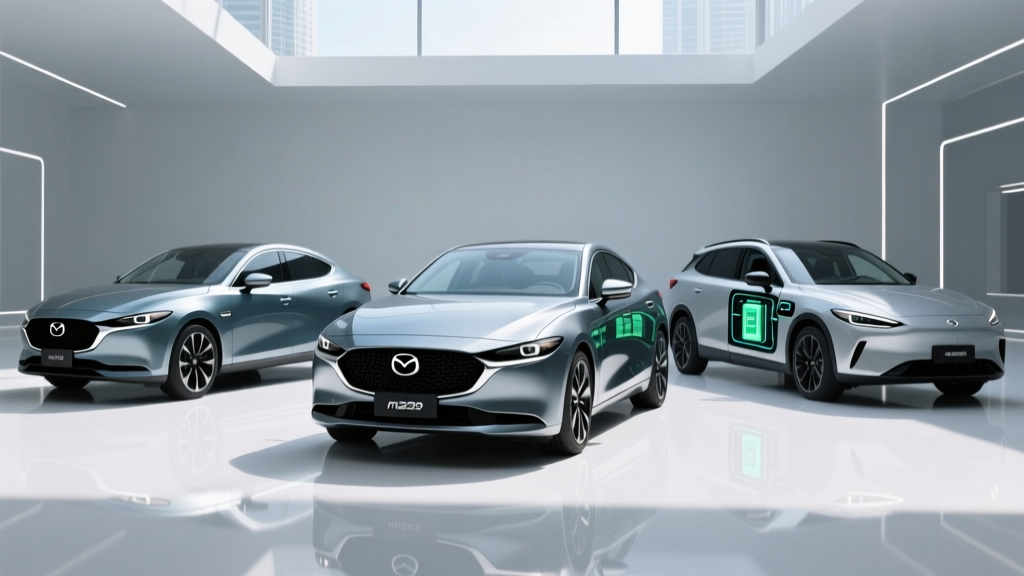
Mazda's electrified lineup in 2026 consists of two plug-in hybrids (CX-70 PHEV and CX-90 PHEV) and no fully electric vehicles currently on sale in the U.S. market. The MX-30 EV, which offered just 100 miles of EPA range, was discontinued after the 2023 model year. If you're looking for a pure battery-electric Mazda, you'll need to wait for the upcoming Mazda EZ-60 (an electric crossover expected for global markets) or consider Mazda's PHEV models, which offer 26 miles of electric-only driving paired with a gasoline engine for extended range.
Mazda's Current Electrified Lineup: What You Can Actually Buy
Mazda has taken a more cautious approach to full electrification than competitors like Hyundai, Kia, and Tesla. Rather than rushing battery-electric vehicles (BEVs) to market, Mazda has prioritized plug-in hybrid technology in its larger SUVs while continuing to develop its EV strategy. Here's what's available at dealerships right now:
| Model | Type | Electric-Only Range | Battery | Combined MPG (gas) | Starting MSRP |
|---|---|---|---|---|---|
| CX-70 PHEV | Plug-in Hybrid | 26 mi (EPA) | 17.8 kWh (usable) | 25 MPG | $55,875 |
| CX-90 PHEV | Plug-in Hybrid | 26 mi (EPA) | 17.8 kWh (usable) | 25 MPG | $57,475 |
| MX-30 (discontinued) | BEV | 100 mi (EPA) | 35.5 kWh | 92 MPGe | N/A (ended 2023) |
Both the CX-70 PHEV and CX-90 PHEV share Mazda's inline-six plug-in hybrid powertrain, producing a combined 323 horsepower and 369 lb-ft of torque. The 17.8 kWh battery pack enables genuine electric-only commuting for shorter trips, while the 2.5-liter four-cylinder engine eliminates range anxiety for longer drives. According to fueleconomy.gov, both models achieve an estimated 56 MPGe when operating in electric mode.
Real-World Range and Efficiency: Beyond the EPA Sticker
The EPA's 26-mile electric-only estimate for Mazda's PHEVs assumes ideal conditions: moderate temperatures, flat terrain, and conservative driving. In real-world ownership, expect variation based on several factors:
- Cold weather impact: Battery efficiency drops 20-30% in freezing temperatures. A 26-mile electric range in July may shrink to 18-20 miles in January, particularly if you're using cabin heating.
- Highway driving: Electric-only range decreases at sustained speeds above 65 mph. PHEVs are optimized for city and suburban driving where regenerative braking recaptures energy.
- Preconditioning advantage: If you can plug in at home and precondition the cabin while still connected to grid power, you preserve battery charge for actual driving rather than heating or cooling.
Once the battery depletes, both PHEVs operate as conventional hybrids. The transition is seamless — you won't feel the engine engage. Expect real-world combined fuel economy in the 23-27 MPG range depending on driving style and conditions, which is competitive with non-plug-in midsize SUVs but not class-leading compared to the Toyota Highlander Hybrid's 35 MPG combined.
Charging a Mazda PHEV: What First-Time Buyers Need to Know
Unlike full EVs that require DC fast charging for road trips, Mazda's PHEVs are designed primarily for Level 1 and Level 2 home charging. Here's the practical breakdown:
| Charging Level | Power | Time (0-100%) | Infrastructure Needed | Cost Range |
|---|---|---|---|---|
| Level 1 (120V) | ~1.4 kW | ~11 hours | Standard outlet | $0 (included cable) |
| Level 2 (240V) | ~7.2 kW | ~2.5 hours | Dedicated 240V circuit | $500-$2,000 install |
| DC Fast Charging | Not supported | N/A | N/A | N/A |
A critical detail many first-time PHEV buyers miss: Mazda's plug-in hybrids do not support DC fast charging. The 17.8 kWh battery is too small to benefit from high-power charging infrastructure, and the onboard charger maxes out at around 7.2 kW on Level 2. This is normal for PHEVs — the battery is designed to recharge overnight at home, not on road trips.
For most owners, Level 1 charging from a standard 120V household outlet is sufficient. If you drive 26 electric miles per day and plug in overnight (10-12 hours), you'll wake up with a full battery. Level 2 installation becomes worthwhile if you need faster turnaround between trips or want to take advantage of time-of-use electricity rates that offer cheaper charging during off-peak hours.
Cost Breakdown: Purchase Price, Fuel Savings, and Tax Credits
| Cost Factor | CX-90 PHEV | CX-90 (Gas I6 Turbo) | 5-Year Difference |
|---|---|---|---|
| Starting MSRP | $57,475 | $50,775 | PHEV costs $6,700 more |
| Federal Tax Credit (§30D) | Up to $3,750* | $0 | PHEV saves $3,750 |
| Estimated Fuel Cost (5 yr, 75k mi) | $6,200** | $9,800 | PHEV saves ~$3,600 |
| Maintenance (5 yr) | $2,800 | $3,200 | PHEV saves ~$400 |
| Net 5-Year Cost Difference | After incentives and fuel savings | PHEV breaks even or saves ~$650 | |
*Federal tax credit eligibility for Mazda PHEVs depends on current IRS §30D rules, including battery component sourcing requirements, buyer income caps ($300k joint / $150k single), and MSRP limits ($80k for SUVs). Credit amounts vary — confirm eligibility with a tax professional before purchasing.
**Fuel cost estimate assumes 60% of driving occurs within the 26-mile electric range, home charging at $0.14/kWh, and gasoline at $3.50/gallon. Your actual savings depend heavily on driving patterns, electricity rates, and how often you stay within electric-only range.
EV vs. Gas vs. Hybrid: Which Mazda (or Competitor) Fits Your Life?
Mazda's limited EV strategy means many buyers cross-shopping "mazda ev cars" will need to decide whether a PHEV meets their needs or whether a competitor's full EV is a better fit. Here's a practical decision framework:
Choose a Mazda PHEV if:
- Your daily commute is under 25 miles round-trip, allowing mostly electric driving
- You have reliable home charging access (even a standard 120V outlet works)
- You regularly take road trips exceeding 200 miles and don't want to plan around charging stations
- You value Mazda's premium interior, inline-six smoothness, and rear-biased AWD dynamics
- You live in an area with limited public DC fast charging infrastructure
Consider a full EV (Hyundai Ioniq 5, Tesla Model Y, Kia EV6) if:
- You want zero gasoline purchases and minimal maintenance (no oil changes, fewer moving parts)
- You have home Level 2 charging and access to reliable public fast chargers for road trips
- Your daily driving is under 250 miles and you can charge overnight
- You want to maximize federal tax credits (many BEVs qualify for the full $7,500, subject to sourcing and income rules)
- You prioritize lower per-mile energy costs (electricity at $0.14/kWh ≈ $4.50 per 100 miles vs. gasoline at $3.50/gal ≈ $14 per 100 miles for a 25 MPG SUV)
Stick with a conventional hybrid (Toyota Highlander Hybrid, Honda Pilot) if:
- You cannot install home charging (apartment, street parking, landlord restrictions)
- You want maximum simplicity with no plugs, no charging cables, and no behavior changes
- Your budget is tighter and you want proven reliability with 30+ MPG combined
Common Misconceptions About Mazda's Electrified Vehicles
| Myth | Fact |
|---|---|
| "Mazda has a full EV I can buy in 2026." | Mazda discontinued the MX-30 EV after 2023 due to its limited 100-mile range and poor sales. No pure BEV is currently sold in the U.S. Mazda has announced future EVs but none are on sale yet. |
| "PHEVs don't save money compared to gas cars." | If you can charge at home and most of your driving fits within the electric range, PHEVs can cut fuel costs 30-50%. The savings depend on your driving patterns and electricity rates. |
| "I need a special charger for a PHEV." | Mazda PHEVs come with a Level 1 charging cable that works with any standard 120V outlet. Level 2 is optional and speeds up charging but isn't required for daily use. |
| "The battery will need expensive replacement soon." | Mazda covers the PHEV battery with an 8-year/100,000-mile warranty (96 months). PHEV batteries are smaller and experience less stress than full EV batteries, and real-world data shows minimal degradation in the first 5-7 years. |
| "PHEVs are just gas cars with a tiny battery." | A 26-mile electric range covers the majority of daily U.S. commutes (average one-way commute is ~16 miles per Census data). Many PHEV owners drive electric 70-80% of the time. |
Ownership Realities: What Mazda Won't Tell You in the Brochure
Before signing a purchase agreement, consider these practical ownership factors that rarely appear in marketing materials:
Home charging is nearly essential. A PHEV you never plug in is just a heavier, more expensive gas car. If you live in an apartment without charging access or park on the street, a conventional hybrid will deliver better real-world fuel economy with zero behavior changes.
Insurance costs may be higher. PHEVs and EVs typically carry insurance premiums 10-20% above equivalent gas vehicles due to higher repair costs and specialized parts. Get quotes before committing — the fuel savings can be offset by insurance increases in some states.
The electric range is modest. At 26 miles, Mazda's PHEVs lag behind competitors like the Toyota RAV4 Prime (42 miles electric) and the Jeep Wrangler 4xe (21 miles but in a far less efficient vehicle). If your commute is 30+ miles one-way, you'll be burning gas most days.
Cold climate buyers should plan for range loss. In sub-freezing temperatures, expect electric-only range to drop to 18-20 miles and overall fuel economy to decrease. A heat pump (not standard on Mazda PHEVs) would help, but Mazda uses resistive cabin heating which draws from the battery.
Resale value is uncertain. Mazda's electrified models are relatively new, and long-term depreciation data is limited. Toyota and Honda hybrids have proven resale strength; Mazda PHEVs are an unknown quantity for now.
Frequently Asked Questions
Does Mazda make any fully electric cars in 2026?
No. Mazda discontinued the MX-30 EV after the 2023 model year. The company currently sells only plug-in hybrid vehicles (CX-70 PHEV and CX-90 PHEV) in the U.S. market. Mazda has announced plans for future EVs, including potential models based on a scalable EV platform, but none are currently available for purchase.
How long does it take to charge a Mazda CX-90 PHEV at home?
Using a standard 120V outlet (Level 1), expect approximately 11 hours for a full charge. With a 240V Level 2 home charger, the 17.8 kWh battery charges in about 2.5 hours. Most owners plug in overnight and wake up to a full battery every morning.
Is the Mazda CX-90 PHEV eligible for the federal tax credit?
Potentially, but eligibility depends on multiple factors. Under current IRS §30D rules, the vehicle must meet battery component and critical mineral sourcing requirements, the buyer must fall under income caps ($300,000 joint / $150,000 single filer), and the MSRP must be under $80,000 for SUVs. The credit amount also varies — it may be $3,750 or $7,500 depending on sourcing compliance. Always verify current eligibility on irs.gov and consult a tax professional.
Should I buy a Mazda PHEV or wait for a full EV?
If you need a vehicle now and your driving patterns include frequent long trips or limited charging access, a Mazda PHEV offers flexibility. If you can wait 1-3 years, have reliable home charging, and want to eliminate gasoline entirely, Mazda's future EV lineup (or competitors' current EVs) may be a better long-term choice. The decision depends on your timeline, charging access, and willingness to plan road trips around charging infrastructure.
What's the real-world fuel economy of a Mazda PHEV if I don't charge it?
If you never plug in, expect 23-27 MPG combined in the CX-70 or CX-90 PHEV — similar to a conventional midsize SUV but worse than the Toyota Highlander Hybrid (35 MPG). The PHEV powertrain adds weight and complexity; the fuel savings only materialize if you regularly drive within the electric range and charge at home.
The Bottom Line: Mazda's Electrified Strategy in Context
Mazda's approach to electrification reflects the company's engineering-first philosophy: rather than rush underwhelming EVs to market (the MX-30's 100-mile range was criticized universally), Mazda has focused on plug-in hybrids that preserve the driving dynamics and premium feel the brand is known for. The CX-70 and CX-90 PHEVs are genuinely compelling vehicles — smooth inline-six power, upscale interiors, and genuine electric commuting capability.
However, buyers searching for "mazda ev cars" should understand that Mazda's EV ambitions remain largely future-tense. If you want a full EV today, you'll need to look at Hyundai, Kia, Tesla, Ford, or other brands with established BEV lineups. If a plug-in hybrid fits your lifestyle and you value Mazda's specific blend of design, driving feel, and interior quality, the CX-70 and CX-90 PHEVs deserve serious consideration — just go in with realistic expectations about electric range, charging requirements, and the fact that you're buying a bridge technology, not a pure electric future.