Quick Answer: What Mazda Electric Cars Can You Buy in 2026?
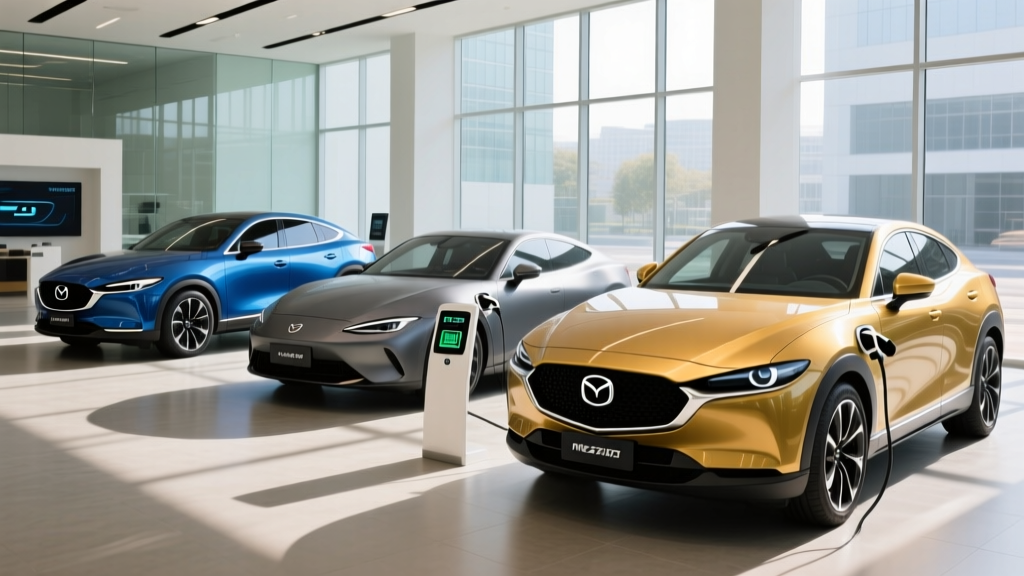
Mazda currently sells one fully electric vehicle in the U.S.: the Mazda CX-70 PHEV (plug-in hybrid, not a pure EV) and the Mazda MX-30 EV (discontinued after the 2023 model year). For the 2026 model year, Mazda's electrified strategy centers on plug-in hybrids like the CX-70 PHEV and CX-90 PHEV rather than long-range battery-electric vehicles. If you're searching for a "Mazda electric car," here's the honest reality: Mazda does not currently offer a competitive long-range BEV in the U.S. market. Your best Mazda electrified option is a PHEV with 25–26 miles of electric-only range, or you'll need to look at rival brands for a full EV. Below, we break down exactly what Mazda offers, what it costs, and how it compares.
Mazda's Electrified Lineup: What's Actually Available
Mazda's path to electrification has been cautious compared to Hyundai, Kia, and Ford. The brand briefly sold the MX-30 EV in California only, but its 100-mile EPA range and slow DC charging made it uncompetitive. It was discontinued after 2023.
For 2026, Mazda's electrified U.S. lineup consists of two plug-in hybrids built on a shared architecture:
- 2026 Mazda CX-70 PHEV — a two-row midsize SUV with 26 miles of electric-only range.
- 2026 Mazda CX-90 PHEV — a three-row midsize SUV with 25 miles of electric-only range.
Mazda has announced plans for dedicated EV platforms arriving later in the decade, but as of early 2026, no long-range Mazda BEV is on sale or available to order in the United States. Any headlines about "Mazda electric cars" refer either to the discontinued MX-30, China-market models, or future concept announcements.
2026 Mazda CX-70 PHEV: Specs, Range, and Real-World Efficiency
The CX-70 PHEV is the closest thing to a "Mazda electric car" you can actually buy today. Here are the numbers that matter:
| Spec | 2026 Mazda CX-70 PHEV |
|---|---|
| Powertrain | 2.5L 4-cyl + electric motor (PHEV) |
| Combined Horsepower | 327 hp / 369 lb-ft torque |
| Battery Capacity | 17.8 kWh (lithium-ion) |
| EPA Electric-Only Range | 26 miles |
| EPA Combined MPGe (electric + gas) | 25 MPGe (charge-depleting), ~28 MPG combined (gas-only) |
| 0–60 mph | ~6.3 seconds |
| Level 2 Charging (AC) | ~7.2 kW, full charge in ~2.5 hours |
| DC Fast Charging | Not supported |
| Base MSRP (Preferred trim) | $54,400 |
| Battery Warranty | 8 years / 100,000 miles |
| Powertrain Warranty | 5 years / 60,000 miles |
Real-World Electric Range Expectation
The EPA rates the CX-70 PHEV at 26 miles of electric-only driving. In real-world conditions, expect 20–24 miles in moderate weather on mixed roads. Highway driving at 70+ mph or cold-weather operation (below 40°F) can drop that to 15–18 miles. This is typical for PHEVs in this class but means most commutes over 20 miles will require the gas engine.
How Does a Mazda PHEV Compare to a Gas SUV or a Full EV?
If you're weighing a Mazda CX-70 PHEV against a conventional gas SUV or a full battery-electric vehicle, here's a data-driven comparison:
| Metric | Mazda CX-70 PHEV | Honda Passport (Gas AWD) | Hyundai Ioniq 5 (BEV AWD) |
|---|---|---|---|
| Base MSRP | $54,400 | $43,350 | $46,650 |
| EPA Range / Efficiency | 26 mi electric + ~400 mi gas | 22 MPG combined | 290 mi (EPA) |
| "Fuel" Cost per Mile (home charging / gas) | $0.04/mi (electric) + $0.16/mi (gas) | $0.17/mi | $0.04/mi (home) |
| Annual Fuel/Energy Cost (15k mi) | ~$1,500 (mixed) | ~$2,550 | ~$600 (home charging) |
| Federal Tax Credit (§30D) | Up to $3,750* | $0 | Up to $7,500* |
| Oil Changes | Yes (gas engine) | Yes | None |
| DC Fast Charging | No | N/A | Yes (up to 240 kW) |
| Home Charging Needed? | Recommended, not required | N/A | Strongly recommended |
* Federal tax credit amounts depend on battery sourcing, buyer income caps, and MSRP limits under IRS §30D rules. PHEVs qualify for up to $3,750 depending on critical-mineral and battery-component requirements. Always verify eligibility with a tax professional.
Real Costs of Owning a Mazda PHEV: 5-Year Breakdown
A PHEV sits between a gas car and a full EV in ownership cost. Here's a realistic 5-year projection assuming 15,000 miles per year, $3.50/gallon gas, and $0.14/kWh home electricity:
| Cost Category (5 Years) | Mazda CX-70 PHEV | Gas SUV Baseline | BEV (e.g., Ioniq 5) |
|---|---|---|---|
| Purchase Price (after credit) | ~$50,650 | $43,350 | ~$39,150 |
| Energy/Fuel | $7,500 | $12,750 | $3,000 |
| Maintenance | $2,800 | $3,500 | $1,500 |
| Insurance (avg) | $9,500 | $8,200 | $9,800 |
| Home Charger Install (Level 2) | $0–$1,200 (optional) | $0 | $500–$2,000 |
| Estimated 5-Year Total | ~$70,450 | ~$67,800 | ~$53,450 |
The PHEV's higher purchase price and dual maintenance needs (gas engine + electric drivetrain) mean it rarely beats a comparable BEV on total cost of ownership. Its advantage is flexibility: no range anxiety on road trips, no reliance on public charging infrastructure, and the ability to drive electric for short daily commutes while retaining gas range for longer trips.
Common Misconceptions About Mazda Electric Cars
| Myth | Fact |
|---|---|
| "Mazda has a full electric car you can buy." | The MX-30 EV was discontinued after 2023. Mazda's 2026 electrified options are PHEVs only. |
| "The CX-70 PHEV can drive 100 miles on electricity." | EPA-rated electric range is 26 miles. After that, the gas engine takes over. |
| "PHEVs qualify for the full $7,500 tax credit." | PHEVs qualify for up to $3,750 under §30D, depending on battery sourcing and buyer income. Full $7,500 credits are generally reserved for larger-battery BEVs that meet sourcing rules. |
| "I don't need to charge a PHEV at home." | You can drive a PHEV without home charging (it runs on gas), but you'll miss most of the fuel savings. The value proposition depends on regular plug-in charging. |
| "Mazda EVs are coming soon." | Mazda has announced a dedicated EV platform for later this decade, but no U.S.-market long-range BEV has a confirmed sale date as of 2026. |
Who Should Buy a Mazda PHEV — and Who Shouldn't
Decision Framework
Choose the Mazda CX-70 PHEV if:
- You want a premium midsize SUV with Mazda's driving dynamics and interior quality.
- Your daily commute is under 25 miles and you can charge at home (Level 1 or 2).
- You regularly take road trips and don't want to plan around DC fast chargers.
- You want to reduce fuel consumption without fully committing to a BEV.
Look at a full EV from another brand if:
- You want 250+ miles of electric range and zero gas use.
- You want DC fast charging for road trips (10–80% in under 20 minutes).
- You want to maximize the federal tax credit (up to $7,500 for qualifying BEVs).
- You want to eliminate oil changes and engine maintenance entirely.
Stick with a gas SUV if:
- You lack access to any plug-in charging (no garage, no workplace charger).
- Your budget is under $45,000 and you prioritize lowest upfront cost.
- You drive fewer than 8,000 miles per year (fuel savings won't offset the PHEV premium).
What First-Time EV Buyers Should Know Before Shopping Mazda
If you're new to electrified vehicles and researching Mazda, keep these practical realities in mind:
- kW vs. kWh: kW (kilowatts) measures power — how fast you charge. kWh (kilowatt-hours) measures energy — how big the battery is. The CX-70 PHEV has a 17.8 kWh battery and charges at up to 7.2 kW on Level 2.
- Home charging is the backbone: Even with a PHEV, a standard 120V outlet (Level 1) will replenish the CX-70's small battery overnight. A 240V Level 2 charger ($500–$2,000 installed) fills it in about 2.5 hours.
- Cold weather reduces electric range: Expect 20–30% less electric-only range in sub-freezing temperatures. The gas engine compensates, but your "electric commute" shrinks.
- Tax credits aren't guaranteed: The IRS §30D credit has income caps ($150K single / $300K joint), MSRP caps ($80K for SUVs), and battery-sourcing requirements that change annually. Verify current-year rules before counting on the credit.
- PHEV maintenance is dual-system: You still have a gas engine requiring oil changes, spark plugs, and emissions checks — alongside the electric drivetrain. Maintenance costs are lower than a pure gas car but higher than a BEV.
Frequently Asked Questions
Does Mazda make a fully electric car in 2026?
No. Mazda discontinued the MX-30 EV after the 2023 model year. For 2026, Mazda's only electrified vehicles in the U.S. are plug-in hybrids: the CX-70 PHEV and CX-90 PHEV. Mazda has announced future EV plans but no confirmed U.S. BEV is on sale.
What is the electric-only range of the Mazda CX-70 PHEV?
The EPA rates the CX-70 PHEV at 26 miles of electric-only range. Real-world driving yields 20–24 miles in moderate conditions, dropping to 15–18 miles in cold weather or sustained highway driving. Source: fueleconomy.gov.
Does the Mazda CX-70 PHEV qualify for the federal tax credit?
It may qualify for up to $3,750 under IRS §30D, depending on battery-component and critical-mineral sourcing requirements, your income level, and the vehicle's MSRP. The credit can be transferred to the dealer at point of sale. Always check the latest IRS guidance and consult a tax professional.
Can I charge the Mazda CX-70 PHEV at a DC fast charger?
No. The CX-70 PHEV supports Level 1 (120V) and Level 2 (240V) AC charging only. DC fast charging is not available, which is typical for plug-in hybrids with smaller batteries. A full charge on Level 2 takes approximately 2.5 hours.
Is a Mazda PHEV better than a full EV?
It depends on your situation. A PHEV offers flexibility — electric commuting with gas-engine backup for road trips — but costs more to fuel and maintain than a BEV over time. If you can charge at home and your daily driving is under 25 miles, a PHEV works well. If you want maximum savings and zero gas use, a full EV like the Hyundai Ioniq 5, Tesla Model Y, or Ford Mustang Mach-E delivers a stronger value proposition.
When will Mazda release a long-range electric vehicle?
Mazda has outlined plans for dedicated EV platforms launching in the latter half of the 2020s, potentially including models built in partnership with other manufacturers. However, no specific U.S.-market BEV has a confirmed on-sale date as of early 2026. Any announced models should be treated as preliminary until production begins.