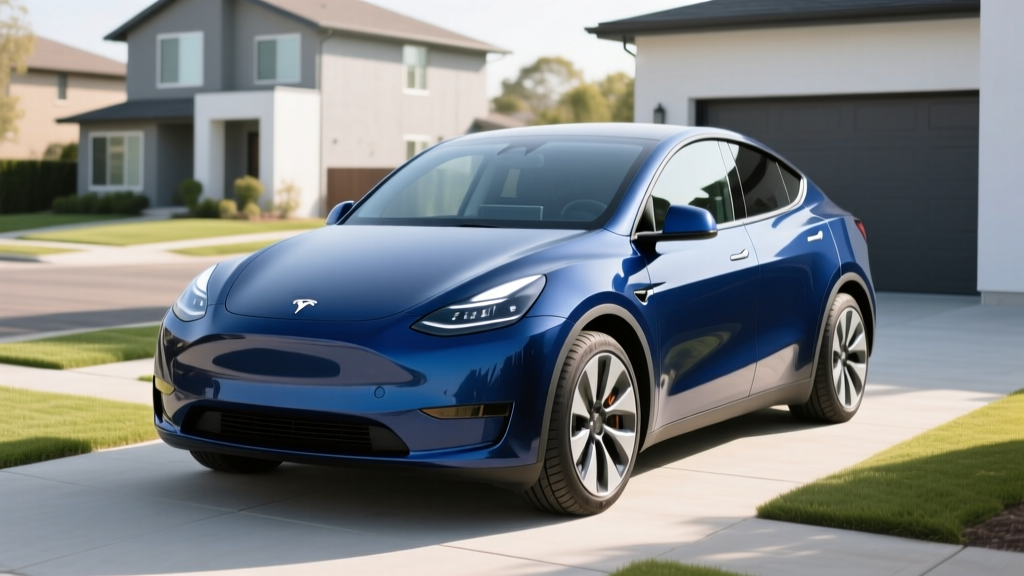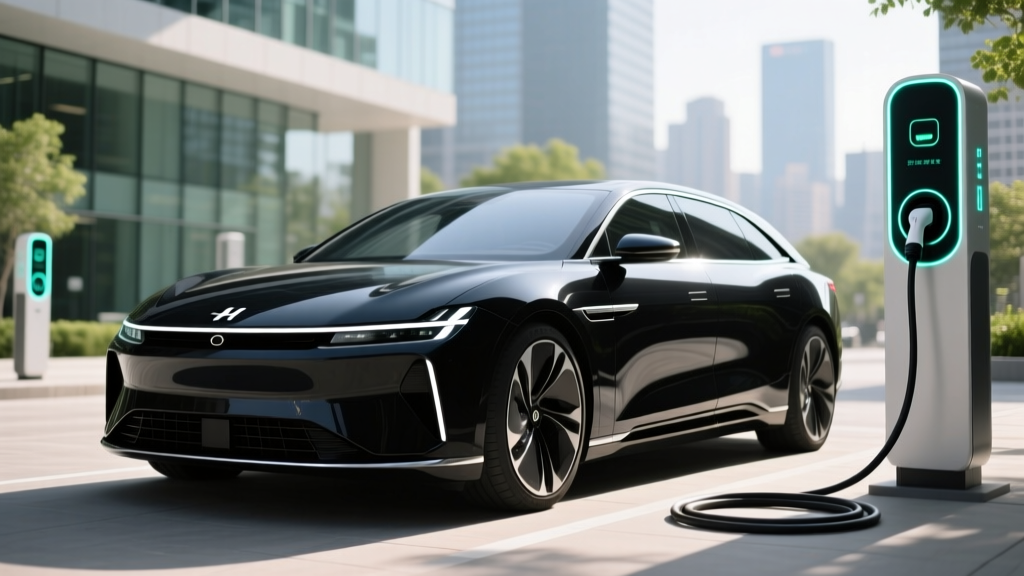
Luxury electric wagons remain a remarkably thin segment, and the 2026 Lucid Wagon arrives as the first serious attempt to merge flagship EV range and performance with genuine utility-hauling practicality. Built on Lucid's miniaturized Atlas powertrain architecture, the Wagon extends the Air sedan's engineering DNA into a shooting-brake silhouette that prioritizes cargo volume, rear-seat headroom, and long-distance touring comfort.
Having tracked Lucid's platform evolution since the Air's launch, what stands out here is the efficiency story. Lucid continues to lead the industry in miles-per-kWh, and the Wagon leverages that advantage to deliver range figures that make road-trip charging stops genuinely infrequent. But with a starting price north of $90,000 and a competitive set that includes the Porsche Taycan Cross Turismo and the Mercedes-Benz EQE SUV, buyers need hard data before committing. Here's the complete breakdown.
Range, Efficiency, and Real-World Expectations
The 2026 Lucid Wagon is offered with two battery configurations across its trim lineup. The Touring model uses a 112 kWh usable battery pack (NMC chemistry), while the Grand Touring steps up to a 118 kWh pack, also NMC. Lucid has not adopted LFP for this platform — the energy density requirements for 400+ mile range in a wagon form factor demand nickel-manganese-cobalt cells.
Grand Touring AWD: 450 miles EPA est. Expect ~370–395 miles in mixed highway driving at 70–75 mph; ~315–340 miles in freezing temperatures (below 32°F) without preconditioning.
Touring AWD: 410 miles EPA est. Expect ~340–360 miles highway; ~285–310 miles in deep cold.
Pure RWD: 440 miles EPA est. Expect ~380–400 miles highway (RWD efficiency advantage); ~320–350 miles in cold.
Lucid's heat pump and thermal management system mitigate cold-weather losses better than many competitors, but physics still applies: plan for 20–25% range reduction in sustained sub-freezing conditions.
Efficiency ratings land at 132 MPGe combined for the Grand Touring AWD and 140 MPGe combined for the Pure RWD, according to fueleconomy.gov. That translates to roughly 25–27 kWh per 100 miles depending on trim — exceptional for a 5,000+ lb vehicle with this much power and interior volume.
| Specification | Pure RWD | Touring AWD | Grand Touring AWD |
|---|---|---|---|
| EPA Range | 440 mi | 410 mi | 450 mi |
| Battery (usable) | 112 kWh (NMC) | 112 kWh (NMC) | 118 kWh (NMC) |
| Horsepower | 480 hp | 620 hp | 832 hp |
| 0–60 mph | 4.2 sec | 3.4 sec | 2.8 sec |
| Drivetrain | RWD | Dual-Motor AWD | Dual-Motor AWD |
| MPGe (combined) | 140 MPGe | 134 MPGe | 132 MPGe |
| Base MSRP | $91,500 | $101,500 | $122,500 |
Charging Speed: DC Fast, Level 2, and the Charge Curve
The Wagon uses Lucid's 900V+ electrical architecture, which enables DC fast-charge rates up to 300 kW at compatible stations. Note: kW is power (charge rate), while kWh is energy (battery capacity) — a critical distinction many buyers confuse.
| Charging Level | Max Rate | Estimated Speed | Notes |
|---|---|---|---|
| DC Fast Charge | 300 kW peak | 10–80% in ~20 min | Peak rate sustained to ~55% SoC; tapers significantly above 80% |
| Level 2 (Home 48A) | 11.5 kW | ~42 miles per hour | Full charge in ~10.5 hrs (118 kWh pack) |
| Level 2 (Home 32A) | 7.7 kW | ~28 miles per hour | Adequate for daily commuting if garage-accessible |
| Level 1 (120V) | 1.4 kW | ~5 miles per hour | Emergency/trickle only — impractical for full recharge |
Charging-curve reality check: The 300 kW peak is available only at ultra-fast chargers (350 kW-capable stations like Electrify America's newest stalls). At a typical 150 kW DC fast charger, expect 10–80% in roughly 32–35 minutes. Above 80% state of charge, the rate drops sharply — plan your stops around 10–80% windows for optimal time efficiency.
The Wagon ships with a NACS (North American Charging Standard) port natively, granting access to Tesla Supercharger V4 stations alongside CCS networks via Lucid's integrated Plug & Charge capability on Electrify America, EVgo, and ChargePoint. Preconditioning the battery via navigation-routed charging is essential for achieving peak rates — always enter a fast-charger destination in the nav system before arrival.
Performance and Driving Dynamics
The Grand Touring AWD's 832 horsepower and 2.8-second 0–60 mph time place it in supercar territory, though the Wagon's added mass (roughly 200 lbs more than the Air sedan equivalent) is perceptible during aggressive cornering. The Touring AWD's 620 hp and 3.4-second sprint strike a more pragmatic balance for most buyers.
Lucid's dual-motor torque-vectoring system provides confident all-weather traction without the efficiency penalty of mechanical AWD systems. Regenerative braking offers multiple levels including a true one-pedal driving mode, though the blending calibration still favors a gradual ramp-up rather than the aggressive single-pedal feel of some competitors.
Ride quality benefits from the standard adaptive air suspension, which adjusts ride height by up to 2.4 inches. The Wagon-specific tuning prioritizes compliance over the Air's slightly firmer setup, making it the more comfortable highway cruiser of the two.
Cargo Space, Interior, and Utility
This is where the Wagon justifies its existence over the Air sedan. The shooting-brake roofline and extended rear hatch yield 34.5 cubic feet of cargo space behind the second row and 70.2 cubic feet with the 60/40 split rear seats folded flat. That matches or exceeds most midsize luxury SUVs while maintaining a lower center of gravity and sleeker profile.
A front trunk (frunk) adds approximately 7.5 cubic feet of enclosed storage — useful for charging cables, a soft-sided cooler, or groceries you want separated from the main cabin. Rear-seat headroom gains roughly 2.5 inches over the Air sedan thanks to the wagon roofline, and rear legroom holds at 38.1 inches, comfortably accommodating adults on long trips.
The glass canopy roof extends further rearward than the sedan's, flooding the cargo area with natural light but also increasing solar heat gain. Lucid includes a power-retractable shade as standard — essential in hot climates.
Pricing, Trims, and Federal Tax Credit Eligibility
The 2026 Lucid Wagon is positioned firmly in the luxury tier. Pricing by trim:
| Trim | Base MSRP | Federal §30D Credit | Effective Price* |
|---|---|---|---|
| Pure RWD | $91,500 | Not eligible (MSRP cap exceeded) | $91,500 |
| Touring AWD | $101,500 | Not eligible (MSRP cap exceeded) | $101,500 |
| Grand Touring AWD | $122,500 | Not eligible (MSRP cap exceeded) | $122,500 |
*Effective price reflects base MSRP before destination, options, or state/local incentives. Destination fee adds approximately $1,500.
Federal tax credit reality: Under current IRS §30D rules, new EVs classified as "other vehicles" (non-SUV, non-pickup) face a $55,000 MSRP cap. Wagons fall under this classification. Since every Lucid Wagon trim starts well above $55,000, no trim qualifies for the $7,500 federal new-vehicle tax credit. Buyer income caps ($150K single / $300K joint) and battery critical-mineral sourcing rules would further complicate eligibility even if MSRP were within range.
However, buyers should investigate state-level incentives (California's CVRP, Colorado's innovative motor vehicle credits, and others) as well as potential used-EV credit eligibility if purchasing a pre-owned Wagon after the 24-month mark — the $4,000 used-vehicle credit under §25E has a $25,000 MSRP cap, which won't apply here either. Consult a tax professional for your specific situation.
Technology, Driver Assistance, and Notable Drawbacks
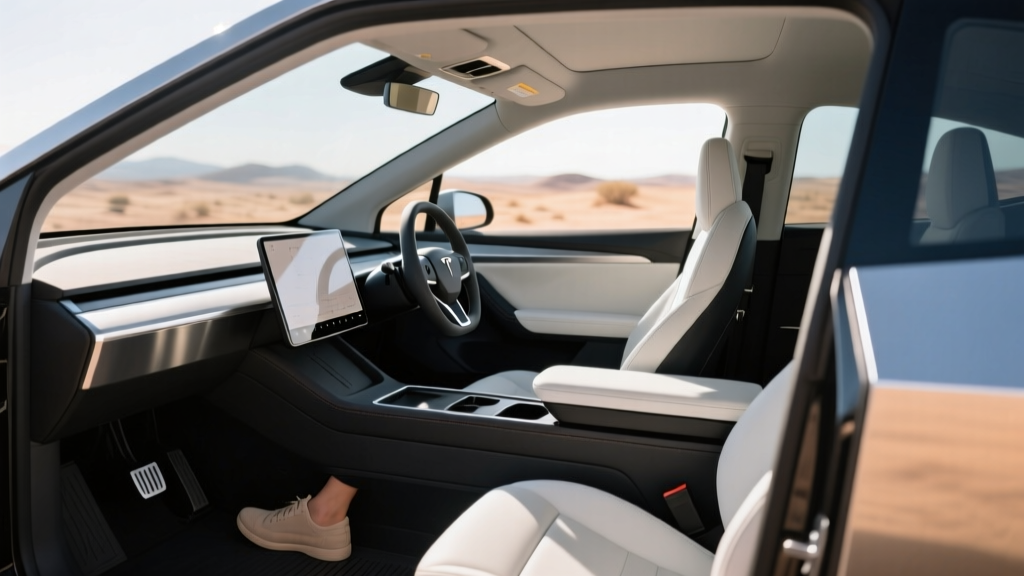
Lucid's 34-inch curved glass cockpit display spans the driver's instrument cluster and central infotainment, with a secondary lower touchscreen handling climate and secondary vehicle functions. The system supports wireless Apple CarPlay and Android Auto, over-the-air updates, and Lucid's proprietary voice assistant.
The DreamDrive Pro ADAS suite includes adaptive cruise control, lane-centering assist, automated lane changes, and a 360-degree camera system. Important: DreamDrive Pro is an SAE Level 2 driver-assistance system. The driver must remain fully engaged, hands on or near the wheel, with eyes on the road at all times. This is not autonomous or "self-driving" capability.
Notable drawbacks:
- Charging network dependency: While NACS access is excellent, Lucid's Plug & Charge handshake reliability on non-Tesla networks still trails Tesla's native Supercharger experience in seamlessness.
- No tow rating: Unlike the Air sedan (which offers a modest 1,500-lb tow rating in some markets), the Wagon is not rated for towing at launch.
- Service center density: Lucid's service footprint remains far smaller than Tesla's or legacy luxury brands. Buyers in rural or low-population states should verify mobile service availability before purchasing.
- Rear visibility: The wagon's sloping rear glass and thick D-pillars compromise rearward sightlines. The digital rearview mirror is standard but takes adjustment.
- Class-leading EPA range (450 mi Grand Touring)
- Best-in-class efficiency (140 MPGe Pure RWD)
- 300 kW DC fast charging with 900V architecture
- 70+ cu ft cargo space with seats folded
- Air suspension ride quality and cabin quietness
- NACS native — full Supercharger V4 access
- No federal tax credit (MSRP exceeds §30D cap)
- Starting price of $91,500 is steep
- Limited service center network in many states
- No tow rating at launch
- DreamDrive Pro still behind Tesla FSD in capability
- Rear visibility requires digital mirror reliance
Who Should Buy the 2026 Lucid Wagon?
The Lucid Wagon serves a specific buyer: someone who values maximum range and efficiency above all else, needs genuine cargo utility for gear, dogs, or family hauling, and wants a design that stands apart from the crossover-dominated luxury EV market.
Best for: Long-distance commuters (50+ miles daily), road-trip enthusiasts who want minimal charging stops, design-conscious buyers fatigued by SUV proportions, and current Air sedan owners who need more cargo room.
Look elsewhere if: You need a tow-capable vehicle, you're budget-conscious and need the $7,500 federal credit, you live far from a Lucid service center, or you want the most advanced hands-off highway driving assist (GM Super Cruise and Ford BlueCruise currently offer more hands-free highway miles).
How It Compares: Wagon vs. Key Competitors
The Lucid Wagon's closest rivals are the Porsche Taycan Cross Turismo and the Mercedes-Benz EQE SUV (which, while technically an SUV, targets the same luxury utility buyer).
The Taycan Cross Turismo offers sharper handling dynamics and a more engaging driver experience but sacrifices significant range (EPA ~250 mi for the 4S variant) and charges at a lower peak rate (270 kW). The EQE SUV provides a more conventional luxury interior and broader dealer service network but trails in efficiency and feels heavier on the road.
The Wagon wins on range, efficiency, and cargo volume. It loses on service accessibility, brand cachet in certain markets, and driver-assist sophistication. For buyers who measure their EV by miles per kWh and charging stops per road trip, the Lucid Wagon has no peer.
Warranty and Long-Term Ownership
Lucid backs the Wagon with an 8-year/100,000-mile battery and powertrain warranty, with a guaranteed minimum 70% battery capacity retention over that period. The basic vehicle warranty covers 4 years/50,000 miles, and roadside assistance runs 4 years/50,000 miles as well.
Given Lucid's relatively short track record as a production automaker (first Air deliveries in late 2021), long-term reliability data is still accumulating. Early Air owners have reported occasional software glitches and minor build-quality inconsistencies, though Lucid's OTA update cadence has addressed many of these. The NMC battery chemistry is well-proven across the industry, but buyers planning 10+ year ownership should budget for potential out-of-warranty battery service — industry estimates for packs in this capacity range suggest $18,000–$25,000 for a full replacement, though individual module repairs cost significantly less.
Frequently Asked Questions
What is the real-world range of the Lucid Wagon?
The Grand Touring AWD achieves 450 miles EPA estimated. In real-world highway driving at 70–75 mph, expect approximately 370–395 miles. In sustained freezing temperatures, that drops to roughly 315–340 miles without battery preconditioning. The Pure RWD trim delivers 440 miles EPA with slightly better real-world retention due to lower drivetrain losses.
How fast does the Lucid Wagon charge?
On a 350 kW-capable DC fast charger, the Wagon peaks at 300 kW and charges from 10–80% in approximately 20 minutes. On a typical 150 kW station, expect 10–80% in about 32–35 minutes. At home on a 48-amp Level 2 charger (11.5 kW), you'll add roughly 42 miles of range per hour of charging.
Does the Lucid Wagon qualify for the $7,500 federal EV tax credit?
No. Under current IRS §30D rules, wagons classified as "other vehicles" face a $55,000 MSRP cap. Every Lucid Wagon trim starts at $91,500 or above, disqualifying it entirely. Additionally, buyer income caps and battery-sourcing requirements would further restrict eligibility. Check with a tax professional and your state's incentive programs for possible savings.
Is the Lucid Wagon worth buying over the Porsche Taycan Cross Turismo?
If range and efficiency are your top priorities, yes — the Wagon offers nearly double the EPA range of the Taycan 4S Cross Turismo (~450 vs ~250 mi) and better cargo volume. If driving engagement, brand prestige, and dealer service proximity matter more, the Porsche may be the better fit despite its range compromise.
What are the biggest drawbacks of the Lucid Wagon?
The primary concerns are the high starting price with no federal tax credit offset, Lucid's still-growing service center network (problematic for rural buyers), the lack of a tow rating, and DreamDrive Pro's driver-assist capabilities trailing some competitors. Rear visibility also requires reliance on the standard digital rearview mirror.
Does the Wagon have a front trunk (frunk)?
Yes. The Lucid Wagon includes approximately 7.5 cubic feet of enclosed frunk space, suitable for charging cables, small bags, or items you want isolated from the main cargo area.
Specifications and pricing reflect announced 2026 model-year data as of publication. Federal tax credit rules under IRS §30D are subject to change. Always verify current eligibility on irs.gov and confirm vehicle specs with Lucid Motors before purchasing. Real-world range estimates are based on testing methodology and may vary with driving style, terrain, and conditions.