Lucid Motors entered 2026 with a question mark hovering over its balance sheet, but the company's Q2 financial disclosures — heavily influenced by its Saudi Arabia-backed ownership — paint a picture of stabilized production and growing revenue. For EV shoppers, the real question isn't Wall Street; it's whether the 2026 Lucid Air delivers on its extraordinary efficiency and range promises in daily driving. This review covers the full Air lineup with exact specs, real-world range data, charging performance, pricing, and federal tax credit eligibility.
Lucid Motors' Saudi Arabia Backing and Q2 Revenue Context
Lucid's financial lifeline remains Saudi Arabia's Public Investment Fund (PIF), which holds a roughly 60% stake in the company. In Q2 2026, Lucid reported automotive revenue growth tied to increased Air deliveries and the ramp-up of the more affordable Air Pure and Air Tour trims. The PIF's continued capital injections — including a $1 billion commitment in late 2025 — have given Lucid runway to expand production at its Casa Grande, Arizona factory and begin Gravity SUV deliveries. According to Lucid's investor relations filings, Q2 revenue benefited from stronger Middle East demand and improved North American delivery logistics.
For buyers, this matters: Lucid is no longer a startup on the brink. The Saudi backing provides a financial floor that competitors like Fisker (now defunct) lacked. But the Air still needs to win on specs, not just solvency.
2026 Lucid Air: EPA Range, Battery, and Real-World Efficiency
The Lucid Air lineup uses a 118 kWh usable battery pack (NMC lithium-ion chemistry) across most trims, with the Pure RWD using a smaller 88 kWh pack. The Air's efficiency is its party trick — Lucid's miniaturized drive units and 900V+ electrical architecture squeeze more miles per kWh than nearly any production EV.
| Trim | Battery (kWh usable) | Chemistry | EPA Range (mi) | MPGe (combined) | kWh/100 mi |
|---|---|---|---|---|---|
| Pure RWD | 88 | NMC | 419 | 146 | 23 |
| Touring AWD | 118 | NMC | 425 | 131 | 26 |
| Grand Touring AWD | 118 | NMC | 516 | 131 | 26 |
| Sapphire AWD | 118 | NMC | 427 | 109 | 31 |
Charging Speed: DC Fast Charge and Home Level 2
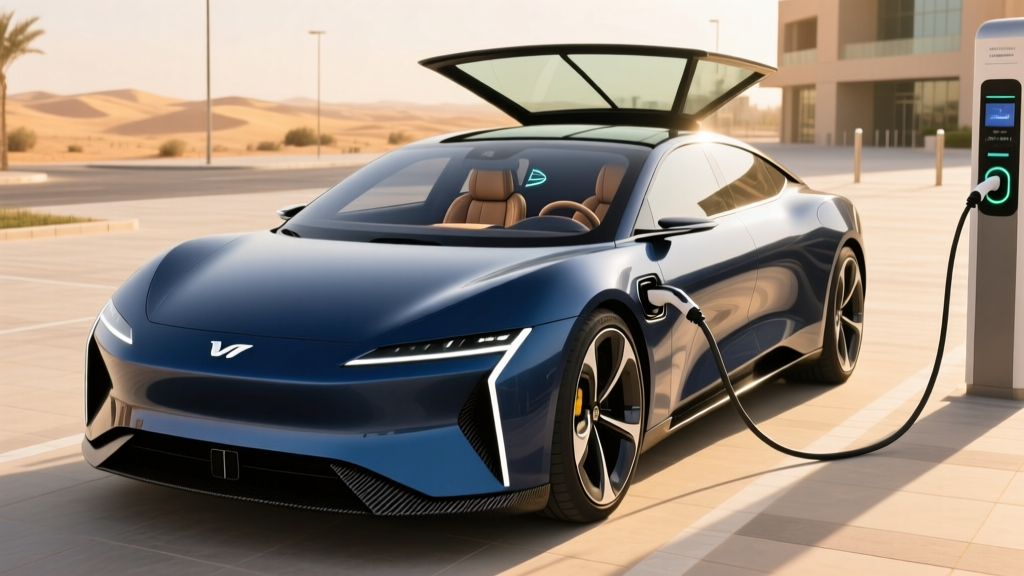
Lucid's 900V+ architecture enables some of the fastest DC charging in the segment, though sustained rates matter more than peak numbers. The Air Grand Touring and Touring accept up to 300 kW peak on a compatible DC fast charger, while the Pure peaks around 220 kW.
| Spec | Pure RWD | Touring / Grand Touring / Sapphire |
|---|---|---|
| Max DC Fast Charge (kW) | 220 | 300 |
| 10-80% DC Time (min) | ~25 | ~20 |
| Level 2 Home Charge (kW) | 19.2 | 19.2 |
| Miles Added per Hour (L2) | ~60 | ~74 (GT) |
| Charge Port | CCS1 (NACS adapter included) | |
The charge curve is critical context: the Air peaks at 300 kW only between roughly 10-30% state of charge (SoC), then tapers progressively. From 50-80%, expect sustained rates closer to 120-150 kW. This means the advertised 20-minute 10-80% time assumes an ideal 350 kW-rated charger with preconditioned battery. On a 150 kW Electrify America stall, plan for 30-35 minutes for the same session.
At home, the Air's 19.2 kW onboard charger is among the fastest in the industry — most EVs top out at 11.5 kW. This requires a 100-amp dedicated circuit and a hardwired Level 2 station (such as the Lucid Connected Home charger). With a 240V/80A installation, you'll recover roughly 60-74 miles of range per hour of charging, meaning a full overnight session easily replenishes any daily driving.
Performance, Drivetrain, and the Sapphire Exception
Even the "base" Air Pure RWD delivers 430 horsepower and a 0-60 mph time of 5.0 seconds — quick by any luxury sedan standard. The dual-motor AWD Touring bumps output to 620 hp (3.4 seconds), while the Grand Touring pushes 819 hp (3.0 seconds). The Sapphire, Lucid's tri-motor halo model, produces a staggering 1,234 hp and hits 60 mph in 1.89 seconds, rivaling hypercars at a fraction of the price.
| Trim | Drivetrain | Horsepower | 0-60 mph (sec) | Top Speed (mph) |
|---|---|---|---|---|
| Pure RWD | Rear-Wheel Drive | 430 | 5.0 | 145 |
| Touring AWD | Dual-Motor AWD | 620 | 3.4 | 145 |
| Grand Touring AWD | Dual-Motor AWD | 819 | 3.0 | 168 |
| Sapphire AWD | Tri-Motor AWD | 1,234 | 1.89 | 205 |
All trims feature adaptive air suspension (except Pure, which uses a conventional steel setup) and Lucid's torque-vectoring AWD system on dual- and tri-motor variants. The Air's ride quality is genuinely impressive — compliant over rough pavement yet composed during aggressive cornering, thanks to a low center of gravity from the floor-mounted battery pack.
Pricing, Trim Levels, and Federal Tax Credit Eligibility
Lucid has aggressively repositioned the Air lineup for 2026, with the Pure RWD starting below $70,000 to broaden its appeal. Here's the current MSRP breakdown:
| Trim | Base MSRP | As-Tested (typical options) | §30D Credit Eligible? |
|---|---|---|---|
| Pure RWD | $69,900 | $72,500 | Potentially ($3,750-$7,500)* |
| Touring AWD | $87,400 | $92,000 | No (exceeds MSRP cap) |
| Grand Touring AWD | $125,600 | $134,000 | No (exceeds MSRP cap) |
| Sapphire AWD | $249,000 | $249,000 | No (exceeds MSRP cap) |
*Under current IRS §30D rules, the federal EV tax credit provides up to $7,500 for qualifying new EVs. However, sedans must have an MSRP at or below $55,000 to qualify — meaning only a discounted or specially equipped Pure RWD that lands at or under the cap could be eligible. Additionally, buyers must meet income caps ($150,000 single / $300,000 joint AGI), and the vehicle must satisfy critical-mineral and battery-component sourcing requirements that shift annually. The credit can now be transferred to the dealer at point of sale, effectively reducing the purchase price. Consult a tax professional for your specific eligibility.
Interior Space, Cargo, and Technology
The Air's cabin blends minimalist luxury with genuine spaciousness. Rear legroom measures 36.3 inches — adequate for adults but not class-leading against the Mercedes EQS (41.1 inches). The glass canopy roof creates an airy, open feel, and the available Executive Rear Seat package adds reclining, massaging rear outboard seats.
| Measurement | Specification |
|---|---|
| Front Headroom | 38.5 in |
| Rear Headroom | 36.8 in |
| Front Legroom | 41.1 in |
| Rear Legroom | 36.3 in |
| Trunk (rear) | 22.1 cu ft |
| Frunk (front) | 7.1 cu ft |
| Total Cargo | 29.2 cu ft |
The 34-inch curved glass cockpit display (Lucid calls it the "Glass Canopy") handles instrumentation and infotainment. A secondary lower touchscreen manages climate and secondary functions. Wireless Apple CarPlay and Android Auto are standard. The available 21-speaker Surreal Sound Pro system with Dolby Atmos is one of the best audio setups in any vehicle, period.
On the driver-assistance front, Lucid's DreamDrive Pro system uses 32 sensors including LiDAR (on Grand Touring and above) for adaptive cruise control, lane-keeping, and automated parking. Per NHTSA SAE classification, DreamDrive is a Level 2 system — the driver must remain fully engaged and hands-on at all times. It is not self-driving, and Lucid does not market it as such. The system performs competently on highways but lacks the hands-free capability of GM's Super Cruise or Ford's BlueCruise on mapped roads.
Warranty, Ownership Costs, and Long-Term Value
Lucid provides competitive warranty coverage:
- Basic Vehicle: 4 years / 50,000 miles
- Battery & Powertrain: 8 years / 100,000 miles (covers capacity loss below 70% of original)
- Roadside Assistance: 4 years / 50,000 miles
The 70% capacity retention threshold is industry-standard, though some competitors (like Tesla) use the same figure. Lucid's NMC battery pack is liquid-cooled with sophisticated thermal management, which should support long-term health. Early 2022-2023 Air owners have reported minimal degradation — typically 3-5% loss after 30,000-40,000 miles — though long-term data beyond five years remains limited.
Insurance costs run higher than average for the segment. Expect annual premiums of $2,800-$4,200 depending on trim, location, and driving record, per industry estimates. Service centers remain limited outside major metro areas, though Lucid has expanded mobile service capabilities.
Lucid Air vs. Key Competitors
Pros
- Best-in-class EPA range (516 mi Grand Touring)
- Industry-leading efficiency (kWh/100 mi)
- 300 kW peak DC charging (Touring/GT/Sapphire)
- 19.2 kW onboard L2 charging (fastest available)
- Extraordinary performance across lineup
- Spacious, premium interior with excellent audio
- Saudi PIF backing provides financial stability
Cons
- Most trims exceed §30D tax credit MSRP cap
- Limited service center network
- Higher insurance premiums
- DreamDrive ADAS trails Tesla/GM hands-free features
- Rear legroom less than Mercedes EQS
- Brand awareness and resale value unproven
- Charging curve tapers significantly above 50% SoC
Against the Tesla Model S, the Air wins on range, efficiency, and interior luxury, but loses on charging infrastructure (Tesla's Supercharger network remains the gold standard) and software ecosystem. The Mercedes EQS offers a more opulent cabin and broader dealer network but can't match the Air's efficiency or range. The BMW i7 is a more traditional luxury play with better service infrastructure but significantly less range (318 miles EPA for the xDrive60).
Decision Framework
Choose the Lucid Air if: You prioritize maximum range and efficiency, want a luxury sedan that stands apart from Tesla, have reliable home Level 2 charging, and live near a Lucid service center or major metro area.
Choose a competitor if: You need a robust dealer/service network in rural areas (BMW, Mercedes), want hands-free highway driving on mapped roads (GM Super Cruise), or rely heavily on the Tesla Supercharger network for road trips.
Who Should Buy the 2026 Lucid Air?
The Air is best suited for tech-forward luxury sedan buyers who prioritize efficiency and range above brand cachet. It's an outstanding commuter vehicle — the Pure RWD's 419-mile range means many owners will charge only once per week. For road trippers, the Grand Touring's 516-mile range and 300 kW charging capability minimize stops, though you'll need to plan around CCS-compatible DC fast chargers (or use the included NACS adapter for Tesla Superchargers, which now support non-Tesla EVs at many locations).
The Air is not ideal for buyers who need maximum rear-seat space for tall passengers regularly (look at the EQS), those who want a proven service network in smaller cities, or anyone banking on the $7,500 federal tax credit to make the math work.
Frequently Asked Questions
What is the real-world range of the Lucid Air?
The Grand Touring's EPA estimate is 516 miles, but expect 410-450 miles in real-world highway driving at 70-75 mph, and roughly 360-390 miles in cold weather below 30°F. City driving with regenerative braking can approach or exceed the EPA number. The Pure RWD delivers roughly 340-370 real-world highway miles from its 419-mile EPA rating.
How fast does the Lucid Air charge at home and on the road?
On a 350 kW-rated DC fast charger, the Touring/Grand Touring/Sapphire peaks at 300 kW and charges from 10-80% in approximately 20 minutes (with battery preconditioning). At home on a 19.2 kW Level 2 charger, the Air adds roughly 60-74 miles of range per hour — a full overnight charge easily covers any daily driving.
Does the Lucid Air qualify for the federal EV tax credit?
Most trims do not. Under IRS §30D rules, sedans must have an MSRP at or below $55,000 to qualify. The Air Pure RWD starts at $69,900, exceeding this cap. Buyers must also meet income limits ($150,000 single / $300,000 joint) and the vehicle must satisfy battery-sourcing requirements. Always verify current eligibility on IRS.gov and consult a tax professional.
Is the Lucid Air worth buying over a Tesla Model S or Mercedes EQS?
The Air offers superior range, efficiency, and charging speed versus both rivals, plus a more distinctive design. The Model S wins on Supercharger access and software features; the EQS wins on rear-seat space and dealer network breadth. If range and efficiency are your top priorities and you have home charging, the Air is arguably the best electric sedan on the market.
How does Lucid's Saudi Arabia ownership affect buyers?
The PIF's majority stake provides financial stability that reduces the risk of Lucid folding (a genuine concern with EV startups). It also funds continued R&D and factory expansion. For buyers, this means greater confidence in long-term parts availability and warranty support, though Lucid's service network remains smaller than legacy automakers.
What is the Lucid Air's battery warranty?
Lucid covers the battery and powertrain for 8 years or 100,000 miles, whichever comes first. The warranty guarantees the battery will retain at least 70% of its original capacity during the coverage period. This is consistent with industry standards from Tesla, BMW, and Mercedes-Benz.