Why Lucid Stock and Uber Are Trending Together
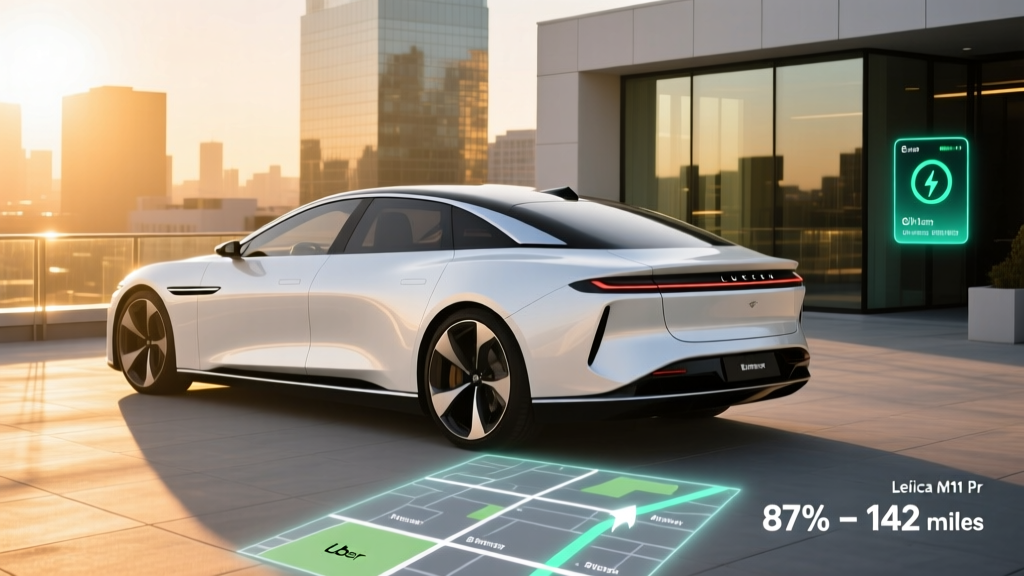
Search interest in Lucid stock Uber has spiked as investors and EV shoppers digest the implications of Uber's expanding partnerships with autonomous-vehicle platforms — and Lucid's positioning as a premium EV maker with a potential robotaxi supply angle. But beyond the ticker chatter, there's a real car at the center of this: the 2026 Lucid Air Pure, the brand's most accessible sedan, which starts at a price point that actually competes with the Tesla Model S and BMW i5.
This review cuts through the stock-market noise and evaluates the Lucid Air Pure on the metrics that matter to buyers: real-world range, charging speed, interior space, tax-credit eligibility, and whether it's worth your money versus key rivals.
Lucid Air Pure: Full Spec Sheet at a Glance
| Attribute | 2026 Lucid Air Pure (RWD) |
|---|---|
| EPA Range | 419 miles |
| Real-World Range (highway 75 mph) | ~340–360 miles |
| Real-World Range (cold weather, 30°F) | ~300–330 miles |
| Battery Capacity | 88 kWh usable (NMC lithium-ion) |
| Drivetrain | Rear-wheel drive (single motor) |
| Horsepower | 430 hp |
| 0–60 mph | 5.0 seconds |
| MPGe (combined) | 140 MPGe |
| Efficiency | 24 kWh / 100 mi |
| Max DC Fast Charge | 200 kW (peak) |
| 10–80% DC Charge Time | ~25 minutes |
| Level 2 Home Charging | 19.2 kW onboard (~70 mi/hr) |
| Cargo Volume | 32 cu ft (trunk + frunk combined) |
| Rear Legroom | 36.3 inches |
| Battery Warranty | 8 years / 100,000 miles |
| Base MSRP | $69,900 |
Range and Efficiency: The Real Story Behind 419 Miles
EPA Estimate: 419 miles
Real-World Highway (70–80 mph): Expect 340–360 miles. Lucid's aerodynamic drag coefficient (0.197 Cd) helps at speed, but sustained highway driving still cuts into the sticker figure.
Cold Weather (below 35°F): Plan for 300–330 miles. The Air Pure's heat pump and thermal management mitigate losses, but NMC chemistry still sees 15–25% range reduction in freezing conditions.
City / Commute Driving: 390–415 miles is achievable thanks to aggressive regenerative braking and low-speed efficiency.
The Air Pure's efficiency is genuinely class-leading. At 24 kWh per 100 miles (140 MPGe combined per fueleconomy.gov), it extracts more miles per kilowatt-hour than the Tesla Model S Long Range (131 MPGe) or the Mercedes EQS 450+ (97 MPGe). This efficiency is what lets a relatively modest 88 kWh battery deliver over 400 miles of EPA range.
For context, that 88 kWh pack uses NMC (nickel manganese cobalt) chemistry, which prioritizes energy density over the cycle-life longevity of LFP. In practice, NMC degradation typically runs 2–3% per year under normal use, and Lucid's battery management system includes a substantial buffer to protect long-term State of Health.
Charging Speed: DC Fast and Home Level 2 Breakdown
| Charging Level | Power | Speed (Miles Added) | Notes |
|---|---|---|---|
| Level 1 (120V household) | ~1.4 kW | ~4–5 mi/hr | Emergency / overnight trickle only |
| Level 2 (240V home, 48A) | 11.5 kW | ~42 mi/hr | Standard home wall connector |
| Level 2 (240V, 80A circuit) | 19.2 kW (max onboard) | ~70 mi/hr | Requires 100A breaker; fastest home option |
| DC Fast Charge | 200 kW peak | ~12 mi/min at peak | 10–80% in ~25 min; tapers above 80% |
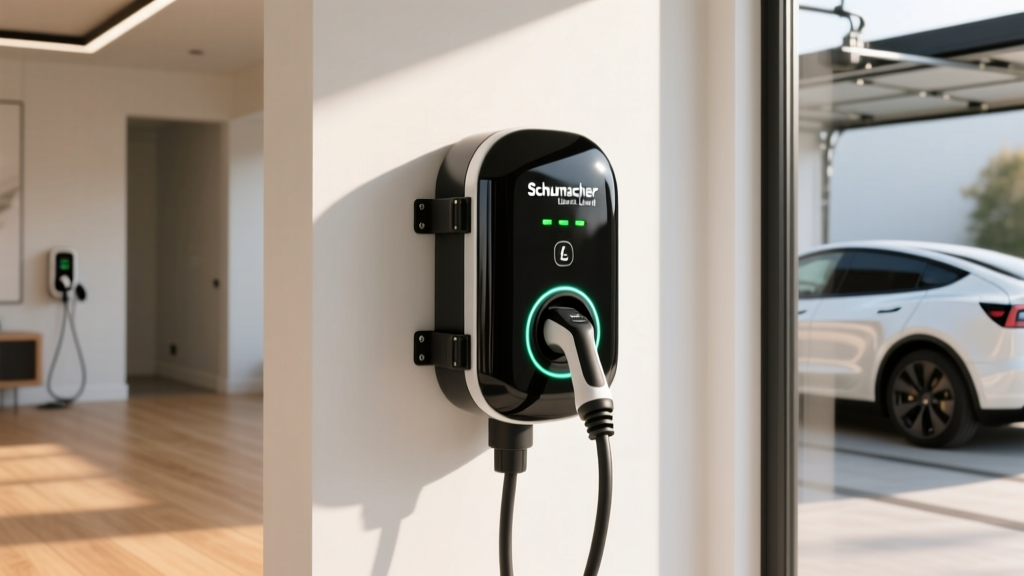
The Air Pure's 19.2 kW onboard charger is among the fastest in any production EV. Most competitors (including the Tesla Model S at 11.5 kW and the BMW i5 at 11 kW) charge at roughly half this rate on Level 2. If your electrical panel supports a 100-amp dedicated circuit, you can add roughly 70 miles of range per hour of home charging — meaning a full overnight session easily replenishes even a near-empty battery.
On DC fast charging, the 200 kW peak is respectable but not class-leading. The Hyundai Ioniq 6 and Porsche Taycan both exceed 250 kW peak. The Air Pure's charge curve holds strong through about 60% State of Charge before tapering, which is why the 10–80% time lands at roughly 25 minutes on a capable 350 kW station (such as Electrify America or EVgo's latest hardware). On older 150 kW chargers, expect 30–35 minutes for the same session.
Preconditioning note: The Air Pure's navigation-linked battery preconditioning warms the pack before you arrive at a DC fast charger, which is essential for hitting peak charge rates in cool weather. Always navigate to the charger rather than just driving there manually.
Performance and Driving Impressions
The single-motor RWD Air Pure produces 430 horsepower and hits 0–60 mph in 5.0 seconds. That's quick by any sedan standard — roughly matching a BMW 540i — and the instant torque delivery makes it feel quicker than the number suggests in around-town driving.
The Air's low center of gravity (battery pack under the floor) and well-tuned air suspension deliver a ride that prioritizes comfort without feeling floaty. Road noise isolation is excellent, aided by the laminated glass and aerodynamic body. The steering is precise but light, which suits the grand-tourer character.
The DreamDrive ADAS suite is a SAE Level 2 driver-assistance system — meaning it handles adaptive cruise control and lane centering simultaneously, but the driver must remain fully engaged at all times. It is not autonomous driving. The system is competent for highway cruising but falls short of Tesla's FSD (Supervised) or GM's Super Cruise in terms of hands-off capability and mapping coverage.
Interior, Tech, and Cargo Space
The Air Pure's cabin is minimalist in a way that will polarize buyers. A single 34-inch curved glass cockpit display dominates the dash, replacing traditional gauges and a separate infotainment screen. There's no head-up display on the Pure trim (reserved for higher trims).
Cargo: The rear trunk offers 22.1 cu ft, and the front trunk (frunk) adds approximately 10 cu ft, for a combined 32 cu ft. That's generous for a sedan and enough for two large suitcases plus carry-ons in the trunk alone.
Rear seat: Legroom measures 36.3 inches — adequate for adults on shorter trips but tighter than a Mercedes EQS (39.2 inches). The seat cushion is relatively low, which affects under-thigh support on longer journeys. This is a known trade-off in the Air's packaging.
Infotainment: Lucid's software has improved substantially since the 2022 launch. Wireless Apple CarPlay and Android Auto are standard, the native navigation is solid, and over-the-air updates continue to add features. However, the reliance on the touchscreen for climate controls (no physical knobs) remains a frustration for some drivers.
Pricing, Tax Credits, and the Uber Connection
| Item | Amount |
|---|---|
| 2026 Lucid Air Pure Base MSRP | $69,900 |
| Destination Charge | $1,500 |
| Federal §30D Tax Credit (if eligible) | Up to $7,500 |
| Effective Price (with full credit, point-of-sale) | ~$63,900 |
Does the Lucid Air Pure qualify for the federal EV tax credit? This is where IRS §30D rules require careful attention. The Air Pure's MSRP of $69,900 is under the $55,000 sedan cap — wait, it is not. The §30D MSRP cap for sedans is $55,000, and at $69,900, the Air Pure does not qualify for the new-vehicle federal tax credit. This is a significant consideration for price-sensitive buyers.
However, buyers should check for:
- State and local incentives — California, Colorado, Massachusetts, and others offer separate rebates that may apply regardless of federal eligibility. Check your state's energy office for current programs.
- Lease loophole (§45W commercial credit) — Leasing an EV passes the commercial clean vehicle credit to the lessor, who may pass savings to the lessee. Lucid has periodically offered lease incentives that effectively reduce monthly payments. Confirm current lease terms directly with Lucid.
- Used Air inventory — The §25E used EV credit (up to $4,000) applies to pre-owned EVs priced at $25,000 or less, which won't apply to recent Air models for some time.
The Uber angle for investors: Lucid has explored fleet and ride-hail partnerships, and Uber's push to electrify its platform (Uber Green, Zero Emissions target by 2040) makes Lucid a speculative play on premium EV fleet adoption. However, the Air's price point and sedan form factor make it less likely for mainstream UberX use and more relevant for Uber Black or premium tiers. Investors should review Lucid's investor relations filings for concrete fleet-order data rather than speculating on headline partnerships.
For the latest federal credit rules and vehicle eligibility, always verify on IRS.gov §30D guidance, as battery-sourcing and critical-mineral requirements continue to evolve.
Warranty and Ownership Costs
Lucid covers the Air Pure's battery and drive unit with an 8-year / 100,000-mile warranty, with a capacity-retention threshold of 70% of original capacity. This matches the industry standard (Tesla, BMW, Mercedes all offer 8 years, though mileage limits vary between 100K and 150K).
The limited vehicle warranty is 4 years / 50,000 miles, which is slightly below BMW's 4/50 and Mercedes' 4/50 — effectively identical. Free scheduled maintenance is included for the first year or 12,000 miles.
Insurance costs: Expect premiums 15–25% higher than a comparable BMW 5 Series or Mercedes E-Class, based on the Air's repair costs and low-volume production. Get a quote before purchasing — this is a line item many EV buyers overlook.
Depreciation: Lucid's residual values remain less established than Tesla's or Porsche's. Early data suggests the Air depreciates faster than a Model S in the first two years, partly due to brand-new status and limited service-center density. If you plan to sell within 3 years, leasing may be the financially safer option.
How It Compares: Air Pure vs. Model S vs. BMW i5
The Air Pure occupies a specific niche: it's the efficiency-and-range leader in the luxury electric sedan segment, but it trades some charging speed, service infrastructure, and brand cachet for that advantage.
- Tesla Model S Long Range (~$74,990): More Supercharger access, faster DC charging (250 kW), better ADAS (FSD Supervised), stronger resale. But lower efficiency (131 MPGe vs 140 MPGe) and less rear-seat comfort.
- BMW i5 eDrive40 (~$66,800): Lower starting price, more traditional luxury interior, better dealer/service network. But significantly less range (295 mi EPA) and slower charging (11 kW Level 2).
- Mercedes EQS 450+ (~$75,900): More rear-seat luxury, available rear-axle steering, MBUX Hyperscreen option. But heavier, less efficient (97 MPGe), and only 352 miles EPA range.
Pros and Cons
Pros
- Class-leading 419-mile EPA range and 140 MPGe efficiency
- Industry-best 19.2 kW Level 2 home charging
- Spacious trunk + frunk (32 cu ft combined)
- Quiet, comfortable ride with air suspension
- Strong 0–60 performance (5.0 sec) from single motor
Cons
- Does NOT qualify for §30D federal tax credit (MSRP above $55K sedan cap)
- DC fast charging peaks at 200 kW — slower than Tesla, Porsche, Hyundai
- Limited service-center network vs. legacy automakers
- Rear seat legroom tight for the class (36.3 in)
- Touchscreen-only climate controls; no physical knobs
- Depreciation and resale values less proven than competitors
Who Should Buy the Lucid Air Pure?
The Air Pure is best suited for:
- Range-priority commuters who drive 60–100 miles daily and want to charge at home just 2–3 times per week
- Road-trip enthusiasts who value fewer charging stops over fastest possible charging speed
- Home-charging optimizers with robust electrical panels who can exploit the 19.2 kW onboard charger
- Buyers who don't need the federal credit or can benefit from a lease structure
It is not the best pick if you need maximum fast-charging speed for frequent long highway trips (consider the Ioniq 6 or Taycan), if federal tax credit eligibility is essential to your budget (look at the Tesla Model 3, Hyundai Ioniq 5, or Chevrolet Equinox EV), or if proximity to a service center is a priority (BMW i5 or Mercedes EQS).
Frequently Asked Questions
What is the real-world range of the Lucid Air Pure?
Expect 340–360 miles on the highway at 75 mph, and 390–415 miles in city/commute driving. In cold weather (below 35°F), plan for 300–330 miles. The EPA sticker of 419 miles is achievable only under ideal conditions.
How fast does the Lucid Air Pure charge?
On DC fast charging, it peaks at 200 kW and charges 10–80% in about 25 minutes. At home on a 240V / 80A circuit, the 19.2 kW onboard charger adds roughly 70 miles of range per hour — the fastest Level 2 rate in any production EV sedan.
Does the Lucid Air Pure qualify for the $7,500 federal EV tax credit?
No. Under current IRS §30D rules, the MSRP cap for sedans is $55,000, and the Air Pure starts at $69,900. It does not qualify for the new-vehicle federal credit. State incentives and lease structures may offer alternative savings.
How does the Lucid Air Pure compare to the Tesla Model S?
The Air Pure wins on efficiency (140 vs 131 MPGe) and home charging speed (19.2 kW vs 11.5 kW). The Model S wins on DC fast charging (250 kW vs 200 kW), Supercharger network access, ADAS capability, and established service infrastructure.
What does Lucid's partnership with Uber mean for car buyers?
As of 2026, Lucid and Uber have explored premium fleet and ride-hail integration, primarily relevant for Uber Black tiers. For retail buyers, this partnership signals Lucid's push to diversify revenue beyond direct consumer sales. It does not directly change the Air Pure's specs, pricing, or features.
Is the Lucid Air Pure a self-driving car?
No. The DreamDrive system is SAE Level 2, meaning it provides adaptive cruise and lane centering but requires the driver to remain fully attentive and in control at all times. It is not a Level 4 autonomous vehicle like a Waymo robotaxi.