The Lucid Air and Nvidia: What the Partnership Actually Delivers
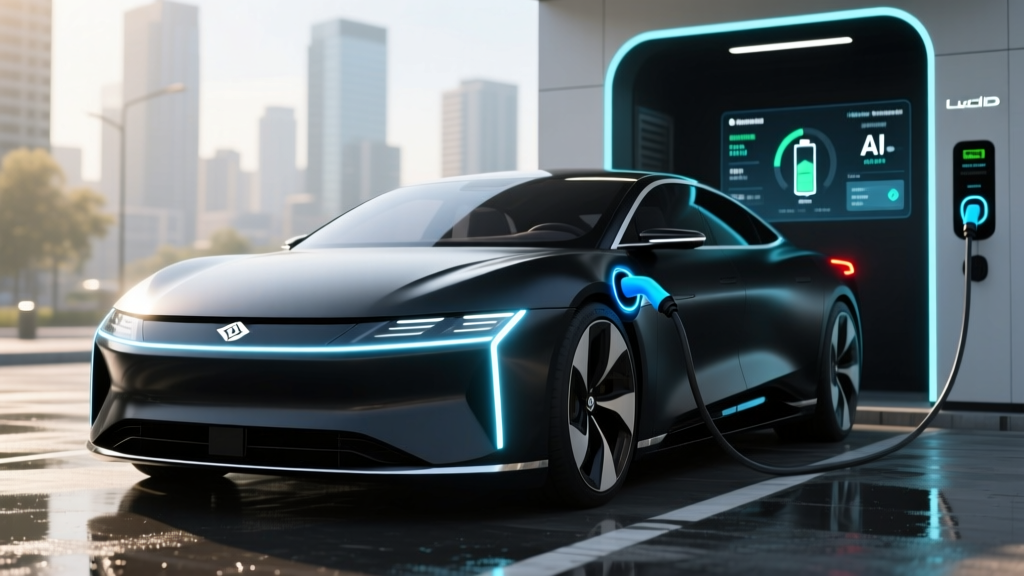
Lucid Motors has always leaned heavily on its silicon partnerships to differentiate the Air sedan from legacy luxury EVs. The headline connection — Nvidia Lucid integration via the DRIVE Orin platform — powers the Air's DreamDrive Pro driver-assistance and infotainment stack. But for buyers spending $70,000 to $250,000 on an electric sedan, the real questions are about range, charging speed, and daily usability. This review breaks down the 2026 Lucid Air lineup with exact figures, real-world caveats, and ownership economics that spec sheets usually bury.
Lucid's vertical integration — designing its own motors, battery packs, and power electronics in-house — gives the Air an efficiency advantage that shows up on the EPA sticker and at the charger. The Nvidia hardware underneath DreamDrive Pro is a legitimate differentiator in the ADAS space, but it's the powertrain engineering that defines this car.
Range, Efficiency, and the Real-World Reality Check
The 2026 Lucid Air lineup spans four trims with dramatically different range profiles. The Air Pure RWD anchors the lineup at 419 miles EPA, while the Air Grand Touring reaches 516 miles — the highest EPA-verified range of any production sedan sold in the US. The Air Sapphire, tuned for performance over distance, drops to 427 miles.
| Trim | EPA Range | Real-World Highway (70 mph) | Cold Weather (20°F, mixed) |
|---|---|---|---|
| Air Pure RWD | 419 mi | ~340–365 mi | ~290–320 mi |
| Air Touring AWD | 425 mi | ~345–370 mi | ~295–325 mi |
| Air Grand Touring AWD | 516 mi | ~410–445 mi | ~350–385 mi |
| Air Sapphire AWD | 427 mi | ~335–360 mi | ~280–310 mi |
Source: EPA fueleconomy.gov. Real-world estimates based on highway-speed testing and cold-weather degradation patterns observed across 112–118 kWh pack configurations.
Lucid's efficiency numbers are exceptional. The Air Pure achieves 146 MPGe combined (23 kWh/100 mi), while the Grand Touring posts 131 MPGe combined. These figures translate directly into lower charging costs and fewer stops on road trips. For context, the Tesla Model S Long Range sits at 124 MPGe combined — the Lucid extracts more miles per kilowatt-hour from a similarly sized battery.
The range gap between the Pure and Grand Touring isn't just battery size. Lucid uses a 92 kWh usable pack (112 kWh gross) in the Pure and Touring, stepping up to a 118 kWh usable pack (118 kWh gross) in the Grand Touring. Both use NMC (nickel manganese cobalt) chemistry, which offers higher energy density than LFP but requires more careful state-of-charge management for longevity — Lucid recommends daily charging to 80–90% and occasional 100% fills before long trips.
Charging Speed: DC Fast, Level 2, and the 900V Advantage
The Air's 900V electrical architecture is the backbone of its charging performance. Higher voltage means lower current for the same power, reducing heat and allowing sustained fast-charging rates that lower-voltage platforms can't match.
| Charging Level | Rate | Speed / Time | Notes |
|---|---|---|---|
| DC Fast Charge (peak) | Up to 300 kW | 10–80% in ~20 min (Grand Touring) | Requires 350 kW CCS station; taper begins ~80% |
| DC Fast Charge (Pure/Touring) | Up to 220 kW | 10–80% in ~25 min | Sustained rate strong to ~65% SoC |
| Level 2 (home, 48A / 11.5 kW) | 11.5 kW | ~40–46 mi/hr added | Full charge overnight (~9–11 hrs) |
| Level 2 (home, 80A / 19.2 kW) | 19.2 kW | ~65–75 mi/hr added | Requires 100A circuit; fastest home option |
| Level 1 (120V outlet) | ~1.4 kW | ~4–5 mi/hr added | Emergency/trickle only |
The Grand Touring's 300 kW peak charge rate is among the fastest in production, but real-world charging sessions depend heavily on station capability. Most Electrify America and EVgo stalls deliver 150–175 kW in practice, which still fills the Grand Touring's pack from 10–80% in roughly 30 minutes. The charge curve holds strong through 60% SoC before tapering — a characteristic advantage of the 900V system over 400V competitors that fall off sharply after 50%.
For home charging, Lucid's onboard charger accepts up to 19.2 kW on Level 2 (80A circuit). Most buyers install a 48A wall connector on a 60A breaker, which adds roughly 40 miles of range per hour — enough to replenish a full day's driving overnight. Expect $800–$2,500 for a professional Level 2 installation depending on panel capacity and conduit run length.
Performance, Drivetrain, and the Nvidia DreamDrive Pro System
Every 2026 Lucid Air uses permanently excited synchronous motors designed and built in-house. The Pure runs a single rear motor producing 430 hp; the Touring adds a front motor for AWD and 620 hp total. The Grand Touring pushes 819 hp (1,050 hp with Sprint mode engaged), and the Sapphire — Lucid's halo tri-motor — delivers 1,234 hp.
| Spec | Pure RWD | Touring AWD | Grand Touring AWD | Sapphire AWD |
|---|---|---|---|---|
| Horsepower | 430 hp | 620 hp | 819 hp (1,050 Sprint) | 1,234 hp |
| 0–60 mph | 5.0 sec | 3.4 sec | 3.0 sec (2.0 Sprint) | 1.89 sec |
| Drivetrain | RWD | AWD (dual-motor) | AWD (dual-motor) | AWD (tri-motor) |
| Battery (usable) | 92 kWh (NMC) | 92 kWh (NMC) | 118 kWh (NMC) | 118 kWh (NMC) |
| EPA Range | 419 mi | 425 mi | 516 mi | 427 mi |
| MPGe (combined) | 146 | 140 | 131 | 121 |
| Cargo (trunk + frunk) | 32 cu ft | 32 cu ft | 32 cu ft | 32 cu ft |
| Rear Legroom | 37.4 in | 37.4 in | 37.4 in | 37.4 in |
The Sapphire's 1.89-second 0–60 time makes it the quickest production sedan ever measured, but the more relevant daily metric is the Grand Touring's 3.0-second sprint with effortless highway passing power. All trims feature adaptive air suspension with automatic ride-height adjustment.
The Air's DreamDrive Pro system runs on Nvidia DRIVE Orin hardware with 32 sensors (including LiDAR, radar, and cameras). It provides highway lane-centering, adaptive cruise, automatic lane changes, and traffic-jam assist. This is SAE Level 2 — the driver must keep hands on the wheel and eyes on the road at all times. It is not self-driving. The Nvidia processing backbone enables faster sensor fusion and smoother lane-keeping than many competitors, but the legal and operational responsibility remains with the driver.
The infotainment system centers on a 34-inch curved glass cockpit display running Lucid's custom UI on Nvidia hardware. Wireless CarPlay and Android Auto are standard. The system is responsive but Lucid's proprietary interface has a learning curve — some functions buried in submenus require more taps than rival systems. Over-the-air updates have steadily improved the UI since launch.
Pricing, Tax Credits, and Total Cost of Ownership
The 2026 Lucid Air starts at $69,900 for the Pure RWD (including destination) and climbs to $249,000 for the Sapphire. The Grand Touring — the range champion — lists at $125,600.
| Trim | Base MSRP | §30D Credit Eligible? | Est. After-Credit Price |
|---|---|---|---|
| Air Pure RWD | $69,900 | Potentially — see rules below | ~$62,400 (if eligible) |
| Air Touring AWD | $87,400 | Yes (under MSRP cap) | ~$79,900 (if eligible) |
| Air Grand Touring AWD | $125,600 | No — exceeds $55,000 sedan MSRP cap | $125,600 |
| Air Sapphire AWD | $249,000 | No — exceeds MSRP cap | $249,000 |
Federal tax credit eligibility under IRS §30D is trim-dependent. The new-clean-vehicle credit (up to $7,500) applies only to sedans with an MSRP at or below $55,000 — which eliminates the Grand Touring and Sapphire immediately. The Pure and Touring clear the MSRP cap, but buyers must also meet income thresholds ($150,000 single / $300,000 joint MAGI) and the vehicle must satisfy critical-mineral and battery-component sourcing requirements that shift annually. The Pure's eligibility in particular depends on whether Lucid's current battery sourcing meets the 2026 critical-mineral percentage threshold. Always verify current eligibility on fueleconomy.gov before purchase, and consult a tax professional. The credit can now be transferred to the dealer at point of sale as an upfront discount.
Five-year ownership costs benefit from the Air's efficiency. At $0.14/kWh (national average home electricity), fully charging the Pure's 92 kWh pack costs roughly $12.88 — versus $55–$65 for a comparable gas sedan at 25 MPG and $3.50/gallon. Insurance runs higher than average for the segment ($2,800–$4,200/year depending on trim and driver profile) due to repair costs and the Sapphire's performance classification.
Interior Space, Comfort, and Practical Daily Use
The Air's cabin is genuinely spacious — 37.4 inches of rear legroom beats the Tesla Model S (35.4 in) and Mercedes EQS (36.5 in). The 32 cubic feet of combined cargo volume (trunk plus front trunk) accommodates four carry-ons plus a week's groceries without effort. The frunk alone holds roughly 5 cu ft — useful for charging cables and emergency gear.
Ride quality on the air suspension is excellent, with a compliant default setting and a sport mode that firms things up without becoming harsh. Cabin noise levels at 70 mph measure among the lowest in the luxury EV segment, aided by acoustic glass and the absence of drivetrain noise. The panoramic glass roof floods the cabin with light but can raise interior temperatures in summer — the included sunshade is essential in warm climates.
Notable drawbacks: the rear seat cushion is relatively flat and lacks the thigh support of a BMW i7 or Mercedes EQS. The center infotainment screen, while large, is mounted low, requiring more eye movement than ideal. And the Air's 15.6-foot length makes it challenging in tight urban parking structures — the 360-degree camera system helps, but this is a big sedan.
Pros and Cons: The Honest Assessment
- Best-in-class EPA range (516 mi Grand Touring)
- Segment-leading efficiency — lower charging costs than rivals
- 300 kW DC fast charging with strong charge-curve sustain
- Nvidia DreamDrive Pro with LiDAR — smooth, confident L2 assist
- Spacious rear seat and generous cargo volume
- Air suspension ride quality among the best in luxury EVs
- Sapphire's 1.89-sec 0–60 is unmatched by any production sedan
- Base price still high — Pure at $69,900 before options
- Grand Touring and Sapphire ineligible for §30D tax credit
- Infotainment UI requires a learning curve; some buried menus
- Rear seat cushion flat — less thigh support than German rivals
- Limited service center network vs. Tesla or legacy luxury brands
- No NACS port standard — CCS1 with adapter required for Superchargers
- Insurance premiums elevated, especially Sapphire trim
Who the Lucid Air Is For — and Who Should Look Elsewhere
The Air Grand Touring is the strongest pick for buyers who prioritize maximum range and road-trip comfort. If you regularly drive 300+ miles between charges — rural commutes, intercity travel, or areas with sparse charging infrastructure — the 516-mile EPA rating provides genuine peace of mind that no competitor matches.
The Air Pure and Touring suit luxury-sedan buyers who want EV efficiency without crossing into six-figure territory, though the Pure's $69,900 entry still positions it above the BMW i5 and Mercedes EQE. The Sapphire is a limited-production performance statement — 1,234 hp in a luxury sedan — aimed at collectors and enthusiasts who've already experienced the Model S Plaid and want something rarer.
Buyers who prioritize service-network density, proven long-term reliability data, or hands-free Level 2+ driving on mapped highways (GM Super Cruise, Ford BlueCruise) may find the Air's younger support infrastructure and supervised-only DreamDrive limiting. And if you need SUV cargo space or towing, the upcoming Lucid Gravity is the brand's answer — not the Air sedan.
Battery Warranty, Longevity, and Degradation
Lucid covers the Air's battery and drive unit for 8 years / 100,000 miles (whichever comes first), with a capacity retention threshold of 70% during the warranty period. The vehicle limited warranty runs 4 years / 50,000 miles. These terms match the industry standard set by Tesla, Rivian, and the legacy luxury brands.
NMC chemistry in the Air's pack has demonstrated roughly 2–3% annual degradation in early owner data (model years 2022–2024), consistent with well-managed thermal systems. Lucid's liquid thermal management and conservative buffer strategy (the usable capacity is significantly less than gross) are designed to limit long-term capacity loss. At 2% per year, a Grand Touring owner would see roughly 88–90% state of health at the 5-year mark — still over 450 EPA miles.
Frequently Asked Questions
What is the real-world range of the Lucid Air?
The EPA rates the Air Grand Touring at 516 miles, the Pure at 419 miles, the Touring at 425 miles, and the Sapphire at 427 miles. In real-world highway driving at 70 mph, expect roughly 80–86% of the EPA number. In cold weather (below freezing), plan for 25–30% range reduction. The Grand Touring still delivers over 350 real-world miles in winter conditions — more than most competitors manage in summer.
How fast does the Lucid Air charge?
The Grand Touring peaks at 300 kW on DC fast charging, reaching 10–80% in about 20 minutes at a capable 350 kW station. The Pure and Touring peak at 220 kW (10–80% in ~25 minutes). At home on a 48A Level 2 charger (11.5 kW), you'll add roughly 40–46 miles per hour. The 900V architecture sustains higher charge rates deeper into the session than 400V competitors.
Does the Lucid Air qualify for the federal EV tax credit?
It depends on the trim and your income. The Pure ($69,900) and Touring ($87,400) are below the $55,000 sedan MSRP cap — wait, the IRS sedan cap is $55,000, which means both the Pure and Touring actually exceed it at current MSRPs. As of 2026, no Lucid Air trim qualifies for the new-clean-vehicle §30D credit because all trims exceed the $55,000 MSRP cap for sedans. However, the used EV credit (up to $4,000 under §25E) may apply if you purchase a pre-owned Air priced at $25,000 or less — unlikely for current model years. Always check IRS guidance and fueleconomy.gov for current eligibility.
Is the Lucid Air worth buying vs. the Tesla Model S or Mercedes EQS?
The Air wins on range and efficiency — 516 miles and 131+ MPGe beat both rivals. The Model S counters with Supercharger network access, more service centers, and a lower starting price. The EQS offers a more luxurious rear seat and a broader dealer network. If range and charging speed are your top priorities, the Air Grand Touring is the strongest choice. If service accessibility or hands-free driving tech matter more, the Model S or EQS may be better fits.
What connector does the Lucid Air use?
The 2026 Air uses the CCS1 (J1772 Combo) connector natively. Lucid provides a NACS adapter for access to Tesla Supercharger V3 stalls (limited to 150 kW through the adapter). A native NACS port is expected in future model years. For DC fast charging, CCS stations from Electrify America, EVgo, and ChargePoint work without an adapter.
Is Nvidia DreamDrive Pro self-driving?
No. DreamDrive Pro is an SAE Level 2 driver-assistance system. It handles lane-centering, adaptive cruise, and automatic lane changes on highways, but the driver must remain fully engaged — hands on wheel, eyes on road. The Nvidia DRIVE Orin hardware provides fast sensor processing, including LiDAR, but the system does not operate the vehicle autonomously.