The Quick Answer
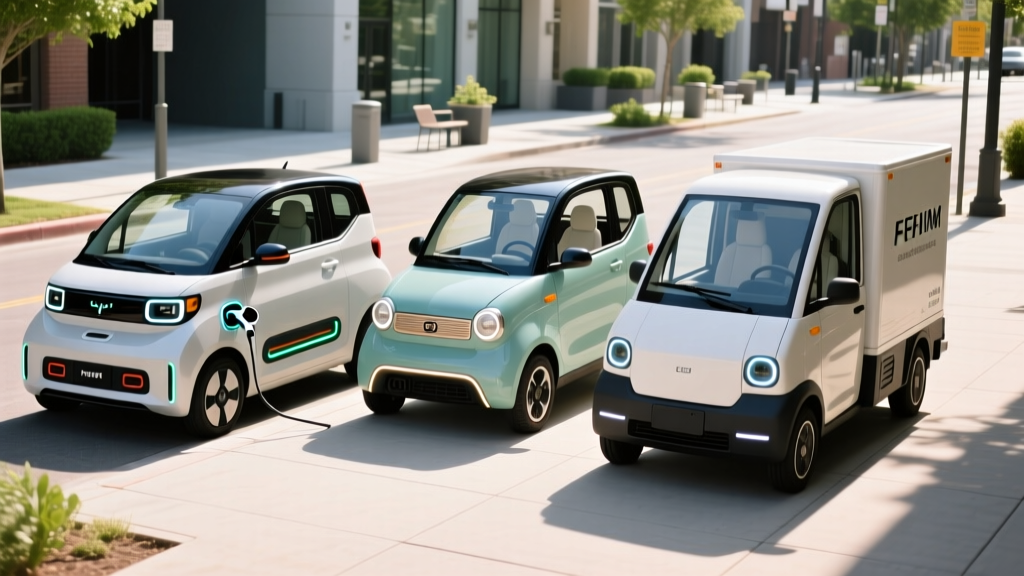
Low speed electric cars — legally classified as Neighborhood Electric Vehicles (NEVs) or Low-Speed Vehicles (LSVs) — are street-legal on roads with speed limits of 35 mph or less (varies by state). They typically offer 30–60 miles of range, top speeds of 20–25 mph, and price tags between $8,000 and $20,000. They're ideal for planned communities, college campuses, short errands in warm climates, and retirement areas. They are not substitutes for full-speed EVs — they lack highway capability, modern crash protection, DC fast charging, and the range for commutes over 30 miles round-trip.
What Exactly Is a Low Speed Electric Car?
A low speed electric car falls under the federal NHTSA Low-Speed Vehicle classification (FMVSS 500). To qualify as an LSV/NEV, the vehicle must:
- Have a top speed between 20 and 25 mph
- Be equipped with headlamps, turn signals, brake lights, mirrors, windshield (glazed or polycarbonate), parking brake, and seat belts
- Have a 17-digit VIN
- Be registered and insured in most states
These are not golf carts. Golf carts are typically limited to 15–20 mph, are not federally regulated as motor vehicles, and often cannot be legally driven on public roads without local ordinances. NEVs/LSVs occupy a regulated middle ground: more capable than golf carts, far less capable than a Chevrolet Bolt or Nissan Leaf.
Who Makes Low Speed Electric Cars in 2026?
The NEV market remains niche, but several manufacturers offer street-legal models with lithium-ion batteries replacing the old lead-acid packs. Here's what's available:
| Model | Top Speed | Range (Est.) | Battery | Charge Time (120V) | Base Price (MSRP) |
|---|---|---|---|---|---|
| Polaris GEM e2 | 25 mph | ~30 mi | ~7.5 kWh (Li-ion) | 6–8 hours | ~$12,500 |
| Polaris GEM e4 | 25 mph | ~30 mi | ~7.5 kWh (Li-ion) | 6–8 hours | ~$15,500 |
| Club Car Onward EV (LSV trim) | 25 mph | ~40 mi | ~10 kWh (Li-ion) | 6–8 hours | ~$14,000 |
| Wink LSV (Model 1) | 25 mph | ~40–50 mi | ~8–12 kWh (Li-ion) | 6–10 hours | ~$10,000 |
| ECO Drive Neighborhood EV | 25 mph | ~50–60 mi | ~15 kWh (Li-ion) | 8–10 hours | ~$18,000 |
Key takeaway: Battery capacities range from roughly 7 to 15 kWh. For context, a full-size EV like the Hyundai Ioniq 5 carries a 63–84 kWh battery. NEV batteries are tiny because the vehicles are light (1,200–2,200 lbs) and travel at low speeds, requiring far less energy.
Low Speed Electric Car vs. Gas Car vs. Used Full-Speed EV
If you're considering a low speed electric car, you're likely comparing it against keeping an older gas car or buying a used full-speed EV. Here's how the numbers stack up for a typical 5-mile round-trip errand scenario:
| Factor | NEV / Low Speed EV | Used Gas Car (e.g., 2018 Corolla) | Used Full-Speed EV (e.g., 2022 Bolt EV) |
|---|---|---|---|
| Purchase Price | $10,000–$18,000 | $12,000–$18,000 | $18,000–$25,000 |
| Range | 30–60 mi | 350+ mi | 200–259 mi (EPA) |
| Top Speed | 25 mph | 100+ mph | 90+ mph |
| Fuel / Energy Cost per Mile | ~$0.03–$0.05 | ~$0.12–$0.15 | ~$0.04–$0.06 |
| Annual Maintenance | $100–$250 | $800–$1,500 | $300–$600 |
| Insurance (Annual) | $400–$900 | $1,000–$1,800 | $1,200–$2,000 |
| Federal Tax Credit (§30D) | Not eligible (does not meet full MSRP/vehicle class requirements for new EV credit) | None | Potentially up to $4,000 used-EV credit if qualifying |
| Highway Capable? | No | Yes | Yes |
| Crash Protection | Minimal (no airbags, crumple zones) | Full (airbags, structure) | Full (airbags, structure, ADAS) |
Real-World Range Reality
An NEV rated at 50 miles of range may deliver 35–40 miles in hilly terrain or with 3–4 passengers. In cold weather (below 40°F), expect 20–30% range loss — the same lithium-ion chemistry limitations that affect full-size EVs, but with less buffer to absorb the hit. If your daily driving exceeds 25 miles round-trip, an NEV will leave you stranded.
Real Costs: 5-Year Ownership Breakdown
Let's model a realistic 5-year ownership scenario assuming 3,000 miles driven annually (short neighborhood trips), home charging on a standard 120V outlet, and a warm-climate state like Florida or Arizona:
| Cost Category | NEV ($14,000 base) | Used Gas Car ($15,000) | Used Bolt EV ($20,000) |
|---|---|---|---|
| Purchase Price | $14,000 | $15,000 | $20,000 |
| Fuel/Energy (5 yrs, 15K mi total) | $600 | $2,100 | $750 |
| Maintenance (5 yrs) | $800 | $5,500 | $2,000 |
| Insurance (5 yrs) | $3,250 | $7,000 | $8,000 |
| Estimated Resale (Year 5) | -$5,000 | -$7,000 | -$10,000 |
| Net 5-Year Cost | ~$13,650 | ~$22,600 | ~$20,750 |
The NEV wins on pure economics if it can serve as your only vehicle — which is rarely the case. Most NEV owners also maintain a full-size car or truck for highway trips, groceries in bulk, and inclement weather. That changes the calculus: the NEV becomes an additional vehicle cost, not a replacement.
Charging: What You Actually Need
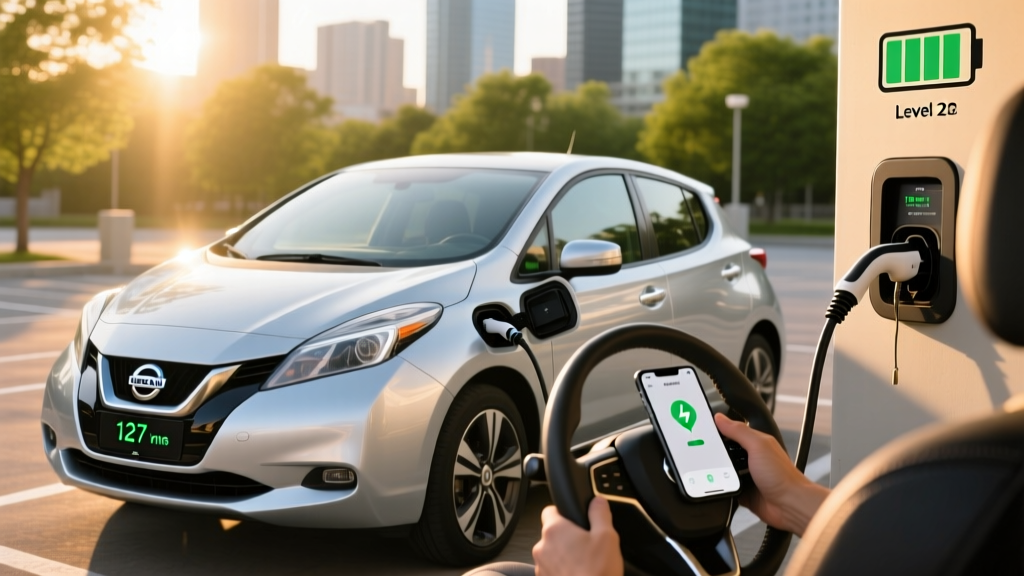
One advantage of low speed electric cars is charging simplicity. Virtually all NEVs charge on a standard 120V household outlet (Level 1). Here's what that means in practice:
- Power draw: Most NEV onboard chargers accept 1.0–1.5 kW from a 120V/15A circuit
- Full charge time: 6–10 hours depending on battery size (7–15 kWh)
- Overnight charging: Plug in at 10 PM, full by 6 AM — sufficient for daily use
- No Level 2 needed: A 240V home charger is unnecessary and most NEVs don't support it
- No DC fast charging: NEVs do not have CCS, NACS, or CHAdeMO ports
kW vs kWh reminder: The onboard charger rate is measured in kW (power — how fast energy flows). The battery capacity is measured in kWh (energy — how much the battery holds). A 1.2 kW charger filling a 10 kWh battery takes roughly 8.3 hours from empty to full.
Electrical consideration: A standard 120V/15A outlet on a dedicated circuit is sufficient. If your garage outlet shares a circuit with other high-draw appliances, you may trip the breaker. A licensed electrician can verify your circuit capacity for approximately $100–$200 for a service call.
Federal Tax Credits and Incentives
Here's where NEV buyers face a reality check. Under current IRS §30D rules, the federal clean vehicle credit applies to vehicles that meet specific criteria including minimum battery capacity, MSRP caps, buyer income limits, and critical mineral/battery component sourcing requirements. Most NEVs fall into a gray area:
- New EV credit (up to $7,500): NEVs generally do not qualify. The credit targets highway-capable vehicles meeting stricter safety and battery-sourcing standards. Most NEV manufacturers have not certified their vehicles for §30D eligibility.
- Used EV credit (up to $4,000): A used NEV purchased from a dealer for $25,000 or less could theoretically qualify if the vehicle meets the IRS definition of a clean vehicle and the buyer meets income caps (AGI ≤ $75,000 single / $150,000 joint). However, very few NEVs appear on IRS-qualifying lists. Verify with a tax professional before counting on this credit.
- State/local incentives: Some states and municipalities offer rebates for NEVs, particularly in retirement communities or planned developments. Check your state energy office or local utility for programs — these vary widely by jurisdiction.
Common Misconceptions About Low Speed Electric Cars
| Myth | Fact |
|---|---|
| "NEVs are just fancy golf carts" | NEVs are federally regulated motor vehicles (FMVSS 500) with VINs, registration, and insurance requirements. Golf carts are not. |
| "I can drive an NEV on any road" | Most states restrict NEVs to roads with speed limits of 35 mph or less. Some states allow crossing higher-speed roads at intersections. Check your state-specific regulations. |
| "NEVs are as safe as regular cars" | NEVs are not required to meet the same crash-test standards as full-size vehicles. They lack airbags, crumple zones, and advanced driver-assistance systems. Occupant protection in a collision with a full-size vehicle is minimal. |
| "The battery will last forever" | Lithium-ion NEV batteries typically last 5–8 years before noticeable degradation. Replacement costs range from $2,000–$5,000 depending on the model and battery capacity. |
| "NEVs qualify for the $7,500 federal tax credit" | Most do not. The §30D credit has vehicle-class, sourcing, and MSRP requirements that exclude the majority of NEVs on the market. |
Decision Framework: Is a Low Speed Electric Car Right for You?
Choose an NEV / Low Speed Electric Car If:
- Your daily driving is under 20 miles round-trip and stays on roads with speed limits ≤ 35 mph
- You live in a warm climate — cold weather slashes the already-limited range by 20–30%
- You already own a full-size vehicle for highway trips, long errands, and bad weather
- You live in a planned community, retirement village, or college town with NEV-friendly infrastructure
- You have access to a standard 120V outlet for overnight charging (no special installation needed)
- Your priority is low operating cost — electricity at $0.03–$0.05/mile beats gas at $0.12–$0.15/mile
Skip the NEV and Consider a Used Full-Speed EV If:
- Your commute exceeds 25 miles one-way or requires highway driving
- You live in a region with harsh winters — range loss and lack of heating make NEVs impractical
- This would be your only vehicle — NEVs cannot handle road trips, airport runs, or emergencies requiring highway travel
- You need modern safety features — airbags, ABS, stability control, and ADAS are absent from NEVs
- You want DC fast charging — NEVs charge exclusively at Level 1 (120V), taking 6–10 hours
- You're counting on the federal tax credit — a used Chevrolet Bolt EV or Nissan Leaf at $18,000–$22,000 may qualify for the $4,000 used-EV credit and offers 200+ miles of range at highway speeds
First-Time Buyer Checklist
If you've decided an NEV fits your needs, here's what to verify before purchase:
- State legality: Confirm your state allows NEV registration and identify which roads you can legally drive on. The NHTSA LSV page provides federal baseline rules; state DMV sites have local specifics.
- Insurance availability: Not all insurers write NEV policies. Geico, Progressive, and specialty carriers like Hagerty or Condon & Skelly offer NEV coverage in many states. Get a quote before buying.
- Battery chemistry and warranty: Insist on lithium-ion (not lead-acid). Ask for the battery warranty in writing — reputable manufacturers offer 3–5 years on the battery pack.
- Dealer vs. direct: Some NEV brands sell direct-to-consumer online; others require dealer purchase. Dealer support matters for warranty service and parts availability.
- Test drive in your actual environment: Drive the NEV on the hills, intersections, and road surfaces you'll encounter daily. Pay attention to braking distance, stability at 25 mph on uneven pavement, and visibility.
- Total cost reality: Add registration ($50–$200), insurance ($400–$900/year), and potential battery replacement ($2,000–$5,000 at year 6–8) to your purchase budget.
Frequently Asked Questions
Can I drive a low speed electric car on the highway?
No. NEVs are federally limited to a top speed of 25 mph and are legally restricted to roads with posted speed limits of 35 mph or less in most states. Driving an NEV on a highway is both illegal and extremely dangerous given the lack of crash protection.
How long does the battery last in a low speed electric car?
Lithium-ion NEV batteries typically retain 80% or more of their original capacity for 5–8 years with regular use. Lead-acid batteries (found in older or cheaper models) last only 2–4 years and are significantly heavier. Always choose lithium-ion. Replacement costs range from $2,000 to $5,000.
Do low speed electric cars qualify for any tax credits?
Most NEVs do not qualify for the federal §30D new clean vehicle credit (up to $7,500). A used NEV might qualify for the up-to-$4,000 used clean vehicle credit if purchased from a dealer for under $25,000 and the buyer meets income requirements — but verify with a tax professional, as NEV eligibility under §25E is not guaranteed. Some state and local utility rebates may apply.
What happens if I get into an accident in an NEV?
NEVs are not crash-tested to the same standards as full-size vehicles. They lack airbags, reinforced door beams, and crumple zones. In a collision with a full-size car or truck, occupant injury risk is substantially higher. This is the single most important safety limitation to understand before purchasing.
Can I upgrade the battery for more range?
Some manufacturers offer extended-range battery packs as dealer-installed options (e.g., upgrading from 7.5 kWh to 12 kWh). Aftermarket upgrades exist but may void the warranty and could create regulatory compliance issues. Check with the manufacturer before pursuing third-party battery modifications.
Are low speed electric cars street legal in all 50 states?
Federal law permits NEVs on roads with speed limits up to 35 mph, but individual states set their own registration, titling, and operational rules. A few states have additional restrictions or require specific equipment. Check your state DMV for exact requirements before purchasing.