The Bottom Line on Lion Electric Buses
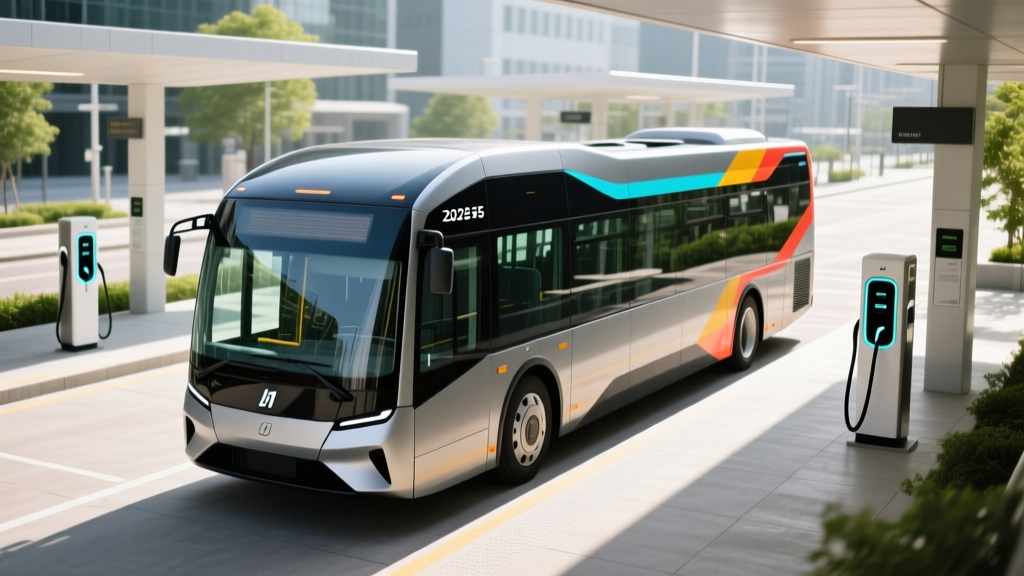
Lion Electric manufactures zero-emission school buses (LionC) and commercial trucks (Lion8) primarily for fleet operators, school districts, and municipalities across North America. The LionC Type C school bus offers an EPA-estimated range of up to 150 miles on a 155 kWh LFP battery pack, charges from 10–80% in approximately 75 minutes on a 150 kW DC fast charger, and carries a base price typically between $300,000 and $350,000 before incentives — roughly 2.5× to 3× the cost of a comparable diesel Type C bus. However, when you factor in fuel savings ($8,000–$12,000/year per bus), dramatically lower maintenance costs, and available EPA Clean School Bus Program grants (up to $375,000 per zero-emission bus for qualifying districts), the total cost of ownership can reach parity with diesel in 5–8 years depending on route length and local electricity rates.
What Lion Electric Actually Builds
Lion Electric, headquartered in Saint-Jérôme, Quebec, is one of the few North American manufacturers dedicated exclusively to medium- and heavy-duty electric vehicles. Unlike legacy bus manufacturers retrofitting diesel platforms, Lion designed its vehicles around a purpose-built electric skateboard architecture. The company's product line relevant to fleet buyers includes:
- LionC: Type C school bus — the most common configuration for school districts, seating up to 72 passengers
- LionA: Type A school bus — a smaller cutaway-style bus for special education routes and smaller districts
- Lion8: Class 8 electric truck — for commercial delivery and vocational use (not a bus, but shares the powertrain platform)
As of 2026, Lion has delivered over 800 electric school buses across the U.S. and Canada, with active deployments in states including New York, California, Illinois, and Massachusetts. The company also operates a manufacturing facility in Joliet, Illinois, alongside its Quebec plant.
Specs That Matter: LionC School Bus at a Glance
| Specification | LionC (2026 Model Year) |
|---|---|
| Battery Capacity | 155 kWh usable (LFP chemistry) |
| EPA-Estimated Range | Up to 150 miles |
| Real-World Range (Highway/Cold) | ~90–120 miles (cold climate); ~110–135 miles (moderate climate, mixed route) |
| DC Fast Charge (Peak) | 150 kW (CCS1 connector) |
| 10–80% Charge Time | ~75 minutes at 150 kW |
| Level 2 Charge Rate | 19.2 kW (SAE J1772/CCS AC) |
| Level 2 Full Charge Time | ~8–9 hours (overnight depot charging) |
| Electric Motor Output | 250 kW (335 hp) / 1,500 lb-ft torque |
| GVWR | 33,000 lbs (Class 7) |
| Seating Capacity | Up to 72 passengers |
| Base Price (Before Incentives) | ~$300,000–$350,000 (varies by configuration) |
| Battery Warranty | 10 years / 200,000 miles (80% capacity retention) |
Real-World Range Reality Check
The 150-mile EPA figure assumes moderate temperatures, flat terrain, and a mix of stop-and-go and steady-speed driving. In practice, fleet operators in cold climates (below 20°F) consistently report 25–40% range reduction due to battery chemistry limitations and cabin heating demand. A LionC operating in upstate New York or Minnesota in January may realistically deliver 90–110 miles on a full charge. Lion offers an optional diesel-fired cabin heater on some configurations to mitigate this, but it partially defeats the zero-emission benefit. Route planning for any bus route exceeding 100 miles round-trip should include mid-day charging infrastructure or a reduced route assignment.
Diesel vs. Electric: Total Cost of Ownership Over 12 Years
The purchase price of an electric school bus is the first shock for most fleet managers. A new diesel Type C bus typically costs $100,000–$130,000, while the LionC starts around $300,000–$350,000. But the operational economics shift dramatically over the vehicle's service life. School buses typically remain in fleet service for 12–15 years, covering 10,000–15,000 miles annually.
| Cost Category | Diesel Type C Bus | LionC Electric Bus |
|---|---|---|
| Purchase Price | $110,000–$130,000 | $300,000–$350,000 |
| Federal / State Incentives | None | Up to $375,000 (EPA Clean School Bus); varies by state |
| Net Acquisition Cost (Best Case) | $110,000–$130,000 | As low as $0–$50,000 (with full EPA + state grants) |
| Annual Fuel Cost (12,000 mi/yr) | $8,500–$12,000 (diesel) | $1,800–$3,500 (electricity, varies by utility rate) |
| Annual Maintenance | $3,500–$5,500 (oil, filters, DPF, transmission) | $800–$1,500 (brake pads, cabin filter, coolant) |
| 12-Year Fuel Total | $102,000–$144,000 | $21,600–$42,000 |
| 12-Year Maintenance Total | $42,000–$66,000 | $9,600–$18,000 |
| 12-Year Total Cost (Best Case) | $254,000–$340,000 | $131,200–$210,000 (with full incentives) |
The math works — but only if the district qualifies for and secures incentive funding. The EPA Clean School Bus Program provides up to $375,000 per zero-emission bus for eligible school districts, with priority given to high-need, rural, and Tribal districts. Funding is awarded through competitive rebate lotteries, not guaranteed entitlements. Additionally, many states offer supplemental incentives: New York's NYTVF program, California's HVIP, and Massachusetts' MOR-EV all provide additional grant layers.
For commercial fleet operators evaluating the Lion8 truck rather than a bus, the federal §45W Commercial Clean Vehicle Credit provides up to $40,000 for qualifying heavy-duty electric vehicles — a separate credit from the consumer §30D credit, with different eligibility rules. Consult a tax professional for your specific fleet structure.
Charging Infrastructure: What Depots Actually Need
Charging a fleet of electric school buses is fundamentally different from charging a passenger EV at home. Fleet operators must plan for depot-level charging infrastructure, and this is often the most underestimated cost in an electric bus transition.
| Charging Level | Power (kW) | Miles Added Per Hour | Use Case |
|---|---|---|---|
| Level 2 (Depot Overnight) | 19.2 kW per bus | ~25–30 miles/hr | Overnight full charge (8–9 hours for depleted pack) |
| DC Fast Charge | Up to 150 kW | ~150–180 miles/hr (peak) | Mid-day top-up or rapid turnaround (10–80% in ~75 min) |
Infrastructure cost breakdown for a 10-bus depot:
| Component | Estimated Cost Range |
|---|---|
| 10× Level 2 chargers (19.2 kW each, hardware) | $50,000–$80,000 |
| 2× DC fast chargers (150 kW, hardware) | $120,000–$200,000 |
| Electrical service upgrade (transformer, switchgear, conduit) | $100,000–$300,000 |
| Utility demand charges & interconnection fees | $20,000–$80,000 |
| Installation labor (licensed electricians, civil work) | $80,000–$200,000 |
| Software / fleet management platform | $5,000–$15,000/year |
| Total Estimated Range | $375,000–$875,000 |
Key considerations for fleet charging:
- Utility coordination is critical: Most depots need a dedicated transformer upgrade and potentially a new medium-voltage service drop. Engage your utility 12–18 months before planned bus delivery.
- Demand charges can dominate electricity costs: Commercial electricity bills include both energy charges (per kWh) and demand charges (per peak kW). Simultaneous charging of 10 buses at 19.2 kW each creates a 192 kW demand spike. Smart charging software that staggers charge sessions can reduce demand charges by 30–50%.
- V2G (Vehicle-to-Grid) potential: Lion has explored bidirectional charging capabilities that allow parked buses to sell energy back to the grid during peak demand periods. This is not yet widely deployed but represents a potential revenue stream for districts with favorable utility tariffs.
LFP Battery Chemistry: Why It Matters for Fleets
Lion Electric uses lithium iron phosphate (LFP) battery cells across its bus and truck lineup. For fleet buyers accustomed to consumer EV marketing around NMC (nickel manganese cobalt) chemistry, the LFP choice warrants explanation:
| Attribute | LFP (Lion Electric) | NMC (Common in Consumer EVs) |
|---|---|---|
| Energy Density | Lower (~160 Wh/kg cell-level) | Higher (~220–260 Wh/kg) |
| Cycle Life | 3,000–5,000+ full cycles | 1,000–2,000 full cycles |
| Thermal Stability | Excellent (no cobalt, higher runaway temp) | Good (requires active thermal management) |
| Cold-Weather Performance | Reduced (more range loss below freezing) | Moderately better in cold |
| Cost Per kWh | Lower (no cobalt or nickel) | Higher (commodity-sensitive) |
| 100% SoC Charging | Safe for daily full charges | Recommended to limit to 80% for longevity |
For school bus fleets, LFP is arguably the better chemistry choice. Buses return to the depot nightly and can charge to 100% without degradation concern — a significant operational advantage over NMC, which degrades faster when routinely charged to full capacity. The 3,000–5,000 cycle life of LFP translates to 12–15+ years of daily cycling before reaching 80% state of health, aligning with a typical school bus service life. Lion's 10-year / 200,000-mile battery warranty with an 80% capacity retention threshold reflects this durability.
The trade-off is weight and volume: LFP's lower energy density means a heavier, physically larger battery pack for the same range. On a Class 7 school bus with a 33,000-lb GVWR, this is less of a packaging constraint than it would be in a passenger sedan, but it does limit the LionC's range ceiling compared to what an equivalent NMC pack could theoretically deliver.
Common Misconceptions About Electric School Buses
| Myth | Fact |
|---|---|
| "Electric buses can't handle cold weather." | They can, but with 25–40% range loss below 20°F. Route planning and optional auxiliary heaters mitigate this. Districts in Quebec, New York, and Massachusetts operate Lion buses through winter annually. |
| "The battery will need replacing before the bus is retired." | LFP chemistry with 3,000+ cycle life and a 10-year warranty makes mid-life battery replacement unlikely under normal use. Replacement cost, if needed, is estimated at $60,000–$90,000 for the pack. |
| "Electric buses are slower and can't merge into traffic." | The LionC delivers 335 hp and 1,500 lb-ft of instantaneous torque — acceleration from 0–30 mph is faster than a loaded diesel bus, making highway merging and intersection departure confident. |
| "Charging takes too long for bus schedules." | Most school bus routes run 60–90 miles round-trip and return to depot for 4–6 hours mid-day. Overnight Level 2 charging fully replenishes the pack. DC fast charging can add 75+ miles in 30 minutes for mid-day top-ups. |
| "There are no incentives available." | The EPA Clean School Bus Program has allocated billions in funding through 2026. Many state programs stack on top. Some districts have acquired LionC buses at net cost below that of a diesel bus after incentives. |
Decision Framework: Is a Lion Electric Bus Right for Your Fleet?
Choose the LionC Electric Bus If:
- Your routes are under 120 miles round-trip (or under 90 miles in cold climates)
- Your district qualifies for EPA Clean School Bus Program funding or state-level ZEV incentives
- You have depot space for overnight Level 2 charging and can coordinate a utility service upgrade
- You plan to keep buses in service 10+ years (maximizing fuel and maintenance savings)
- Your fleet operates in a state with ZEV mandates or clean-air mandates for school transportation
- You want predictable, lower operating costs insulated from diesel price volatility
Stick With Diesel (or Evaluate a Hybrid) If:
- Your routes regularly exceed 140 miles without mid-day charging opportunity
- Your district does not qualify for significant grant funding and the 2.5–3× upfront premium is prohibitive
- You lack depot infrastructure and cannot secure utility upgrades within your timeline
- You operate in extreme cold (–20°F or below) with no auxiliary heating option
- Your fleet turns over vehicles every 5–7 years (insufficient time to recoup the purchase premium)
Frequently Asked Questions
What is the real-world range of a LionC school bus?
The EPA-estimated range is up to 150 miles on a full 155 kWh LFP battery. In moderate climates with mixed stop-and-go school routes, expect 110–135 miles. In cold weather (below 20°F), expect 90–110 miles. Actual range depends on terrain, passenger load, HVAC usage, and driving style.
How long does it take to charge a Lion Electric bus?
On a 19.2 kW Level 2 depot charger, a full charge takes approximately 8–9 hours — ideal for overnight turnaround. On a 150 kW DC fast charger, charging from 10% to 80% takes roughly 75 minutes. Note that charge speed tapers significantly above 80% state of charge due to battery management protocols, so DC fast charging is best used for mid-day partial top-ups rather than full charges.
How much does a LionC electric school bus cost?
The base price typically falls between $300,000 and $350,000 depending on configuration, seating, and options. This is before any federal, state, or utility incentives. The EPA Clean School Bus Program can provide up to $375,000 per zero-emission bus for qualifying districts, potentially bringing the net acquisition cost near or below that of a diesel bus.
What incentives are available for electric school buses?
The primary federal program is the EPA Clean School Bus Program, funded through the Bipartisan Infrastructure Law. State-level programs vary significantly: California's HVIP, New York's NYTVF, and similar programs in Massachusetts, Colorado, and New Jersey offer additional grants. Eligibility rules, funding availability, and application deadlines change frequently — consult the EPA website and your state's clean transportation authority for current details.
What is the battery warranty on Lion Electric buses?
Lion provides a 10-year / 200,000-mile battery warranty guaranteeing 80% capacity retention. The LFP chemistry used in Lion buses is known for long cycle life (3,000–5,000+ cycles), which aligns with a typical 12–15 year school bus service life. If replacement is needed outside warranty, estimated pack cost is $60,000–$90,000.
Can Lion Electric buses handle hilly or mountainous routes?
Yes, the 250 kW (335 hp) motor with 1,500 lb-ft of torque handles grades well. However, sustained climbing significantly increases energy consumption — expect 20–35% range reduction on consistently hilly routes. Regenerative braking on descents partially recovers this energy. Districts with mountainous terrain should plan routes conservatively and consider DC fast charging availability for mid-day replenishment.
How does maintenance compare between electric and diesel school buses?
Electric buses eliminate oil changes, diesel particulate filter (DPF) regeneration, transmission fluid, exhaust system repairs, and DEF (diesel exhaust fluid) refills. Remaining maintenance items include brake pads (which last longer due to regenerative braking), cabin air filters, coolant system checks, suspension components, and tire rotation. Fleet operators report 60–75% lower annual maintenance costs compared to diesel.