The Short Answer: Is the Lincoln Star EV Worth Buying?
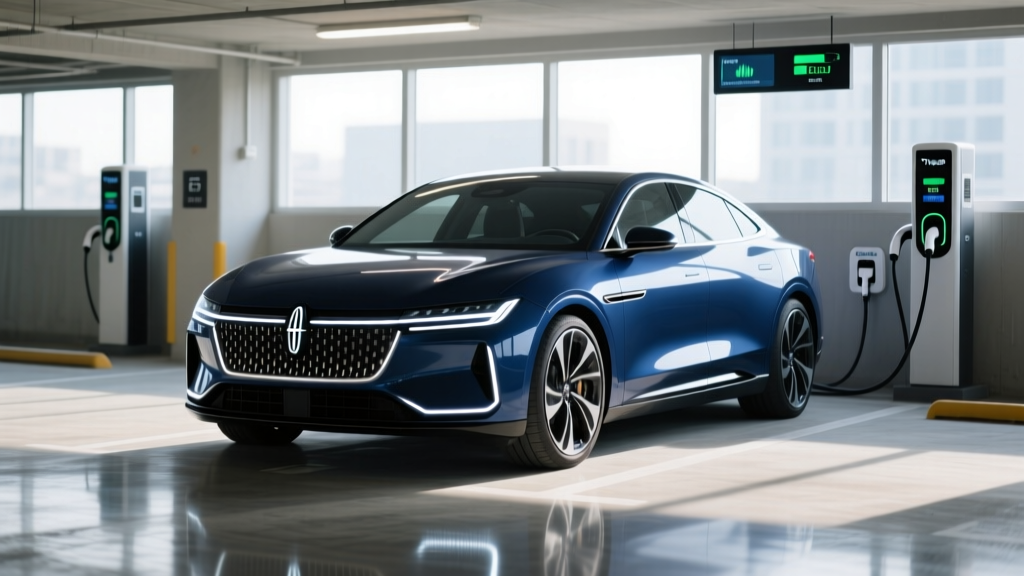
The Lincoln Star is a premium midsize electric crossover announced for the 2026 model year that slots between the Corsair and Nautilus in Lincoln's lineup. Based on Ford's flexible EV platform, preliminary estimates point to an EPA range of approximately 280–320 miles depending on trim and drivetrain, a usable battery in the 90–100 kWh range, and DC fast charging up to ~175–200 kW (10–80% in roughly 28–32 minutes). Expected pricing starts near $55,000 before incentives, positioning it against the Cadillac Lyriq, Genesis Electrified GV70, and BMW iX. Because it is still an upcoming model, all figures below are based on platform-sharing data, Lincoln's official previews, and comparable Ford EVs — final EPA-certified specs may differ at launch.
What We Know About the Lincoln Star's Specs So Far
Lincoln unveiled the Star concept in 2022 and confirmed production intent. The vehicle rides on a variant of Ford's next-generation flexible EV architecture — the same underpinning strategy that informs the refreshed Mustang Mach-E and future Ford EVs. While Lincoln has not published a full spec sheet, we can build a reliable picture from platform data and the concept's confirmed features.
| Spec | Estimated Value | Notes |
|---|---|---|
| Battery (usable) | ~90–100 kWh (NMC) | Platform-shared with Ford flexible EV architecture |
| EPA Range (est.) | 280–320 mi | RWD higher; AWD ~10–15 mi less |
| Real-World Highway Range | ~230–270 mi | Expect 15–20% loss at 75 mph; more in cold weather |
| Peak DC Fast Charge | ~175–200 kW | 10–80% in ~28–32 min; tapers above 80% |
| Level 2 Charging | ~11.5–19.2 kW | Full charge in ~5–9 hours depending on kW |
| 0–60 mph | ~5.0–6.5 sec | Dual-motor AWD quickest |
| Horsepower | ~340–480 HP | Varies by single/dual motor config |
| Connector | NACS (native Tesla port) | Ford/Lincoln adopted NACS for 2025+ models |
| Drivetrain | RWD or AWD (dual motor) | Two configurations expected |
| Battery/Powertrain Warranty | 8 yr / 100,000 mi | Standard for Lincoln EVs; ≥70% capacity retention |
| Base MSRP (est.) | ~$55,000 | Before destination, incentives; Black Label trims $70K+ |
EPA vs. Real-World Range: What to Actually Expect
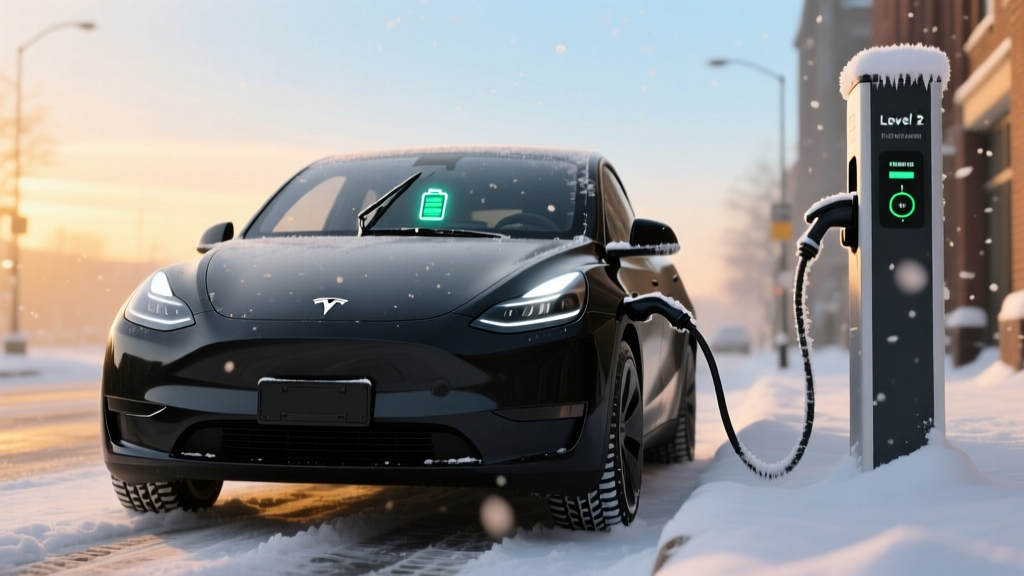
Lincoln's target of ~300 miles EPA is competitive, but real-world conditions change the math. On a 75-mph highway drive in moderate temperatures, expect roughly 250–270 miles before needing to charge. In winter (below 30°F), cold-soaked batteries and cabin heating can reduce range by 20–30%, bringing effective range down to ~200–240 miles. Preconditioning the battery while plugged in mitigates this significantly — always use scheduled departure if you have home charging.
Lincoln Star EV vs. Gas SUV: The Cost and Efficiency Breakdown
The natural cross-shop for the Star is a gas-powered midsize luxury SUV — think the Lincoln Nautilus, Lexus RX 350, or BMW X5. Let's compare the Star against the current Nautilus hybrid, which is the closest internal alternative in Lincoln's own showroom.
| Metric | Lincoln Star EV (Est.) | Nautilus Hybrid AWD |
|---|---|---|
| Starting MSRP | ~$55,000 | $58,635 |
| Fuel/Energy Cost per Mile | ~$0.04–$0.06 (home L2) | ~$0.16 (at $3.50/gal, 30 MPG) |
| Annual Fuel/Energy (15K mi) | ~$600–$900 | ~$1,750 |
| MPGe / MPG Combined | ~90–100 MPGe (est.) | ~30 MPG combined |
| Oil Changes / Year | None | 2–3 ($150–$300 total) |
| Brake Pad Replacement Interval | 80,000+ mi (regen-assisted) | 30,000–50,000 mi |
| Federal Tax Credit (§30D) | Up to $7,500 (if eligible) | $0 |
| 5-Year Fuel/Energy Savings | ~$4,250–$5,750 savings for the Star | |
The Star's energy-cost advantage is substantial — especially if you charge at home on residential electricity rates (national average ~$0.16/kWh per EIA data). Public DC fast charging at $0.40–$0.60/kWh narrows the gap, making home access the single biggest variable in your ownership economics.
Real Ownership Costs: The 5-Year Picture
Purchase price is only the start. Here's a realistic 5-year / 75,000-mile ownership projection for the Lincoln Star EV versus a comparably equipped gas luxury SUV.
| Cost Category | Lincoln Star EV (Est.) | Gas Luxury SUV (~$55K) |
|---|---|---|
| Purchase Price (after $7,500 credit) | ~$47,500 | $55,000 |
| Home Charger Install (Level 2, 240V) | $800–$2,000 (one-time) | $0 |
| Energy/Fuel (5 years) | $3,000–$4,500 | $8,750 |
| Maintenance (5 years) | $500–$800 | $2,000–$3,000 |
| Insurance (5 years, avg.) | $9,000–$11,000 | $7,500–$9,500 |
| Depreciation (5 years, est.) | $18,000–$22,000 | $16,000–$20,000 |
| Estimated 5-Year Total | ~$78,800–$87,800 | ~$89,250–$96,250 |
Key takeaways: EV insurance premiums run 15–25% higher on average for luxury EVs due to repair costs and battery replacement risk. Depreciation for premium EVs has been volatile — Tesla's price cuts in 2023–2024 depressed the entire segment's resale values. However, the Star's lower energy and maintenance costs, combined with the potential §30D federal tax credit, can offset these premiums over five years. Your actual mileage, local electricity rates, and insurance market will shift these numbers meaningfully.
Federal Tax Credit and Incentives: What Applies to the Star
The Lincoln Star is built by Ford Motor Company in North America, which is a positive for tax-credit eligibility. However, the §30D Clean Vehicle Credit has specific requirements that must be met at the time of purchase. Here's the current checklist for 2026:
- MSRP cap: SUVs must be at or below $80,000 MSRP. The Star's base and mid trims should qualify; Black Label editions may exceed this threshold.
- Buyer income cap: Modified AGI must not exceed $150,000 (single), $225,000 (head of household), or $300,000 (joint filers).
- Battery sourcing: A percentage of critical minerals and battery components must be sourced from the U.S. or FTA partners. These thresholds increase annually — consult the latest IRS guidance at time of purchase.
- Point-of-sale transfer: You can elect to transfer the credit to the dealer at purchase, reducing your out-of-pocket cost directly rather than waiting for a tax refund.
- One vehicle per year: The credit is limited to one new clean vehicle per taxpayer per calendar year.
Important: Tax credit rules are subject to legislative and regulatory changes. Always verify eligibility with your tax professional and the IRS's official clean vehicle reports before signing a purchase agreement. State and utility incentives may stack on top — check the AFDC incentive database for your location.
Charging the Lincoln Star: Home Setup and Public Networks
The Star's adoption of the NACS (North American Charging Standard) connector is a significant ownership advantage. This gives you native access to Tesla's Supercharger network — the most reliable and extensive DC fast-charging infrastructure in the U.S. — without an adapter.
| Charging Level | Power (kW) | Miles of Range Added per Hour | Best For |
|---|---|---|---|
| Level 1 (120V household) | ~1.4 kW | ~3–5 mi/hr | Emergency/trickle only |
| Level 2 (240V home, 48A) | ~11.5 kW | ~30–35 mi/hr | Daily overnight charging |
| Level 2 (240V, 80A hardwired) | ~19.2 kW | ~50–55 mi/hr | Faster home/depot charging |
| DC Fast Charge (peak) | ~175–200 kW | ~700–900 mi/hr (peak rate) | Road trips; 10–80% in ~30 min |
Home charging installation reality: Most Star buyers will want a Level 2 home charger. Budget $800–$2,000 for a quality 48-amp unit plus electrician labor if you have a 200-amp panel with available capacity. If your panel needs upgrading to 200A (common in older homes), add $1,500–$3,500. Always get a licensed electrician to assess your panel before committing.
Charging-curve reality check: The Star's peak DC rate of ~175–200 kW will not sustain for the entire session. Like all EVs, the charge rate tapers significantly above 80% SoC to protect battery health. Expect the 10–80% portion to take roughly 28–32 minutes, but a full 10–100% session could take 50+ minutes. For road trips, plan stops at 10–80% intervals for maximum efficiency.
Common Misconceptions About the Lincoln Star EV
| Myth | Fact |
|---|---|
| "The battery will need replacing in a few years." | NMC batteries in modern thermal-managed EVs typically retain 85–90% capacity at 100,000 miles. Lincoln's 8-year/100,000-mile warranty guarantees ≥70% retention. |
| "You can't drive an EV in cold weather." | Cold reduces range by 20–30%, but preconditioning (warming the battery while plugged in) recovers much of that loss. The Star's heat pump (expected) improves cabin efficiency in cold climates. |
| "The $7,500 tax credit applies to everyone." | Income caps, MSRP limits, and battery-sourcing rules restrict eligibility. Not every buyer — and not every trim — will qualify for the full amount. |
| "Public charging is unreliable everywhere." | Tesla Superchargers (natively accessible via NACS on the Star) consistently report 97%+ uptime. Electrify America and other CCS networks have improved but still lag in reliability. |
| "EVs are worse for the environment because of battery mining." | Lifecycle analyses from the EPA and ICCT show EVs produce fewer total emissions over their lifetime than gas vehicles in every U.S. grid region — even accounting for battery production. |
Decision Framework: Is the Lincoln Star the Right EV for You?
Choose the Lincoln Star EV If:
- You want a premium, quiet, luxury-branded EV with Lincoln's design language and interior materials, and the ~$55K–$70K price range fits your budget.
- You have home charging access (garage or driveway with 240V capability) — this unlocks the lowest per-mile energy costs and daily convenience.
- You value native Supercharger access via NACS for road trips without adapter hassle.
- Your daily commute is under 80 miles round-trip, and you take road trips 4–6 times per year (well within the Star's range envelope).
- You qualify for the §30D tax credit, bringing effective pricing into the mid-$40K range for base trims.
Look Elsewhere If:
- You live in an apartment or condo without charging access and your area has sparse public charging infrastructure. Relying solely on public DC fast charging adds cost ($0.40–$0.60/kWh vs. ~$0.16 at home) and time.
- You regularly tow heavy loads — EVs lose 30–50% of range under sustained towing, and the Star is not positioned as a tow-focused vehicle.
- You need a confirmed, buyable vehicle today. The Star is still forthcoming; if you can't wait, the Cadillac Lyriq or Genesis Electrified GV70 are available now in this segment.
- Your budget is under $45,000. Consider the Ford Mustang Mach-E, Hyundai Ioniq 5, or Tesla Model Y instead — all offer 280+ miles of range at lower price points.
Frequently Asked Questions
When will the Lincoln Star EV be available to buy?
Lincoln has confirmed the Star for production, with deliveries expected to begin during the 2026 model year. Exact on-sale dates have not been announced as of early 2026. Reservations may open closer to launch — check Lincoln's official site for updates.
Will the Lincoln Star qualify for the $7,500 federal tax credit?
Likely yes for base and mid trims under the $80,000 SUV MSRP cap, assuming you meet income limits and the battery-sourcing requirements are satisfied at time of purchase. Black Label or limited-edition trims could exceed the cap. Verify current IRS §30D rules before purchasing.
How does the Lincoln Star compare to the Cadillac Lyriq?
Both target the premium midsize electric SUV segment. The Lyriq starts around $58,000 with an EPA range of 314 miles and a 102-kWh battery. The Star is expected to be slightly less expensive at base and will offer native NACS/Supercharger access, which the Lyriq (using CCS with a NACS adapter) does not have as seamlessly. Interior quality and brand cachet will be the deciding factor for many buyers.
Can I charge the Lincoln Star at Tesla Superchargers?
Yes. Ford and Lincoln adopted the NACS connector natively starting with 2025 model-year EVs. The Star will have a built-in NACS port, giving you direct plug-in access to Tesla Superchargers without any adapter — a major advantage for road-trip charging reliability.
What will insurance cost for the Lincoln Star?
Expect insurance premiums 15–25% higher than an equivalently priced gas SUV. Luxury EVs carry higher repair costs (specialized bodywork, sensor recalibration, battery protection). National average estimates for a $55K luxury EV fall in the $1,800–$2,200/year range, but this varies significantly by state, driving record, and insurer. Get quotes before purchasing.
How long will the Lincoln Star's battery last?
Modern NMC batteries with active thermal management typically degrade 1–2% per year under normal use. At 100,000 miles, expect roughly 85–90% of original capacity remaining. Lincoln's battery warranty covers 8 years / 100,000 miles with a minimum 70% capacity retention guarantee. Full battery replacement (rarely needed) would likely cost $12,000–$18,000 out of warranty.