The Quick Answer on the Electric Navigator
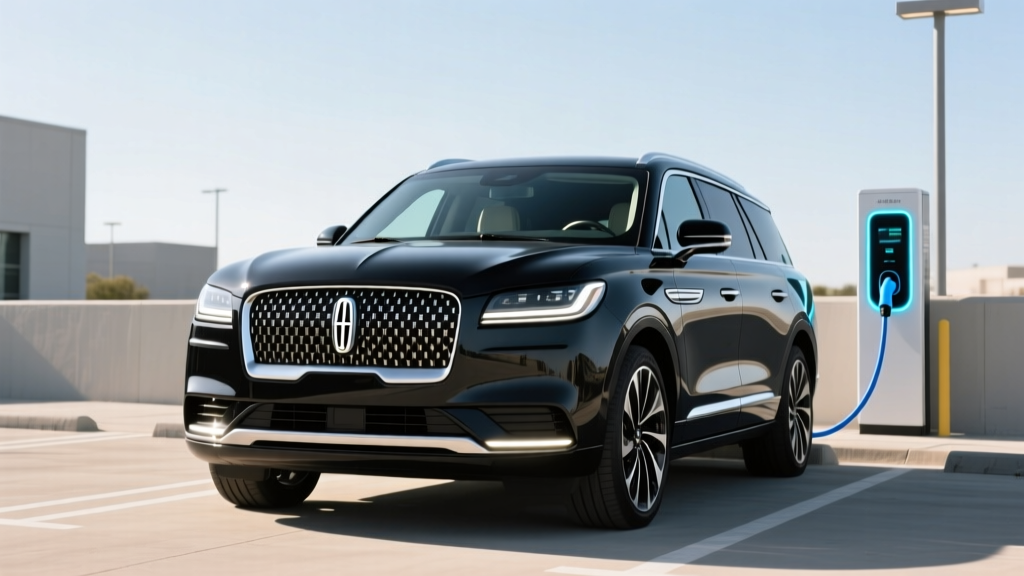
As of early 2026, the Lincoln Navigator EV (officially badged as the next-generation Navigator on Ford's EV platform) is announced but not yet available for purchase. Lincoln has confirmed an all-electric flagship SUV built on a new body-on-frame EV architecture shared with the next-gen Ford Expedition. Projected specs point to a battery in the 120–135 kWh usable range, targeting 300–350 miles of EPA-estimated range, DC fast charging up to approximately 200–250 kW, and a starting MSRP likely between $90,000 and $100,000. Final specs, pricing, and on-sale timing remain preliminary until Lincoln's official reveal. If you're researching an electric Navigator today, this guide breaks down what the data suggests, how it compares to the gas Navigator and electric rivals, and whether to wait or buy now.
What We Know About the Electric Navigator So Far
Lincoln's electric flagship will ride on the same next-generation body-on-frame EV platform that underpins the redesigned Ford Expedition EV. Ford Motor Company has invested heavily in this architecture, signaling a full-size SUV with serious towing capability, three-row seating, and luxury appointments aimed squarely at buyers currently in the $80,000–$120,000 luxury SUV segment.
Here's what Lincoln and Ford have confirmed or strongly indicated through supply-chain reporting and platform disclosures:
- Platform: New body-on-frame EV architecture (distinct from the unibody Ford F-150 Lightning platform)
- Seating: Three rows, seven or eight passengers
- Target market: Current Navigator and Escalade buyers, plus luxury EV crossover shoppers
- Production: Expected at Ford's Kentucky Truck Plant or a retooled facility, timeline TBD
Because the vehicle hasn't been fully unveiled, the specifications below are projected estimates based on platform engineering data, competitor benchmarks, and industry reporting. Treat them as directional, not final.
| Specification | Estimated Figure | Confidence Level |
|---|---|---|
| Battery (usable) | 120–135 kWh (NMC) | Moderate |
| EPA Range | 300–350 miles | Moderate |
| Peak DC Fast Charge | 200–250 kW | Moderate |
| 10–80% DC Charge Time | ~25–35 minutes | Low–Moderate |
| Level 2 Charge Rate | ~19.2 kW (80A) | Moderate |
| Horsepower | 550–650 hp (dual motor AWD) | Low |
| 0–60 mph | ~4.5–5.5 seconds | Low |
| Towing Capacity | 7,500–9,000 lbs | Low |
| Starting MSRP (est.) | $90,000–$100,000 | Moderate |
| Federal Tax Credit (§30D) | Up to $7,500 (eligibility TBD) | Low |
Real-World Range Expectations
Even if the electric Navigator achieves an EPA rating of 330 miles, real-world highway driving at 75 mph typically reduces range by 10–15%. In cold weather (below 30°F), expect an additional 15–25% reduction due to cabin heating and battery chemistry limitations. A realistic road-trip range in winter highway conditions could fall to 200–240 miles before needing to charge. This is consistent with what we observe in other large electric SUVs like the Rivian R1S and BMW iX.
Electric Navigator vs. Gas Navigator: Cost and Capability Comparison
The current gasoline Lincoln Navigator remains a benchmark in the luxury full-size SUV segment. Let's compare what an electric version would need to deliver against the gas model that buyers know today.
| Metric | Gas Navigator (2025) | Electric Navigator (Projected) |
|---|---|---|
| Base MSRP | ~$83,000 | ~$90,000–$100,000 |
| EPA Fuel Economy | 16 city / 22 hwy / 18 combined MPG | ~70–80 MPGe (est.) |
| Energy Cost per Mile | ~$0.21 (at $3.50/gal) | ~$0.05–$0.07 (home charging at $0.14/kWh) |
| Annual Fuel/Energy (15,000 mi) | ~$3,150 | ~$750–$1,050 |
| Estimated Range | ~470 miles (26.2-gal tank) | ~300–350 miles (EPA est.) |
| Refuel/Recharge Time | ~5 minutes | ~25–35 min (10–80% DC) |
| Maintenance (annual est.) | ~$800–$1,200 | ~$300–$500 |
| Horsepower | 440 hp (twin-turbo V6) | 550–650 hp (est.) |
| Towing | Up to 8,300 lbs | 7,500–9,000 lbs (est.) |
The gas Navigator's 470-mile range advantage is significant for road-trip-heavy owners. The electric version trades that range for dramatically lower per-mile energy costs, smoother acceleration, and zero tailpipe emissions. Whether that trade-off works depends heavily on your driving patterns — a question we address in the decision framework below.
Total Cost of Ownership: 5-Year Breakdown
Upfront price is only part of the equation. Here's a projected 5-year cost comparison assuming 15,000 miles driven annually, home charging at the national average electricity rate, and current gas prices.
| Cost Category | Gas Navigator | Electric Navigator (Projected) |
|---|---|---|
| Purchase Price (base MSRP) | $83,000 | $95,000 |
| Federal Tax Credit (§30D) | $0 | Up to $7,500 (if eligible) |
| Net Purchase | $83,000 | $87,500–$95,000 |
| Energy (fuel/electricity) | $15,750 | $3,750–$5,250 |
| Maintenance | $5,000 | $1,500–$2,500 |
| Insurance (est. avg) | $12,000 | $13,500–$15,000 |
| Home Charger Install | $0 | $1,200–$2,500 |
| 5-Year Total (est.) | $115,750 | $107,450–$120,250 |
The electric Navigator can break even or save modestly over five years, but the margin is thin at this price point. The savings widen if you drive more than 15,000 miles annually, have access to cheap electricity (solar or time-of-use rates below $0.10/kWh), or qualify for the full §30D federal tax credit.
Tax credit caveat: Under current IRS rules, the §30D credit requires the vehicle MSRP to be at or below $80,000 for SUVs. If the electric Navigator starts above that cap, it may not qualify for the federal credit at all — a critical factor that could shift the cost equation significantly. Monitor irs.gov for any threshold updates before purchasing.
Charging at Home and on the Road
A vehicle this size demands serious charging infrastructure. Here's what ownership looks like in practice.
Home Charging (Level 2)
With an estimated 130 kWh battery, a standard 11.5 kW Level 2 home charger would require roughly 11–12 hours for a full 0–100% charge. A higher-amperage 19.2 kW charger (requiring a 100-amp dedicated circuit) could cut that to about 7–8 hours. Most owners will charge overnight and rarely need a full 0–100% cycle, as daily driving of 40–60 miles uses only 15–20% of the battery.
Home charger installation typically costs $1,200–$2,500 if your electrical panel has sufficient capacity. A panel upgrade from 100A to 200A service can add $1,500–$3,500. Always get a quote from a licensed electrician before committing.
DC Fast Charging (Road Trips)
At a projected peak rate of 200–250 kW, the electric Navigator should add approximately 150–200 miles of range in 20 minutes under ideal conditions. However, charging curves taper significantly above 80% State of Charge. A realistic 10–80% session will take 25–35 minutes, with the final 20% potentially adding another 20–30 minutes.
Connector standard: The electric Navigator is expected to use the NACS (North American Charging Standard) connector, granting access to the Tesla Supercharger network in addition to Electrify America, EVgo, and other networks via adapter or native compatibility.
The Home Charging Access Question
Not every buyer has a garage or dedicated parking spot with 240V access. If you live in a condo, apartment, or street-parking situation, relying exclusively on public DC fast charging is possible but expensive ($0.35–$0.55/kWh at many stations) and time-consuming. Factor this into your decision honestly — an electric full-size SUV without home charging becomes significantly less convenient and more costly to operate.
How It Stacks Up Against Electric Rivals
The electric Navigator won't exist in a vacuum. Here's how it's likely to compare against established and upcoming competitors in the luxury three-row electric SUV space.
| Spec | Lincoln Navigator EV (Projected) | Rivian R1S (2025) | Cadillac Escalade IQ (2025) | BMW iX xDrive50 |
|---|---|---|---|---|
| Battery (usable) | 120–135 kWh | 141 kWh (Max Pack) | ~200 kWh | 105.2 kWh |
| EPA Range | 300–350 mi | 410 mi (Max) | ~450 mi | 307 mi |
| Peak DC Charge | 200–250 kW | 220 kW | ~350 kW | 200 kW |
| 0–60 mph | ~4.5–5.5 sec | 3.5 sec | ~5.0 sec | 4.4 sec |
| Three-Row Seating | Yes | Yes | Yes | No (2-row) |
| Starting MSRP | ~$90,000–$100,000 | $79,900 | ~$130,000 | $87,250 |
| Body-on-Frame | Yes | No (unibody) | Yes | No (unibody) |
The Rivian R1S offers more range at a lower price but lacks the traditional luxury prestige and body-on-frame towing confidence. The Escalade IQ is the closest direct competitor in size, luxury positioning, and body-on-frame architecture, but starts significantly higher. The BMW iX is smaller and lacks a third row but is available now with proven efficiency.
Common Misconceptions About Large Electric SUVs
| Myth | Fact |
|---|---|
| "Electric SUVs can't tow." | The F-150 Lightning tows 10,000 lbs. The electric Navigator is projected at 7,500–9,000 lbs. Towing does reduce range by 30–50%, but capability is real. |
| "The battery will need replacing in 5 years." | Modern NMC and LFP batteries are designed for 200,000+ miles with <10% degradation. Lincoln will likely offer an 8-year/100,000-mile battery warranty per federal requirements. |
| "You'll save $10,000+ per year on fuel." | At 15,000 miles/year, savings vs. gas are approximately $2,000–$2,500 annually. Significant, but not transformative at this price point. |
| "All EVs qualify for the $7,500 tax credit." | §30D has MSRP caps ($80,000 for SUVs), buyer income limits, and battery-sourcing requirements. A $95,000+ Navigator EV may not qualify at all. |
| "Charging is as fast as filling up with gas." | A 10–80% DC fast charge takes 25–35 minutes. Gas fill-ups take 5 minutes. Plan road trips around charging stops accordingly. |
Decision Framework: Should You Wait for the Electric Navigator?
Choose the Electric Navigator (Wait) If:
- You currently own or lease a gas Navigator and want to stay in the Lincoln ecosystem
- You have reliable home Level 2 charging access (garage or dedicated 240V outlet)
- Your daily driving is under 80 miles round-trip, with occasional road trips under 300 miles
- You value silent, smooth powertrain refinement over maximum range
- You don't need the vehicle within the next 12 months (production timing is uncertain)
- Towing is occasional, not daily — and you can plan charging around tow-heavy trips
Buy Something Else Now If:
- You need a three-row electric SUV immediately — the Rivian R1S and Cadillac Escalade IQ are available now
- You lack home charging access and your area has sparse public DC infrastructure
- You regularly drive 400+ miles between stops in rural or cold-climate regions
- The potential lack of §30D tax credit eligibility pushes the effective price beyond your budget
- You tow heavy loads (8,000+ lbs) on a weekly basis — range loss while towing remains the biggest EV limitation for this use case
Consider the Gas Navigator If:
- You frequently take road trips exceeding 400 miles in areas with limited charging
- You need maximum towing range without mid-trip charging logistics
- You want a proven, depreciated-known asset rather than a first-year EV platform
- Your annual mileage is low enough that fuel savings won't offset the EV price premium
Frequently Asked Questions
When will the electric Lincoln Navigator be available to buy?
Lincoln has not announced a firm on-sale date. Industry reporting suggests a reveal in late 2025 or 2026, with customer deliveries potentially beginning in late 2026 or the 2027 model year. Until Lincoln publishes official specs and pricing, all figures remain estimates.
Will the electric Navigator qualify for the $7,500 federal EV tax credit?
This is uncertain and depends on final MSRP and battery sourcing. Under current IRS §30D rules, SUVs must have an MSRP at or below $80,000 to qualify. If the electric Navigator starts above that threshold — which is likely given its luxury positioning — it may not be eligible. Buyer income caps ($300,000 joint / $150,000 individual AGI) also apply. Consult a tax professional before assuming credit eligibility.
How does the electric Navigator compare to the Cadillac Escalade IQ?
The Escalade IQ is the most direct competitor: both are body-on-frame, three-row luxury electric SUVs. The Escalade IQ offers a larger battery (~200 kWh) and longer projected range (~450 miles) but starts around $130,000. The electric Navigator is expected to undercut that price significantly, likely in the $90,000–$100,000 range, making it the more accessible option if range requirements are modest.
What will it cost to install a home charger for the electric Navigator?
Budget $1,200–$2,500 for a quality Level 2 charger (48A–80A) plus professional installation if your electrical panel has capacity. If you need a panel upgrade from 100A to 200A service, add $1,500–$3,500. A licensed electrician should evaluate your panel before purchase. For a vehicle with a ~130 kWh battery, a 48A charger adds roughly 25 miles of range per hour of charging — adequate for overnight replenishment of daily driving.
Is it worth waiting for the electric Navigator or should I buy a Rivian R1S now?
If you need a vehicle now and prioritize range and technology, the Rivian R1S (up to 410 miles EPA with the Max Pack, starting at $79,900) is a compelling option available today. If brand loyalty to Lincoln, traditional luxury styling, and body-on-frame towing confidence matter more — and you can wait 12–18 months — the electric Navigator may be worth the hold. The decision also hinges on whether the R1S's more adventure-oriented aesthetic matches your preferences versus the Navigator's traditional luxury execution.
What about cold-weather range loss?
Large EV batteries lose 15–30% of their rated range in sustained sub-freezing temperatures, primarily due to cabin heating demands and reduced battery efficiency. If the electric Navigator achieves 330 miles EPA, expect roughly 230–280 miles in winter conditions. A heat pump (likely standard) helps mitigate this but doesn't eliminate it. If you live in northern climates with harsh winters, plan charging logistics around the reduced range — not the EPA sticker.