Quick Answer: What Lincoln EVs Can You Buy Right Now?
As of early 2026, Lincoln does not sell a fully electric vehicle. The only electrified option available is the Lincoln Corsair Grand Touring plug-in hybrid (PHEV), starting at approximately $53,995 MSRP, offering an EPA-estimated 28 miles of electric-only range and 33 MPG combined once the battery is depleted. If you need a fully electric Lincoln, the upcoming Aviator EV (announced for late 2025/2026 production) and the next-generation Navigator EV platform are your targets — but neither is on dealer lots yet. If you want a luxury EV today with comparable size and features, you'll need to look at competitors like the BMW iX, Cadillac Lyriq, or Genesis Electrified GV70.
The Current Lincoln Electrified Lineup: What's Available and What's Coming
Lincoln's electrification strategy has moved slower than competitors like Cadillac (Lyriq, Optiq) and Genesis (Electrified GV70, GV60). Here's where things stand in 2026:
Available Now: Lincoln Corsair Grand Touring PHEV
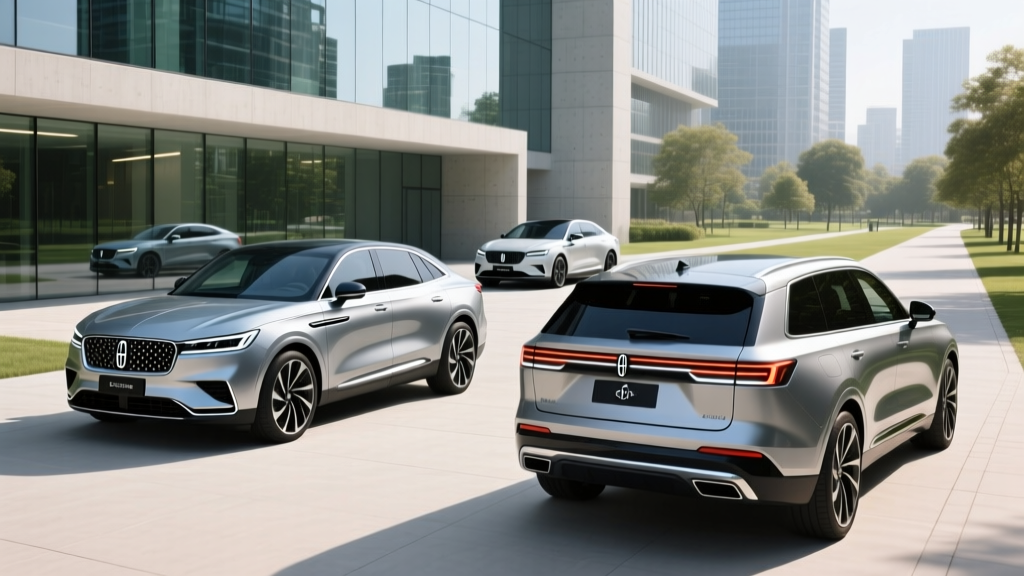
The Corsair Grand Touring is Lincoln's sole electrified model. It pairs a 2.5-liter four-cylinder engine with an electric motor and a 14.4 kWh lithium-ion battery pack (NMC chemistry). Combined output is 266 horsepower. The EPA rates it at 28 miles of electric-only range and 78 MPGe when operating in EV mode, dropping to 33 MPG combined in hybrid operation.
Real-world electric range: Expect closer to 22–25 miles in mixed driving, particularly in colder climates or at highway speeds. The battery's usable capacity is approximately 11.5 kWh after accounting for the buffer Lincoln reserves to protect longevity.
Announced: Lincoln Aviator EV
Ford confirmed the Aviator will receive a fully electric variant built on a next-generation platform. As of this writing, the Aviator EV is announced but not yet on sale. Preliminary targets suggest a battery in the 100+ kWh range with an estimated 300+ miles of EPA range, but Lincoln has not published final specs. Pricing is expected to start in the $70,000–$80,000 range.
Future: Next-Generation Navigator EV Platform
Lincoln has signaled that the next-generation Navigator will ride on a dedicated EV platform, likely arriving for the 2027 or 2028 model year. No official specs, pricing, or timeline have been confirmed. This is speculative at this stage.
| Model | Type | Status | Electric Range | Est. Starting MSRP |
|---|---|---|---|---|
| Corsair Grand Touring | PHEV | Available | 28 mi (EPA) | $53,995 |
| Aviator EV | BEV | Announced | 300+ mi (est.) | $70,000–$80,000 (est.) |
| Navigator EV | BEV | Future (2027–2028) | TBD | TBD |
Corsair Grand Touring PHEV: Deep-Dive Specs and Ownership Costs
Since the Corsair Grand Touring is the only Lincoln EV you can actually buy today, let's break down what ownership looks like with real numbers.
Spec Table: 2026 Lincoln Corsair Grand Touring
| Spec | Value |
|---|---|
| Powertrain | 2.5L I4 + electric motor (PHEV) |
| Combined Horsepower | 266 hp |
| Battery Capacity | 14.4 kWh (NMC, ~11.5 kWh usable) |
| EPA Electric-Only Range | 28 miles |
| Real-World EV Range | 22–25 miles (mixed), 18–20 miles (highway/cold) |
| EPA MPG (Hybrid Mode) | 33 combined (34 city / 32 highway) |
| MPGe (EV Mode) | 78 MPGe |
| Level 2 Charging (240V) | ~3.5 hours (0–100%) |
| Level 1 Charging (120V) | ~10–12 hours (0–100%) |
| DC Fast Charging | Not available |
| 0–60 mph | ~7.0 seconds (est.) |
| Cargo Volume | 27.6 cu ft (rear seats up) |
| Battery Warranty | 8 years / 100,000 miles |
| Base MSRP | $53,995 |
Charging the Corsair PHEV: What You Need to Know
The Corsair Grand Touring charges via a standard J1772 connector. Because the battery is small (14.4 kWh), it does not support DC fast charging — this is typical for PHEVs in this class.
| Level | Power | Time (0–100%) | Miles of EV Range Per Hour |
|---|---|---|---|
| Level 1 (120V outlet) | ~1.4 kW | 10–12 hours | ~2.5 mi/hr |
| Level 2 (240V, 32A) | ~7.7 kW | ~3.5 hours | ~8 mi/hr |
| DC Fast Charge | N/A | N/A | N/A |
Home charging reality: A Level 2 home charger (240V) is strongly recommended. With a 32-amp Level 2 unit, you can fully replenish the battery overnight — even with a late-night plug-in. Installation costs for a Level 2 home setup typically range from $500 to $2,000 depending on whether your electrical panel needs an upgrade (a 200-amp panel is usually sufficient; older homes with 100-amp panels may face a $1,500–$3,000 upgrade). Always consult a licensed electrician for your specific situation.
Lincoln Corsair PHEV vs. Gas Corsair vs. Competitor EVs
If you're cross-shopping, the key question is whether the PHEV premium over a gas Corsair is worth it — and whether you should skip Lincoln entirely for a full EV from another brand.
| Spec | Corsair Grand Touring (PHEV) | Corsair (Gas AWD) | Cadillac Lyriq (BEV) | Genesis Electrified GV70 (BEV) |
|---|---|---|---|---|
| Starting MSRP | $53,995 | $40,885 | $58,590 | $68,050 |
| EPA Range / MPG | 28 mi EV + 33 MPG | 25 MPG combined | 314 mi | 236 mi |
| Horsepower | 266 hp | 250 hp | 340 hp | 429 hp |
| Annual Fuel/Energy Cost* | ~$900 | ~$2,100 | ~$650 | ~$750 |
| Home Charging Needed? | Recommended | No | Essential | Essential |
| Federal Tax Credit (§30D) | Up to $7,500 (if eligible) | None | Up to $7,500 (if eligible) | Likely ineligible (assembly) |
*Annual fuel/energy cost based on 15,000 miles/year and national average electricity/gas prices per fueleconomy.gov. Actual costs vary by region and driving pattern.
The $13,000 PHEV premium: The Grand Touring costs roughly $13,000 more than a base gas Corsair. At an annual fuel savings of approximately $1,200 (assuming you charge regularly and drive mostly within the 28-mile EV window), the payback period on fuel alone is around 10–11 years — longer than most owners keep a vehicle. The PHEV makes financial sense primarily if you value the quieter, smoother electric driving experience, qualify for the full $7,500 federal tax credit (reducing the premium to ~$5,500), or live in a state with additional incentives.
Federal Tax Credit: Does a Lincoln EV Qualify?
Under current IRS §30D rules, the Lincoln Corsair Grand Touring PHEV may qualify for up to $7,500 in federal tax credits, but eligibility is not automatic. Here's the checklist:
- MSRP cap: SUVs/vans/pickups must be under $80,000 MSRP. The Corsair Grand Touring qualifies (base ~$53,995).
- Buyer income cap: Modified AGI must not exceed $150,000 (single), $225,000 (head of household), or $300,000 (joint). If you're over these limits, no credit.
- Battery sourcing: The credit is split into two halves — $3,750 for critical minerals and $3,750 for battery component sourcing. The percentage you receive depends on where the battery materials are sourced and processed. These thresholds tighten each year.
- Point-of-sale transfer: As of 2024, you can transfer the credit to the dealer at purchase, reducing your out-of-pocket cost immediately rather than waiting for tax filing.
- Assembly: The vehicle must undergo final assembly in North America. The Corsair is assembled in Louisville, Kentucky, so it meets this requirement.
Critical caveat: Battery sourcing requirements have tightened significantly by 2026, and the exact credit amount for the Corsair may be less than the full $7,500. Always verify the current credit amount on fueleconomy.gov before purchasing, and consult a tax professional for your specific situation.
Real-World Ownership: What First-Time Lincoln EV Buyers Should Know
Common Lincoln EV Misconceptions — Myth vs. Fact
| Myth | Fact |
|---|---|
| "The Corsair PHEV can drive 28 miles on electricity no matter what." | 28 miles is the EPA estimate. Highway driving at 70+ mph, cold weather below 40°F, and hilly terrain can reduce EV range to 18–22 miles. |
| "I don't need to charge it — it runs on gas too." | True, but you'll pay for the PHEV premium without capturing any fuel savings if you never plug in. An uncharged PHEV gets about 33 MPG — comparable to many gas-only crossovers. |
| "Lincoln will have a full EV SUV I can buy this year." | The Aviator EV is announced but not yet in production. No Lincoln BEV is available for purchase as of early 2026. |
| "The federal tax credit is guaranteed at $7,500." | Credit amount depends on your income, the vehicle's battery sourcing compliance, and MSRP caps. Many buyers receive a partial credit or none at all. |
| "PHEVs have expensive battery replacements." | The Corsair's PHEV battery is warranted for 8 years/100,000 miles. Replacement cost (if needed out of warranty) is estimated at $5,000–$8,000, but most PHEV batteries outlast the vehicle. |
Cold Weather and the Corsair PHEV
If you live in the northern U.S., cold weather will noticeably reduce your electric-only range. Lithium-ion batteries lose efficiency below freezing, and cabin heating draws from the battery. Expect 20–30% range reduction in sub-40°F conditions — meaning your 28-mile EV window shrinks to roughly 20 miles or less. The gas engine will kick in sooner. The Corsair does use an engine-heat-based cabin warming system in hybrid mode, which helps preserve battery energy once the engine is running.
Driving Patterns That Make the PHEV Worth It
The Corsair Grand Touring PHEV is ideal if your daily commute is under 25 miles round-trip and you have access to Level 2 charging at home or work. In that scenario, you'll drive almost entirely on electricity during the week and use gas only for longer weekend trips. If your commute exceeds 30 miles, you'll burn through the EV range quickly and spend most of your time in hybrid mode — at which point, the gas-only Corsair (cheaper upfront, 25 MPG) might be the more pragmatic choice.
Cost Breakdown: 5-Year Ownership Comparison
| Category | Corsair Grand Touring PHEV | Corsair Gas AWD | Cadillac Lyriq (BEV) |
|---|---|---|---|
| Base MSRP | $53,995 | $40,885 | $58,590 |
| Federal Tax Credit (est.) | –$3,750 to –$7,500 | $0 | –$3,750 to –$7,500 |
| Effective Purchase Price | $46,495–$50,245 | $40,885 | $51,090–$54,840 |
| Home Charger Install | $500–$2,000 | $0 | $500–$2,000 |
| Fuel/Energy (5 yrs, 15K mi/yr) | $3,500–$5,000 | $10,500 | $2,800–$3,800 |
| Maintenance (5 yrs) | $2,500–$3,500 | $3,500–$4,500 | $1,500–$2,500 |
| Insurance (5 yrs, avg.) | $9,000–$11,000 | $7,500–$9,500 | $9,500–$12,000 |
| Estimated 5-Year Total | $62,000–$71,745 | $62,385–$66,885 | $65,390–$75,140 |
Key takeaway: Over five years, the Corsair PHEV and gas Corsair land in a similar total-cost range, with the PHEV's higher purchase price partially offset by lower fuel and maintenance costs. The Lyriq offers more range and a pure EV experience but at a higher overall cost. Insurance is typically 10–20% higher for electrified vehicles — get quotes before committing.
Decision Framework: Should You Buy a Lincoln EV?
If / Then Buying Guide
- If your daily commute is under 25 miles and you can charge at home → The Corsair Grand Touring PHEV makes sense. You'll drive mostly on electricity, enjoy a smooth quiet ride, and rarely visit a gas station. Verify your tax credit eligibility first.
- If you need a 3-row luxury SUV and want to go electric → Lincoln doesn't have an option yet. Consider the Kia EV9 (3-row, ~$54,900, 279–304 mi range), Rivian R1S (~$79,900, 321–410 mi), or wait for the Lincoln Aviator EV (announced, no firm date).
- If you want a full EV today in the Lincoln price range → The Cadillac Lyriq ($58,590, 314 mi range), BMW iX xDrive50 ($87,250, 307 mi), or Genesis Electrified GV70 ($68,050, 236 mi) are your closest alternatives. Note the Lyriq and iX use NACS/CCS charging respectively — verify connector compatibility with your local charging network.
- If you can't charge at home → A PHEV like the Corsair loses most of its advantage if you can't plug in regularly. A conventional hybrid (like the Toyota Highlander Hybrid, 36 MPG) or a gas vehicle may be more practical until public charging infrastructure improves in your area.
- If you're set on the Lincoln brand and want full electric → You'll need to wait. The Aviator EV is the most likely candidate, expected in the 2026–2027 timeframe, but Lincoln has not confirmed a firm on-sale date or final specifications.
Frequently Asked Questions
Does Lincoln make a fully electric vehicle in 2026?
No. As of early 2026, Lincoln's only electrified vehicle is the Corsair Grand Touring plug-in hybrid. The Aviator EV has been announced but is not yet available for purchase. Lincoln has not released a production BEV.
How far can the Lincoln Corsair PHEV drive on electricity alone?
The EPA estimates 28 miles of electric-only range. In real-world driving — especially at highway speeds or in cold weather — expect 20–25 miles. Once the battery is depleted, the gas engine takes over and delivers 33 MPG combined.
Does the Lincoln Corsair Grand Touring qualify for the $7,500 federal tax credit?
It may qualify for up to $7,500, but the actual amount depends on your income (must be under $150K single / $300K joint), the vehicle's battery sourcing compliance (which changes annually), and MSRP caps. Check the latest eligibility on fueleconomy.gov and consult a tax professional.
Can I fast-charge the Lincoln Corsair PHEV on a road trip?
No. The Corsair Grand Touring does not have DC fast charging capability. It charges at up to ~7.7 kW on Level 2 (240V), taking about 3.5 hours for a full charge. This is standard for PHEVs with smaller battery packs.
How does the Corsair PHEV compare to a gas-only luxury SUV?
The Corsair PHEV costs roughly $13,000 more upfront than the gas Corsair but saves about $1,200/year in fuel if you charge regularly. The PHEV offers a smoother, quieter driving experience in EV mode and lower tailpipe emissions for short trips. For long highway trips, both versions burn gas — the PHEV at 33 MPG vs. the gas model's 25 MPG.
When will the Lincoln Aviator EV be available?
Lincoln has confirmed the Aviator EV is in development but has not announced a firm on-sale date. Industry estimates point to late 2025 or 2026 for initial production, but this is unconfirmed. Final specs, pricing, and range figures have not been published.
What should I budget for home charging installation?
A Level 2 (240V) home charger installation typically costs $500–$2,000 for the equipment and electrician labor, assuming your electrical panel has sufficient capacity. If you need a panel upgrade (from 100A to 200A), add $1,500–$3,000. Always get a quote from a licensed electrician before purchasing a PHEV or EV.