Can You Actually Buy a Light Purple Tesla in 2026?
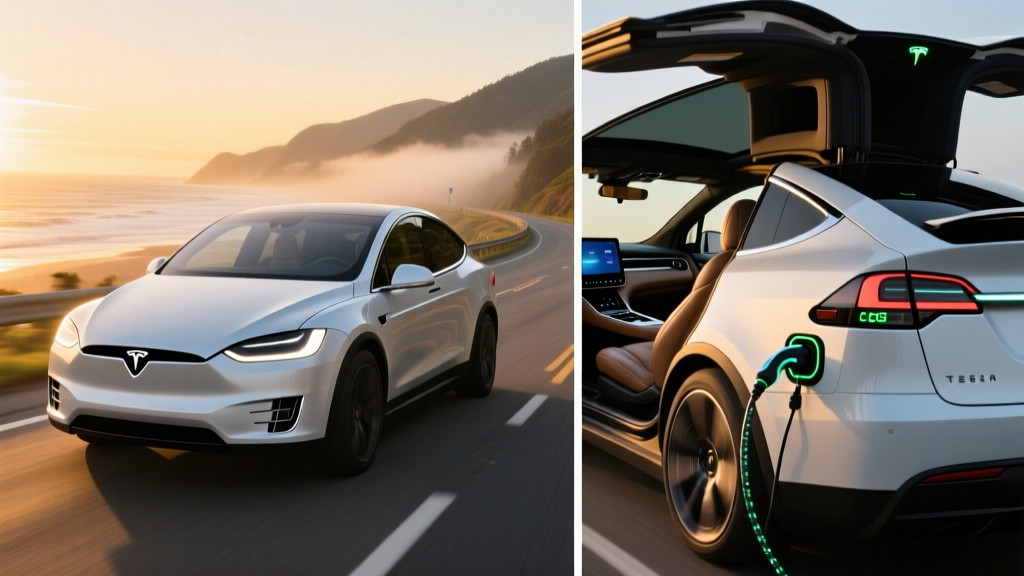
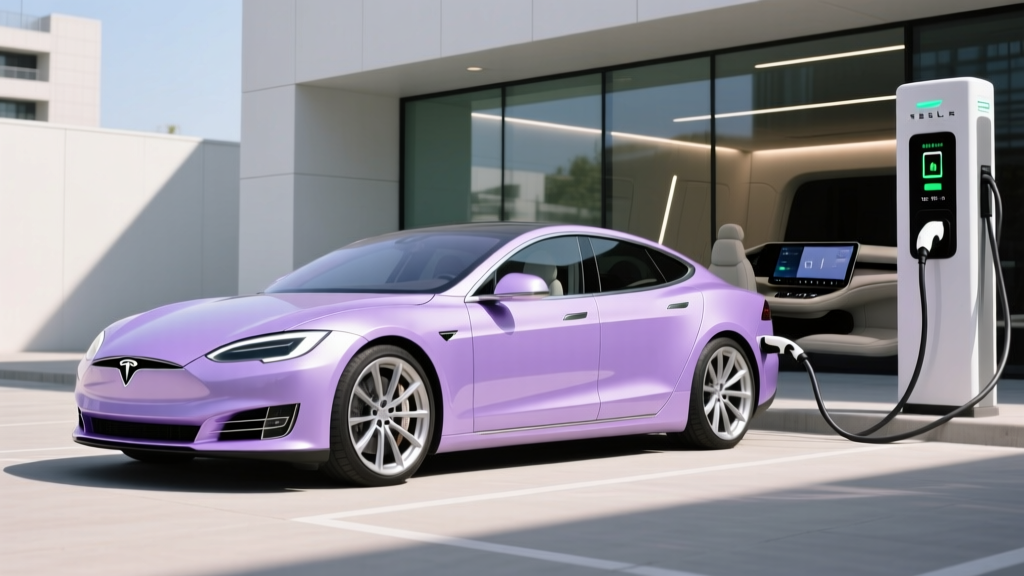
If you've been searching for a light purple Tesla, here's the short answer: Tesla does not currently offer a factory light purple paint option on the Model 3, Model Y, Model S, or Model X for the 2026 model year. But that hasn't stopped thousands of buyers from creating one. The path to a lavender, lilac, or violet Tesla is well-trodden — through premium vinyl wraps, aftermarket paint, or Tesla's occasional limited-run colors.
This guide breaks down exactly how to get a light purple Tesla in 2026, which model to choose as your base vehicle, and provides a full spec review of the most popular platform for custom colors: the 2026 Tesla Model 3 Long Range AWD — the best balance of range, value, and daily usability for a wrap project. We'll also cover the Model Y for buyers who need more cargo space.
Tesla's 2026 Factory Color Palette (and Why Purple Isn't on It)
Tesla's standard paint lineup for the 2026 Model 3 and Model Y includes five core colors:
- Stealth Grey (no-cost standard on Model 3)
- Pearl White Multi-Coat ($0–$1,000 depending on model)
- Solid Black ($1,500–$2,000)
- Deep Blue Metallic ($1,000–$2,000)
- Ultra Red ($2,500–$3,000)
Tesla has historically rotated special colors through its paint program — including Quicksilver and Midnight Cherry Red — but a true light purple or lavender has never been a standard production offering. Some regional markets have seen limited runs of colors like Midnight Purple (a dark, near-black violet) on the Model S, but nothing in the pastel or light purple family.
This means achieving a light purple Tesla requires going aftermarket. The two primary routes:
- Premium vinyl wrap — the most popular, reversible, and cost-effective option
- Custom paint respray — more permanent, more expensive, and can affect resale value
2026 Tesla Model 3 Long Range AWD: Full Spec Review
The Model 3 Long Range AWD is the ideal canvas for a light purple wrap. It offers the best range-per-dollar in Tesla's lineup and qualifies for more incentives than the Performance trim. Here's every number that matters.
| Spec | Value |
|---|---|
| EPA Estimated Range | 341 miles |
| Battery Capacity (usable) | ~75 kWh (NMC chemistry) |
| Drivetrain | Dual-Motor AWD |
| Horsepower | ~346 hp (combined) |
| 0–60 mph | 4.2 seconds |
| Top Speed | 125 mph |
| MPGe (combined) | 134 MPGe |
| Energy Consumption | 25 kWh/100 mi |
| Max DC Fast-Charge Rate | 250 kW (peak) |
| 10–80% DC Fast Charge | ~27 minutes |
| Level 2 Home Charging | 11.5 kW (~44 mi/hr) |
| Cargo Volume | 23 cu ft (rear trunk) + 3.1 cu ft (frunk) |
| Rear Legroom | 35.3 inches |
| Front Legroom | 42.0 inches |
| Battery/Powertrain Warranty | 8 years / 120,000 miles |
| Basic Vehicle Warranty | 4 years / 50,000 miles |
| Base MSRP | $42,130 |
Sources: EPA fueleconomy.gov, Tesla Model 3 configurator
Real-World Range: What to Actually Expect
EPA Sticker: 341 miles
Highway driving (70–75 mph, 65°F): Expect ~285–305 miles
Cold weather (below 32°F, mixed driving): Expect ~235–270 miles
City/regenerative driving (mild weather): Can approach or slightly exceed 341 miles
The Model 3 Long Range's NMC battery and heat pump help mitigate cold-weather losses compared to older Teslas, but physics still applies. Plan road trips around 250–280 miles of usable range to keep a safety buffer.
The 2026 Model 3 Highland refresh brought improved aerodynamics (drag coefficient ~0.219 Cd) and a more efficient heat pump, which helps preserve range in cold climates. On a 300-mile highway trip at 72 mph in 45°F weather, owners consistently report arriving with 10–15% State of Charge remaining — tight but manageable.
Charging Speed: Home and DC Fast Charging
Charging speed is where Tesla still holds a structural advantage over most competitors, thanks to the Supercharger network and the vehicle's native NACS connector.
| Charging Level | Power (kW) | Miles Added per Hour | Notes |
|---|---|---|---|
| Level 1 (120V household) | ~1.4 kW | ~3–5 mi/hr | Emergency/top-up only |
| Level 2 (240V, 48A Wall Connector) | 11.5 kW | ~44 mi/hr | Full charge overnight (~7–8 hrs from 10%) |
| Level 2 (240V, 32A mobile connector) | 7.7 kW | ~30 mi/hr | Slower but no hardwired install needed |
| DC Fast Charge (Tesla Supercharger V3) | 250 kW peak | ~175 mi in 15 min | 10–80% in ~27 min; tapers sharply above 80% |
| DC Fast Charge (CCS adapter, non-Tesla) | ~150–170 kW typical | Varies | Works at Electrify America, EVgo, etc. |
Charging curve reality check: The Model 3 Long Range peaks at 250 kW only when the battery is between roughly 10–30% State of Charge and properly preconditioned. Above 50% SoC, the rate drops to ~100–120 kW, and above 80% it falls below 50 kW. This is normal for NMC chemistry — Tesla's battery management system protects long-term health by tapering charge speed. Always precondition via the car's navigation before arriving at a Supercharger to hit peak speeds.
Pricing, Trims, and Federal Tax Credit Eligibility
Here's what you'll actually pay for a 2026 Tesla Model 3 Long Range AWD, and whether the federal §30D tax credit applies.
| Trim | MSRP | Est. Price After §30D Credit | Notes |
|---|---|---|---|
| Model 3 RWD | $36,630 | ~$29,130* | Base; RWD; ~321 mi range |
| Model 3 Long Range AWD | $42,130 | ~$34,630* | Best value; 341 mi; dual-motor |
| Model 3 Performance | $49,130 | ~$41,630* | 315 mi; 0–60 in 2.9s; track mode |
*Tax credit figures assume full §30D eligibility. See caveats below.
Federal EV Tax Credit (§30D) — Current Rules for 2026
The IRS §30D clean vehicle credit offers up to $7,500 for qualifying new EVs, but eligibility depends on several factors that change frequently:
- ✅ MSRP cap: Sedans must be ≤$55,000 (all Model 3 trims qualify)
- ✅ Buyer income cap: Modified AGI ≤$150,000 (single) / ≤$300,000 (joint)
- ⚠️ Battery sourcing: Critical minerals and battery components must meet phased-in domestic/free-trade sourcing thresholds — Tesla has largely met these for Model 3, but verify at purchase
- ✅ Point-of-sale transfer: You can apply the credit at the dealer (Tesla) to reduce your purchase price directly, rather than waiting for tax filing
- ⚠️ Final assembly: Must be assembled in North America (Model 3 is built in Fremont, CA and Austin, TX — qualifies)
Model 3 vs. Model Y: Which Is the Better Wrap Base?
If you're investing in a custom light purple wrap, the base vehicle matters. Here's how the two most popular platforms compare for this project.
| Attribute | Model 3 LR AWD | Model Y LR AWD |
|---|---|---|
| Base MSRP | $42,130 | $46,130 |
| EPA Range | 341 miles | 320 miles |
| MPGe (combined) | 134 MPGe | 122 MPGe |
| 0–60 mph | 4.2 sec | 4.8 sec |
| Cargo Volume | 23 cu ft + 3.1 frunk | 76 cu ft (rear seats folded) + 4.1 frunk |
| Rear Legroom | 35.3 in | 41.6 in |
| Wrap Cost (full body) | $2,500–$4,000 | $3,000–$5,000 (larger surface area) |
| Best For | Commuters, couples, efficiency | Families, cargo haulers, road trips |
- You prioritize maximum range and efficiency
- You commute solo or with one passenger
- You want the lowest total project cost
- You prefer sportier driving dynamics
- You need room for kids, car seats, or cargo
- You take frequent road trips with 3+ passengers
- You value easy rear-seat access
- You want hatchback versatility for gear/pets
How to Get a Light Purple Tesla: Wrap vs. Paint
There are two realistic paths to a lavender, lilac, or light purple Tesla. Here's what each involves in terms of cost, durability, and impact on your vehicle.
Option 1: Premium Vinyl Wrap (Recommended)
A high-quality vinyl wrap from brands like 3M, Avery Dennison, or KPMF is the most popular route. Benefits include:
- Cost: $2,500–$5,000 for a full-body wrap (Model 3); $3,000–$5,500 (Model Y)
- Reversibility: Can be removed to reveal original paint — preserves resale value
- Protection: Acts as a paint protection layer against chips and UV
- Durability: 5–7 years with proper care; hand-wash only (no automatic car washes with brushes)
- Color options: Satin lavender, metallic lilac, gloss light purple, matte violet — virtually any shade is available
- Timeline: 2–4 days for professional installation
Popular light purple wrap shades among Tesla owners include "Satin Chrome Lavender," "Metallic Lilac," and "Gloss Pastel Purple." Many wrap shops can color-match to a specific Pantone or RAL reference if you have an exact shade in mind.
Option 2: Custom Paint Respray
- Cost: $5,000–$12,000+ for a quality multi-stage respray
- Permanence: Irreversible; may lower resale value (buyers prefer factory colors)
- Quality variance: Cheap resprays show orange peel, mismatched panels, and overspray
- Warranty risk: May complicate body-related warranty claims if Tesla determines paintwork caused an issue
For 90%+ of buyers, a vinyl wrap is the superior choice. It's cheaper, reversible, protective, and offers a wider range of purple shades than any paint shop.
Tech, Driver Assistance, and Interior
The 2026 Model 3 Highland interior carries over Tesla's minimalist approach with meaningful improvements over the pre-2024 version:
- 15.4-inch center touchscreen with faster processor and ventilated front seats controls
- Ambient lighting — customizable RGB strip across the dash (pairs well with a purple exterior theme)
- Rear 8-inch touchscreen for climate and media control
- Acoustic glass all around — significantly quieter cabin than pre-Highland Model 3
- Ventilated front seats (new for the Highland refresh)
- Bluetooth 5.3 and improved phone-as-key reliability
Driver Assistance: Autopilot and FSD (Supervised)
Tesla Autopilot and Full Self-Driving (Supervised) are SAE Level 2 driver-assistance systems. The driver must remain attentive, keep hands on the wheel, and be prepared to take over at any moment. These are not self-driving systems. Only Level 4 services like Waymo operate without a human driver in defined areas.
- Basic Autopilot (included): Traffic-aware cruise control, lane centering, automatic emergency braking
- FSD Supervised ($8,000 one-time or $99/month): Adds automatic lane changes, Navigate on Autopilot, traffic light/stop sign recognition, parking assist. Still requires full driver supervision.
FSD has improved substantially in 2025–2026 with the v13 neural network architecture, but real-world performance still varies by geography, weather, and road complexity. It's a convenience tool, not a replacement for an attentive driver.
Pros and Cons of a Light Purple Tesla Project
- Unique, head-turning color that stands out in any parking lot
- Model 3 LR offers 341 mi EPA range — among the best in its class
- Supercharger network remains the most reliable DC fast-charging ecosystem
- Wrap protects factory paint and is fully reversible
- Strong §30D tax credit eligibility (up to $7,500)
- Low running costs: ~$0.04–$0.06/mile on home charging
- OTA updates continuously add features
- Light purple is not a factory color — requires $2,500–$5,000 aftermarket investment
- Wrap requires hand-washing; no automatic brush car washes
- Custom color may not appeal to all future buyers at resale
- Model 3 rear seat is snug for tall adults (35.3 in legroom)
- No physical buttons — all controls through touchscreen
- Insurance premiums run 15–25% higher than comparable gas sedans
- FSD ($8,000) remains a Level 2 system despite the "Full Self-Driving" name
Who Should Buy a Light Purple Tesla?
A custom-color Tesla project makes the most sense for specific buyer profiles:
- The style-conscious commuter: You drive 20–60 miles daily, have home charging, and want a car that reflects your personality while keeping fuel costs near zero.
- The EV enthusiast who already knows the platform: You've owned or researched Teslas extensively and want to personalize your next one beyond the standard five colors.
- The content creator or brand builder: A distinctive light purple Tesla is instantly recognizable on social media and at EV meetups — it's a rolling personal brand statement.
This project is less ideal if you want a factory-original vehicle for maximum resale simplicity, or if you need maximum cargo/passenger space (choose the Model Y or look outside Tesla for the Hyundai Ioniq 5 or Kia EV6, which also accept wraps beautifully).
Frequently Asked Questions
What is the real-world range of the 2026 Tesla Model 3 Long Range?
The EPA rates it at 341 miles. In real-world highway driving at 70–75 mph in mild weather, expect 285–305 miles. In cold weather (below 32°F), plan for 235–270 miles. City driving with regenerative braking can match or slightly exceed the EPA figure.
How fast does the Model 3 Long Range charge?
On a Tesla V3 Supercharger, it peaks at 250 kW and charges from 10–80% in approximately 27 minutes. On a Level 2 home charger (48A Wall Connector), it adds about 44 miles of range per hour, reaching a full charge overnight in 7–8 hours.
How much does a light purple Tesla cost after tax credits?
A 2026 Model 3 Long Range AWD starts at $42,130. With the full $7,500 §30D federal credit (if eligible), the effective price drops to ~$34,630. Add $2,500–$4,000 for a quality light purple vinyl wrap, bringing the total project to roughly $37,130–$38,630 out the door before state incentives.
Does the 2026 Tesla Model 3 qualify for the federal EV tax credit?
Yes — all Model 3 trims fall under the $55,000 MSRP sedan cap and are assembled in North America. However, buyer income caps ($150K single / $300K joint), battery sourcing requirements, and point-of-sale transfer rules all apply. Verify at irs.gov before purchasing.
Is a light purple Tesla worth it vs. competitors?
If personalization is a priority, yes. The Model 3 Long Range offers class-leading range (341 mi), Supercharger access, and strong efficiency (134 MPGe). Competitors like the Hyundai Ioniq 6 (361 mi range, $39,500) and BMW i4 eDrive40 (307 mi, $52,200) are strong alternatives that also accept wraps well. The Tesla's advantage remains the Supercharger network and software ecosystem.
Will a vinyl wrap void my Tesla warranty?
No. A professionally installed vinyl wrap does not void Tesla's battery, powertrain, or basic vehicle warranty. However, if a wrap installation damages a sensor, camera, or trim piece, that specific damage would not be covered. Choose an experienced wrap shop familiar with Tesla's camera and sensor locations.
Does wrapping affect Tesla's cameras and Autopilot sensors?
A skilled installer will carefully cut around all cameras, ultrasonic sensor areas (if equipped), and the front radar zone (on applicable models). The wrap material should never cover any camera lens or sensor opening. Confirm your shop has Tesla-specific experience.