The Quick Answer: What Is the Lexus Highlander EV Sibling?
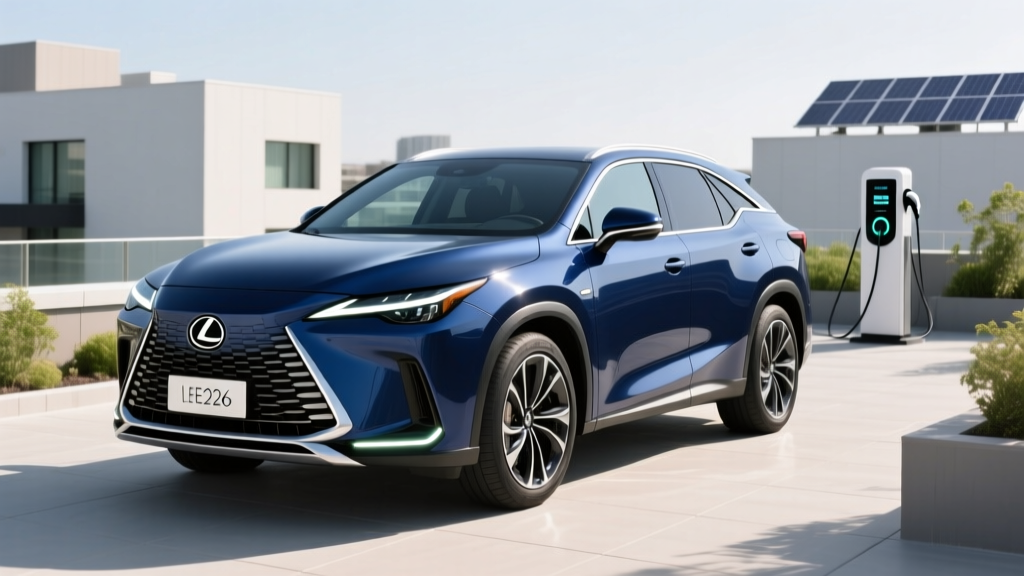
The Lexus Highlander's closest sibling is the Lexus TX — a three-row luxury SUV built on the same TNGA-K platform as the Toyota Grand Highlander. As of early 2026, Lexus sells the TX in gas (TX 350), hybrid (TX 500h), and plug-in hybrid (TX 550h+) form. A fully electric variant — widely reported as the Lexus TX EV or potentially rebranded under Lexus's next-gen EV naming scheme — has been announced as part of Toyota's expanded electrification roadmap but has not yet gone on sale. Specs below are based on Lexus's published platform details, the closely related Toyota bZ Large SUV concept, and industry reporting. Treat all figures as preliminary until Lexus confirms production specs.
What We Know About the Lexus TX EV Platform
The battery-electric Lexus TX variant is expected to ride on Toyota's dedicated EV architecture (an evolution of the e-TNGA platform used by the bZ4X), stretched to accommodate three rows of seating. Based on Lexus's announcements and the Grand Highlander's dimensions, here are the projected specifications:
| Specification | Projected (Lexus TX EV) | Current TX 550h+ (PHEV) |
|---|---|---|
| Platform | e-TNGA (extended wheelbase) | TNGA-K |
| Battery (usable) | ~95–105 kWh (NMC estimated) | 18.1 kWh (NMC) |
| EPA Range | ~300–340 miles (est.) | 33 mi EV + 430 mi total |
| Drivetrain | Dual-motor AWD (est.) | 2.4L turbo hybrid AWD |
| Horsepower | ~400–450 hp (est.) | 366 hp combined |
| 0–60 mph | ~5.0–5.5 sec (est.) | 5.9 sec |
| DC Fast Charge (peak) | ~150–200 kW (est.) | N/A (Level 2 only) |
| 10–80% DC Charge | ~28–35 min (est.) | ~2.5 hr (Level 2) |
| Seating | 6 or 7 passengers | 6 or 7 passengers |
| Starting MSRP | ~$68,000–$75,000 (est.) | $71,610 |
| Battery Warranty | 8 yr / 100,000 mi (est.) | 10 yr / 150,000 mi (hybrid) |
Real-World Range Reality: A projected EPA estimate of 320 miles would likely translate to ~260–280 miles on sustained highway driving at 70+ mph, and potentially ~220–240 miles in sub-freezing winter conditions. Larger SUVs face significant aerodynamic drag penalties at speed. Cold weather can reduce range by 20–30% due to cabin heating and battery chemistry limitations, even with a heat pump system.
EV vs. the TX 550h+ PHEV: Which Powertrain Fits You?
For buyers cross-shopping within the Lexus TX lineup, the plug-in hybrid TX 550h+ is the immediate alternative to the upcoming EV. Here's how they compare on the metrics that matter most to ownership cost and daily usability:
| Factor | Lexus TX EV (Projected) | TX 550h+ (PHEV) | TX 350 (Gas) |
|---|---|---|---|
| Starting MSRP | ~$68,000–$75,000 | $71,610 | $56,150 |
| Electric-Only Range | 300–340 mi (full) | 33 mi | 0 mi |
| MPGe / MPG Combined | ~85–95 MPGe (est.) | 64 MPGe / 29 MPG | 23 MPG |
| Annual Fuel Cost* | ~$650–$850 | ~$1,100–$1,400 | ~$2,400–$2,800 |
| Home Charging Needed | Yes (strongly recommended) | Recommended (Level 2) | No |
| Road Trip Refuel Time | 28–35 min (10–80%) | ~5 min (gas fill) | ~5 min |
| Annual Maintenance | ~$200–$400 | ~$600–$900 | ~$700–$1,000 |
*Annual fuel/energy cost based on 15,000 miles/year, $0.14/kWh national average electricity rate, $3.40/gallon regular unleaded. Your local rates and gas prices will vary significantly. Source: fueleconomy.gov methodology.
Ownership Cost Breakdown: 5-Year Projection
Buying a three-row luxury SUV is a significant financial commitment. Here's a projected 5-year / 75,000-mile total cost of ownership comparison. These figures assume home Level 2 charging access, national-average electricity rates, and current federal incentive rules.
| Cost Category | TX EV (Projected) | TX 550h+ (PHEV) | TX 350 (Gas) |
|---|---|---|---|
| Purchase Price (base) | $72,000 | $71,610 | $56,150 |
| Federal Tax Credit (§30D) | Up to $7,500 (if eligible) | Up to $7,500 (if eligible) | $0 |
| Fuel / Energy (5 yr) | $3,500–$4,250 | $5,500–$7,000 | $12,000–$14,000 |
| Maintenance (5 yr) | $1,000–$2,000 | $3,000–$4,500 | $3,500–$5,000 |
| Insurance (5 yr est.) | $12,000–$15,000 | $10,500–$13,000 | $9,500–$12,000 |
| Home Charger Install | $800–$2,000 | $800–$2,000 | $0 |
| Estimated Depreciation (5 yr) | ~45–55% | ~40–50% | ~45–55% |
| Est. 5-Year Total | ~$85,000–$100,000 | ~$88,000–$102,000 | ~$80,000–$95,000 |
Key caveats: The §30D federal tax credit has strict eligibility rules — your modified adjusted gross income must fall below $150,000 (single) or $300,000 (joint), the vehicle MSRP must not exceed $80,000 for SUVs, and the battery must meet critical-mineral and component sourcing requirements that shift annually. Always verify current-year rules on IRS.gov before purchasing. The credit can now be transferred to the dealer at point of sale, reducing your out-of-pocket cost immediately.
Real-World Ownership: What First-Time EV Buyers Must Know
If the Lexus TX EV will be your first battery-electric vehicle, these practical realities will shape your daily experience far more than spec sheets:
Home Charging Is Non-Negotiable for Convenience
Public DC fast charging works for road trips, but 90%+ of EV charging happens at home. You'll want a Level 2 (240V) home charger installed before delivery. Expect to pay $800–$2,000 for a quality Level 2 unit and professional installation, assuming your electrical panel has capacity. If your home needs a panel upgrade (common in older houses with 100A service), add $1,500–$3,500. A Level 2 charger delivering 7–11 kW will replenish a ~100 kWh battery in 10–14 hours — perfect for overnight charging.
The Charging Curve Is Not Linear
When Lexus quotes a peak DC fast-charge rate (say, 200 kW), that number applies only at a low state of charge (typically 10–30%). The charge rate tapers significantly above 80% SoC to protect battery health. On a road trip, plan your stops to charge from 10–80% (the fastest window) and keep moving. Sitting at a charger from 80–100% can take as long as the 10–80% session — it's why experienced EV road-trippers rarely charge past 80% unless they're at their final destination.
Cold Climate? Plan for Range Loss
If you live where winter temperatures regularly drop below freezing, budget for 20–30% range reduction. Battery chemistry slows in cold temperatures, and cabin heating draws significant energy (unlike a gas car, which uses waste engine heat). A heat pump — expected on the TX EV — helps but doesn't eliminate the penalty. If your commute is 80 miles round-trip and you project 320 miles of range, winter may leave you with 225–255 usable miles. Still sufficient, but the margin narrows.
Insurance Premiums Run Higher
EVs typically cost 15–25% more to insure than comparable gas vehicles, driven by higher repair costs, specialized parts, and battery replacement risk. Get quotes from your insurer before committing. Some insurers offer EV-specific discounts, but expect the premium to be a meaningful line item.
Common Misconceptions — Fact-Checked
| Myth | Fact |
|---|---|
| "EV batteries need replacing every 5 years" | Modern NMC and LFP batteries are designed for 150,000–200,000+ miles with 70–80% capacity retention. Lexus/Toyota warranties the hybrid battery for 10 years/150,000 miles; the EV battery warranty is expected to be at least 8 years/100,000 miles per federal mandate. |
| "A 3-row EV can't tow" | Electric SUVs with dual motors often tow 3,500–5,000 lbs. Towing does cut range by 30–50%, but the capability exists. Check the final tow rating when published. |
| "The $7,500 tax credit applies to everyone" | The §30D credit has income caps ($150K single / $300K joint MAGI), MSRP caps ($80K for SUVs), and battery sourcing rules. Many luxury-trim buyers may exceed the MSRP cap. Verify on IRS.gov. |
| "Public charging is unreliable everywhere" | Tesla Superchargers consistently show 95%+ uptime. Electrify America and EVgo have improved but still lag. The TX EV will likely use NACS (Tesla's connector, now the industry standard), opening access to the Supercharger network — a significant reliability advantage. |
| "The Lexus TX EV is available now" | As of early 2026, Lexus has not opened orders for a fully electric TX. The TX 350, TX 500h, and TX 550h+ are available. Treat any EV range/price figures as preliminary estimates. |
Decision Framework: Should You Wait for the TX EV or Buy Now?
Buy the TX 550h+ (PHEV) Now If:
- You need a three-row Lexus SUV within the next 3–6 months
- Your daily commute is under 30 miles (the 33-mile EV range covers most errands emission-free)
- You frequently drive to rural areas or regions with sparse charging infrastructure
- You want the security of a gas engine for long road trips without planning charging stops
- You lack reliable home charging access
Wait for the Lexus TX EV If:
- You have home Level 2 charging (or can install it)
- Your daily driving is under 200 miles and you can charge overnight
- You want to eliminate gas station visits entirely
- Lower per-mile energy cost and reduced maintenance matter to your budget
- You're willing to wait until late 2026 or 2027 for production and delivery
- You want access to Tesla's Supercharger network via NACS
Consider the Toyota bZ Large SUV Instead If:
- You want a three-row electric SUV sooner and can forgo the Lexus badge
- Budget is a primary concern — Toyota pricing will likely undercut Lexus by $10,000–$15,000
- You prioritize value over luxury trim materials and dealership experience
Frequently Asked Questions
Is the Lexus TX the same as the Toyota Grand Highlander?
They share the same underlying platform (TNGA-K) and similar dimensions, but the Lexus TX features a unique exterior design, higher-grade interior materials, standard third-row seating, different suspension tuning, and Lexus's dealership/warranty experience. The upcoming EV variants will likely share a battery-electric platform while maintaining this differentiation.
Will the Lexus TX EV qualify for the $7,500 federal tax credit?
It depends on three factors at time of purchase: (1) your household income must be below the §30D caps, (2) the vehicle's MSRP must not exceed $80,000 for SUVs — higher trims could breach this, and (3) the battery must meet critical-mineral and component sourcing requirements that tighten each year. Always check the latest eligibility list on IRS.gov before purchasing.
What connector will the TX EV use — CCS or NACS?
Toyota and Lexus have confirmed that future EVs sold in North America will adopt the NACS (North American Charging Standard) connector, the same plug used by Tesla. This grants access to Tesla's Supercharger network — currently the most reliable and widespread DC fast-charging network in the US. A CCS adapter may also be available for legacy stations.
How long will charging take on a road trip?
With a projected peak charge rate of 150–200 kW, expect a 10–80% session to take approximately 28–35 minutes at a compatible DC fast charger. That's roughly a rest-stop break. However, actual speed depends on charger output, battery temperature (preconditioning helps), and the charging curve taper. Plan for 30–40 minute stops every 200–250 miles on highway trips.
Should I install a Level 2 charger before the car arrives?
Yes. Contact a licensed electrician 4–6 weeks before your expected delivery date. They'll assess your electrical panel capacity (a 200A panel is ideal), recommend a circuit (typically 40A or 50A for a 32A or 40A charger), pull necessary permits, and install a NEMA 14-50 outlet or hardwired unit. Budget $800–$2,000 for standard installations; add $1,500–$3,500 if a panel upgrade is needed.
How does the TX EV compare to the Rivian R1S or Tesla Model X?
The Rivian R1S (starting ~$79,900, EPA range up to 352 miles, quad-motor option) offers more off-road capability and adventure features. The Tesla Model X (starting ~$84,990, EPA range up to 326 miles) provides the fastest Supercharger access and the most advanced (though Level 2) driver-assist system. The Lexus TX EV would compete on traditional luxury comfort, Lexus reliability reputation, and a potentially lower entry price — but with less proven EV software and charging integration than its rivals.