Quick Answer: Is Lexus an EV?
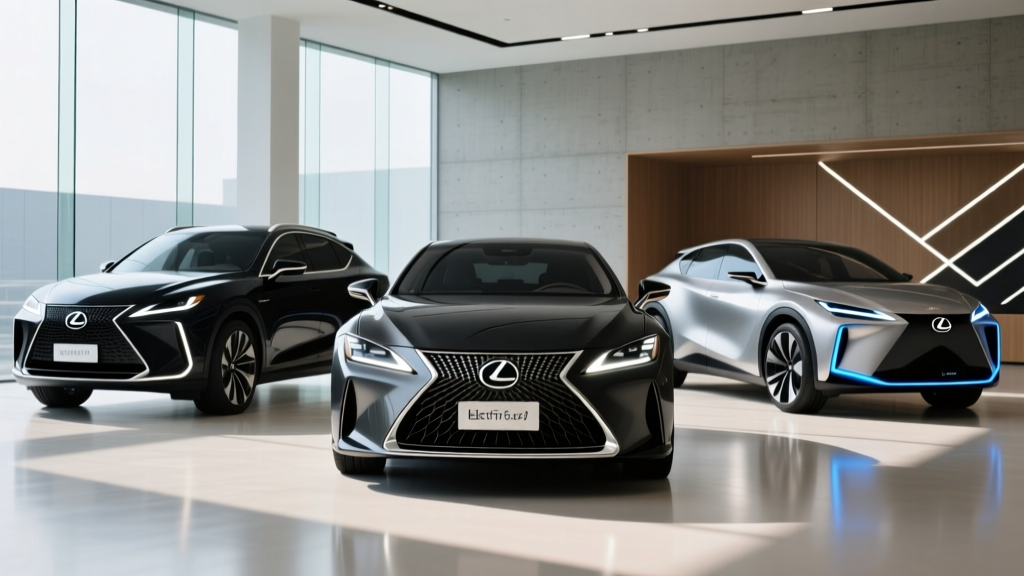
Lexus is not exclusively an EV brand — it sells a mix of conventional hybrids (HEVs), one plug-in hybrid (the NX 450h+), and one fully electric vehicle: the Lexus RZ 450e. As of the 2026 model year, the RZ 450e is the only battery-electric Lexus you can buy. It offers an EPA-estimated 220 miles of range (with 18-inch wheels) and starts at approximately $54,950. Lexus also sells a plug-in hybrid variant of the NX that provides 37 miles of electric-only range. The rest of the Lexus lineup consists of traditional hybrids and a few non-electrified models. If you're searching "is Lexus an EV," the honest answer is: Lexus is partially electrified, with one dedicated BEV and extensive hybrid offerings.
The 2026 Lexus RZ 450e: Lexus's Only Fully Electric Vehicle
The Lexus RZ 450e is built on Toyota's e-TNGA platform — the same architecture underpinning the Toyota bZ4X and Subaru Solterra. It's a compact luxury electric crossover aimed at buyers who want Lexus refinement in a zero-tailpipe-emission package. Here are the numbers that matter:
| Specification | RZ 450e Premium (18" wheels) | RZ 450e Luxury (20" wheels) |
|---|---|---|
| EPA Range | 220 miles | 196 miles |
| Battery Capacity (usable) | 71.4 kWh (LFP chemistry) | 71.4 kWh (LFP chemistry) |
| Drivetrain | Dual-motor AWD (DIRECT4) | Dual-motor AWD (DIRECT4) |
| Horsepower | 308 hp | 308 hp |
| 0–60 mph | 5.0 seconds | 5.0 seconds |
| Peak DC Fast Charge Rate | 150 kW | 150 kW |
| 10–80% DC Charge Time | ~30 minutes | ~30 minutes |
| Level 2 Charge Rate | 7.2 kW (~22 mi/hr) | 7.2 kW (~22 mi/hr) |
| MPGe (combined) | 102 MPGe | 87 MPGe |
| Base MSRP | $54,950 | $59,950 |
| Battery/Powertrain Warranty | 8 yr / 100,000 mi | 8 yr / 100,000 mi |
Real-World Range Reality Check
The EPA rates the RZ 450e at 220 miles (18" wheels), but real-world results vary significantly. In highway driving at 70+ mph, expect closer to 175–190 miles. In cold weather (below 30°F), range can drop another 15–25%, potentially bringing usable range to 140–160 miles on the highway in winter. The 20" wheel Luxury trim's 196-mile EPA rating shrinks proportionally. This is a genuine limitation for road-trippers — the RZ is best suited as a commuter and city/suburban vehicle, not a cross-country cruiser.
Lexus Electrified Lineup: EV vs. Hybrid vs. Plug-In Hybrid
Understanding what Lexus actually offers requires distinguishing between three electrification types. Here's how they compare:
| Category | Model Example | Electric Range | Fuel/Charging | Starting MSRP (2026) |
|---|---|---|---|---|
| Battery Electric (BEV) | RZ 450e | 220 mi (EPA) | Electric only; DC fast + L2 | $54,950 |
| Plug-In Hybrid (PHEV) | NX 450h+ | 37 mi electric-only | Gas + electric; plug to recharge | $51,900 |
| Traditional Hybrid (HEV) | ES 300h / RX 350h | 0 mi (no plug) | Gas; regenerative braking only | $44,000–$52,000 |
The NX 450h+ plug-in hybrid deserves attention if you want electric commuting without range anxiety. Its 37-mile electric-only range covers most daily commutes, and when the battery depletes, it operates as a conventional hybrid returning an EPA-estimated 36 MPG combined. You never need to find a charger on a road trip — just fill up with gas.
Lexus's traditional hybrids (RX 350h, ES 300h, UX 250h, etc.) don't plug in at all. They use small battery packs recaptured through regenerative braking and deliver strong fuel economy — the ES 300h achieves an EPA-estimated 44 MPG combined — but they always burn gasoline.
Cost Breakdown: Owning the RZ 450e vs. a Gas Lexus RX 350
Price tags don't tell the full story. Here's a 5-year cost comparison between the electric RZ 450e and the closely priced gas-powered Lexus RX 350 (AWD), assuming 15,000 miles driven annually, home Level 2 charging, and a national-average electricity rate of $0.16/kWh vs. $3.50/gallon premium unleaded:
| Cost Category (5 Years) | RZ 450e (BEV) | RX 350 AWD (Gas) |
|---|---|---|
| Purchase Price (base MSRP) | $54,950 | $51,000 |
| Federal Tax Credit (§30D) | Not currently eligible* | $0 |
| Fuel / Energy (75,000 mi) | ~$4,200 | ~$9,450 |
| Maintenance (oil, filters, brakes) | ~$1,200 | ~$3,500 |
| Estimated Insurance (avg) | ~$11,500 | ~$9,000 |
| 5-Year Total (approx) | ~$71,850 | ~$72,950 |
*As of 2026, the Lexus RZ 450e does not qualify for the IRS §30D federal tax credit due to battery component and critical mineral sourcing requirements. The RZ is assembled in Japan with battery cells sourced outside North America. Always verify current eligibility with a tax professional before purchasing.
The RZ breaks even or saves modestly over five years, primarily through dramatically lower energy costs. EVs consume roughly 3–4 miles per kWh; at $0.16/kWh, that's about $0.056 per mile vs. $0.14 per mile for the RX 350 at 24 MPG combined. However, EV insurance premiums run 15–30% higher on average, which erodes some savings. The RZ also eliminates oil changes, transmission fluid, and dramatically reduces brake wear through regenerative braking.
Charging the RZ 450e: What You Need to Know
Charging infrastructure is the make-or-break factor for any EV purchase. The RZ 450e uses a CCS1 connector (not NACS/Tesla-style), though Lexus has confirmed future models will adopt NACS. For 2026, RZ owners can use a Toyota/Lexus-approved NACS adapter to access Tesla Supercharger stations.
| Charging Level | Power | Speed (Miles Added/Hour) | Best For |
|---|---|---|---|
| Level 1 (120V household) | ~1.4 kW | ~4–5 mi/hr | Overnight top-ups only |
| Level 2 (240V home/public) | 7.2 kW | ~22 mi/hr | Daily home charging; full charge in ~10 hrs |
| DC Fast Charging | Peak 150 kW | ~130 mi in 30 min (10–80%) | Road trips; tapers significantly above 80% |
Home charging installation is a critical cost many buyers overlook. A Level 2 home charger (240V, 32–48 amp circuit) typically costs:
- Charger hardware: $400–$700 (e.g., ChargePoint Home Flex, Emporia Level 2)
- Electrician labor + permit: $600–$2,500 depending on panel proximity
- Electrical panel upgrade (if needed): $1,500–$4,000 for older homes with 100A service
- Total typical install: $1,000–$3,200 (without panel upgrade)
If you live in an apartment or lack a garage, public charging becomes your primary option. At Electrify America or EVgo stations, DC fast charging the RZ costs roughly $0.35–$0.48/kWh — making public charging nearly as expensive as gasoline per mile. Home charging access is the single biggest determinant of EV satisfaction.
Lexus RZ vs. Competitors: Where It Stands
The luxury compact EV crossover segment is crowded. Here's how the RZ stacks up against key rivals:
| Spec | Lexus RZ 450e | BMW iX xDrive50 | Genesis GV60 (AWD) | Cadillac Lyriq (AWD) |
|---|---|---|---|---|
| EPA Range | 220 mi | 324 mi | 248 mi | 314 mi |
| Battery (usable) | 71.4 kWh | 105.2 kWh | 74.0 kWh | 102.0 kWh |
| Peak DC Charge | 150 kW | 200 kW | 240 kW | 190 kW |
| 10–80% Time | ~30 min | ~31 min | ~18 min | ~34 min |
| Horsepower | 308 hp | 516 hp | 314 hp | 500 hp |
| Base MSRP | $54,950 | $87,250 | $60,000 | $62,900 |
The RZ is the most affordable entry in this group, but it also has the shortest range and the slowest peak charging speed. The BMW iX and Cadillac Lyriq crush it on range; the Genesis GV60 charges significantly faster. The RZ trades on Lexus brand cachet, build quality, and a lower entry price. If range is your top priority, the RZ will disappoint. If you want a refined, quiet, well-built commuter EV from a trusted luxury brand and don't regularly drive more than 150 miles in a day, it works.
Decision Framework: Which Electrified Lexus Is Right for You?
Choose the Lexus RZ 450e (BEV) if:
- You have reliable home Level 2 charging access
- Your daily driving is under 120 miles round-trip
- You rarely take road trips exceeding 200 miles between stops
- You want zero tailpipe emissions and minimal maintenance
- You live in a mild climate (cold weather hits the 71.4 kWh battery hard)
Choose the Lexus NX 450h+ (PHEV) if:
- You want electric-only commuting (37 mi) but also need road-trip flexibility
- You lack consistent home charging but can plug in occasionally
- You want to reduce fuel consumption without depending on charging infrastructure
- Range anxiety is a dealbreaker for you
Choose a Lexus hybrid (HEV, e.g., RX 350h) if:
- You have no access to any plug-in charging at home or work
- You want better fuel economy without changing your driving or fueling habits
- You live in an area with sparse public charging infrastructure
Common Misconceptions About Lexus and EVs
| Myth | Fact |
|---|---|
| "Lexus has a full lineup of electric cars." | Lexus sells exactly one BEV: the RZ 450e. The rest are hybrids or a single PHEV. |
| "The RZ qualifies for the $7,500 federal tax credit." | As of 2026, the RZ 450e does not meet §30D battery sourcing requirements. It is ineligible for the new-vehicle credit. Check the IRS qualified vehicles list before purchasing. |
| "220 miles of range means I can drive 220 miles before charging." | EPA range is a laboratory estimate. Real highway driving yields ~175–190 miles; cold weather reduces this further. Plan to charge at 15–20% remaining. |
| "Lexus EVs charge as fast as Teslas." | The RZ peaks at 150 kW — slower than Tesla Model Y (~250 kW), Genesis GV60 (240 kW), or Hyundai Ioniq 5 (240 kW). A 10–80% charge takes ~30 minutes, not 18. |
| "EV batteries need replacing every few years." | Lexus warranties the RZ battery for 8 years/100,000 miles against capacity loss below 70%. LFP chemistry typically degrades slowly — most EV batteries outlast 150,000+ miles with 85–90% capacity remaining. |
What First-Time EV Buyers Should Know Before Choosing Lexus
If you're considering the RZ 450e as your first electric vehicle, here are the practical realities no brochure will tell you:
- Install your home charger before the car arrives. Scheduling an electrician can take 2–6 weeks. Get a quote early and confirm whether your electrical panel has capacity for a 40-amp circuit.
- Preconditioning matters. The RZ can precondition its battery before DC fast charging if you set a navigation destination to a charger. This warms the battery for faster charging — skip this step in cold weather and your charge speed may be cut in half.
- The charge curve tapers above 80%. That 150 kW peak only applies at low state-of-charge. Above 80%, charging slows dramatically to protect the battery. On road trips, charge from 10–80% and go — don't wait for a full charge.
- Insurance will cost more. EV insurance premiums average 15–30% higher than equivalent gas vehicles due to higher repair costs and battery replacement risk. Get a quote before committing.
- LFP battery chemistry is a plus. The RZ uses lithium iron phosphate (LFP) cells, which degrade more slowly than NMC chemistry and can be safely charged to 100% daily. This is ideal for home-charging routines.
- Check your state incentives separately. While the federal §30D credit doesn't apply, some states offer rebates for EVs regardless of sourcing. California, Colorado, and others have separate programs — consult your state energy office.
Does Lexus make any fully electric cars?
Yes, but only one: the Lexus RZ 450e, a compact luxury electric crossover with 220 miles of EPA-estimated range and a starting price of $54,950. Lexus also offers the NX 450h+ plug-in hybrid with 37 miles of electric-only range. All other Lexus models are traditional hybrids or conventional gasoline vehicles.
Will Lexus release more EVs?
Lexus has announced plans to offer a full BEV lineup by 2030, including an electric sedan and larger SUV. However, as of the 2026 model year, no additional Lexus EVs beyond the RZ 450e are on sale. Upcoming models remain in the announced/preliminary stage — we'll update this guide when production specs and pricing are confirmed.
Is the Lexus RZ 450e worth buying over a Tesla Model Y?
It depends on priorities. The Tesla Model Y Long Range offers 310+ miles of range, access to the Supercharger network natively (NACS), faster DC charging (~250 kW peak), and more cargo space — for a similar or lower price. The RZ wins on interior material quality, ride comfort, and traditional Lexus dealership service. If range and charging speed are top priorities, the Model Y is objectively stronger on paper. If luxury refinement and brand loyalty matter most, the RZ has appeal.
Can I charge a Lexus RZ at Tesla Superchargers?
Yes, using a Toyota/Lexus-approved NACS adapter (sold separately or included depending on model year). The RZ uses a CCS1 connector natively, so the adapter is required for Tesla Supercharger access. Confirm adapter compatibility and any speed limitations with your dealer before purchase.
How long will the Lexus RZ battery last?
Lexus warranties the RZ's 71.4 kWh LFP battery for 8 years or 100,000 miles against capacity loss below 70%. LFP chemistry is known for excellent cycle life — independent data from similar LFP packs suggests 85–90% capacity retention at 150,000 miles is typical. Full battery replacement, if needed outside warranty, currently costs an estimated $12,000–$18,000 including labor.