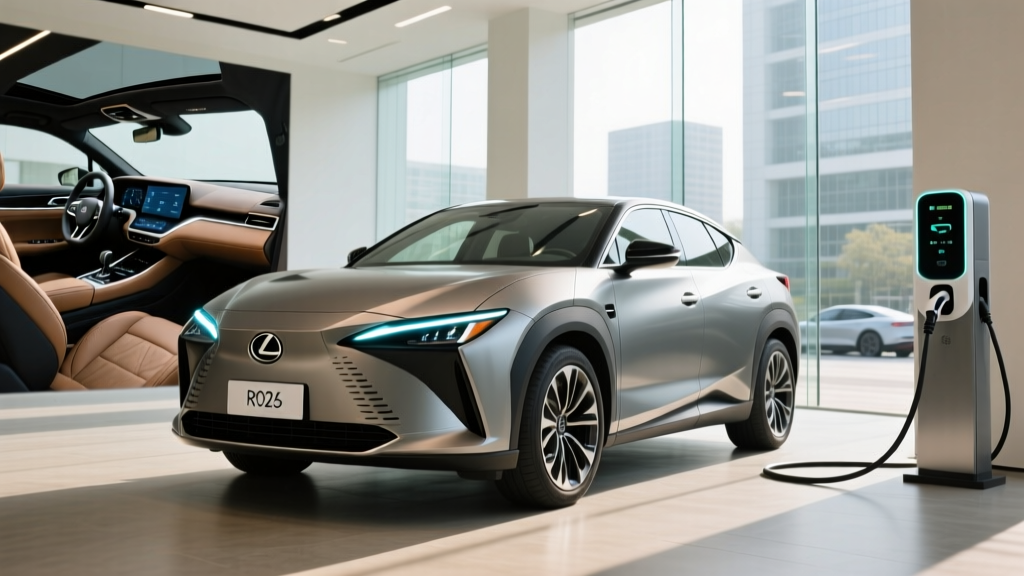
If you're researching a Lexus EV car, you're likely weighing luxury and reliability against range anxiety and charging logistics. Here's the quick answer: The 2026 Lexus RZ 450e and RZ 300e are premium compact SUVs with EPA ranges from 220 to 271 miles, starting around $54,000. They offer Lexus build quality, a quiet cabin, and DC fast charging up to 150 kW (10-80% in ~30 minutes). However, real-world highway range drops to 190-230 miles, and federal tax-credit eligibility is limited by battery-sourcing rules. For most buyers with home Level 2 charging, the RZ is a solid luxury EV; without home charging, a Lexus hybrid (like the NX 350h) may be more practical.
Quick Answer: Is the 2026 Lexus RZ Right for You?
Choose the Lexus RZ if: You have reliable home or workplace Level 2 charging, drive mostly under 200 miles daily, value Lexus refinement over cutting-edge range, and qualify for state/local incentives.
Skip the RZ and consider a Lexus hybrid if: You lack home charging access, frequently take 300+ mile road trips, live in extreme cold climates, or need to tow.
2026 Lexus RZ EV Specs: Range, Charging, and Performance
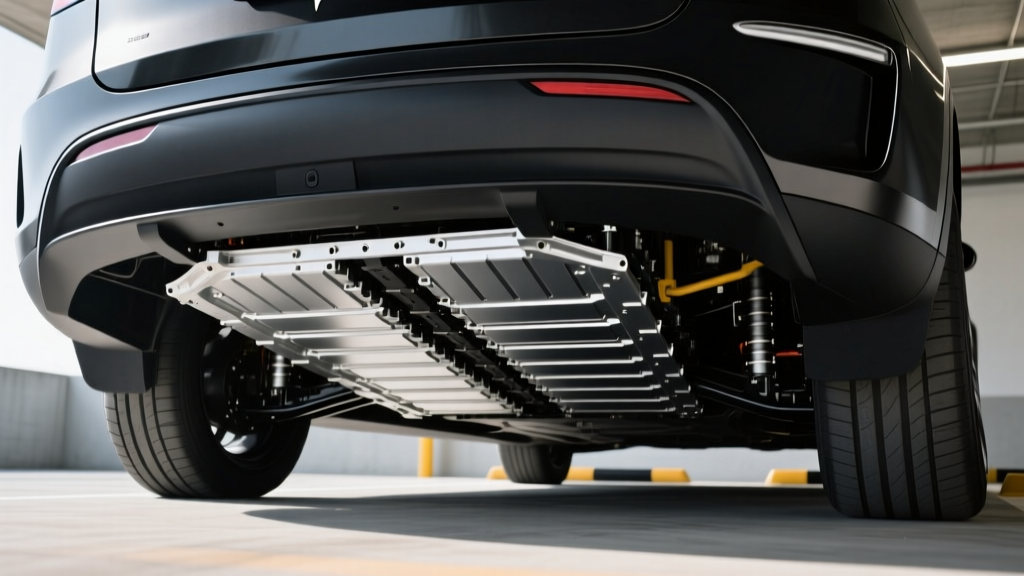
The 2026 Lexus RZ lineup includes two models: the dual-motor RZ 450e (AWD) and the single-motor RZ 300e (FWD). Both use a 72.8 kWh lithium-ion battery pack (NMC chemistry) with liquid thermal management.
| Model | EPA Range | Real-World Range* | Battery (kWh) | DC Fast Charge (kW) | 10-80% Time | 0-60 mph | Horsepower | Base MSRP |
|---|---|---|---|---|---|---|---|---|
| RZ 300e FWD | 271 mi | 220-240 mi | 72.8 | 150 kW peak | ~30 min | 7.4 sec | 201 hp | $54,000 |
| RZ 450e AWD | 220-245 mi | 185-210 mi | 72.8 | 150 kW peak | ~30 min | 5.0 sec | 308 hp | $59,000 |
*Real-world range assumes 70 mph highway driving in 60-75°F weather. Expect 15-25% loss in sub-freezing temperatures or aggressive driving.
EPA vs. Reality: The RZ 450e Premium's EPA rating of 245 miles assumes mixed city/highway driving at moderate speeds. In EPA highway testing, expect closer to 210 miles. On a cold-weather road trip (30°F, 75 mph), plan for 180-190 miles before needing a charge.
Charging the Lexus RZ: Home Setup and Public Networks
The RZ uses a CCS1 connector for DC fast charging and a J1772 inlet for Level 2 AC charging. Lexus does not currently offer NACS (Tesla Supercharger) compatibility on the RZ, though adapters may become available.
| Charging Level | Power (kW) | Miles Added per Hour | Typical Use Case |
|---|---|---|---|
| Level 1 (120V) | 1.4 kW | 4-5 mi/hr | Emergency top-ups, overnight trickle |
| Level 2 (240V, 48A) | 11.5 kW | 35-40 mi/hr | Home/workplace daily charging |
| DC Fast (CCS1) | 150 kW peak | ~200 mi in 30 min (10-80%) | Road trips, public stations |
Home charging reality: A full Level 2 home installation (48A charger, 60A circuit, electrical panel upgrade if needed) typically costs $1,200-$2,800. Without home charging, relying on public Level 2 or DC fast charging adds 15-30 minutes per session and higher per-kWh costs ($0.35-$0.50 vs. $0.13-$0.18 at home).
Lexus EV vs. Gas vs. Hybrid: 5-Year Cost Comparison
Let's compare the 2026 RZ 450e AWD against its closest gas and hybrid siblings: the Lexus NX 350 (gas) and NX 350h (hybrid). All three are compact luxury SUVs with similar interior space and features.
| Cost Factor | RZ 450e AWD (EV) | NX 350h AWD (Hybrid) | NX 350 AWD (Gas) |
|---|---|---|---|
| Base MSRP | $59,000 | $42,000 | $40,000 |
| Federal Tax Credit (§30D) | $0-$3,750* | $0 | $0 |
| Effective Purchase Price | $55,250-$59,000 | $42,000 | $40,000 |
| Fuel/Energy Cost (5 yr, 75k mi) | $3,400 (home charging) | $6,200 (36 MPG, $3.50/gal) | $9,400 (24 MPG, $3.50/gal) |
| Maintenance (5 yr) | $1,200 | $2,800 | $3,200 |
| Insurance (5 yr avg) | $9,500 | $7,800 | $7,500 |
| 5-Year Depreciation (est.) | $28,000 | $18,000 | $19,000 |
| Total 5-Year Cost | $97,350-$101,100 | $76,800 | $79,100 |
*The RZ 450e's federal tax credit is limited by IRS §30D battery-sourcing rules. As of 2026, the RZ qualifies for up to $3,750 (critical minerals requirement met, but battery components fall short of the full $7,500). Income caps apply: $150k single / $300k joint. Check IRS.gov for current-year eligibility.
The verdict: Over 5 years, the RZ 450e costs $18,000-$24,000 more than the NX 350h, even with home charging savings. The EV wins on fuel and maintenance but loses on depreciation and insurance. The hybrid is the clear financial choice unless you prioritize zero tailpipe emissions, EV driving smoothness, or have access to free/cheap workplace charging.
Real-World Ownership: What First-Time Lexus EV Buyers Should Know
Home Charging Is Non-Negotiable
Without a Level 2 home charger, EV ownership becomes a chore. Public DC fast charging is reliable for road trips but expensive ($0.40-$0.50/kWh) and time-consuming for daily use. If you can't install a 240V outlet (apartment living, older electrical panels), the RZ is not practical.
Cold Weather Cuts Range by 20-30%
The RZ's liquid-cooled battery helps, but sub-freezing temperatures still reduce range significantly. If you live in Minnesota or Maine and commute 100+ miles daily in winter, plan for 170-180 miles of usable range from the RZ 450e. A heat pump (standard on the RZ) mitigates cabin heating drain but doesn't eliminate the loss.
Charging Speed Tapers Above 80%
The RZ peaks at 150 kW only between 10-50% state of charge. From 80-100%, charging slows to under 30 kW to protect battery health. On road trips, plan to charge from 10-80% (30 minutes) and skip the final 20% unless you're stopping for a meal.
Tax Credits Are Complicated
The federal §30D credit is not automatic. You must meet income limits, the vehicle must be under the MSRP cap ($80,000 for SUVs), and battery components/minerals must meet sourcing thresholds. The RZ 450e currently qualifies for $3,750, not the full $7,500. Some states (California, Colorado, New York) offer additional rebates—check your local DMV or energy office.
Common Lexus EV Misconceptions: Myth vs. Fact
| Myth | Fact |
|---|---|
| "The RZ goes 271 miles on a charge." | That's the RZ 300e FWD in ideal conditions. The AWD RZ 450e is rated 220-245 miles EPA, and real-world highway driving yields 185-210 miles. |
| "EVs need no maintenance." | Tires, cabin air filters, brake fluid, and wiper blades still require service. The RZ saves on oil changes and transmission fluid, but expect $200-$300/year in routine maintenance. |
| "I can use Tesla Superchargers." | The RZ uses CCS1, not NACS. Tesla Superchargers (post-2024) support NACS-only vehicles. Use Electrify America, EVgo, or ChargePoint for DC fast charging. |
| "The battery will need replacement in 5 years." | Lexus warranties the RZ battery for 8 years/100,000 miles (capacity retention above 70%). Most EV batteries last 150,000-200,000 miles before significant degradation. |
| "EVs are cheaper to own than hybrids." | Not always. Higher purchase price, insurance, and depreciation can outweigh fuel savings. Run the numbers for your specific mileage and electricity rates. |
Decision Framework: Should You Buy the Lexus RZ?
Buy the RZ 300e if: You want maximum range (271 mi EPA), drive mostly city/suburban routes, and can charge at home. The FWD model is $5,000 cheaper and more efficient.
Buy the RZ 450e if: You need AWD for snow/rain, want quicker acceleration (5.0 sec 0-60), and accept 20-30 miles less range for the performance and traction.
Consider the NX 350h hybrid if: You lack home charging, take frequent long road trips, live in extreme cold, or want to minimize 5-year cost. The hybrid delivers 36 MPG combined with no range anxiety.
Wait or look elsewhere if: You need 300+ miles of range (consider the Tesla Model Y, Hyundai Ioniq 5, or Rivian R1S), want NACS/Supercharger access, or need to tow more than 2,000 pounds.
Frequently Asked Questions
Does the Lexus RZ qualify for the $7,500 federal tax credit?
No. As of 2026, the RZ 450e qualifies for up to $3,750 under IRS §30D due to battery-sourcing rules. The RZ 300e may qualify for the same amount, but verify on the IRS clean vehicle credit list before purchasing. Income caps apply ($150k single / $300k joint), and the vehicle must be under the $80,000 SUV MSRP cap.
Can I charge the Lexus RZ at home with a standard outlet?
Yes, but it's impractical for daily use. A 120V Level 1 outlet adds 4-5 miles of range per hour—a full charge takes 15+ hours. For daily driving, install a 240V Level 2 charger (48A recommended) for 35-40 miles per hour of charging.
How does the RZ compare to the Tesla Model Y?
The Model Y Long Range offers 310 miles EPA, faster DC charging (250 kW, 10-80% in ~20 min), and NACS/Supercharger access. The RZ wins on cabin quietness, build quality, and Lexus dealer service. If range and charging speed are priorities, the Model Y is superior; if luxury refinement matters more, the RZ is competitive.
What's the real-world charging cost vs. gas?
At $0.15/kWh (national average residential rate), the RZ costs $0.045 per mile to drive. A gas Lexus NX 350 at 24 MPG and $3.50/gallon costs $0.146 per mile—3.2x more. Over 15,000 miles/year, that's $675 (EV) vs. $2,190 (gas), saving $1,515 annually. However, public DC fast charging at $0.45/kWh costs $0.135/mile, nearly matching gas.
Will the RZ battery degrade significantly in 5 years?
Based on industry data, expect 5-10% capacity loss over 5 years/75,000 miles. Lexus warranties the battery for 8 years/100,000 miles with at least 70% capacity retention. To minimize degradation, avoid frequent DC fast charging above 80% and don't leave the car at 100% or 0% state of charge for extended periods.
Is the Lexus RZ a good first EV?
Yes, if you have home charging and realistic range expectations. The RZ offers a familiar luxury SUV experience, quiet ride, and straightforward infotainment. However, first-time EV buyers should test-drive competitors (Model Y, Ioniq 5, BMW iX) to compare range, charging speed, and tech features before committing.