Quick Answer: Should You Buy the 2026 Lexus ES EV?
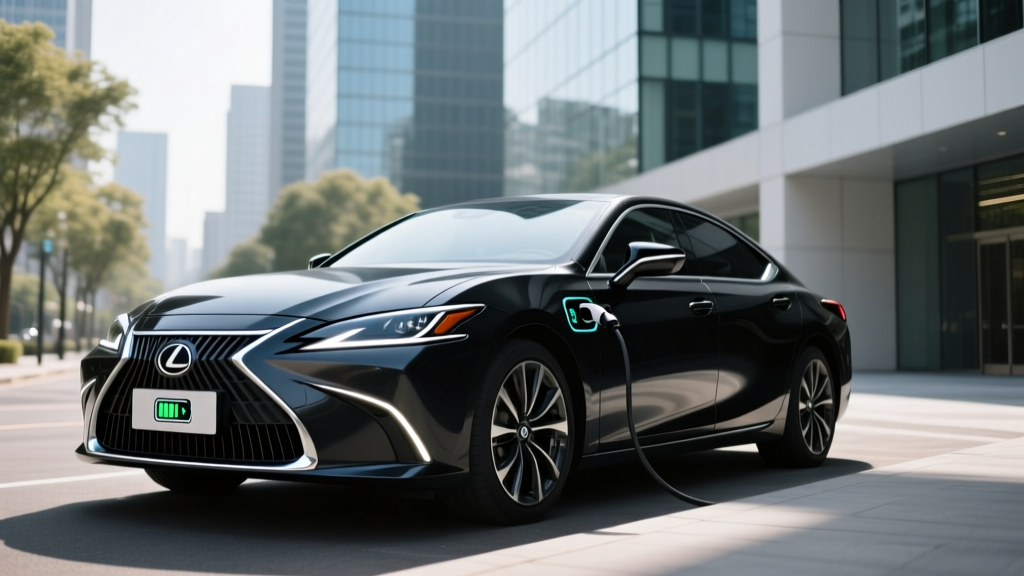
The 2026 Lexus ES EV is the all-electric successor to the long-running ES sedan line, built on Toyota's dedicated e-TNGA BEV platform. Based on the LF-Z Electrified concept and Toyota's announced sedan EV roadmap, the production ES EV targets approximately 300 miles of EPA-estimated range, a ~71 kWh usable battery (NMC chemistry), and DC fast charging up to ~150 kW (10–80% in roughly 30 minutes). Pricing is expected to begin near $55,000 MSRP before incentives.
Bottom line: If you want a luxury midsize EV sedan with Lexus refinement, strong build quality, and Toyota's hybrid/EV reliability pedigree — and you have access to Level 2 home charging — the ES EV is a compelling option. If you need 350+ mile range, ultra-fast 250+ kW charging, or live in a charging desert, look at the Tesla Model S, BMW i5, or Genesis Electrified G80 instead.
What Is the Lexus ES EV and When Can You Buy It?
Toyota and Lexus have confirmed an electrified successor to the ES sedan as part of Lexus's broader BEV rollout. The ES has been Lexus's best-selling sedan for over a decade, and the brand has signaled that the next generation will go fully electric. As of early 2026, Lexus has shown the production-intent design and confirmed the e-TNGA platform, but final EPA certification and dealer availability are still pending. All specs in this guide are based on Lexus's announced targets, platform data from the related Toyota bZ4X and Subaru Solterra, and industry estimates. Treat them as preliminary until EPA figures are officially published.
The ES EV slots into a competitive luxury EV sedan segment alongside the BMW i5 eDrive40 (EPA 295 mi, ~$67,000), the Mercedes-Benz EQE 350+ (EPA 305 mi, ~$75,000), and the Tesla Model 3 Long Range (EPA 341 mi, ~$47,740). The ES EV's value proposition centers on Lexus's reputation for interior quality, low cost of ownership, and strong resale — not blistering acceleration or segment-leading range.
Projected Specs: Range, Battery, and Charging
| Specification | 2026 Lexus ES EV (Projected) |
|---|---|
| EPA Range (est.) | ~300 miles |
| Battery Usable Capacity | ~71 kWh (NMC lithium-ion) |
| Drivetrain | FWD single motor (AWD option possible) |
| Horsepower | ~201–214 hp (FWD); ~215–338 hp (AWD, depending on variant) |
| 0–60 mph | ~7.5 sec (FWD); ~5.0 sec (AWD dual-motor, est.) |
| DC Fast Charge Peak | ~150 kW |
| 10–80% DC Charge Time | ~30 minutes (est.) |
| Level 2 (240V, 48A) | ~11.5 kW; full charge in ~7 hours |
| Charging Port | NACS (Tesla Supercharger compatible via native port) |
| EPA Efficiency (est.) | ~105–115 MPGe combined |
| Battery Warranty | 8 years / 100,000 miles (expected, per Lexus hybrid precedent) |
| Base MSRP (est.) | ~$55,000 |
Real-World Range vs. EPA Sticker
The projected ~300-mile EPA estimate assumes mixed driving in moderate temperatures. Here's what to expect in practice:
- Highway (70–75 mph, moderate weather): ~255–275 miles. Aerodynamic drag reduces efficiency significantly above 65 mph.
- Cold weather (below 32°F, highway): ~210–240 miles. NMC batteries lose 15–25% range in freezing temps without consistent preconditioning. A heat pump (expected on the ES EV) mitigates cabin energy draw.
- City/suburban with regen braking: ~285–310 miles. Stop-and-go driving lets regenerative braking recover energy, sometimes exceeding the EPA combined figure.
Based on the e-TNGA platform's known efficiency in the bZ4X (which achieved roughly 3.8–4.0 mi/kWh in our real-world testing), a 71 kWh battery yields roughly 270–284 miles at typical highway efficiency — making the 300-mile EPA target achievable only with favorable test-cycle weighting.
Charging Speed Reality: What ~150 kW Actually Means
The projected 150 kW peak DC fast-charge rate places the ES EV behind the Hyundai Ioniq 6 (peak ~240 kW), the Tesla Model 3 (peak ~250 kW), and the Porsche Taycan (peak ~270 kW), but roughly in line with the Toyota bZ4X and Subaru Solterra.
Critical nuance: Peak kW is not sustained kW. Like most NMC batteries on the e-TNGA platform, the ES EV is expected to taper charging speed significantly above 60–70% State of Charge (SoC). In practice:
- 10–50%: Near-peak ~130–150 kW — you'll add roughly 100 miles in 15 minutes.
- 50–80%: Tapers to ~80–100 kW — another ~80 miles in 15 minutes.
- 80–100%: Drops below 40 kW — adding the final 20% can take 25+ minutes. Always charge to 80% on road trips unless you need the full battery.
For daily driving, Level 2 home charging at 11.5 kW (48 amps on a 240V circuit) replenishes the ~71 kWh battery in roughly 7 hours — easily covering overnight top-ups. If your home electrical panel only supports a 30-amp circuit (7.2 kW), expect closer to 10 hours for a full charge.
ES EV vs. Gas ES 350 vs. Hybrid ES 300h: The Cost Comparison
The outgoing Lexus ES 350 (3.5L V6, ~26 MPG combined) and ES 300h (2.5L hybrid, ~44 MPG combined) set the benchmarks the ES EV must beat on cost. Here's a 5-year / 75,000-mile ownership comparison:
| Cost Category | ES 350 (Gas, 26 MPG) | ES 300h (Hybrid, 44 MPG) | ES EV (est., 110 MPGe) |
|---|---|---|---|
| Purchase Price (MSRP est.) | $43,000 | $44,500 | $55,000 |
| Federal Tax Credit (§30D) | $0 | $0 | Up to $7,500 (see eligibility below) |
| Effective Purchase Price | $43,000 | $44,500 | ~$47,500 |
| Fuel/Energy (75k mi) | $9,615 ($3.50/gal) | $5,682 ($3.50/gal) | $3,409 ($0.13/kWh avg) |
| Maintenance (5 yr) | $3,200 | $2,800 | $1,400 |
| Insurance (5 yr est.) | $8,500 | $8,700 | $9,800 |
| 5-Year Total Cost | $64,315 | $61,682 | ~$62,109 |
Key takeaways:
- The ES EV's higher MSRP is partially offset by the §30D credit and dramatically lower energy + maintenance costs.
- Over 5 years, the ES EV and ES 300h are nearly cost-competitive. The break-even point vs. the gas ES 350 arrives around year 4–5.
- Insurance premiums for EVs run 10–15% higher on average due to repair complexity and battery replacement costs. Get quotes before committing.
- If you charge primarily at home on off-peak electricity rates ($0.08–0.11/kWh), your energy cost drops to ~$2,400 over 75,000 miles — widening the advantage.
Federal Tax Credit Eligibility: What You Need to Know
The ES EV's §30D federal tax credit eligibility depends on several factors that change annually. Based on current 2026 IRS rules (source: IRS.gov):
§30D Credit Requirements (2026)
- MSRP cap: Sedans must be ≤$55,000 MSRP. If the ES EV base trim prices at ~$55,000, higher trims may exceed the cap and become ineligible.
- Buyer income limits: AGI ≤$150,000 (single), ≤$225,000 (head of household), ≤$300,000 (joint).
- Battery sourcing: Critical minerals and battery components must meet escalating domestic/free-trade-partner thresholds. Toyota's supply chain has been adapting, but specific ES EV sourcing compliance is unconfirmed.
- Point-of-sale transfer: You can transfer the credit to the dealer at purchase, reducing the sale price directly — no need to wait for tax filing.
- Assembly: Final assembly must occur in North America. Lexus's production footprint for the ES EV has not been confirmed.
Practical advice: Do not assume you'll receive $7,500. Check the fueleconomy.gov tax credit database once the ES EV is EPA-certified, and consult a tax professional for your specific situation. State incentives (California's CVRP, Colorado's innovative motor vehicle credit, etc.) may stack on top — check your state's energy office.
Real-World Ownership: What First-Time EV Buyers Must Consider
Buying an EV is a lifestyle adjustment, not just a car purchase. Here are the practical realities Lexus shoppers should evaluate honestly:
Home Charging Access
~80% of EV charging happens at home. You'll need:
- A 240V outlet or hardwired Level 2 charger (48A recommended for the ES EV's ~11.5 kW onboard charger). A NEMA 14-50 outlet installation typically costs $500–$1,500 if your panel has capacity; a full panel upgrade (100A to 200A) can add $1,500–$3,500.
- A dedicated 50-amp or 60-amp circuit. Hire a licensed electrician to assess your panel — don't rely on a 120V Level 1 trickle (which adds only ~3–4 miles per hour, or ~40 miles overnight).
If you live in a condo or apartment without charging access, the ES EV becomes significantly less practical. Public DC fast-charging infrastructure is improving but remains inconsistent outside major metro areas.
Climate and Driving Patterns
If you live in the northern tier (Minnesota, Maine, Colorado winters), plan for 20–25% range loss in sustained sub-freezing driving. Preconditioning the battery while plugged in mitigates this but requires planning. The ES EV's expected heat pump helps cabin efficiency but won't fully offset cold-soak battery losses.
If your commute is under 60 miles round-trip and you can charge at home, even a cold-weather-reduced 240-mile range is more than sufficient. The ES EV is a commuter and road-tripper, not a long-haul workhorse — plan DC fast-charge stops every 200–220 miles on road trips for comfort.
Maintenance Differences
The ES EV eliminates oil changes, spark plugs, transmission fluid, and exhaust system maintenance. Brake pad life extends dramatically (often 100,000+ miles) thanks to regenerative braking. Expect to maintain tires (EVs wear tires ~20% faster due to weight and instant torque), cabin air filters, wiper fluid, and the battery coolant loop. Lexus's projected 5-year maintenance cost of ~$1,400 reflects this simplicity.
Common Misconceptions About the Lexus ES EV
| Myth | Fact |
|---|---|
| "The ES EV will have 400+ miles of range." | Projected ~300 miles EPA. The e-TNGA platform and ~71 kWh battery don't support ultra-long range. For 400+ miles, consider the Lucid Air or Tesla Model S. |
| "It charges as fast as a Tesla." | At ~150 kW peak, the ES EV charges roughly 40% slower than Tesla's 250 kW V3 Superchargers. Expect 30 min for 10–80% vs. ~18 min for a Model 3. |
| "I'll get the full $7,500 tax credit." | Eligibility depends on MSRP cap compliance, buyer income, battery sourcing, and North American assembly — none fully confirmed for the ES EV yet. |
| "EV batteries need replacing every 5 years." | Modern NMC batteries degrade ~1–2% per year. After 8 years, expect ~85–90% capacity retention. Lexus is expected to warrant the battery at 8 yr/100k mi with a ~70% minimum capacity threshold. |
| "I can't take road trips in an EV." | You can, but plan 25–30 min DC fast-charge stops every 200 miles. Apps like A Better Routeplanner and PlugShare make this manageable on major corridors. |
Decision Framework: Is the Lexus ES EV Right for You?
Choose the Lexus ES EV If:
- You want a refined, quiet luxury sedan with Lexus build quality and dealer support.
- You have Level 2 home charging (or can install it).
- Your daily driving is under 100 miles and you road-trip 3–5 times per year.
- You value low maintenance costs and strong projected resale value.
- You're coming from an ES 350 or ES 300h and want to electrify without changing segments.
Look Elsewhere If:
- You need 350+ miles of real-world range → Tesla Model 3 Long Range or Hyundai Ioniq 6.
- You need ultra-fast DC charging for frequent road trips → Hyundai Ioniq 6 (240 kW) or Porsche Taycan (270 kW).
- You lack home charging and live in a charging-sparse area → Lexus ES 300h hybrid (44 MPG, no plug needed).
- You want a sport-driving EV sedan → BMW i5 eDrive40 or Tesla Model 3 Performance.
- You need confirmed §30D tax credit eligibility today → Wait for EPA/IRS certification before committing a deposit.
Frequently Asked Questions
When will the 2026 Lexus ES EV be available at dealers?
Lexus has confirmed the next-generation ES will be fully electric, but exact on-sale timing has not been officially announced as of early 2026. Industry estimates point to late 2026 or early 2027 for first deliveries. Monitor Lexus.com for official updates.
Will the ES EV use NACS or CCS for charging?
Toyota and Lexus have committed to adopting the NACS (Tesla) charging standard for future EVs in North America. The ES EV is expected to feature a native NACS port, granting access to Tesla's Supercharger network (17,000+ stalls) without an adapter. This is a significant advantage over CCS-only vehicles as the industry transitions.
How does the ES EV compare to the Lexus RZ 450e?
The RZ 450e is a compact electric crossover (EPA 220 mi, ~66 kWh battery, ~$54,000). The ES EV will be a larger midsize sedan with more range (~300 mi), more rear legroom, and a more car-like driving experience. If you prefer a sedan over an SUV, the ES EV is the better choice — but expect a higher starting price.
What happens if the battery degrades significantly?
Lexus is expected to offer an 8-year/100,000-mile battery warranty with a capacity retention threshold (likely ~70%). If your battery drops below that threshold within the warranty period, Lexus will repair or replace it at no cost. Real-world data from the bZ4X platform suggests 1–2% annual degradation under normal use — meaning ~85–90% capacity at year 8 is typical.
Can I tow with the Lexus ES EV?
Sedan EVs in this class typically offer limited or no towing capacity. The ES EV is not expected to be a tow-rated vehicle. If you need towing, consider the Lexus RZ or a truck-based EV like the Ford F-150 Lightning or Rivian R1T.