Quick Answer: Does Lexus Make a 3-Row EV?
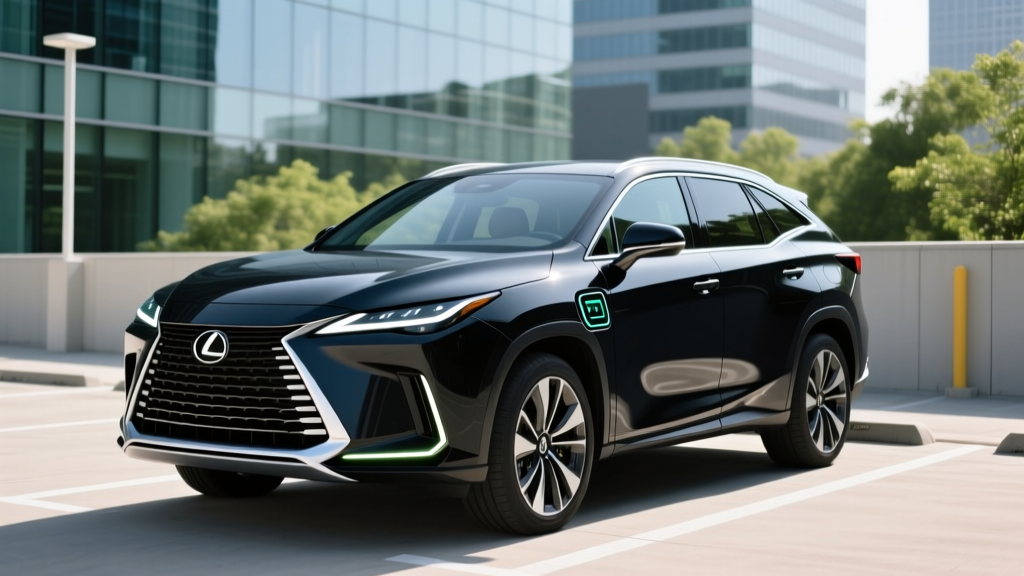
As of the 2026 model year, Lexus does not yet sell a dedicated battery-electric 3-row SUV in the United States. The Lexus TX is a 3-row SUV, but it is offered only as a conventional hybrid (TX 350h) and a plug-in hybrid (TX 550h+). A fully electric Lexus 3-row SUV is anticipated for the late 2026 or 2027 timeframe, likely built on Toyota's next-generation EV platform, but final specs, pricing, and availability have not been officially confirmed. If you need three rows and a plug today, the TX 550h+ PHEV is the closest electrified option from Lexus.
What the Lexus TX Lineup Actually Offers Today
Before speculating about a future battery-electric model, it's important to understand what Lexus currently delivers in the 3-row electrified space. The Lexus TX launched for the 2024 model year and carries into 2026 with three powertrains, none of which are fully electric:
| Trim / Powertrain | Type | EPA Range / MPGe | Electric-Only Range | Horsepower | 0-60 mph | Base MSRP (2026 est.) |
|---|---|---|---|---|---|---|
| TX 350 (Turbo ICE) | Gasoline | 23 MPG combined | N/A | 275 hp | ~7.1 sec | ~$55,500 |
| TX 350h (Hybrid) | HEV | 34 MPG combined | N/A | 245 hp (net) | ~7.8 sec | ~$58,000 |
| TX 550h+ (Plug-in Hybrid) | PHEV | 30 MPG combined / 76 MPGe | ~33 miles | 404 hp (net) | ~5.7 sec | ~$74,500 |
The TX 550h+ plug-in hybrid is the most relevant option for buyers who want electric daily driving with three rows. Its ~33-mile electric-only range covers most school runs, grocery trips, and commutes, after which the hybrid system takes over. The 18.1 kWh lithium-ion battery charges in roughly 2.5 hours on a Level 2 (240V) home charger — but it does not support DC fast charging, a limitation worth noting if you rely on public infrastructure.
The Coming Lexus 3-Row EV: What We Know and Don't Know
Toyota and Lexus have signaled a broad EV offensive, including a next-generation three-row electric SUV. Based on Toyota's announcements and supply-chain reporting, here is what is reasonable to expect — and what remains unconfirmed:
- Platform: Likely a dedicated EV architecture, possibly a stretched version of Toyota's upcoming "new-generation" EV platform (distinct from the current bZ4X's e-TNGA).
- Battery: Expected to use NMC (nickel manganese cobalt) chemistry for energy density, with a usable capacity in the 90–110 kWh range to support a large 3-row vehicle.
- Target EPA range: Industry estimates point to 280–330 miles, though this is preliminary and unconfirmed.
- Charging: Expected to adopt the NACS (Tesla-style) connector, following Toyota's 2023 commitment to NACS on future North American EVs, enabling access to the Supercharger network.
- Timeline: Production is anticipated for late 2026 or 2027. Lexus has not opened reservations or published final specifications.
- Pricing: Given the TX 550h+ starts near $74,500, a battery-electric variant will likely start in the $70,000–$80,000 range before incentives.
Range Reality Check: Any preliminary 300+ mile EPA estimate for a large 3-row EV should be discounted by 15–20% for sustained highway driving and by 25–35% in sub-freezing temperatures. A 320-mile EPA sticker could yield 250–270 real-world highway miles in mild weather and 200–230 miles in a cold winter climate. Buyers in northern states should plan charging stops accordingly.
Lexus TX 550h+ vs. a Gas 3-Row SUV: Real Cost Comparison
Since the dedicated Lexus 3-row EV is not yet available, the most actionable comparison today is the TX 550h+ PHEV versus the gas-only TX 350 and a competitor like the Kia Telluride or Hyundai Palisade. Here's how the numbers stack up over 5 years of ownership at 15,000 miles per year:
| Cost Factor | TX 350 (Gas) | TX 550h+ (PHEV) | Kia EV9 (BEV 3-Row) |
|---|---|---|---|
| Base MSRP | $55,500 | $74,500 | $59,900 (Light RWD) |
| Federal Tax Credit (§30D) | $0 | $0 (PHEV battery <7 kWh for full credit) | Up to $7,500 (eligibility varies) |
| Effective Purchase Price | $55,500 | $74,500 | ~$52,400 |
| Fuel / Energy (5 yr, 75k mi) | ~$11,250 (23 MPG, $3.45/gal) | ~$5,800 (mix of electric + gas) | ~$3,750 (home charging, $0.14/kWh) |
| Maintenance (5 yr) | ~$3,500 | ~$2,800 | ~$1,500 |
| Insurance (5 yr est.) | ~$9,000 | ~$9,500 | ~$10,500 |
| 5-Year Total Cost | ~$79,250 | ~$92,600 | ~$68,150 |
Key takeaway: The TX 550h+ costs significantly more upfront than the gas TX 350, and fuel savings alone won't close that $19,000 gap in 5 years. The PHEV makes financial sense primarily if you value the 404-hp performance upgrade, the electric-only daily driving experience, and lower tailpipe emissions — not purely as a cost-saving measure.
Meanwhile, a dedicated 3-row BEV competitor like the Kia EV9 (EPA range up to 304 miles, 2026 model year) can undercut both on total cost of ownership, especially when the §30D federal tax credit applies. The EV9 qualifies for up to $7,500 at point of sale under current IRS §30D rules, though eligibility depends on your income, the vehicle's MSRP cap compliance, and battery-sourcing requirements — always verify with a tax professional.
Real-World Ownership: What First-Time EV Buyers Must Know
If you are considering any 3-row electric SUV — whether you wait for the Lexus BEV or choose an existing option like the EV9 or Rivian R1S — these practical factors determine whether ownership is seamless or frustrating:
Home Charging Is Non-Negotiable for Most Owners
Public DC fast charging works for road trips, but daily EV ownership lives or dies on home charging access. A Level 2 (240V) home charger adds roughly 25–35 miles of range per hour for a large BEV, meaning an overnight session (8–10 hours) fully replenishes the battery. Installation costs vary:
| Item | Typical Cost Range |
|---|---|
| Level 2 charger hardware (e.g., ChargePoint Home Flex, Wallbox Pulsar Plus) | $400–$700 |
| Electrician labor (240V/50A circuit, 40-ft run) | $800–$2,000 |
| Electrical panel upgrade (if needed, 100A → 200A) | $1,500–$3,500 |
| Permit and inspection | $100–$400 |
| Total (no panel upgrade) | $1,300–$3,100 |
| Total (with panel upgrade) | $2,800–$6,600 |
If you live in an apartment, condo, or street-parking situation without reliable access to a dedicated charger, a PHEV like the TX 550h+ is a more practical bridge — you can charge when convenient and burn gas when you can't.
Cold Climate Buyers: Expect Range Loss
Lithium-ion batteries lose efficiency in cold temperatures, and cabin heating draws significant energy. In sustained temperatures below 30°F, expect a 20–35% reduction from the EPA range sticker. A future Lexus 3-row EV with a heat pump (standard on most modern EVs) will mitigate this somewhat, but physics cannot be eliminated. If you live in Minnesota, Colorado, or New England, plan for a real-world winter range of roughly 70% of the EPA figure and choose a trim with the largest battery available.
DC Fast Charging: Peak kW Is Not Sustained kW
When the Lexus 3-row EV does arrive, expect marketing claims around peak DC fast-charging speed (e.g., "up to 250 kW"). In reality, a battery only sustains peak rate for a portion of the session. The charge curve typically tapers significantly above 50% state of charge (SoC), and drops sharply above 80%. A 250 kW peak rate might yield an average of 150–170 kW across a 10–80% session. Look for the 10–80% charging time (in minutes) rather than the peak kW figure — it is a far more honest metric.
EV vs. Hybrid vs. Gas: Which 3-Row SUV Is Right for You?
| Factor | Gas SUV (TX 350) | PHEV (TX 550h+) | BEV (e.g., Kia EV9) |
|---|---|---|---|
| Upfront Price | Lowest | Highest | Moderate (credit helps) |
| Fuel Cost per Mile | ~$0.15 | ~$0.08 (mixed) | ~$0.05 (home) |
| Home Charging Needed? | No | Optional but ideal | Essential |
| Road-Trip Convenience | Best (5-min fill) | Excellent (hybrid backup) | Good (30-min DC stops) |
| Cold-Weather Impact | Minimal MPG loss | Reduced EV range, gas covers it | 20–35% range loss |
| Maintenance | Highest (oil, filters, belts) | Moderate | Lowest (no engine) |
| Tax Credit Eligible? | No | Unlikely full credit | Up to $7,500 (varies) |
Decision Framework: What Should You Buy?
- Choose the gas TX 350 if: You want the lowest purchase price, drive fewer than 10,000 miles per year, and have no home charging access.
- Choose the TX 550h+ PHEV if: You want electric daily driving (under 33 miles), Lexus luxury, 3 rows, and the freedom to road-trip without charging stops. You have home Level 2 access or can install it.
- Wait for the Lexus 3-row BEV if: You are committed to the Lexus brand, want a fully electric vehicle, can delay your purchase into late 2026 or 2027, and will have reliable home charging.
- Choose a current 3-row BEV (Kia EV9, Rivian R1S) if: You want electric now, qualify for the §30D tax credit, have home charging, and are open to non-Lexus brands.
Common Misconceptions About Lexus and 3-Row EVs
| Myth | Fact |
|---|---|
| "The Lexus TX is available as a full EV." | The TX is currently offered only as a turbo gas (TX 350), hybrid (TX 350h), and plug-in hybrid (TX 550h+). No BEV variant exists as of early 2026. |
| "Plug-in hybrids qualify for the $7,500 federal tax credit." | Most PHEVs have battery packs too small (under 7 kWh) to qualify for the maximum §30D credit. The TX 550h+'s 18.1 kWh battery may qualify for a partial credit, but sourcing and income rules apply. Check IRS guidelines and consult a tax professional. |
| "A 3-row EV can't tow or haul." | The Rivian R1S (3-row BEV) tows up to 7,700 lbs. The Kia EV9 tows up to 5,000 lbs. Upcoming large-platform EVs from Toyota/Lexus are expected to offer competitive towing, though towing significantly reduces range. |
| "EV batteries need replacing every 5 years." | Modern NMC and LFP batteries are engineered for 200,000+ miles with 70–80% capacity retention. Federal law mandates a minimum 8-year/100,000-mile battery warranty. Lexus typically offers 10-year/150,000-mile hybrid battery coverage, and EV warranties are expected to be comparable. |
| "I can charge a 3-row EV on a regular 120V outlet." | Level 1 (120V) charging delivers only ~1.4 kW — roughly 3–5 miles of range per hour for a large SUV. Fully recharging a 100 kWh battery on Level 1 would take 70+ hours. Level 2 (240V) is effectively mandatory for daily ownership of a large EV. |
Frequently Asked Questions
When will the Lexus 3-row electric SUV be available?
Toyota and Lexus have not announced an official on-sale date for a dedicated 3-row BEV. Industry estimates place it in late 2026 or the 2027 model year. Until then, the TX 550h+ PHEV is the most electrified 3-row option from Lexus.
How much will the Lexus 3-row EV cost?
Official pricing has not been released. Based on the current TX lineup and competitive positioning against the Kia EV9 ($59,900–$73,900) and Rivian R1S ($79,900+), a reasonable estimate is $70,000–$85,000 depending on trim and battery size.
Will the Lexus 3-row EV qualify for the $7,500 federal tax credit?
It depends on the final battery sourcing, MSRP cap compliance (SUVs must be under $80,000 MSRP), and your personal income limits (modified AGI under $300,000 for joint filers, $150,000 for single filers under current §30D rules). If the base trim comes in under $80,000 and meets sourcing requirements, it could qualify. Higher trims may exceed the MSRP cap. Always verify current rules at IRS.gov.
Should I wait for the Lexus EV or buy a 3-row EV now?
If your current vehicle is functional and you are loyal to Lexus, waiting 12–18 months may be worthwhile. If you need a 3-row EV today, the Kia EV9 offers strong value, and the Rivian R1S delivers premium capability. The TX 550h+ PHEV is an excellent bridge if you want Lexus now with partial electric driving.
What's the difference between kW and kWh?
kW (kilowatts) measures power — the rate at which energy flows, like water pressure in a hose. It determines how fast you charge. kWh (kilowatt-hours) measures energy — the total capacity of the battery, like the size of a fuel tank. A 100 kWh battery charged at 50 kW would theoretically take 2 hours to fill from empty. Confusing these is the most common EV mistake — always check both the battery capacity (kWh) and the peak charge rate (kW).