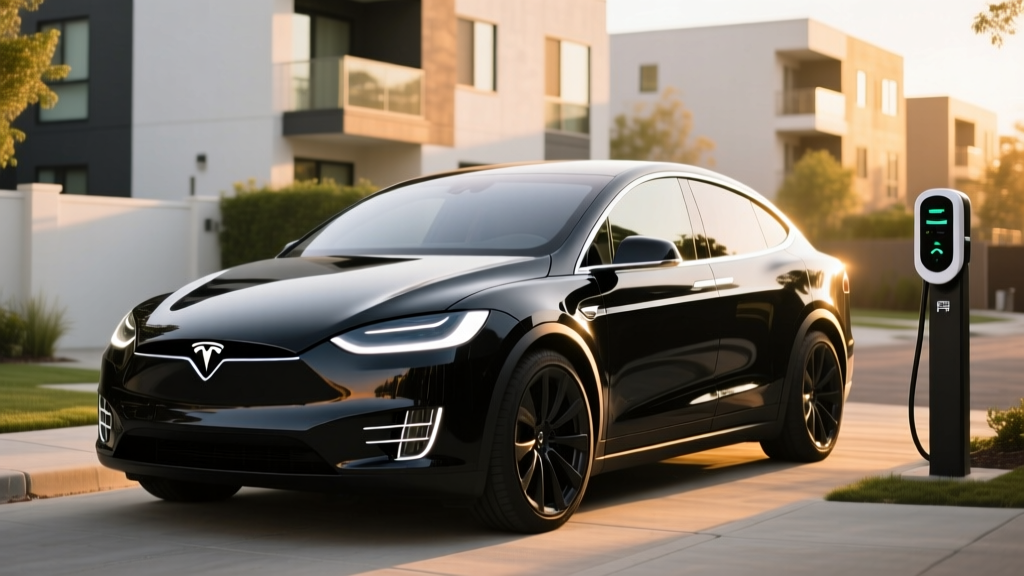
The Tesla Model X remains one of the few electric SUVs offering three-row seating, falcon-wing rear doors, and access to the Supercharger network. But with a starting MSRP pushing past $80,000, many buyers are asking whether it makes more sense to lease a Tesla Model X rather than buy outright. This review covers the 2026 Model X lineup with exact specs, real-world range expectations, charging performance, tax credit implications, and a clear framework for deciding between leasing and purchasing.
2026 Tesla Model X: Quick Specs at a Glance
| Spec | Model X Long Range (Dual Motor) | Model X Plaid (Tri-Motor) |
|---|---|---|
| EPA Range | 335 miles | 326 miles |
| Battery (usable) | ~100 kWh, NMC | ~100 kWh, NMC |
| Drivetrain | Dual-Motor AWD | Tri-Motor AWD |
| Horsepower | 670 hp | 1,020 hp |
| 0–60 mph | 3.8 seconds | 2.5 seconds |
| Peak DC Fast Charge | 250 kW | 250 kW |
| 10–80% DC Time | ~32 minutes | ~32 minutes |
| Level 2 Charge Rate | 11.5 kW (~34 mi/hr) | 11.5 kW (~34 mi/hr) |
| MPGe (combined) | 102 MPGe | 98 MPGe |
| Efficiency | 33 kWh/100 mi | 34 kWh/100 mi |
| Base MSRP | $81,630 | $96,630 |
| Cargo (behind 3rd row) | 15.0 cu ft | 15.0 cu ft |
| Max Cargo | 88.1 cu ft | 88.1 cu ft |
| Seating | 5, 6, or 7 passengers | 5, 6, or 7 passengers |
| Battery Warranty | 8 yr / 150,000 mi | 8 yr / 150,000 mi |
Real-World Range: What the EPA Number Doesn't Tell You
Real-World Expectation: ~270–300 miles at sustained highway speeds (70–80 mph); ~230–260 miles in freezing temperatures with cabin heating. City driving with regenerative braking can match or slightly exceed the EPA figure.
The Model X Long Range's 335-mile EPA figure is strong on paper, but real-world conditions pull that number down in predictable ways. The SUV's large frontal area and ~5,100-lb curb weight work against highway efficiency. In EPA testing data from fueleconomy.gov, the Model X Long Range achieves 102 MPGe combined, which translates to roughly 33 kWh per 100 miles — efficient for a three-row electric SUV, but thirsty compared to a Model Y or Ioniq 5.
Cold weather hits the Model X harder than smaller EVs because there's more cabin volume to heat. Tesla's heat pump helps, but expect 20–30% range reduction at 20°F or below. Preconditioning the battery while plugged in is essential to preserve both range and charging speed in winter conditions.
Charging Performance: Supercharger Network and Home Setup
The Model X charges at a peak rate of 250 kW on V3 Tesla Superchargers. However, that peak only sustains briefly at low states of charge. The charging curve tapers meaningfully above 50% SoC, which is why the 10–80% time is approximately 32 minutes rather than the ~18 minutes a vehicle with a flatter curve (like the Hyundai Ioniq 5 at 800V) can achieve.
| Charging Level | Power | Speed (miles added/hr) | Notes |
|---|---|---|---|
| Level 1 (120V) | ~1.4 kW | ~4 mi/hr | Emergency/trickle only |
| Level 2 (240V, 48A) | 11.5 kW | ~34 mi/hr | Full charge in ~10 hours |
| DC Fast (V3 Supercharger) | 250 kW peak | ~200 mi in 15 min (low SoC) | 10–80% in ~32 min |
| DC Fast (V4 Supercharger) | 250 kW peak* | Similar to V3 for Model X | *Model X limited by vehicle architecture |
At home, the Model X accepts up to 11.5 kW on a Tesla Wall Connector with a 60-amp circuit (48 amps continuous). That's roughly 34 miles of range per hour of charging — enough to fully replenish overnight. A NACS-to-CCS adapter is not needed since the Model X uses the native Tesla connector, and Tesla has opened select Superchargers to other brands via adapters, but Model X owners retain seamless plug-and-charge access to the full network.
Pricing, Leasing, and Federal Tax Credit Eligibility
The 2026 Model X Long Range starts at $81,630 (including destination), while the Plaid begins at $96,630. Adding the $8,000 Full Self-Driving (Supervised) package, premium paint, or 22-inch wheels pushes transaction prices well above $100,000 for the Plaid.
| Trim | Base MSRP | §30D Federal Credit | Effective Price |
|---|---|---|---|
| Long Range AWD | $81,630 | Up to $7,500* | ~$74,130* |
| Plaid AWD | $96,630 | Up to $7,500* | ~$89,130* |
*Credit eligibility depends on IRS §30D rules: buyer income caps ($300K joint / $150K single), MSRP cap for SUVs ($80,000), battery sourcing requirements, and point-of-sale transfer availability. The Long Range at $81,630 exceeds the $80,000 SUV MSRP cap — verify current classification and eligibility at irs.gov before committing.
This is where leasing becomes strategically interesting. When you lease a Tesla Model X through Tesla Financial Services, the lessor (Tesla) technically claims the commercial clean vehicle credit under §45W, and the savings can be passed through as a reduced lease payment — even if the vehicle's MSRP or your income would disqualify you from the consumer §30D credit. This "lease loophole" is a legitimate reason many high-income buyers choose to lease rather than purchase. Typical Model X leases run 36 months with 10,000–15,000 miles/year, and monthly payments often range from $1,100 to $1,600 depending on trim, down payment, and money factor.
Interior, Cargo, and Technology
The Model X cabin centers on a 17-inch landscape touchscreen running Tesla's latest software, which handles everything from navigation and media to suspension ride-height settings and glovebox release. A secondary 8-inch screen serves rear passengers. The yoke steering wheel is standard; a round wheel is available as a no-cost option and is strongly recommended for daily driving ease.
Seating configurations include five (two front, three rear bench), six (individual captain's chairs in the second row), or seven (second-row bench plus third row). Second-row captain's chairs offer excellent comfort and easy third-row access via the powered falcon-wing doors. Third-row legroom is tight at 32.7 inches — adequate for children on longer trips, but adults will want the second row.
Cargo space behind the third row measures 15.0 cubic feet. Fold the third row and you get 44.1 cu ft; fold both rear rows for a maximum 88.1 cu ft. The front trunk (frunk) adds 6.6 cu ft — useful for groceries or charging cables. These numbers compete well with the BMW iX but fall short of the Rivian R1S's more boxy cargo area.
On the technology front, Tesla's Autopilot comes standard and includes adaptive cruise control, lane centering, and automatic emergency braking. Full Self-Driving (Supervised) adds automated lane changes, traffic light/stop sign recognition, and city street navigation — but this remains an SAE Level 2 system requiring active driver supervision at all times. It is not autonomous driving.
Performance and Driving Dynamics
The Model X Long Range delivers 670 horsepower and a 3.8-second 0–60 mph time — genuinely quick for a 5,100-lb SUV. The Plaid's 1,020 horsepower and 2.5-second sprint are supercar territory, though the novelty fades quickly when you remember you're piloting a family hauler through school-zone traffic.
Adaptive air suspension provides up to 8 inches of ground clearance adjustment, which is useful for steep driveways, speed bumps, and light off-pavement use. Ride quality in Comfort mode is absorbent and composed, though the 22-inch wheel option noticeably degrades it. Wind noise at highway speeds is well-suppressed, and the laminated glass throughout contributes to a quiet cabin.
Towing capacity is rated at 5,000 pounds with the factory tow package — sufficient for a small camper or boat trailer. Expect range to drop 30–50% when towing near maximum capacity at highway speeds.
Pros and Cons of the Model X
Pros
- Class-leading Supercharger network access
- Falcon-wing doors ease child-seat loading in tight spaces
- Genuine three-row seating with optional 7-passenger config
- Over-the-air updates continuously add features
- Strong real-world range for a large luxury SUV
- Air suspension with adjustable ride height
Cons
- MSRP exceeds §30D SUV cap for consumer credit
- Charging speed tapers earlier than 800V competitors
- Falcon-wing doors can be slow in rain and low garages
- High insurance premiums (often $3,000–$5,000/year)
- Panel gaps and interior fit/finish lag German rivals
- Plaid price approaches six figures before options
Model X vs. Competitors: Is It Worth It?
The Model X competes in a narrow band. The BMW iX starts lower (~$87,000 for xDrive50), offers superior interior materials, and charges faster on compatible CCS chargers, but it lacks a third row and Supercharger convenience. The Rivian R1S undercuts on price, offers genuine off-road capability and three rows, but its charging network is still growing (now with NACS access). The Mercedes EQS SUV delivers a more luxurious ride and a 305-mile EPA range, but costs more and feels less engaging to drive.
The Model X wins on Supercharger infrastructure, tech-forward features, and the practicality of falcon-wing doors for families. It loses on build-quality perception, charging speed versus 800V platforms, and the tax-credit complication at its price point.
Who Should Lease a Tesla Model X?
Lease the Model X if: You need three rows and Supercharger access, your income exceeds the §30D caps, you want to avoid long-term battery depreciation risk, and you plan to swap vehicles every 3 years.
Buy the Model X if: You drive under 12,000 miles/year, you want to maximize long-term total cost of ownership, you have home charging and rarely road-trip beyond Supercharger coverage, and you plan to keep the vehicle 6+ years.
Consider a competitor if: Interior luxury is paramount (BMW iX, Mercedes EQS SUV), off-road capability matters (Rivian R1S), or you need sub-$60K pricing (wait for next-gen platforms or consider a used Model X).
Frequently Asked Questions
Does the Tesla Model X qualify for the federal EV tax credit?
It depends. The §30D consumer credit has an $80,000 MSRP cap for SUVs. The Model X Long Range at $81,630 technically exceeds this, though Tesla has occasionally adjusted pricing or classification. Buyer income caps ($300K joint, $150K single) and battery critical-mineral sourcing rules also apply. Leasing may sidestep these restrictions via the commercial credit. Always verify current rules at irs.gov and consult a tax professional.
What is the real-world highway range of the Model X?
Expect 270–300 miles at 70–80 mph in moderate temperatures. In cold weather (below 32°F), plan for 230–260 miles. City driving with frequent regen braking can match or exceed the 335-mile EPA estimate.
How fast does the Model X charge at home?
On a Tesla Wall Connector with a 60-amp circuit, the Model X charges at up to 11.5 kW, adding about 34 miles of range per hour. A full charge from near-empty takes approximately 10 hours.
Is leasing a Tesla Model X cheaper than buying?
Monthly cash flow is typically lower with a lease, and you may capture the tax credit benefit through reduced payments even if you'd be ineligible as a purchaser. However, you build no equity and face mileage overage penalties ($0.20–$0.30/mile). Over 6 years, buying and holding is usually cheaper in total cost if you drive moderate miles.
How reliable is the Model X battery long-term?
Tesla warranties the battery for 8 years or 150,000 miles, whichever comes first, with a minimum 70% capacity retention threshold. Real-world data from high-mileage Tesla owners suggests NMC batteries in the Model X typically retain 85–90% capacity at 100,000 miles when charged primarily to 80–90% on Level 2.
Can I charge a Model X on non-Tesla networks?
Yes. The Model X uses the NACS connector natively, which is now the standard adopted by most automakers. You can charge at Electrify America, EVgo, and other networks using a NACS-to-CCS adapter (sold separately), though plug-and-charge convenience is best on the Tesla Supercharger network.