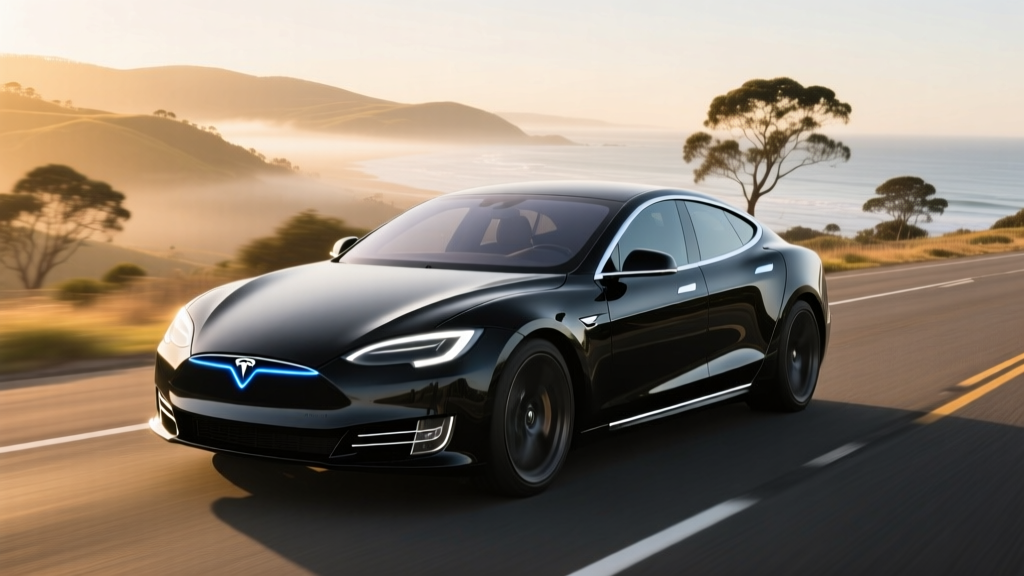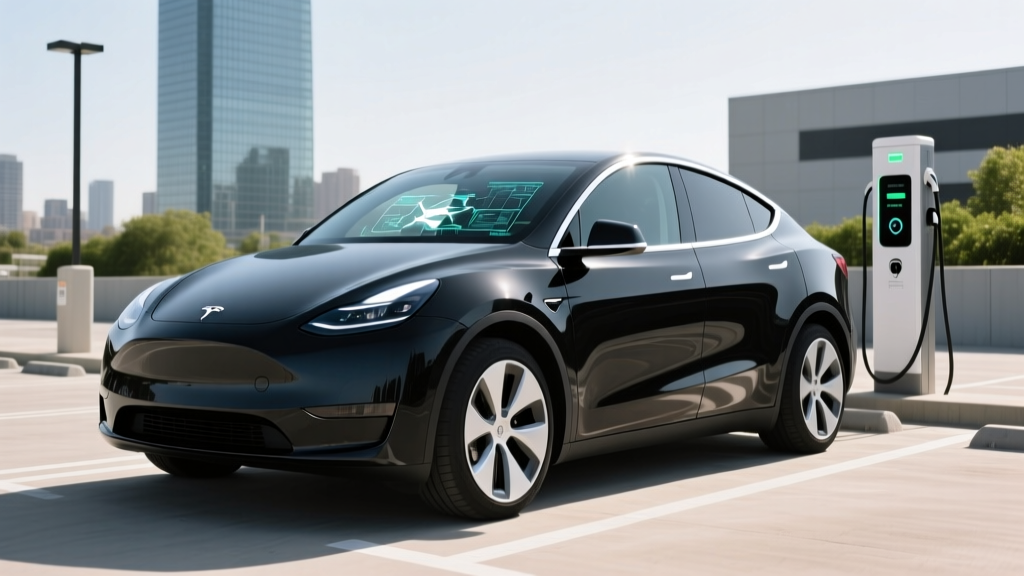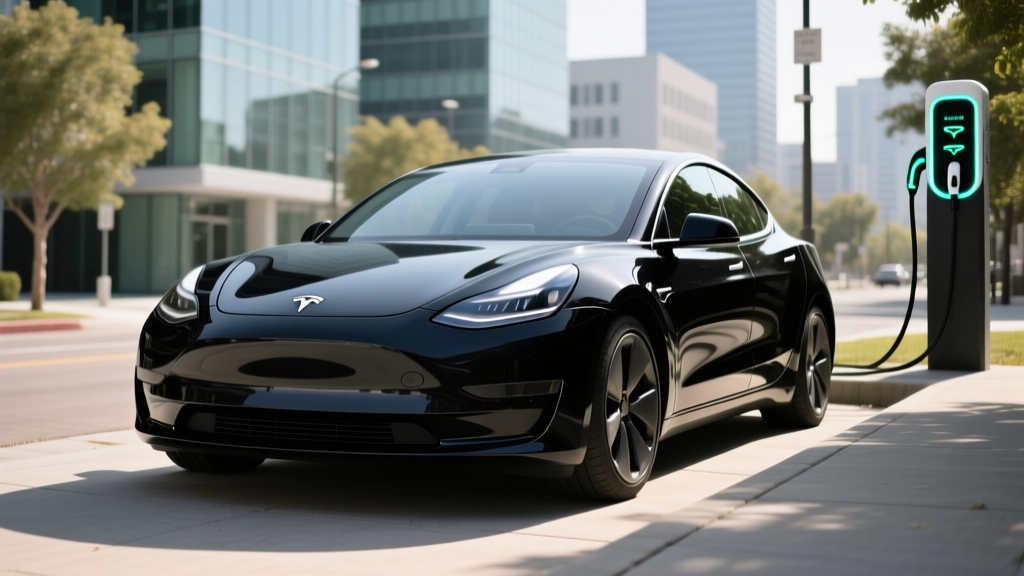
If you've searched "lease Tesla Model 3" recently, you're not alone. The refreshed Model 3 (internally called "Highland") remains one of the most-searched electric sedans in the U.S., and for good reason: it undercuts most premium EVs on price while delivering class-leading efficiency, access to the Supercharger network, and over-the-air updates that keep the car evolving. But leasing an EV involves different math than buying one — especially when federal tax credits, residual values, and real-world range all factor into your monthly payment.
This review covers the 2026 Tesla Model 3 lineup with exact specs, real-world range data, charging performance, and a clear-eyed look at whether leasing or buying makes more financial sense right now.
2026 Tesla Model 3: Quick Specs at a Glance
| Spec | Model 3 RWD | Model 3 Long Range AWD | Model 3 Performance |
|---|---|---|---|
| Base MSRP | $38,990 | $44,990 | $50,990 |
| EPA Range | 272 mi | 341 mi | 315 mi |
| Battery (usable) | ~60 kWh (LFP) | ~75 kWh (NMC) | ~75 kWh (NMC) |
| Drivetrain | RWD, single motor | AWD, dual motor | AWD, dual motor |
| Horsepower | 271 hp | 346 hp | 510 hp |
| 0–60 mph | 5.8 sec | 4.2 sec | 2.9 sec |
| Peak DC Fast Charge | 170 kW | 250 kW | 250 kW |
| 10–80% DC Time | ~25 min | ~18 min | ~18 min |
| Level 2 Home Rate | 11.5 kW (~30 mi/hr) | 11.5 kW (~44 mi/hr) | 11.5 kW (~44 mi/hr) |
| EPA Efficiency | 132 MPGe (25 kWh/100mi) | 132 MPGe (25 kWh/100mi) | 119 MPGe (28 kWh/100mi) |
| Battery Warranty | 8 yr / 100,000 mi | 8 yr / 120,000 mi | 8 yr / 120,000 mi |
Sources: EPA fueleconomy.gov, Tesla Model 3 specs.
Real-World Range: What the EPA Sticker Doesn't Tell You
EPA Estimates: RWD 272 mi · Long Range 341 mi · Performance 315 mi
Real-World Highway (70–80 mph, moderate weather): Expect ~225–240 mi (RWD), ~280–300 mi (Long Range), ~260–275 mi (Performance)
Cold Weather (below 32°F): Subtract 20–30% from EPA figures — LFP chemistry in the RWD model is more susceptible to cold range loss than the NMC packs in Long Range and Performance trims.
The Long Range AWD is the sweet spot for buyers who regularly drive beyond 200 miles between charges. Its ~75 kWh NMC battery delivers the best combination of range and charge speed. The RWD model uses an LFP (lithium iron phosphate) battery — lighter on energy density but more durable over thousands of cycles and free of cobalt. LFP also tolerates regular 100% charges better than NMC, which Tesla recommends keeping at 80% for daily use.
On a 300-mile road trip from Los Angeles to Las Vegas in the Long Range AWD, you'll arrive with roughly 40–60 miles of buffer in mild weather — no intermediate stop required if you precondition and drive at 70 mph. Push it to 80 mph in winter, and you'll want a 10-minute Supercharger stop at Barstow.
Charging Speed: DC Fast, Level 2, and the Supercharger Advantage
| Charging Level | Power / Rate | Miles Added per Hour | Best For |
|---|---|---|---|
| Level 1 (120V household) | ~1.4 kW | ~3–5 mi/hr | Overnight top-ups, emergencies |
| Level 2 (240V home/work) | 11.5 kW (48A) | ~30–44 mi/hr | Daily home charging |
| DC Fast (Supercharger V3/V4) | Up to 250 kW peak | ~1,000+ mi/hr (peak) | Road trips, rapid top-ups |
The Long Range and Performance trims peak at 250 kW on a V3 or V4 Supercharger, reaching 80% state of charge in roughly 18 minutes under ideal conditions (warm battery, low state of charge at arrival). The RWD model caps at 170 kW, adding about 7 minutes to that 10–80% session.
One often-overlooked advantage: charge curve taper. Tesla's battery management sustains peak power longer than most competitors. Where some EVs drop from peak kW after 30% SoC, the Model 3 Long Range holds above 150 kW until roughly 60% SoC before tapering. This means your actual average charging power on a road trip is higher than the spec sheet alone suggests.
For home charging, a Level 2 Wall Connector on a 60-amp circuit delivers 11.5 kW — enough to fully replenish the Long Range overnight in about 7 hours. Installation typically runs $500–$2,000 depending on panel proximity and whether your home needs a service upgrade. (Always get a quote from a licensed electrician before committing.)
Lease vs. Buy: The Tax Credit Question That Changes Everything
Here's where "lease Tesla Model 3" searches get interesting. Under IRS §30D, the federal EV tax credit is up to $7,500 — but it comes with significant strings attached:
- Buyer income caps: $150,000 single / $300,000 joint (modified AGI)
- MSRP cap: $55,000 for sedans (all Model 3 trims qualify)
- Battery sourcing: Critical minerals and battery components must meet phased-in domestic/free-trade-agreement sourcing thresholds — these tighten annually through 2030
- Point-of-sale transfer: As of 2024, eligible buyers can transfer the credit to the dealer at purchase, reducing the sale price directly
See the latest eligibility details at IRS.gov §30D.
The lease loophole: When you lease a Model 3, the $7,500 credit goes to the leasing company (technically the vehicle's owner), not to you. Many leasing companies — including Tesla's own leasing arm — pass some or all of this savings through as a lower capitalized cost ("cap cost reduction"), which reduces your monthly payment. But this pass-through is not guaranteed and varies by lessor. Always confirm the exact cap cost reduction before signing.
The advantage of leasing under the commercial credit (§45W) is that it bypasses the §30D income caps, MSRP caps, and battery-sourcing rules entirely. This means high-income earners who wouldn't qualify for the purchase credit can still benefit from a reduced lease payment.
| Scenario | Model 3 Long Range AWD |
|---|---|
| MSRP | $44,990 |
| Federal credit (if eligible, purchase) | −$7,500 |
| Effective purchase price | ~$37,490 (before state incentives) |
| Typical lease (36 mo / 10k mi/yr) | ~$399–$479/mo (varies by cap cost reduction, money factor, residual) |
| Lease credit pass-through | Varies — confirm with lessor |
Interior, Tech, and Daily Livability
The refreshed Model 3 interior is noticeably quieter and more refined than the pre-2024 version. Acoustic glass, revised suspension tuning, and ventilated front seats make it a credible premium sedan competitor. The 15.4-inch touchscreen handles everything — there are no physical stalks or buttons for turn signals (they're on the steering wheel) or gear selection (swipe on the screen or use the overhead console).
Dimensions that matter:
- Front legroom: 42.4 in | Rear legroom: 35.3 in
- Cargo (trunk + frunk): 23 cu ft total
- Ground clearance: 5.5 in
- Curb weight: ~3,862–4,065 lb depending on trim
The rear seat is adequate for adults on shorter trips but tighter than a Hyundai Ioniq 6 or BMW i4 for tall passengers. The 23 cu ft of cargo space (including the front trunk, or "frunk") is generous for a sedan but doesn't match a hatchback or crossover.
Driver assistance: Every Model 3 includes Tesla's Basic Autopilot (adaptive cruise, lane centering) — an SAE Level 2 system that requires continuous driver supervision. Tesla's Full Self-Driving (Supervised) remains a paid add-on (~$8,000 purchase or $99/month subscription) and is also Level 2 despite its name. It handles more complex scenarios (city streets, stop signs, lane changes) but does not make the car autonomous. You must remain engaged at all times.
Ownership Costs, Warranty, and Long-Term Value
Tesla's battery and drive unit warranty covers 8 years / 100,000 miles (RWD) or 8 years / 120,000 miles (Long Range and Performance), whichever comes first. The warranty guarantees at least 70% battery capacity retention over that period. Real-world data from Tesla's impact reports and third-party fleet analyses show average degradation of roughly 10–12% after 100,000 miles — well within the warranty threshold.
The basic vehicle limited warranty covers 4 years / 50,000 miles, which is shorter than most legacy automakers (Hyundai offers 5/60,000; BMW offers 4/50,000 with complimentary maintenance).
Charging cost vs. gasoline: At the U.S. average electricity rate of ~$0.16/kWh, fully charging the Long Range's 75 kWh battery costs about $12 — roughly equivalent to $1.30/gallon gasoline. Supercharger rates vary ($0.25–$0.45/kWh depending on location and time), bringing road-trip fuel costs closer to a 40-MPG hybrid but still below most gas sedans.
✅ Pros
- Best-in-class efficiency (132 MPGe, 25 kWh/100mi)
- Supercharger network — the most reliable DC fast-charging ecosystem in North America
- OTA updates add features post-purchase
- Strong resale/lease residual values
- Qualifies for full §30D credit (all trims under MSRP cap)
❌ Cons
- No physical turn signal stalk — takes adaptation
- Rear seat room is average for the class
- No Apple CarPlay or Android Auto
- FSD (Supervised) is expensive and still Level 2
- Insurance premiums run 15–25% above class average
Should You Lease the Tesla Model 3 or Look at Competitors?
- Lease the Model 3 Long Range if: You want the lowest cost-per-mile-of-range in a premium sedan, rely on road-trip charging infrastructure, and value continuous software improvements. The lease path also sidesteps §30D income and sourcing restrictions.
- Buy the Model 3 RWD if: You're a commuter with home charging, your daily round-trip is under 100 miles, and you qualify for the full $7,500 purchase credit — bringing the effective price near $31,490.
- Consider the Hyundai Ioniq 6 instead if: You prefer physical controls, want Apple CarPlay, need more rear-seat room, or value a longer basic warranty.
- Consider the BMW i4 if: Driving dynamics and traditional luxury materials are priorities and you're willing to pay a $10,000+ premium.
The Model 3's closest rival on paper, the Hyundai Ioniq 6 SE Long Range, matches it at 361 miles EPA but costs slightly more and charges on the slower CCS network (peak 235 kW). The BMW i4 eDrive40 offers a more polished interior and 307 miles of range but starts above $52,000 — pushing past the §30D sedan MSRP cap. For pure value-per-mile-of-range, the Model 3 Long Range remains the benchmark.
Frequently Asked Questions
What is the real-world range of the Tesla Model 3?
The EPA rates the Long Range AWD at 341 miles, the Performance at 315 miles, and the RWD at 272 miles. In real-world highway driving at 70–80 mph, expect 280–300 miles from the Long Range, 260–275 from the Performance, and 225–240 from the RWD. Cold weather (below freezing) reduces range by 20–30%, especially on the LFP-equipped RWD model.
How fast does the Model 3 charge at home and on the road?
On a Level 2 home charger (240V, 48A), the Model 3 charges at 11.5 kW — adding roughly 30–44 miles of range per hour depending on trim. On a Tesla Supercharger V3/V4, the Long Range and Performance peak at 250 kW (10–80% in ~18 minutes); the RWD peaks at 170 kW (~25 minutes).
Does the Tesla Model 3 qualify for the $7,500 federal tax credit?
All 2026 Model 3 trims fall under the $55,000 sedan MSRP cap for §30D. Eligibility depends on your income (≤$150K single / ≤$300K joint), the battery's critical-mineral and component sourcing (rules tighten annually), and whether you purchase or lease. When leasing, the credit goes to the lessor — confirm they pass it through as a cap cost reduction. Verify current rules at IRS.gov.
Is it better to lease or buy a Tesla Model 3?
Leasing makes sense if you want lower monthly payments, prefer to swap cars every 3 years, or earn above the §30D income limit (the commercial credit path may still reduce your lease cost). Buying makes sense if you qualify for the full $7,500 point-of-sale credit, plan to keep the car 5+ years, and want to build equity. Run both scenarios with your specific tax situation — a tax professional can advise on credit eligibility.
How does the Model 3 compare to the Hyundai Ioniq 6 and BMW i4?
The Model 3 Long Range offers 341 miles of range at $44,990 with Supercharger access. The Ioniq 6 SE LR delivers 361 miles EPA at a similar price but uses CCS charging (slower network coverage). The BMW i4 eDrive40 starts above $52,000 with 307 miles, a more traditional luxury interior, and CCS charging. The Model 3 wins on charging infrastructure and efficiency; the Ioniq 6 wins on range and rear-seat space; the i4 wins on driving refinement.
What's the battery warranty on the Tesla Model 3?
Tesla covers the battery and drive unit for 8 years / 100,000 miles (RWD) or 8 years / 120,000 miles (Long Range and Performance), guaranteeing at least 70% capacity retention. Real-world fleet data shows roughly 10–12% degradation at 100,000 miles on average.