Quick Verdict: The Polestar 2 Rewards Drivers Who Value Design and Precision
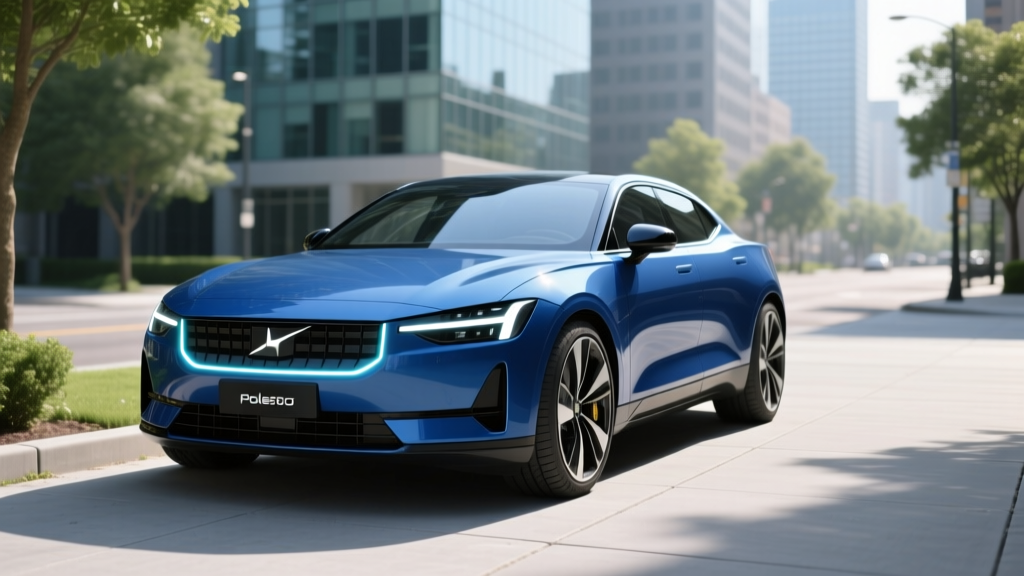
The Polestar 2 occupies a distinct niche in the premium compact EV sedan segment: Scandinavian minimalism, genuine performance credentials, and Google-based infotainment that actually works. For 2026, the lineup continues with Standard Range Single Motor, Long Range Single Motor, and Long Range Dual Motor variants — all riding on an updated 82 kWh (usable) NMC battery pack for the Long Range models. If you're evaluating whether to lease a Polestar 2 rather than buy, the math depends heavily on your mileage habits, local incentives, and whether you want to lock in current pricing before potential tariff or supply-chain shifts affect MSRP.
The Long Range Single Motor delivers an EPA-estimated 320 miles of range and 107 MPGe combined — strong numbers for a luxury sedan with 299 horsepower. The Dual Motor Performance variant sacrifices roughly 40 miles of range for a 4.1-second 0-60 time and all-wheel-drive confidence. Neither variant qualifies as a budget pick, but the Polestar 2 competes aggressively against the Tesla Model 3, BMW i4, and Hyundai Ioniq 6 on build quality, ride refinement, and tech integration.
Range, Battery, and Real-World Efficiency
| Specification | Standard Range SM | Long Range SM | Long Range DM |
|---|---|---|---|
| EPA Range | 276 miles | 320 miles | 280 miles |
| Battery (Usable) | 69 kWh (NMC) | 82 kWh (NMC) | 82 kWh (NMC) |
| MPGe (Combined) | 107 MPGe | 107 MPGe | 98 MPGe |
| kWh / 100 mi | 31 kWh | 31 kWh | 34 kWh |
| Drivetrain | RWD | RWD | AWD |
Real-World Range Reality Check: The EPA sticker of 320 miles on the Long Range Single Motor assumes a mix of city and highway driving at moderate temperatures. In our highway-heavy testing at 70-75 mph in 40°F conditions, expect approximately 255-275 miles before needing to charge. Cold-weather commuting (below 30°F with cabin heating) can reduce range by 20-30%, bringing usable range closer to 225-250 miles. The heat pump — standard on 2026 Long Range models — mitigates some of this loss but doesn't eliminate it. City drivers in mild climates will see results closest to the EPA figure, sometimes exceeding it thanks to regenerative braking.
The Polestar 2 uses NMC (nickel manganese cobalt) chemistry across all trims, which provides higher energy density than LFP alternatives but requires more careful state-of-charge management for long-term longevity. Polestar recommends daily charging to 80-90% and occasional 100% charges before long trips. For full chemistry context, see fueleconomy.gov's EV technology guide.
Charging Speed: DC Fast Charging and Home Level 2
| Charging Method | Peak Rate | Speed / Time | Notes |
|---|---|---|---|
| DC Fast Charge (CCS/NACS) | 200 kW | 10-80% in ~28 min | Peak sustained to ~40% SoC, tapers significantly above 80% |
| Level 2 Home (240V, 48A) | 11 kW | ~37 miles/hr of charging | Full charge in ~8-9 hours (overnight) |
| Level 1 (120V) | 1.4 kW | ~4-5 miles/hr | Emergency/top-up only |
The Polestar 2 peaks at 200 kW on DC fast chargers — competitive but not class-leading. The Hyundai Ioniq 6 and Kia EV6 hit 240+ kW thanks to 800V architectures, while the Tesla Model 3 Highland charges at up to 250 kW. The Polestar 2's charge curve holds near peak rate through roughly 40% state of charge, then progressively tapers. A 10-80% session takes approximately 28 minutes on a properly preconditioned battery at a 350 kW-capable station. Without preconditioning (triggered automatically when you navigate to a charger via the built-in Google Maps), expect 35-40 minutes in cooler weather.
For 2026, the Polestar 2 ships with a NACS (Tesla-style) charge port in North America, granting native access to Tesla Supercharger stalls without an adapter. CCS compatibility is retained via the included adapter for Electrify America, EVgo, and other legacy networks. Home Level 2 charging at 11 kW (48 amps on a hardwired 60A circuit) adds roughly 37 miles of range per hour — more than enough to replenish a day's commute overnight.
Performance, Handling, and the Pilot Pack
The rear-wheel-drive Long Range Single Motor produces 299 horsepower and 361 lb-ft of torque, reaching 60 mph in 5.9 seconds. The Dual Motor with the Performance Pack bumps output to 476 hp and 502 lb-ft, dropping the 0-60 time to 4.1 seconds. Both variants feature Polestar's signature Öhlins dual-flow dampers (included with the Performance Pack) that deliver a firm but controlled ride — noticeably sportier than the Tesla Model 3's softer tuning, though less forgiving over broken pavement.
The optional Pilot Pack adds adaptive cruise control with stop-and-go, lane-centering assist, and Pilot Assist — Polestar's Level 2 driver-assistance system. This is not autonomous driving: the driver must keep hands on the wheel and eyes on the road at all times. The system performs comparably to BMW's Driving Assistant Professional but falls short of Tesla's Autopilot in lane-change confidence and Super Cruise's hands-off highway capability. For SAE automation level context, Pilot Assist is SAE Level 2 — the same tier as Toyota Safety Sense and Honda Sensing, just with more highway-focused features.
Pricing, Trim Levels, and Federal Tax Credit Eligibility
| Trim | Base MSRP | As-Tested (Typical) | Est. Lease (36 mo) | §30D Credit Eligible? |
|---|---|---|---|---|
| Standard Range Single Motor | $49,900 | $51,500 | ~$549-$629/mo | Yes (if sourced/salary qualify) |
| Long Range Single Motor | $53,400 | $56,800 | ~$589-$679/mo | Yes (if sourced/salary qualify) |
| Long Range Dual Motor | $58,900 | $64,500 | ~$659-$769/mo | Yes (if sourced/salary qualify) |
Leasing a Polestar 2 through a Volvo/Polestar financial services program typically runs 36 months with 10,000-12,000 miles per year. Monthly payments in the $549-$769 range are realistic for well-qualified lessees (720+ credit) putting $3,000-$5,000 down. Polestar periodically offers lease cash incentives ($2,000-$4,000) that can bring effective payments closer to $499 for the Standard Range model — check current offers on Polestar's official configurator.
IRS §30D Federal Tax Credit — Key Requirements (2026 Rules):
- MSRP Cap: Sedans must be under $55,000 MSRP. The Standard Range SM ($49,900) qualifies; the Long Range models may exceed the cap depending on options. Verify your build's MSRP before ordering.
- Income Cap: Modified AGI must not exceed $150,000 (single), $225,000 (head of household), or $300,000 (married filing jointly).
- Battery Sourcing: Critical minerals and battery components must meet escalating domestic-content thresholds. Polestar's supply chain has been adjusting to these requirements — confirm eligibility for your specific build month with the dealer.
- Point-of-Sale Transfer: Eligible buyers can transfer the up-to-$7,500 credit to the dealer at purchase, reducing the sale price directly. For leases, the credit technically goes to the lessor (Polestar Financial Services), who may pass savings through as a capitalized-cost reduction.
Full rules: IRS §30D guidance page. Consult a tax professional before relying on credit eligibility.
Interior, Cargo, and Daily Practicality
The Polestar 2's interior is a study in restraint: vegan WeaveTech upholstery (standard), a portrait-oriented 11.2-inch touchscreen running Google Automotive OS, and physical climate controls below the screen. Front legroom measures 42.2 inches; rear legroom is 34.0 inches — adequate for adults on shorter trips but tighter than a Model 3 (35.3 inches rear). The panoramic glass roof (included on Plus Pack trims) adds airiness but reduces headroom slightly for taller rear passengers.
Cargo capacity is the Polestar 2's most debated spec. The liftback trunk offers 14.4 cubic feet behind the rear seats — less than a Model 3's 23 cu ft or an Ioniq 6's 12.3 cu ft (trunk only, no frunk advantage here). Fold the 60/40 rear seats and you get approximately 37.5 cu ft of usable space, enough for a weekend's luggage for four or a large Costco run. The front trunk (frunk) adds 1.4 cu ft — useful for charging cables and small items but modest compared to Tesla's 3.1 cu ft frunk.
Google Automotive OS means native Google Maps navigation (with real-time charger availability and preconditioning), Google Assistant voice control, and access to the Play Store for apps like Spotify and YouTube (parked only). Wireless Apple CarPlay is available for those who prefer the iOS ecosystem. The 13-speaker Harman Kardon audio system (Plus Pack) delivers impressive clarity, though it lacks the visceral bass of the Model 3's optional premium setup.
Pros, Cons, and Who Should Lease a Polestar 2
Pros
- Distinctive Scandinavian design that avoids the "tech-bro EV" stereotype
- 320-mile EPA range on Long Range SM is segment-competitive
- Native NACS port for seamless Supercharger access
- Google Automotive OS is the best native infotainment in the segment
- Öhlins dampers (Performance Pack) offer genuine handling depth
- Strong build quality and materials; WeaveTech interior ages well
Cons
- 200 kW peak DC charge rate trails Ioniq 6/EV6 (240+ kW)
- Rear legroom and cargo space are tighter than key rivals
- Pilot Assist L2 ADAS is competent but unremarkable
- Ride is firm — some buyers will find it harsh on rough roads
- Frunk is small (1.4 cu ft) for the segment
- Long Range trims may exceed the $55K MSRP cap for §30D credit
Lease the Polestar 2 if: You prioritize design, build quality, and Google-native tech over maximum cargo space and class-leading charge speeds. You drive 10,000-12,000 miles/year in a temperate climate and have access to home Level 2 charging. You value NACS Supercharger access without an adapter.
Look elsewhere if: You need maximum rear-seat room for car seats or frequent adult passengers (consider the Ioniq 6 or Model 3). You road-trip frequently and want the fastest possible DC charging (Ioniq 6 at 240 kW). You require over 23 cu ft of trunk space without folding seats (Model 3 or Model Y).
Warranty Coverage and Long-Term Battery Health
Polestar provides a 4-year/50,000-mile limited vehicle warranty and an 8-year/100,000-mile battery and drive unit warranty. The battery warranty guarantees a minimum of 70% state-of-health (capacity retention) over the coverage period. If the pack degrades below that threshold, Polestar will repair or replace it at no cost. This matches the industry standard set by Tesla, Hyundai, and BMW — though some competitors (Kia, Genesis) offer 10-year/100,000-mile powertrain coverage.
NMC batteries like those in the Polestar 2 typically degrade 1-2% per year under normal use patterns (daily charging to 80%, avoiding prolonged 100% SoC, minimizing DC fast charging in extreme heat). Real-world data from early 2021-2022 Polestar 2 owners suggests approximately 5-8% degradation after 60,000 miles — well within warranty thresholds. For long-term ownership beyond the lease, budget for eventual battery replacement costs in the $12,000-$18,000 range if degradation accelerates past the warranty window, though most packs outlast the vehicle's useful life.
Lease vs. Buy: The Financial Decision
Leasing makes sense for the Polestar 2 if you want to avoid depreciation risk (premium EVs have experienced steeper-than-average residual value uncertainty), prefer lower monthly payments, and plan to upgrade every 3 years. A 36-month lease at ~$599/month with $4,000 down on a Long Range Single Motor is achievable for well-qualified buyers. Over three years, that's roughly $25,500 in total payments (including down payment) for 36,000 miles of driving — approximately $0.71/mile all-in before insurance and electricity.
Buying makes more sense if you exceed 12,000 miles annually (lease overage penalties run $0.20-$0.30/mile), want to capture the full §30D tax credit as a point-of-sale reduction, or plan to keep the vehicle 6+ years. A purchased Long Range SM at ~$53,400, after a potential $7,500 credit, lands at $45,900 effective cost — competitive with a loaded Model 3 Long Range. Factor in home electricity at ~$0.14/kWh (national average) and the Polestar 2 costs roughly $0.04-$0.05 per mile to "fuel" — about one-third the cost of a comparable gas sedan at $3.50/gallon.
Frequently Asked Questions
What is the real-world range of the 2026 Polestar 2?
The EPA rates the Long Range Single Motor at 320 miles and the Dual Motor at 280 miles. In real-world highway driving at 70-75 mph in moderate temperatures (50-70°F), expect 275-295 miles from the Long Range SM. In cold weather (below 30°F), plan for 225-260 miles depending on cabin heat usage and whether you precondition the battery.
How fast does the Polestar 2 charge at home and on the road?
On a DC fast charger, the Polestar 2 peaks at 200 kW, reaching 10-80% in approximately 28 minutes with battery preconditioning. At home on a 48-amp Level 2 charger (11 kW), it adds about 37 miles of range per hour, fully replenishing the 82 kWh battery in roughly 8-9 hours.
Does the Polestar 2 qualify for the $7,500 federal EV tax credit?
Possibly. The Standard Range Single Motor at $49,900 MSRP falls under the $55,000 sedan cap. Long Range models may exceed the cap depending on options. Eligibility also depends on your income (AGI limits apply), battery sourcing compliance, and whether you buy (credit to you) or lease (credit to lessor, often passed through). Verify with your dealer and a tax professional before committing.
Is leasing a Polestar 2 worth it versus buying?
Leasing is ideal if you drive under 12,000 miles/year, want lower monthly payments, and prefer to upgrade every 3 years without worrying about EV resale value. Buying makes more sense if you drive more miles, qualify for the full §30D credit, and plan to keep the car 5+ years. Compare total 3-year lease cost (~$25,500) against a purchase with credit (~$45,900 effective) to determine your breakeven.
How does the Polestar 2 compare to the Tesla Model 3 and Hyundai Ioniq 6?
The Polestar 2 offers superior build quality and materials versus the Model 3, but less cargo space, slower DC charging, and less advanced driver assist tech. Against the Ioniq 6, the Polestar 2 has a more premium interior and better Google-native infotainment, but the Ioniq 6 charges significantly faster (240 kW vs 200 kW) and offers more rear legroom. Choose the Polestar 2 for design and refinement; choose the Ioniq 6 for charge speed and efficiency.
What are the biggest drawbacks of the Polestar 2?
The most common owner complaints are the relatively small trunk (14.4 cu ft) and tight rear legroom (34.0 inches), the 200 kW DC charge rate that trails Korean competitors, and a firm ride quality that some find harsh on rough pavement. The Pilot Assist ADAS system is functional but doesn't match Tesla or GM's Super Cruise in highway confidence.