The Short Answer: Kia Stinger EV Status in 2026
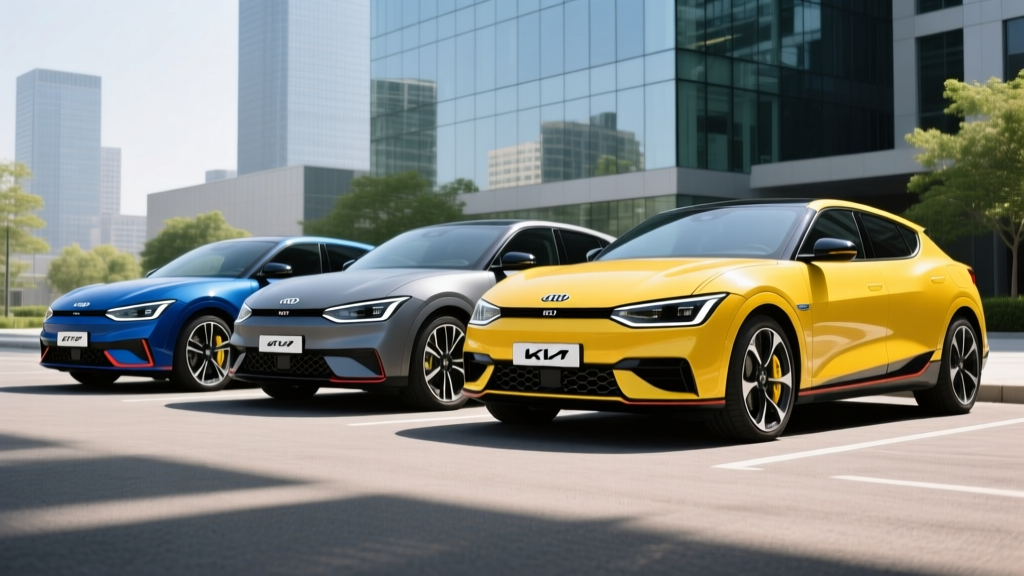
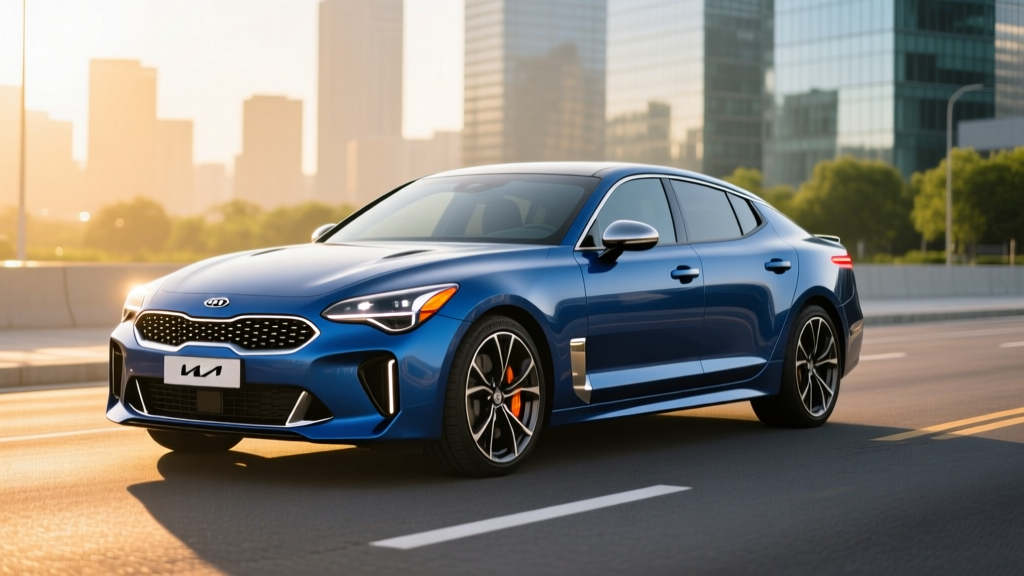
As of early 2026, Kia has not officially confirmed a production Kia Stinger EV. The original gasoline Stinger was discontinued after the 2023 model year. Industry reports and Kia's E-GMP platform roadmap suggest an electric sportback successor could debut as a 2027 or 2028 model — potentially wearing the Stinger name or a new badge (some markets have seen the Kia GT concept lineage continue under different nomenclature). If a Stinger EV arrives, expect an 84–100 kWh NMC battery, 300–340 miles of EPA range, 800V DC fast charging peaking around 240 kW, and a starting MSRP in the $52,000–$58,000 range before incentives. All figures below are projected based on Kia's current EV lineup and E-GMP platform capabilities — not confirmed specifications.
What We Know (and Don't Know) About a Stinger EV
Kia's internal combustion Stinger — a rear-drive-biased sportback with up to 368 hp from its twin-turbo V6 — carved out a niche as an affordable performance grand tourer. When Kia discontinued it, enthusiasts immediately asked: what's the electric successor?
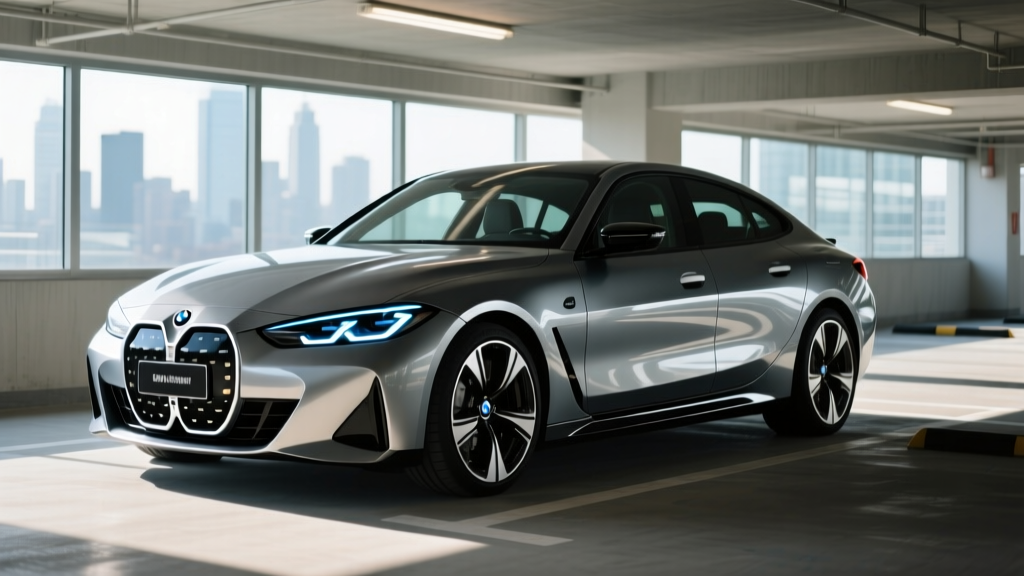
Kia has been expanding its EV portfolio aggressively. The EV6 and EV9 proved the E-GMP (Electric-Global Modular Platform) can underpin everything from crossover to three-row SUV. A sportback or performance sedan on this architecture is technically feasible and strategically logical, especially as Kia competes with the Hyundai Ioniq 6, Tesla Model 3 Performance, and BMW i4.
However, Kia's publicly announced EV roadmap through 2027 focuses on SUVs and crossovers. A low-slung performance electric sedan has not appeared in official product plans. Until Kia issues a press release or shows a near-production concept, treat any "Stinger EV" listing as speculative.
Projected Stinger EV Specs: What E-GMP Could Deliver
If Kia green-lights a Stinger EV successor, the E-GMP platform gives us strong baseline expectations. The EV6 GT already demonstrates the platform's performance ceiling: 576 hp, 0–60 in 3.4 seconds, and 800V charging architecture. A sportback variant would likely prioritize range and grand-touring comfort over outright track performance.
| Spec | Projected Estimate | Basis for Estimate |
|---|---|---|
| Battery Capacity | 84–100 kWh (usable) | EV6 uses 77.4 kWh; sportback likely gets larger pack |
| Battery Chemistry | NMC (Nickel Manganese Cobalt) | Performance models favor NMC energy density over LFP |
| EPA Range (est.) | 300–340 miles | EV6 Long Range achieves 310 mi with smaller pack; aerodynamic sportback shape helps |
| Drivetrain | Dual-motor AWD | Performance positioning demands AWD; RWD base trim possible |
| Horsepower | 320–576 hp (trim-dependent) | EV6 ranges from 167 hp (RWD) to 576 hp (GT) |
| 0–60 mph | 3.4–5.8 seconds | Depends on powertrain tune |
| Max DC Fast Charge | 240 kW peak (800V) | E-GMP platform standard; 10–80% in ~18 minutes |
| Level 2 AC Charging | 10.9 kW (48A) | Standard onboard charger for E-GMP |
| Starting MSRP (est.) | $52,000–$58,000 | EV6 starts ~$43k; sportback premium + larger battery |
| Battery/Powertrain Warranty | 10 years / 100,000 miles | Kia's standard EV warranty |
Real-World Range Expectations
EPA estimate: 300–340 miles (projected)
Real-world highway (70–80 mph): Expect 250–290 miles. Sportback aerodynamics help, but high speeds still consume 15–20% more energy than the EPA combined cycle.
Cold weather (below 32°F): Expect 210–260 miles. NMC batteries lose 20–30% range in sustained freezing temps, even with a heat pump. Preconditioning while plugged in recovers some of this loss.
Mountainous terrain: Regenerative braking on descents partially offsets climbing losses, but net range drops 10–15% on sustained elevation gains.
Stinger EV vs. Gas Stinger vs. the Competition
The original 2023 Kia Stinger GT2 (3.3L twin-turbo V6, 368 hp) stickered around $53,000 and delivered 20 MPG combined per fueleconomy.gov. An electric successor would trade some of that raw mechanical character for instant torque, lower running costs, and a quieter cabin — but at a likely higher starting price.
| Metric | 2023 Stinger GT (Gas) | Stinger EV (Projected) | Tesla Model 3 Perf. (2026) | Hyundai Ioniq 6 Limited | BMW i4 M50 |
|---|---|---|---|---|---|
| Powertrain | 3.3L TT V6 | Dual-motor AWD | Dual-motor AWD | Dual-motor AWD | Dual-motor AWD |
| Horsepower | 368 hp | ~400–576 hp | 510 hp | 320 hp | 536 hp |
| 0–60 mph | 4.7 sec | ~3.4–4.5 sec | 3.1 sec | 5.1 sec | 3.7 sec |
| EPA Range | ~370 mi (15.8 gal tank) | ~310–340 mi | 315 mi | 305 mi | 245 mi |
| Fuel/Energy Cost | ~$0.17/mi (premium) | ~$0.05/mi (home L2) | ~$0.04/mi | ~$0.04/mi | ~$0.05/mi |
| Base MSRP | $53,090 (discontinued) | ~$52,000–$58,000 | $54,990 | $52,600 | $69,700 |
| Federal Tax Credit | N/A | Up to $7,500 (see rules) | Up to $7,500 | Up to $7,500 | $0 (MSRP cap) |
| Maintenance (5-yr) | ~$3,500 | ~$1,200 | ~$1,000 | ~$1,200 | ~$1,800 |
The numbers tell a clear story: an electric Stinger successor would likely match or exceed the gas car's performance while cutting per-mile fuel costs by roughly 70% and slashing maintenance. The trade-off is a higher upfront price (before incentives), charging logistics for apartment dwellers, and the loss of the V6's exhaust note — something no synthetic speaker profile truly replaces.
The Real Costs: 5-Year Ownership Breakdown
Let's run the numbers on a projected Stinger EV against the last gas Stinger GT, assuming 15,000 miles/year, national average electricity at $0.16/kWh, and premium gasoline at $4.20/gallon.
| Cost Category | Gas Stinger GT | Projected Stinger EV | 5-Year Difference |
|---|---|---|---|
| Purchase Price (MSRP) | $53,090 | $55,000 (est.) | +$1,910 (EV) |
| Federal Tax Credit (§30D) | $0 | –$7,500 (if eligible) | –$7,500 (EV) |
| Effective Purchase | $53,090 | $47,500 | –$5,590 (EV saves) |
| Fuel / Electricity (75k mi) | $12,750 | $3,750 | –$9,000 (EV saves) |
| Maintenance | $3,500 | $1,200 | –$2,300 (EV saves) |
| Insurance (est. avg) | $9,500 | $10,800 | +$1,300 (EV costs more) |
| Home Charger Install | $0 | $1,200 (Level 2) | +$1,200 (EV) |
| 5-Year Total | $78,840 | $64,450 | –$14,390 (EV saves) |
Key assumptions: The $7,500 federal credit under IRS §30D requires meeting buyer income caps ($150k single / $300k joint), vehicle MSRP caps ($55,000 for sedans), battery critical-mineral and component sourcing thresholds, and final assembly in North America. A projected Stinger EV priced above $55,000 MSRP may exceed the sedan cap, potentially disqualifying it — this is a crucial variable Kia would need to engineer around. Always verify eligibility with a tax professional before purchase.
Should You Wait or Buy Now? A Decision Framework
If You're Considering a Kia Stinger EV Today:
Wait for the Stinger EV IF:
- You specifically want a Kia sportback with performance DNA and are willing to wait until 2027–2028 for a potential release.
- You currently own a gas Stinger and want to stay in the Kia ecosystem with an electric successor.
- Your daily commute is under 100 miles and you have reliable Level 2 home charging — meaning any 300+ mile EV will serve you well when it arrives.
- You can defer your purchase 18–24 months without your current vehicle becoming a safety or reliability concern.
Buy an Available EV Now IF:
- You need a vehicle within 6 months. The Stinger EV is not confirmed — waiting risks an indefinite hold with no guarantee of production.
- A performance sedan or sportback is your priority. The Hyundai Ioniq 6 (EPA 305–360 mi, $42k–$53k), Tesla Model 3 Performance (EPA 315 mi, $54,990), or BMW i4 ($52k–$70k) are all available today with proven charging networks.
- You want Kia's 10-year warranty and E-GMP platform now. The Kia EV6 (EPA 232–310 mi, $43k–$62k) shares the same underpinnings a Stinger EV would use.
- You qualify for the §30D tax credit today but are uncertain about future rule changes. Incentive eligibility can tighten — locking in current rules has value.
What First-Time EV Buyers Should Know Before Committing
Whether you wait for a Stinger EV or choose an available alternative, these ownership realities apply to any first EV purchase:
Home Charging Is Non-Negotiable for Most Owners
Over 80% of EV charging happens at home. If you live in an apartment without charging access or lack a garage/driveway for a Level 2 installation, daily EV ownership becomes significantly more burdensome. A Level 2 home charger (240V, 48A / 11.5 kW) adds roughly 35–40 miles of range per hour of charging and costs $800–$2,000 installed, depending on whether your electrical panel needs an upgrade. Confirm your home's charging feasibility before ordering any EV.
The Charging Curve Matters More Than Peak kW
E-GMP vehicles like the EV6 advertise 240 kW peak DC fast charging — but that peak only holds between roughly 10% and 45% State of Charge. Above 80%, charging slows dramatically to protect battery health. A realistic 10–80% session takes 18–20 minutes at a capable 350 kW station. On road trips, plan stops around the 10–80% window; charging from 80–100% can take as long as the entire 10–80% session.
Cold Weather Range Loss Is Real and Measurable
In sustained temperatures below 32°F, expect 20–30% range reduction from the EPA sticker. A projected 320-mile Stinger EV could deliver as little as 225 miles in a Midwest winter. A heat pump (standard on most E-GMP vehicles) mitigates this somewhat by using waste motor heat for cabin warming rather than resistive heating. Preconditioning the battery while plugged in — a feature Kia includes via the Kia Connect app — recovers range and improves charging speed.
Insurance Costs Are Typically Higher
EVs cost 15–25% more to insure than comparable gas cars, driven by higher repair costs (specialized body shops, battery replacement risk) and higher vehicle values. Get an insurance quote on any EV before purchasing — the premium difference can erase $1,000–$2,000 of your projected fuel savings over five years.
| Myth | Fact |
|---|---|
| "EV batteries need replacing every 5 years" | Kia warranties its EV batteries for 10 years / 100,000 miles with a 70% capacity retention guarantee. Real-world degradation data shows most NMC packs retain 85–90% capacity at 100k miles. |
| "You'll be stranded with no charging stations" | The U.S. now has over 70,000 public charging ports. However, rural corridors and some apartment complexes remain underserved. Plan road trips with apps like PlugShare or A Better Routeplanner. |
| "EVs are worse in cold weather" | EVs start reliably in any temperature (no cold-cranking amps to worry about). Range drops 20–30%, but with home charging and preconditioning, daily driving is rarely impacted. |
| "The federal tax credit is $7,500 for everyone" | §30D has income caps, MSRP caps, battery sourcing requirements, and North American assembly rules. Many luxury EVs and some mainstream models don't qualify. Check the latest at fueleconomy.gov. |
| "Level 2 driver-assist is self-driving" | Systems like Kia's Highway Driving Assist are SAE Level 2 — the driver must remain attentive with hands on or near the wheel at all times. No consumer vehicle sold in 2026 is Level 4 autonomous. |
Alternatives Available Right Now
If the Stinger EV's uncertain timeline pushes you toward an available option, these vehicles deliver the closest experience to what an electric Stinger would offer:
- Kia EV6 GT-Line AWD ($52,000 MSRP, EPA 282 mi, 320 hp, 240 kW DC charging) — Same platform, same warranty, available today. Less sportback styling, more crossover ride height.
- Hyundai Ioniq 6 Limited AWD ($52,600, EPA 305 mi, 320 hp, 800V charging) — The closest thing to an electric sportback on the market. Shares E-GMP underpinnings with the EV6. Eligible for §30D credit.
- Tesla Model 3 Performance ($54,990, EPA 315 mi, 510 hp, NACS connector, Supercharger network) — The performance benchmark, though interior quality and ride comfort don't match Kia's standard.
- BMW i4 eDrive40 ($52,200, EPA 301 mi, 335 hp) — Premium build and driving dynamics, but no federal credit and higher maintenance costs long-term.
Frequently Asked Questions
Has Kia officially announced the Stinger EV?
No. As of early 2026, Kia has not confirmed a Stinger EV or any electric sportback successor. The gasoline Stinger was discontinued after the 2023 model year. Any specifications discussed here are projections based on Kia's E-GMP platform and current EV lineup.
If it arrives, will the Stinger EV qualify for the $7,500 federal tax credit?
It depends on final pricing and sourcing. Under current IRS §30D rules, sedans must have an MSRP at or below $55,000 to qualify. If Kia prices a Stinger EV above that threshold, buyers would not be eligible regardless of income or battery sourcing. Kia would have strong incentive to price a base trim at or under $55,000 to maintain credit eligibility. Buyer income must also not exceed $150,000 (single) or $300,000 (joint filing).
What connector would a Stinger EV use — NACS or CCS?
Kia has announced a transition to the NACS (Tesla-style) connector for its North American EVs starting with 2025–2026 model-year vehicles. A future Stinger EV would almost certainly ship with NACS, granting native access to Tesla Supercharger stations. Until then, Kia's current E-GMP vehicles use CCS1 with a NACS adapter available.
How does the original gas Stinger compare to modern EVs in performance?
The 2023 Stinger GT produced 368 hp and hit 0–60 in 4.7 seconds. A dual-motor E-GMP EV in the GT-Line tune delivers 320 hp with a similar 0–60 (~4.5 sec) thanks to instant electric torque. A GT-tuned E-GMP variant (like the EV6 GT's 576 hp) would demolish the gas Stinger's acceleration at 3.4 seconds — at the cost of some range.
Should I buy a used gas Stinger instead of waiting for an EV version?
If you love the Stinger's driving dynamics and aren't ready for EV ownership logistics, a used 2022–2023 Stinger GT is a strong buy — depreciation has made them available in the $35,000–$45,000 range, and Kia's 10-year/100,000-mile powertrain warranty may still apply. You'll pay more in fuel (~$2,500/year vs. ~$750/year for home EV charging) but avoid charging infrastructure concerns entirely.
What's the most likely timeline for a Kia electric sportback?
Kia's announced EV roadmap extends through 2027 and focuses on SUVs and crossovers (including a compact EV and a midsize pickup). A performance sedan or sportback is most likely a 2028 or 2029 model-year vehicle if it's greenlit, meaning showroom availability in late 2027 at the earliest. Kia has not committed to this segment publicly.