The Quick Answer: Kia EV2 Production Debut
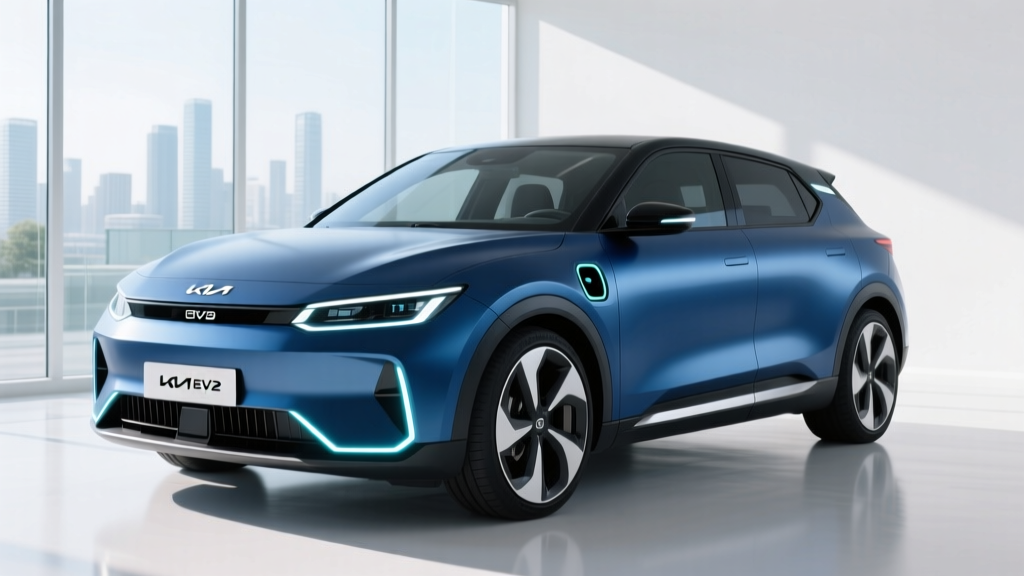
The Kia EV2 made its production debut in early 2026 as Kia's entry into the compact electric SUV segment, slotting below the EV6 and EV9 in the brand's electric lineup. Built on a dedicated EV platform, the EV2 targets urban commuters and small families with an estimated EPA range of 240–280 miles, a starting MSRP expected near $30,000–$33,000 (before incentives), and DC fast charging capability up to approximately 150 kW. As of this writing, the EV2 is announced and entering initial markets; U.S. availability and final EPA certification figures should be confirmed on Kia's official site before purchase decisions. If you need a vehicle today, the EV6 or Niro EV remain available alternatives.
What the Kia EV2 Production Debut Means for Buyers
Kia's electric strategy has been building toward a full lineup spanning multiple price points. The EV2 production debut fills a critical gap: an affordable, purpose-built electric crossover that doesn't force buyers into the mid-size pricing tier of the EV6 ($42,000+) or the three-row EV9 ($55,000+). For shoppers cross-shopping against the Chevrolet Equinox EV, Hyundai Kona Electric, Volvo EX30, and Nissan Leaf successor, the EV2 enters a segment where every thousand dollars matters.
The production-spec EV2 is expected to share platform DNA with Hyundai Motor Group's smaller EV architectures, meaning buyers can anticipate a lithium-ion NMC (nickel manganese cobalt) or potentially LFP (lithium iron phosphate) battery pack in the 58–65 kWh usable capacity range. Kia has not confirmed final chemistry for all trims at launch — a detail that affects both longevity expectations and charging behavior.
Estimated Specs: Range, Battery, and Charging
Until the EPA posts official numbers on fueleconomy.gov, the following estimates are based on Kia's preliminary disclosures and platform analysis. Treat these as directional, not final.
| Spec | Estimated Figure | Notes |
|---|---|---|
| Battery Capacity (usable) | 58–65 kWh | Chemistry TBD by trim; NMC likely for Long Range |
| EPA Range | 240–280 miles | Varies by trim, wheel size, drivetrain |
| Real-World Highway Range | ~200–235 miles | Expect 15–20% reduction at 75+ mph sustained |
| Cold-Weather Range (20°F) | ~170–210 miles | Heat pump availability affects this significantly |
| Peak DC Fast Charge Rate | ~150 kW | 10–80% estimated in ~28–32 minutes |
| Level 2 Charge Rate | ~10.9 kW (48A) | 0–100% in approximately 6–7 hours |
| Motor Output | ~160–201 hp | Single motor FWD expected; AWD possible on upper trims |
| 0–60 mph | ~7.5–8.5 seconds (est.) | Adequate for commuting; not a performance EV |
| Connector | NACS (native) or CCS1 | Hyundai Motor Group transitioning to NACS for 2025+ models |
Real-World Range Reality Check
The EPA sticker will show a single number, but your actual range depends heavily on conditions. Highway driving at 75 mph typically costs 15–20% versus the combined EPA figure. In sub-freezing temperatures, expect 20–30% range loss unless the EV2 includes a standard heat pump — a feature Kia has offered on the EV6 but sometimes restricts to higher trims. If your daily commute is under 60 miles round-trip, even worst-case winter range will cover it comfortably. If you regularly drive 200+ miles one-way, plan charging stops accordingly.
EV2 vs. Gas Compact SUV: Cost Comparison
The most common cross-shop isn't another EV — it's a gas-powered compact SUV like the Kia Seltos, Hyundai Tucson, or Toyota RAV4. Here's how the numbers stack up over five years of ownership, assuming 12,000 miles annually and national average energy costs.
| Cost Category | Kia EV2 (est.) | Gas Compact SUV (~28 MPG combined) |
|---|---|---|
| Purchase Price (base MSRP) | $31,000 | $27,500 |
| Federal Tax Credit (§30D) | Up to $7,500* | $0 |
| Effective Purchase Price | ~$23,500 | $27,500 |
| Fuel/Energy (5 yrs, 60k mi) | ~$3,600 (home charging)** | ~$7,500 ($3.50/gal avg) |
| Maintenance (5 yrs) | ~$1,200 | ~$3,000 |
| Insurance (5 yrs, avg) | ~$8,500 | ~$7,200 |
| Estimated 5-Year Total | ~$36,800 | ~$45,200 |
* §30D credit eligibility depends on MSRP caps ($55,000 for SUVs), buyer income limits ($150k single / $300k joint), and battery component/critical mineral sourcing requirements per IRS guidelines. The EV2's sub-$55k price should clear the MSRP cap; sourcing compliance must be verified at time of purchase. Point-of-sale transfer is available, effectively reducing your dealer price.
** Based on $0.15/kWh national average and 3.5 mi/kWh efficiency. Public DC fast charging exclusively would raise this to ~$5,500–$6,500 over 5 years.
EV vs. Hybrid: Which Powertrain Fits Your Life?
Not everyone is ready for a full battery-electric vehicle. The Kia Niro Hybrid and Niro Plug-in Hybrid remain compelling alternatives. Here's a decision framework to cut through the noise:
Decision Framework: EV2 vs. Hybrid vs. Gas
Choose the Kia EV2 (BEV) if:
- You have reliable home charging (Level 2, 240V) or confirmed workplace charging
- Your typical daily driving is under 150 miles round-trip
- You want the lowest per-mile energy cost and minimal maintenance
- You qualify for the §30D federal credit, narrowing the upfront price gap
- You're comfortable planning DC fast-charge stops on road trips over 250 miles
Choose a PHEV (e.g., Niro Plug-in Hybrid) if:
- You want 30–40 miles of electric-only commuting but need gas flexibility for longer trips
- Your home electrical panel can't support a Level 2 charger without a costly upgrade ($2,000–$4,000)
- You live in an apartment or street-park with no charging access
- You regularly tow or drive in extreme cold where range loss is a dealbreaker
Stick with gas (e.g., Seltos) if:
- Your budget is strictly under $25,000 and you don't qualify for EV incentives
- You drive in areas with minimal public charging infrastructure (rural routes, remote regions)
- You plan to keep the vehicle under 3 years, minimizing fuel savings advantage
Real-World Ownership: What First-Time EV Buyers Must Know
The EV2 production debut is exciting, but owning an EV involves practical considerations that spec sheets don't capture. Here's what experienced EV owners wish they'd known before buying:
Home Charging Is the Foundation
Over 80% of EV charging happens at home. A Level 2 home charger (240V, 32–48 amps) adds roughly 25–35 miles of range per hour of charging — enough to fully replenish the EV2 overnight. Installation costs typically run $800–$2,000 if your electrical panel has capacity, or $2,500–$5,000+ if you need a panel upgrade from 100A to 200A service. Get a quote from a licensed electrician before committing to the vehicle.
Public Charging: Progress, but Plan Ahead
If Kia equips the EV2 with a native NACS port, you'll have access to Tesla Supercharger stations (now opening to non-Tesla vehicles via adapter or native NACS). This dramatically improves road-trip viability compared to CCS-only vehicles relying on Electrify America or EVgo networks, which have historically shown lower uptime rates. Still, download charging apps (PlugShare, A Better Routeplanner) and plan stops before long trips.
Charging Speed Isn't Constant
When Kia says "150 kW peak," understand that this is the maximum rate at a low state of charge (typically 10–30% SoC) under ideal battery temperature conditions. As the battery fills past 60–70%, the charge rate tapers significantly — often dropping to 40–60 kW above 80%. This is normal lithium-ion behavior, not a defect. The 10–80% time (~28–32 minutes) is the metric that matters for road trips, not the peak kW number.
Cold Weather Is Real
Lithium-ion batteries lose efficiency in cold temperatures. Expect 20–30% range reduction at 20°F compared to the EPA combined figure. A heat pump (if standard or available on the EV2) recovers some of this loss by efficiently heating the cabin without resistive elements. Preconditioning the battery while plugged in — warming it before you drive — preserves range and improves regenerative braking performance.
Common Misconceptions About Compact EVs
| Myth | Fact |
|---|---|
| "Sub-$35k EVs have terrible range." | The EV2 targets 240–280 miles EPA — sufficient for 90%+ of American daily driving patterns (avg. commute is ~35 miles round-trip per Census data). |
| "Battery replacement will bankrupt me." | Kia's EV battery warranty is expected at 10 years/100,000 miles (consistent with EV6/EV9). Most modern NMC/LFP packs retain 85–90%+ capacity at 100k miles based on fleet data. Full replacements are rare and declining in cost. |
| "I can't take road trips in an EV." | With NACS Supercharger access and 150 kW DC capability, the EV2 can add ~150 miles in 20 minutes. A 500-mile trip requires 1–2 stops — comparable to gas-car rest breaks. |
| "EVs are worse in winter." | Range drops, yes, but EVs start instantly in cold (no cranking), offer instant cabin heat with a heat pump, and have fewer cold-weather mechanical failures than gas cars (no frozen fuel lines, no thick oil). |
| "The tax credit is guaranteed." | §30D eligibility depends on battery sourcing, your income, and MSRP caps. Rules change. Always verify current-year eligibility on irs.gov before counting on the credit. |
Pricing, Trims, and Tax Credit Outlook
Based on Kia's positioning and competitive segment analysis, expect the EV2 lineup to break down approximately as follows (final trims and pricing TBD at U.S. launch):
- EV2 Light (base): ~$30,000–$31,500 — Standard range (~240 mi), FWD, essential tech
- EV2 Wind / EX: ~$33,000–$35,000 — Long range (~280 mi), added ADAS, heat pump, larger wheels
- EV2 GT-Line (top): ~$37,000–$39,000 — Sport appearance, possible AWD, premium interior, full ADAS suite
All trims should fall under the §30D MSRP cap of $55,000 for SUVs. The key variable is battery component and critical mineral sourcing compliance. Hyundai Motor Group has been actively reshoring battery supply chains, but each model year's compliance status must be verified at point of sale. Dealers participating in the point-of-sale transfer program can apply the credit directly to your purchase price, reducing your out-of-pocket cost immediately rather than waiting for a tax refund.
What About Insurance?
EVs typically cost 15–25% more to insure than comparable gas vehicles, driven by higher repair costs for battery and structural components and specialized labor requirements. Budget $150–$200/month depending on your profile. Get quotes from your current insurer and at least two competitors before purchase — EV insurance pricing varies wildly between carriers.
Frequently Asked Questions
Is the Kia EV2 available to buy right now?
The EV2 has had its production debut and is entering initial markets in 2026. U.S. availability timing depends on EPA certification and Kia's distribution schedule. Check Kia.com for the latest dealer allocation information. If you need a vehicle immediately, the Kia Niro EV (239 mi EPA, ~$40k MSRP) is currently on sale.
Will the EV2 qualify for the $7,500 federal tax credit?
The EV2's expected MSRP clears the $55,000 SUV cap. Your personal eligibility depends on adjusted gross income (≤$150k single / ≤$300k joint filers) and the vehicle's battery sourcing compliance at time of purchase. The credit is not guaranteed for every buyer or every model year. Confirm eligibility via the IRS clean vehicle credit page and your tax professional before relying on it in your budget.
Can I charge the EV2 at Tesla Superchargers?
If Kia equips the U.S.-spec EV2 with a native NACS charge port (as Hyundai Motor Group has committed to for 2025+ models), yes — you'll plug directly into Supercharger stalls. If it ships with CCS1, you'll need a Kia-approved NACS adapter. Confirm the connector type for your specific model year and trim before purchase.
How long will the EV2's battery last?
Modern NMC lithium-ion packs in thermally managed EVs (which the EV2 is expected to have) typically retain 85–92% of original capacity after 100,000 miles based on fleet data from similar platforms. Kia's battery warranty is expected at 10 years/100,000 miles with a capacity retention threshold around 70%. Full battery replacement is uncommon and costs are declining — current estimates for packs in this class range from $8,000–$14,000 if needed out of warranty.
What if I don't have home charging?
Public-only EV ownership is viable but more expensive and less convenient. DC fast charging costs roughly $0.35–$0.50/kWh at public stations versus $0.12–$0.18/kWh at home, nearly tripling your per-mile energy cost. You'll also spend 30+ minutes per session, 2–3 times per week. If home charging is impossible, consider whether a PHEV (plug-in hybrid) better fits your situation — you get 30–40 electric miles for commuting with gas backup, and Level 1 (120V) charging is sufficient overnight.
How does the EV2 compare to the Chevy Equinox EV or Volvo EX30?
The Equinox EV offers slightly more range (~300+ mi EPA on higher trims) but at a higher starting price (~$33,000–$43,000). The Volvo EX30 is more premium in materials but offers less range (~275 mi) and cargo space at a similar price point. The EV2's competitive advantage, if pricing holds, will be Kia's strong warranty coverage (10yr/100k powertrain), expected NACS charging access, and a value-oriented feature set. Wait for independent reviews with real-world range and charging tests before comparing final value.