Which Kia Electric Vehicle Is Right for You?
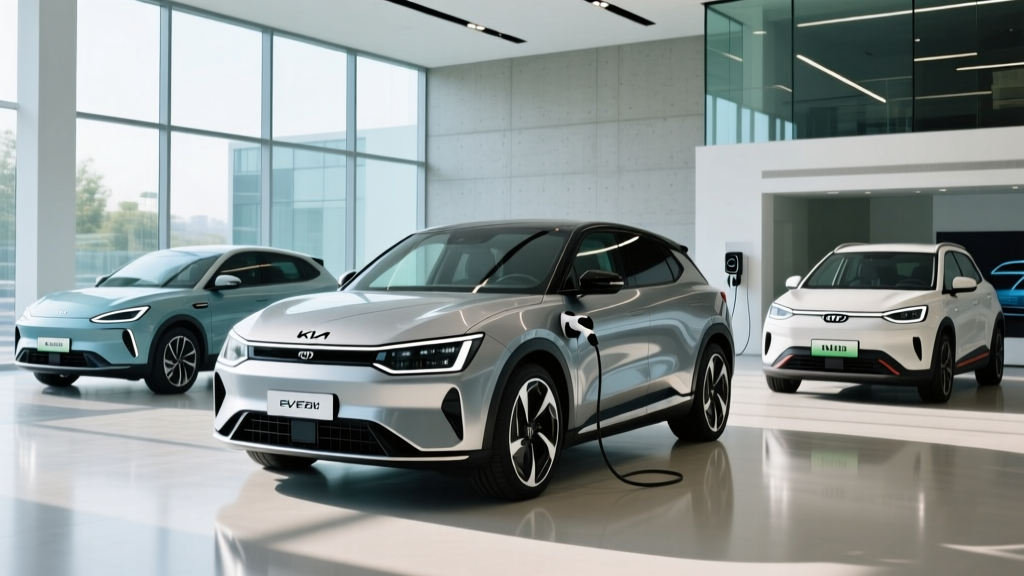
Kia's 2026 electric vehicles lineup covers three distinct needs: the EV6 (310-mile EPA range, 239 kW DC fast charging, ~$42,600 MSRP) for daily commuters wanting rapid charging; the EV9 (300-mile EPA range, 3-row SUV, ~$54,900 MSRP) for families needing space; and the Niro EV (239-mile EPA range, ~$39,600 MSRP) for budget-conscious urban drivers. All three qualify for varying levels of the federal §30D tax credit depending on your income, battery sourcing, and point-of-sale transfer elections. Real-world range drops 15–25% in cold weather or sustained highway driving, so plan accordingly.
Kia's 2026 EV Lineup at a Glance
Kia has committed more aggressively to electrification than most legacy automakers, and by the 2026 model year the brand offers three fully electric models in the US market. Each sits on a different platform and targets a different buyer. Here's how they stack up on the numbers that matter:
| Spec | 2026 Kia Niro EV | 2026 Kia EV6 | 2026 Kia EV9 |
|---|---|---|---|
| EPA Range | 239 mi | 310 mi (LR RWD) | 300 mi (LR RWD) |
| Battery (usable) | 64.8 kWh (NMC) | 77.4 kWh (NMC) | 100.0 kWh (NMC) |
| Max DC Fast Charge | ~85 kW | 239 kW | 210 kW |
| 10–80% DCFC Time | ~43 min | ~18 min | ~24 min |
| Level 2 Charge Rate | 11 kW | 10.9 kW | 11 kW |
| 0–60 mph | 7.8 sec | 5.1 sec (LR AWD) | 5.0 sec (LR AWD) |
| Horsepower | 201 hp | 320 hp (LR AWD) | 379 hp (LR AWD) |
| Starting MSRP | $39,600 | $42,600 | $54,900 |
| Battery Warranty | 10 yr / 100,000 mi | 10 yr / 100,000 mi | 10 yr / 100,000 mi |
| MPGe (combined) | 113 MPGe | 117 MPGe | 89 MPGe |
Sources: fueleconomy.gov, Kia Motors America press materials.
Real-World Range vs. the EPA Sticker
EPA vs. Reality: The EPA test cycle includes low-speed city driving and moderate temperatures. In real-world highway use at 70–75 mph, expect the EV6 Long Range to deliver roughly 255–275 miles before needing a charge. In freezing temperatures (below 32°F), range can drop to 200–230 miles for the EV6, and proportionally for the EV9 and Niro EV. The EV9's boxy aerodynamics make it particularly sensitive to highway speeds — plan for 240–260 miles in mixed driving, and closer to 210 on a cold winter road trip.
Kia's 800-volt architecture in the EV6 and EV9 is the real differentiator here. Even if real-world range falls short of the sticker, the ability to add 150+ miles in a 15-minute DC fast-charging stop largely compensates on road trips. The Niro EV, running a conventional 400V system, cannot match this — its 85 kW peak charge rate means you'll spend 40+ minutes at a fast charger on longer trips.
For context, the Hyundai Ioniq 5 (which shares the E-GMP platform with the EV6) delivers similar real-world efficiency. The Toyota bZ4X, by contrast, has drawn criticism for real-world range falling significantly below its EPA estimate, making Kia's transparency here a relative strength.
Charging: Home Setup and Public Network Reality
| Charging Level | Power (kW) | Connector | Miles Added/Hour | Best For |
|---|---|---|---|---|
| Level 1 (120V) | ~1.4 kW | J1772 / NACS | ~4–5 mi/hr | Overnight top-ups, PHEVs |
| Level 2 (240V) | 7.7–11 kW | J1772 / NACS | ~25–40 mi/hr | Daily home charging |
| DC Fast Charge | 85–239 kW | CCS1 / NACS | ~150–600 mi/hr | Road trips, quick top-ups |
Home charging is where Kia EV ownership succeeds or fails. If you have access to a garage or driveway where a Level 2 charger can be installed, any of these three vehicles will recharge fully overnight. A typical 48-amp Level 2 home charger installation runs $800–$2,500 total (equipment + licensed electrician + permit), depending on whether your electrical panel needs an upgrade to 200 amps. Homes with older 100-amp panels may face $2,000–$4,000 in panel-upgrade costs — a factor many first-time EV buyers overlook.
For public fast charging, Kia has partnered with Electrify America, and EV6/EV9 owners typically receive a complimentary charging credit (check current promotions at purchase). The EV6's 800V system can utilize 350 kW Electrify America stalls near their peak, while the Niro EV will bottleneck at its 85 kW ceiling regardless of the charger's capability.
For the 2026 model year, Kia's newer models ship with or can be adapted to the NACS (North American Charging Standard) connector, granting access to Tesla's Supercharger network via adapter. This significantly expands the usable fast-charging map, especially in rural corridors where CCS-only stations may be sparse or unreliable.
Cost of Ownership: Kia EV vs. Gas Equivalent
Let's compare the Kia EV6 Long Range RWD (~$42,600 MSRP) against a comparably equipped Kia Sportage 2.5T AWD (~$36,000 MSRP) over 5 years and 60,000 miles:
| Cost Category | 2026 Kia EV6 LR RWD | 2026 Kia Sportage 2.5T |
|---|---|---|
| Purchase Price (MSRP) | $42,600 | $36,000 |
| Federal Tax Credit (§30D)* | –$3,750 to $7,500 | $0 |
| Effective Purchase Price | $35,100–$38,850 | $36,000 |
| Fuel/Energy (60k mi) | $2,800–$3,600** | $7,200–$8,400*** |
| Maintenance (60k mi) | $600–$900 | $2,400–$3,200 |
| Insurance (5-yr avg) | $8,500–$10,500 | $6,800–$8,200 |
| Estimated Depreciation | $18,000–$22,000 | $14,000–$17,000 |
| 5-Year Total Cost | $62,000–$71,000 | $66,400–$72,800 |
* §30D credit eligibility depends on MSRP caps ($55,000 sedans / $80,000 SUVs), buyer AGI limits ($150k single / $300k joint), and battery critical-mineral sourcing. Verify at irs.gov and consult a tax professional. Point-of-sale transfer is available.
** Assumes $0.13–$0.17/kWh home charging; public DCFC costs more.
*** Assumes 26 MPG combined, $3.20–$3.60/gal.
The EV6 can break even or come out ahead over 5 years, but the margin is thin and heavily dependent on your tax-credit eligibility, local electricity rates, and how much public fast-charging (at $0.35–$0.55/kWh) you rely on. If you cannot charge at home, the cost advantage narrows dramatically — public DC fast charging can approach or exceed the per-mile cost of gasoline in some markets.
Federal Tax Credit: What Kia EVs Qualify For in 2026
The §30D New Clean Vehicle Credit offers up to $7,500, but eligibility is a checklist, not a guarantee:
- MSRP Cap: $55,000 for sedans/wagons (EV6 qualifies); $80,000 for SUVs/trucks/vans (EV9 and Niro EV qualify)
- Buyer AGI Limit: $150,000 single / $225,000 head of household / $300,000 married filing jointly
- Battery Sourcing: Up to $3,750 requires critical minerals from US/FTA partners; up to $3,750 requires battery components manufactured in North America. Many Kia models built in West Point, Georgia qualify for partial or full credit, but sourcing rules tighten annually.
- Point-of-Sale Transfer: You can transfer the credit to the dealer at purchase, reducing your out-of-pocket cost immediately rather than waiting for tax filing.
- One Credit Per VIN: The vehicle must be new, purchased for personal use, and primarily used in the US.
As of the 2026 model year, Kia's Georgia-built EV9 qualifies for a portion of the credit, while the EV6 (also assembled in Georgia for many trims) may qualify for the full $7,500 depending on the specific battery pack's mineral sourcing. The Niro EV, imported from South Korea, faces stricter sourcing hurdles and may qualify for a reduced credit or none at all. Always verify the specific VIN's eligibility at fueleconomy.gov before signing paperwork.
Common Misconceptions About Kia EVs
| Myth | Fact |
|---|---|
| "The battery will need replacing in 5 years." | Kia warranties the battery for 10 years/100,000 miles with a 70% capacity retention threshold. Real-world NMC degradation data from E-GMP vehicles shows ~5–8% loss over 100,000 miles with normal use. |
| "Kias can't use Tesla Superchargers." | 2026 Kia EVs with NACS ports (or using the Kia-approved NACS adapter on CCS1 models) can access the Supercharger network, adding 17,000+ charging locations. |
| "EVs are worse in winter." | Range drops 15–25% in freezing temps, yes. But the EV6 and EV9 offer heat pumps (standard on most trims), which mitigate cabin-heating energy draw. Preconditioning while plugged in preserves range. |
| "I'll save thousands every year on fuel." | Savings depend on your electricity rate, driving volume, and gas price. At $0.14/kWh and 15,000 mi/year, expect $600–$900/year in energy vs. $1,800–$2,100 for gas — a real but modest $900–$1,200 annual savings. |
| "EV insurance is prohibitively expensive." | Kia EV insurance runs 15–25% higher than gas equivalents due to repair costs and battery replacement risk. Shop multiple carriers — some now offer EV-specific discounts. |
Decision Framework: Which Kia EV Should You Buy?
Choose the Kia Niro EV if: Your daily commute is under 60 miles round-trip, you primarily drive in the city, budget is your top priority, and you have reliable home Level 2 charging. The Niro EV is a practical, no-frills commuter that won't road-trip efficiently but excels as a daily driver at the lowest entry price in Kia's EV lineup.
Choose the Kia EV6 if: You want the best combination of range, charging speed, and driving dynamics. The 800V architecture and 239 kW peak charging make it one of the fastest-charging EVs on the market. Ideal for buyers who take 4–6 road trips per year and don't want to spend 45 minutes at every charging stop. The GT-Line trim adds AWD and a 5.1-second 0–60 that makes it genuinely quick.
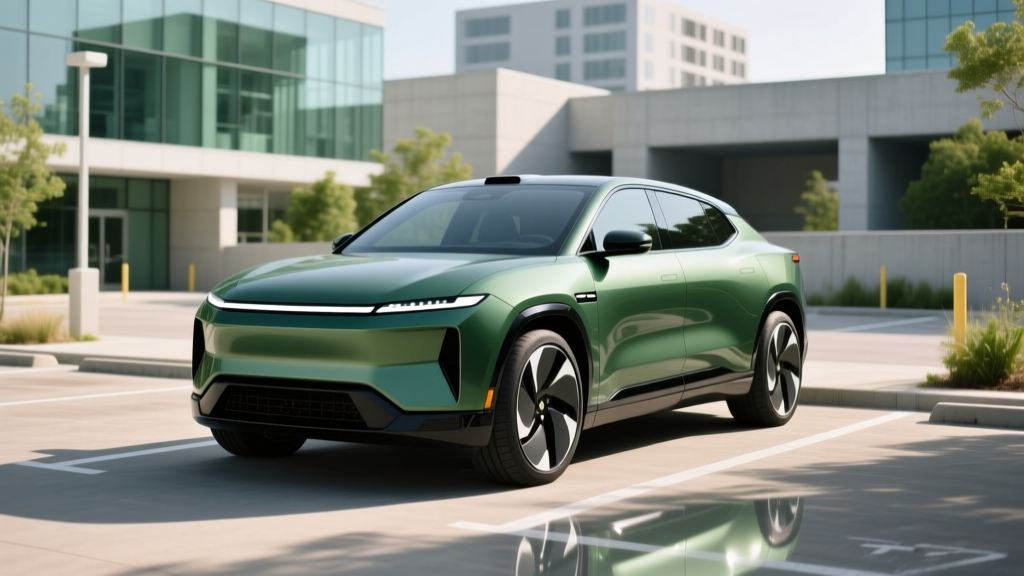
Choose the Kia EV9 if: You need three rows of seating and can't compromise on passenger or cargo space. It's the only mainstream 3-row electric SUV under $60,000. Highway efficiency suffers (89 MPGe vs. the EV6's 117 MPGe), and cold-weather range loss is more pronounced due to the larger frontal area. But for families who need the space and can charge at home, nothing else in the segment matches its value proposition.
Consider a Kia PHEV (Sorento PHEV or Sportage PHEV) instead if: You lack home charging access, regularly drive in areas with sparse public charging infrastructure, or frequently take 400+ mile trips in cold weather. A plug-in hybrid gives you 30–33 miles of electric-only range for daily errands with a gas engine fallback — eliminating range anxiety entirely at the cost of higher fuel and maintenance expenses.
What First-Time Kia EV Buyers Must Know
1. Confirm your home electrical capacity before purchasing. A 200-amp panel is typically required for a 48-amp Level 2 charger. Get an electrician's assessment (usually $150–$300 for a consultation) before you sign a purchase agreement.
2. Understand the charge curve. The EV6's "18-minute 10–80%" claim is a peak figure. Charging from 80–100% takes significantly longer as the battery management system tapers power to protect cell health. Plan road-trip stops around the 10–80% window — don't wait for a full charge.
3. Preconditioning matters. Use the Kia Access app to precondition the battery while still plugged in at home. This warms the cells to optimal temperature, restoring range in cold weather and enabling faster DC charging when you arrive at a public station.
4. Check your specific VIN's tax-credit eligibility. Don't rely on a dealer's verbal assurance. Cross-reference the VIN at fueleconomy.gov and confirm battery-sourcing compliance. The point-of-sale transfer option means the credit reduces your purchase price directly, but only if the vehicle qualifies.
5. Factor in insurance costs early. Get quotes from at least three carriers before purchase. EV-specific insurers like Tesla Insurance (where available) or carriers with EV programs may offer better rates than your existing provider.
Frequently Asked Questions
How long does it take to charge a Kia EV6 at home?
From 10% to 100% on a 48-amp Level 2 home charger (11 kW), the EV6's 77.4 kWh battery takes approximately 7.5–8 hours. Most owners plug in overnight and wake to a full charge. On a standard 120V outlet (Level 1), expect roughly 3–4 miles of range per hour of charging — adequate only for PHEVs or very low-mileage drivers.
Is the Kia EV9 actually practical for families?
Yes, with caveats. The EV9 offers 20.2 cu ft of cargo space behind the third row, expanding to 81.7 cu ft with both rear rows folded. The third row fits adults on short trips. Towing capacity reaches 5,000 lbs (AWD), sufficient for a small camper or boat. The trade-off is efficiency: at 89 MPGe combined, it's the least efficient Kia EV, and highway range drops noticeably at speeds above 70 mph.
Will Kia EV batteries degrade quickly?
NMC chemistry in the E-GMP platform has shown strong longevity in early data. Expect 5–8% capacity loss over the first 100,000 miles with normal charging habits. Kia's 10-year/100,000-mile battery warranty covers replacement if capacity drops below 70%. To maximize longevity: avoid frequent 100% charges (80% is ideal for daily use), minimize repeated DC fast-charging sessions, and use preconditioning in extreme temperatures.
Can I tow with a Kia EV6 or EV9?
The EV6 is rated for 2,700 lbs of towing (sufficient for a light utility trailer). The EV9 AWD is rated for 5,000 lbs. Note that towing reduces range by 30–50% depending on trailer weight and aerodynamics. If you tow frequently, plan charging stops more aggressively and expect real-world range to drop to 150–200 miles in the EV9 when towing near capacity.
Do Kia EVs qualify for state incentives too?
Many states offer additional rebates, HOV lane access, or reduced registration fees for EVs. California's CVRP, Colorado's Innovative Motor Vehicle Credit, and New York's Drive Clean Rebate are examples. These vary significantly by jurisdiction and income. Check your state's energy office or environmental agency website for current programs — incentive amounts and eligibility rules change frequently.