Kia Electric Cars at a Glance: Which One Fits You?
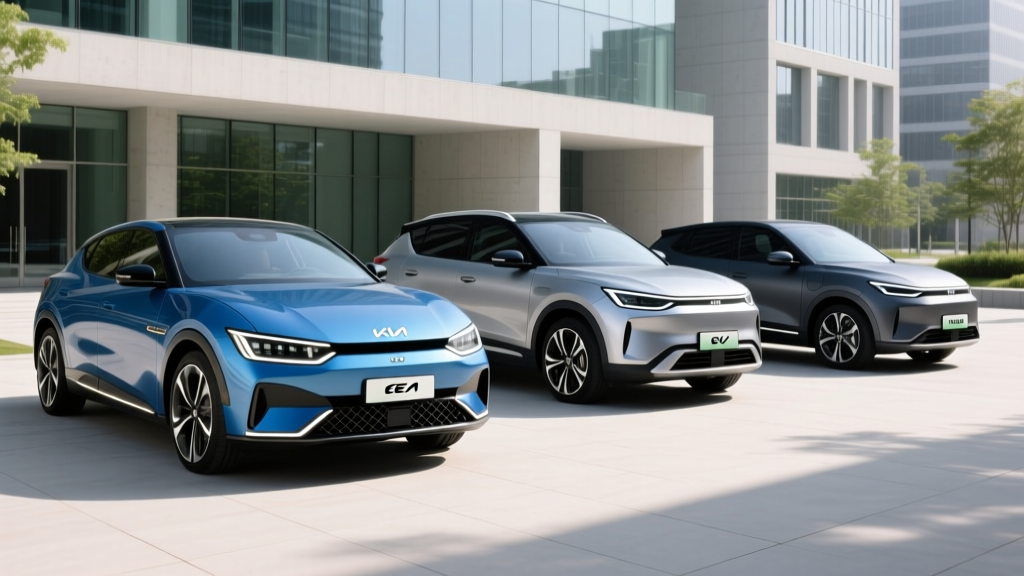
If you're searching for a Kia car electric option in 2026, Kia offers three battery-electric models in the U.S.: the EV6 (sporty crossover, up to 310 mi EPA range), the EV9 (three-row SUV, up to 304 mi), and the Niro EV (compact crossover, 239 mi). The EV6 is the best all-rounder for most buyers. The EV9 is the only three-row electric SUV Kia sells and suits families needing six or seven seats. The Niro EV is the budget entry point but trails on range and DC fast-charging speed. All three use Kia's E-GMP platform (EV6/EV9) or a dedicated BEV architecture (Niro), support Level 2 home charging, and offer competitive battery warranties of 10 years/100,000 miles.
2026 Kia EV6: Range, Charging, and Pricing Breakdown
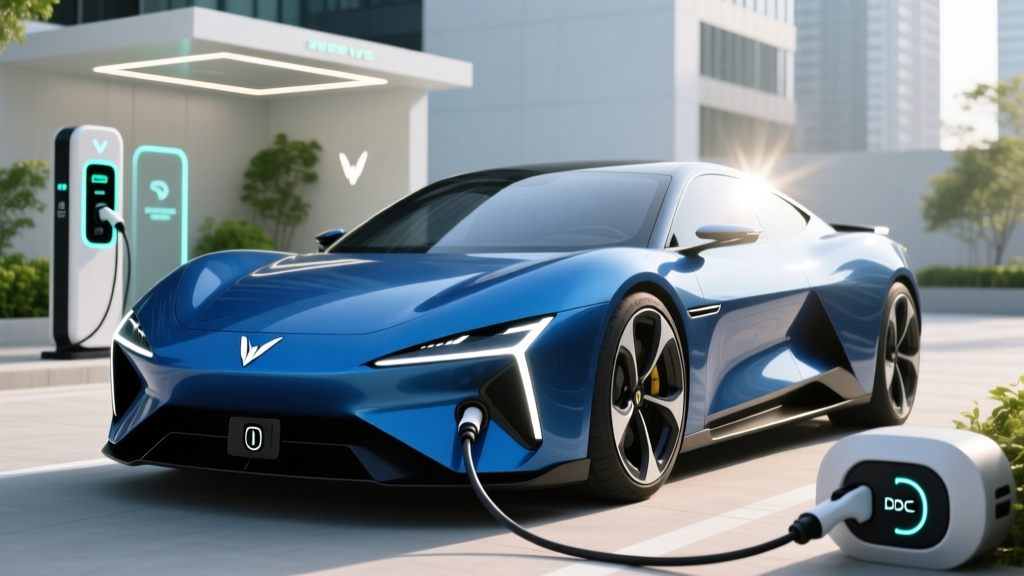
The refreshed EV6 remains Kia's volume electric seller. Built on the Hyundai Motor Group E-GMP platform with an 800V electrical architecture, it supports some of the fastest DC charging in its class.
| Spec | Light Range (RWD) | Wind/Weather (AWD) | GT |
|---|---|---|---|
| EPA Range | 310 mi | 282 mi | 263 mi |
| Battery (usable) | 77.4 kWh (NMC) | 77.4 kWh (NMC) | 77.4 kWh (NMC) |
| Horsepower | 225 hp | 320 hp | 576 hp |
| 0–60 mph | 7.2 sec | 5.1 sec | 3.4 sec |
| Peak DC Charge Rate | ~240 kW | ~240 kW | ~240 kW |
| 10–80% DC Fast Charge | ~18 min | ~18 min | ~18 min |
| Level 2 Charge Rate | 10.9 kW | 10.9 kW | 10.9 kW |
| MPGe (combined) | 134 MPGe | 117 MPGe | 85 MPGe |
| Starting MSRP | ~$42,900 | ~$47,500 | ~$61,600 |
Real-world range reality: The EPA 310-mile figure for the Light RWD assumes a mix of city and moderate-speed driving. Expect ~250–270 miles on sustained highway trips at 70+ mph, and ~210–230 miles in freezing temperatures where battery heating and cabin demands draw heavily on the pack. The AWD Wind trim's 282-mile EPA rating translates to roughly 230–245 highway miles in fair weather.
The EV6's 800V architecture is its charging trump card. On a 350 kW CCS charger (via the included NACS-to-CCS adapter or native NACS port on 2025+ models), the EV6 peaks near 240 kW and sustains high rates through ~65% state of charge before tapering. This means a realistic 10–80% session takes about 18 minutes — but 80–100% can add another 25+ minutes due to the charge curve. Plan road-trip stops around the 10–80% window.
2026 Kia EV9: The Three-Row Electric SUV
The EV9 fills a gap few competitors address: an affordable three-row electric SUV. It shares E-GMP underpinnings with the EV6 but stretches them into a 196.9-inch vehicle with usable third-row space.
| Spec | Light (RWD) | Wind/Land (AWD) | GT-Line (AWD) |
|---|---|---|---|
| EPA Range | 304 mi | 270–280 mi | 270 mi |
| Battery (usable) | 99.8 kWh (NMC) | 99.8 kWh (NMC) | 99.8 kWh (NMC) |
| Horsepower | 215 hp | 379 hp | 379 hp |
| 0–60 mph | 7.8 sec | 5.0 sec | 5.0 sec |
| Peak DC Charge Rate | ~240 kW | ~240 kW | ~240 kW |
| 10–80% DC Fast Charge | ~20 min | ~20 min | ~20 min |
| Level 2 Rate | 10.9 kW | 10.9 kW | 10.9 kW |
| Cargo (behind 3rd/2nd/1st) | 20/43/81 cu ft | 20/43/81 cu ft | 20/43/81 cu ft |
| Starting MSRP | ~$54,900 | ~$60,500 | ~$68,900 |
With the larger 99.8 kWh battery, the EV9 RWD achieves an impressive 304-mile EPA rating. However, this is a heavy vehicle (over 5,500 lbs curb weight), so highway efficiency drops noticeably — expect around 240–260 real-world highway miles in the RWD and 215–235 miles in AWD trims. Cold weather can shave another 15–20% off those figures.
The EV9 qualifies for the §30D federal tax credit on eligible trims, subject to MSRP caps (SUVs capped at $80,000), buyer income limits ($150K single / $300K joint), and battery critical-mineral sourcing requirements. Always verify current-year eligibility on IRS.gov before purchasing, as sourcing rules tighten annually.
2026 Kia Niro EV: The Budget Entry Point
The Niro EV is Kia's most affordable electric offering, targeting urban commuters and those who don't need 300+ miles of range. It rides on a different, lower-voltage platform than the E-GMP vehicles.
| EPA Range | 239 mi |
| Battery (usable) | 64.8 kWh (NMC) |
| Horsepower | 201 hp |
| 0–60 mph | 7.8 sec |
| Peak DC Charge Rate | ~85 kW |
| 10–80% DC Fast Charge | ~43 min |
| Level 2 Rate | 7.2 kW |
| MPGe (combined) | 113 MPGe |
| Starting MSRP | ~$39,600 |
The Niro EV's critical limitation is its 400V architecture, which caps DC fast charging at ~85 kW. On a road trip, that 10–80% session stretches to 43 minutes — more than double the EV6's time. If you rarely road-trip and primarily charge at home, this trade-off may be acceptable given the ~$3,000–$8,000 price advantage over the EV6.
Real-world range: The 239-mile EPA rating translates to roughly 195–210 highway miles and 160–175 miles in freezing weather. This is a commuter car — excellent for daily loops under 100 miles, but plan charging stops carefully on longer drives.
Kia Electric vs. Gas: 5-Year Cost of Ownership
Let's compare the Kia EV6 Wind AWD against a similarly equipped gas crossover (25 MPG combined) over five years and 75,000 miles. Electricity cost assumes $0.14/kWh national average; gas assumes $3.50/gallon.
| Category | Kia EV6 Wind AWD | Gas Crossover (25 MPG) |
|---|---|---|
| Purchase Price (MSRP) | $47,500 | $38,000 |
| Federal Tax Credit (§30D) | –$3,750 to –$7,500* | $0 |
| Energy/Fuel Cost | $2,940 (home charging) | $10,500 |
| Maintenance (5 yrs) | ~$1,200 | ~$3,800 |
| Insurance (est. avg) | ~$9,500 | ~$7,800 |
| Estimated Depreciation | ~$18,000 | ~$15,000 |
| Total 5-Year Cost | ~$51,890–$55,640 | ~$75,100 |
*Tax credit amount varies by battery sourcing compliance and your income. Verify at IRS.gov and consult a tax professional. Point-of-sale transfer is available for eligible buyers.
The EV6's energy savings are substantial: at $0.14/kWh and an efficiency of roughly 3.0 miles/kWh (AWD), you spend about $0.047 per mile on electricity versus $0.14 per mile on gasoline. Over 75,000 miles, that's a $7,560 fuel-cost advantage. Maintenance savings (no oil changes, fewer brake replacements due to regenerative braking) add another ~$2,600.
However, insurance premiums for the EV6 run 15–25% higher than comparable gas vehicles, and upfront cost is higher even after the tax credit. The break-even point versus a gas car typically arrives around year 3–4 if you charge primarily at home.
Kia EV vs. Kia Hybrid: Which Powertrain Makes Sense?
Kia also sells the Niro Hybrid (HEV) and Sportage Hybrid. Here's how the economics stack up for buyers cross-shopping electrified options.
| Model | Powertrain | EPA Efficiency | Annual Energy Cost |
|---|---|---|---|
| EV6 Light RWD | BEV | 134 MPGe | ~$560 |
| Niro EV | BEV | 113 MPGe | ~$665 |
| Niro Hybrid | HEV | 53 MPG combined | ~$792 |
| Sportage Hybrid | HEV | 43 MPG combined | ~$977 |
The BEV advantage is clear: the EV6 costs roughly $230–$420 less per year in energy than Kia's hybrids. Over 10 years, that's $2,300–$4,200 in savings — but only if you have reliable home charging. If you live in an apartment without charging access or frequently drive in rural charging deserts, the Niro Hybrid's 53 MPG and 5-minute refueling may be more practical despite the higher energy cost.
Real-World Ownership: What First-Time Kia EV Buyers Must Know
Home Charging Is Non-Negotiable for Most Owners
Over 80% of EV charging happens at home. Before buying any Kia EV, confirm you can install a Level 2 charger (240V, 40–48 amp circuit). Expect to pay $800–$2,500 for a quality Level 2 unit plus professional installation. If your electrical panel needs a service upgrade (common in older homes), add $1,500–$3,000. The EV6 and EV9 charge at 10.9 kW on Level 2, adding roughly 30–35 miles of range per hour — an overnight session fully replenishes the battery.
The Niro EV's 7.2 kW Level 2 rate is slower: about 20–23 miles of range per hour. A full charge from near-empty takes ~9 hours versus ~7.5 hours for the E-GMP vehicles.
Public Charging Network Realities
Kia EVs use the NACS (Tesla-style) connector on 2025+ models, granting access to Tesla Supercharger stations with an adapter included at purchase. Older 2022–2024 models use CCS1. On non-Tesla networks (Electrify America, EVgo), reliability varies — plan backup charging stops on road trips and always check station status in your EV's navigation or the PlugShare app before detouring.
Cold Weather and Range
All Kia EVs use NMC (nickel manganese cobalt) battery chemistry, which is energy-dense but loses 20–35% range in sub-freezing temperatures. The EV6 and EV9 include a battery preconditioning feature that warms the pack before fast charging — always enable this when navigating to a DC charger in cold weather, or your charge rate may drop from 240 kW peak to under 80 kW.
§30D Federal Tax Credit: Kia EV Eligibility Checklist
The federal clean vehicle credit under IRS §30D can reduce your tax liability by up to $7,500 — or be transferred to the dealer at point of sale for an instant price reduction. Here's what applies to Kia electric vehicles in 2026:
- MSRP Cap: SUVs (EV9) must be under $80,000; cars/crossovers (EV6, Niro EV) under $55,000. Some EV6 trims exceed $55K and are ineligible.
- Buyer Income Limits: AGI must not exceed $150,000 (single), $225,000 (head of household), or $300,000 (joint).
- Battery Sourcing: The $7,500 credit splits into two halves — $3,750 for critical-mineral sourcing and $3,750 for battery-component manufacturing. Kia's sourcing compliance changes annually; check the latest list at fueleconomy.gov.
- Final Assembly: All three Kia EVs are assembled in the U.S. (West Point, Georgia) for recent model years, satisfying this requirement.
- Point-of-Sale Transfer: Eligible buyers can transfer the credit to the dealer, reducing the purchase price at signing rather than waiting for a tax refund.
Consult a tax professional for your specific situation. Rules are subject to change.
Common Kia EV Misconceptions — Myth vs. Fact
| Myth | Fact |
|---|---|
| "The EV6 can't road-trip — charging takes too long." | 10–80% in ~18 minutes on a 350 kW charger. That's a quick rest stop. Plan around the 80% taper, not peak-to-full. |
| "Kia EV batteries degrade fast and cost $20K to replace." | Kia warrants the battery for 10 years/100,000 miles at 70% capacity retention. Real-world data from E-GMP vehicles shows ~5–8% degradation at 60,000 miles. Full replacement (rare) runs $12,000–$18,000 but is typically covered under warranty. |
| "The EV9 tows nothing." | The AWD EV9 is rated for up to 5,000 lbs towing with the factory tow package — sufficient for a small boat trailer or light camper. |
| "I need a Tesla to use Superchargers." | 2025+ Kia EVs come with a NACS charge port and can access Tesla Superchargers directly. 2022–2024 CCS-equipped models use a Kia-provided adapter. |
| "EVs are worse in winter." | Range drops 20–35% in cold, but EVs start instantly (no cold cranking), heat the cabin using a heat pump (EV6/EV9), and pre-condition while plugged in. Winter driving is practical with planning. |
Decision Framework: Which Kia Electric Car Should You Buy?
Choose the Kia EV6 if:
- You want the best balance of range (310 mi), charging speed (18 min 10–80%), and price
- You road-trip 3+ times per year and need fast DC charging
- You don't need a third row
- Budget: $42,900–$56,000 (before credits)
Choose the Kia EV9 if:
- You need three rows / six-to-seven seats
- You want maximum cargo space (81 cu ft behind front seats)
- You can accept slightly lower efficiency for the size
- Budget: $54,900–$73,000 (before credits)
Choose the Kia Niro EV if:
- Your daily commute is under 80 miles round-trip
- You rarely take road trips over 200 miles
- Budget is the top priority (~$39,600 starting)
- You can accept slower DC charging (~43 min 10–80%)
Consider a Kia Hybrid instead if:
- You lack home charging access and can't install Level 2
- You frequently drive in rural areas with sparse DC charging
- Your budget is under $35,000
Frequently Asked Questions
What is the real-world range of the Kia EV6 in winter?
In temperatures below 32°F, expect the EV6 Light RWD to deliver approximately 210–230 miles (vs. 310 EPA). Using seat heaters instead of cranking cabin heat and enabling battery preconditioning can recover 10–15 miles of that loss.
Does the Kia EV9 qualify for the full $7,500 federal tax credit?
Eligibility depends on the specific model year's battery sourcing compliance, your income, and the trim's MSRP (must be under $80,000 for SUVs). Some EV9 trims qualify for the full $7,500, others for $3,750, and some for $0 depending on critical-mineral sourcing percentages. Always check fueleconomy.gov for the latest VIN-eligible list before purchasing.
How much does it cost to charge a Kia EV6 at home per month?
At the national average of $0.14/kWh and driving 1,000 miles/month, the EV6 AWD (efficiency ~3.0 mi/kWh) uses about 333 kWh monthly, costing roughly $47/month. Compare that to ~$140/month for a 25 MPG gas car at $3.50/gallon.
Can I use Tesla Superchargers with a Kia electric car?
Yes. Model-year 2025 and newer Kia EVs feature the NACS charge port natively and can use Tesla Superchargers without an adapter. For 2022–2024 models with CCS1 ports, Kia provides a NACS adapter for Supercharger access.
What is the battery warranty on Kia electric vehicles?
All Kia EVs carry a 10-year/100,000-mile battery warranty covering defects and capacity loss below 70% of original capacity. This is among the longest in the industry and applies to the EV6, EV9, and Niro EV.
Is the Kia EV6 cheaper to own than a gas car over five years?
Yes for most buyers who charge at home. Our analysis shows a $19,000–$23,000 total-cost advantage over five years/75,000 miles versus a comparable gas crossover, driven primarily by fuel and maintenance savings. Higher insurance premiums and potentially faster depreciation partially offset this.