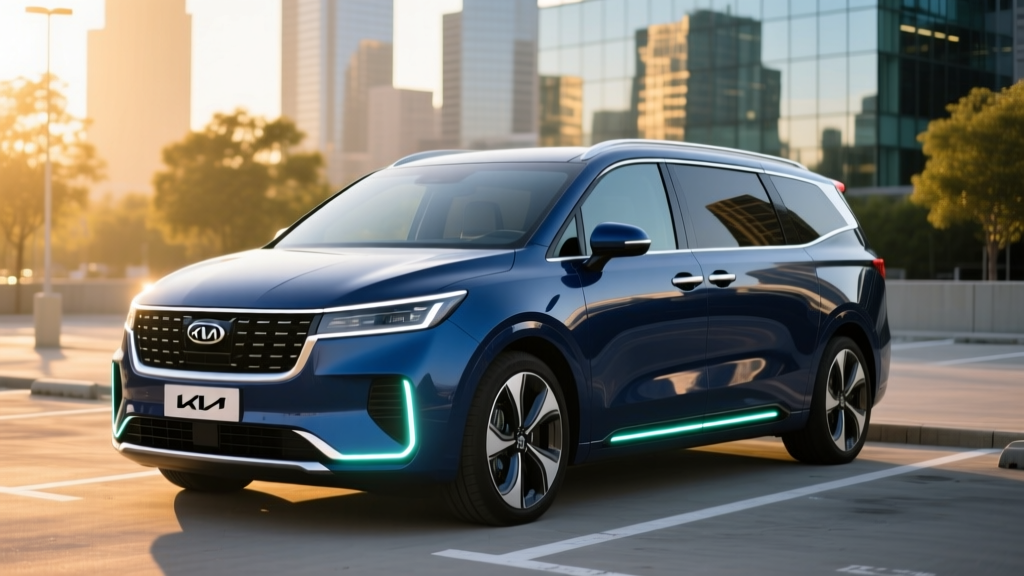
Quick Answer: As of early 2026, Kia has not released a fully electric Carnival minivan in the U.S. market. The current-generation Kia Carnival (2022–2026) is offered exclusively as a gasoline V6 and, starting with the 2025 refresh, a 1.6L turbo hybrid (HEV). While Kia has signaled an electric MPV concept for global markets (notably the PV5 platform shown in 2025), no EPA-rated, U.S.-spec Kia Carnival Electric is available to purchase today. Buyers searching for an electric minivan should consider the Chrysler Pacifica PHEV, the upcoming VW ID. Buzz (limited U.S. availability), or wait for Kia's electrified MPV plans to materialize — likely no earlier than the 2027 model year.
What Buyers Actually Want: An Electric Minivan
The search for a "Kia Carnival Electric" reflects a genuine gap in the market: families who love the Carnival's class-leading cargo space (145.1 cu ft behind the first row), available 8-seat configuration, and car-like ride want those same attributes in a battery-electric vehicle. The gas Carnival returns a combined 22 MPG (EPA), which translates to roughly $2,400–$2,800 per year in fuel at 15,000 miles driven and $3.50/gallon. An electric equivalent with a ~100 MPGe rating could slash that to $600–$900 annually in electricity, depending on local rates.
The problem? No automaker currently sells a fully electric minivan in the United States with mainstream pricing and availability. The Chrysler Pacifica Plug-In Hybrid offers 32 miles of electric-only range before the gas engine kicks in, and the Volkswagen ID. Buzz launched in Europe as an EV but arrived in the U.S. for the 2025 model year with limited trims and a starting MSRP above $60,000.
The Current Kia Carnival: Gas and Hybrid Specs (2025–2026)
Before speculating about an electric variant, here's what Kia actually sells today. The 2025 refresh brought a turbo-hybrid powertrain alongside the carryover 3.5L V6:
| Spec | 2026 Carnival (3.5L V6) | 2026 Carnival Hybrid (1.6T HEV) | Hypothetical Carnival EV |
|---|---|---|---|
| Powertrain | 3.5L V6, 290 hp | 1.6L Turbo + electric motor, 245 hp combined | Single/dual motor BEV (est. 270–350 hp) |
| EPA Combined | 22 MPG | ~33 MPG (est.) | ~100 MPGe (est.) |
| Annual Fuel/Energy Cost | ~$2,600 | ~$1,750 | ~$750 (at $0.14/kWh) |
| Drivetrain | FWD, 8-speed auto | FWD, 6-speed auto | RWD or AWD, single-speed |
| Cargo (behind 1st row) | 145.1 cu ft | 145.1 cu ft | ~130–140 cu ft (est., battery packaging) |
| Base MSRP | ~$34,600 | ~$41,000 | ~$52,000–$58,000 (est.) |
The hybrid variant is the closest thing to an electrified Carnival available now. It doesn't plug in — this is a conventional HEV like the Toyota Sienna, not a PHEV — but the fuel savings are meaningful: roughly $850/year less than the V6 at current gas prices.
Kia's Electric MPV Roadmap: What We Know for 2026–2028
Kia has been transparent about its electrification roadmap. The brand's "Plan S" strategy targets 14 BEVs globally by 2027. The most relevant development for minivan shoppers is the Kia PV5, a purpose-built electric platform unveiled as a concept in 2025 and expected to enter production for select markets in 2026–2027.
Key details about the PV5 and potential U.S. electric MPV:
- Platform: Hyundai Motor Group's integrated modular architecture, likely supporting 84–100 kWh NMC battery packs
- Estimated range: 250–310 miles EPA (based on platform siblings like the Ioniq 5 and EV9)
- Charging: 800V architecture expected, enabling peak DC fast charging around 240–350 kW (10–80% in approximately 18 minutes, per Kia's E-GMP benchmarks)
- U.S. availability: Not confirmed for 2026. Industry analysts expect a U.S.-market electric MPV no earlier than the 2028 model year, possibly wearing a different nameplate than "Carnival"
Kia's official U.S. site lists no electric Carnival in its current or announced lineup. Any dealer or blog claiming otherwise is premature.
Real Costs: Gas Carnival vs. Hybrid vs. a Future EV
Let's ground the ownership math with concrete numbers over a 5-year, 75,000-mile horizon. For the hypothetical EV, I'm using estimates based on the Kia EV9 (the closest current analog in size and platform):
| Cost Category (5 yr / 75k mi) | Carnival V6 Gas | Carnival Hybrid | Est. Carnival EV |
|---|---|---|---|
| Purchase Price (base MSRP) | $34,600 | $41,000 | $55,000 (est.) |
| Federal Tax Credit (§30D) | $0 | $0 | $0–$7,500* |
| Fuel / Electricity | $13,000 | $8,750 | $3,750 |
| Maintenance (est.) | $3,200 | $2,800 | $1,500 |
| Insurance (est.) | $8,500 | $8,800 | $10,200 |
| Total Estimated 5-Year Cost | $59,300 | $61,350 | $63,000–$70,450 |
*Federal §30D credit eligibility depends on MSRP caps (vans capped at $80,000), buyer income limits ($150K single / $300K joint), and battery critical-mineral sourcing requirements. Check IRS.gov §30D guidelines for current-year rules. Many Kia EVs have faced partial credit eligibility due to battery sourcing — this is a moving target.
The takeaway: an electric Carnival would likely carry a $15,000–$20,000 upfront premium over the gas model, and even with fuel and maintenance savings, the 5-year total cost may not break even without a full tax credit. The hybrid, meanwhile, offers the best near-term balance — lower fuel costs, no range anxiety, and a modest price premium over the V6.
Common Misconceptions About a Kia Carnival Electric
| Myth | Fact |
|---|---|
| "The 2026 Kia Carnival comes in a full-electric version." | It does not. Only gas V6 and hybrid HEV are available in the U.S. |
| "An electric minivan would have less cargo space." | Skateboard platforms (battery under the floor) can preserve interior volume, though wheel-well intrusion and ride-height adjustments may reduce cargo by 5–10 cu ft vs. gas equivalents. |
| "EVs are always cheaper to own than gas cars." | Not always. Higher purchase prices, insurance premiums (typically 15–25% more for EVs), and potential home charger installation costs ($800–$2,500 for Level 2) can offset fuel savings — especially if you drive fewer than 12,000 miles/year. |
| "I can charge an electric minivan on a standard 120V outlet overnight." | Level 1 (120V) charging adds roughly 3–5 miles per hour. A 90 kWh battery from 20% to 80% would take over 40 hours on Level 1 — impractical for a family vehicle. A Level 2 (240V, 7–11 kW) home charger is essentially mandatory. |
| "Kia's EV battery warranty is short." | Kia offers a 10-year/100,000-mile battery and powertrain warranty on its EVs, among the longest in the industry. This would be expected on any future electric Carnival. |
What to Do Now: A Decision Framework for Minivan Shoppers
If you're actively shopping for a family hauler and the idea of an electric Carnival caught your attention, here's how to decide based on your actual situation:
Choose the 2026 Kia Carnival Hybrid if:
- You need a minivan now and want meaningful fuel savings without plugging in
- You take frequent road trips exceeding 300 miles and don't want to plan charging stops
- Your budget is in the $41,000–$50,000 range
- You lack reliable home charging access (apartment, street parking)
Choose the Chrysler Pacifica PHEV if:
- You want electric-only driving for school runs and errands (32 miles EV range)
- You have home Level 2 charging and a daily commute under 30 miles
- You qualify for partial federal or state PHEV incentives
- You can accept smaller cargo volume (140.5 cu ft max vs. Carnival's 145.1)
Wait for a Kia electric MPV (2027–2028+) if:
- Your current vehicle has 2+ years of life left and you're not in a rush
- You have or plan to install home Level 2 charging
- You drive in a metro area with reliable DC fast-charging infrastructure
- You want zero tailpipe emissions and are willing to pay a $55K+ starting price
- Cold-weather range loss (typically 20–30% below freezing) fits your driving patterns
Consider the VW ID. Buzz (2025–2026) if:
- You want an electric 3-row vehicle now and accept its premium pricing (~$60,000+)
- You value the retro styling and are okay with less cargo space than the Carnival
- You live in a state with strong EV charging networks (California, Pacific Northwest, Northeast corridor)
First-Time EV Buyer Essentials (If You're Waiting for the Electric Carnival)
If you decide to wait and eventually buy an electric minivan, here's what to prepare now:
Home charging infrastructure: Budget $1,200–$2,500 for a professional Level 2 charger installation (240V, 48-amp circuit). This requires a NEMA 14-50 outlet or hardwired unit and may necessitate a panel upgrade if your home has a 100-amp service (upgrade to 200A runs $1,500–$3,500 additional). Consult a licensed electrician for your specific situation.
Understand kW vs. kWh: This trips up more first-time buyers than anything else. kWh (kilowatt-hours) measures battery capacity — like the size of a gas tank. A 90 kWh battery holds 90 kWh of energy. kW (kilowatts) measures power flow rate — like how fast the pump fills the tank. A 250 kW DC fast charger delivers energy much faster than an 11 kW Level 2 home charger. Peak kW rates only apply during part of the charging session; above 80% state of charge, speeds taper significantly to protect the battery.
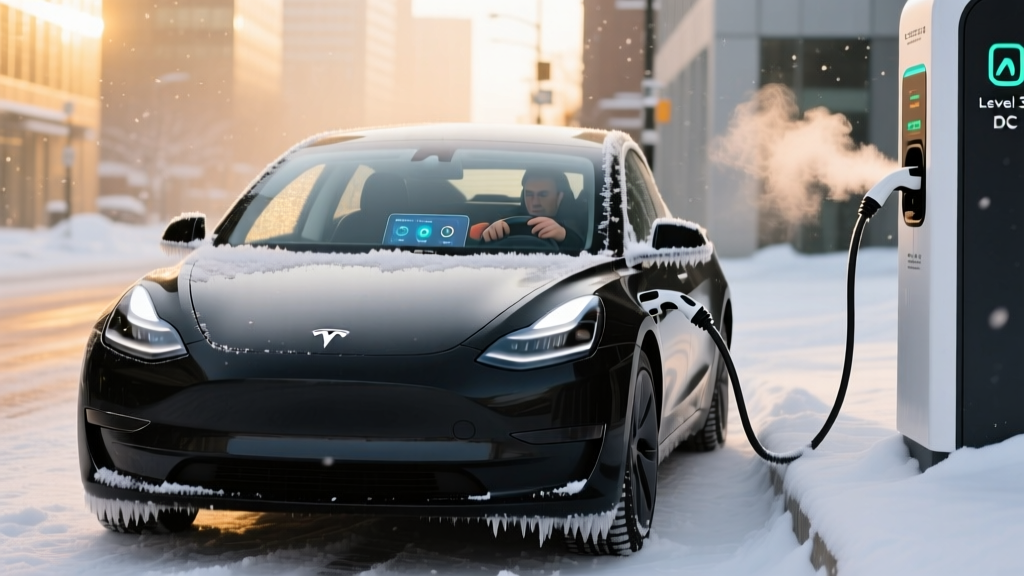
Real-world range expectations: EPA range stickers are tested under ideal mixed-driving conditions. In practice, expect 15–25% less range at sustained highway speeds (70+ mph), 20–30% less in sub-freezing temperatures, and an additional 5–10% loss when carrying a full load of passengers and cargo — exactly the minivan use case. A hypothetical 300-mile EPA electric Carnival might deliver 210–240 real-world miles on a winter road trip.
Insurance premiums: EVs typically cost 15–25% more to insure than comparable gas vehicles due to higher repair costs and specialized parts. Get quotes before committing to a purchase.
Frequently Asked Questions
Does Kia make an electric minivan in 2026?
No. As of 2026, Kia sells the Carnival in the U.S. only as a gasoline V6 and a hybrid (HEV). There is no plug-in or fully electric Carnival available. Kia's PV5 electric platform may spawn an electric MPV for global markets, but U.S. availability is not confirmed before 2027–2028.
What is the closest electric alternative to the Kia Carnival?
The closest current option is the Chrysler Pacifica Plug-In Hybrid, which offers 32 miles of electric-only range and 82 MPGe when running on battery. For a fully electric 3-row vehicle, the Kia EV9 SUV (EPA range up to 304 miles, starting ~$54,900) or the VW ID. Buzz minivan (limited U.S. availability, ~$60,000+) are the nearest alternatives, though neither matches the Carnival's cargo volume.
Would an electric Carnival qualify for the $7,500 federal tax credit?
It would depend on the model year's specific §30D rules, including battery sourcing requirements, MSRP caps (vans: $80,000), and buyer income limits ($150,000 single / $300,000 joint filing). Several Kia EVs have seen credit eligibility fluctuate due to critical-mineral sourcing rules. Always verify on fueleconomy.gov and consult a tax professional before relying on the credit in your purchase decision.
How much would it cost to charge an electric minivan at home?
At the U.S. average residential electricity rate of ~$0.16/kWh (EIA, 2025 data), fully charging a 90 kWh battery from empty costs roughly $14.40. For a typical week of 250 miles driven at 3.0 miles/kWh efficiency, you'd use about 83 kWh — roughly $13.30 per week, or $690 per year. Compare that to $2,600/year in gasoline for the V6 Carnival at 22 MPG combined.
Should I buy the Carnival Hybrid now or wait for an electric version?
If you need a minivan within the next 12 months, the Carnival Hybrid is the pragmatic choice — it delivers ~33 MPG combined with zero lifestyle compromise versus the gas model, and it'll hold strong resale value. Waiting 2–3 years for a potential electric version means paying a significant upfront premium, managing charging logistics, and accepting first-generation teething issues. The math favors the hybrid for most families today.