Quick Answer: Is There a Kawasaki Electric Horse?
As of early 2026, Kawasaki does not sell a vehicle officially named the "Kawasaki Electric Horse" in the United States. The search term likely stems from confusion around Kawasaki's electric motorcycle concepts (such as the Ninja e-1 and Z e-1, launched internationally in 2023-2024), the broader "electric horsepower" discussion in EVs, or conflation with Ford's "Mustang" (horse) electric branding. Kawasaki's current U.S. electric-vehicle presence is limited to off-highway and concept vehicles. If you're shopping for an electric motorcycle or EV with comparable performance, this guide breaks down what's actually available, what it costs, and how electric powertrains compare to gas.
What Buyers Actually Mean by "Kawasaki Electric Horse"
The phrase "Kawasaki Electric Horse" doesn't correspond to a production model in Kawasaki's 2026 U.S. catalog. However, the intent behind the search typically falls into one of three categories:
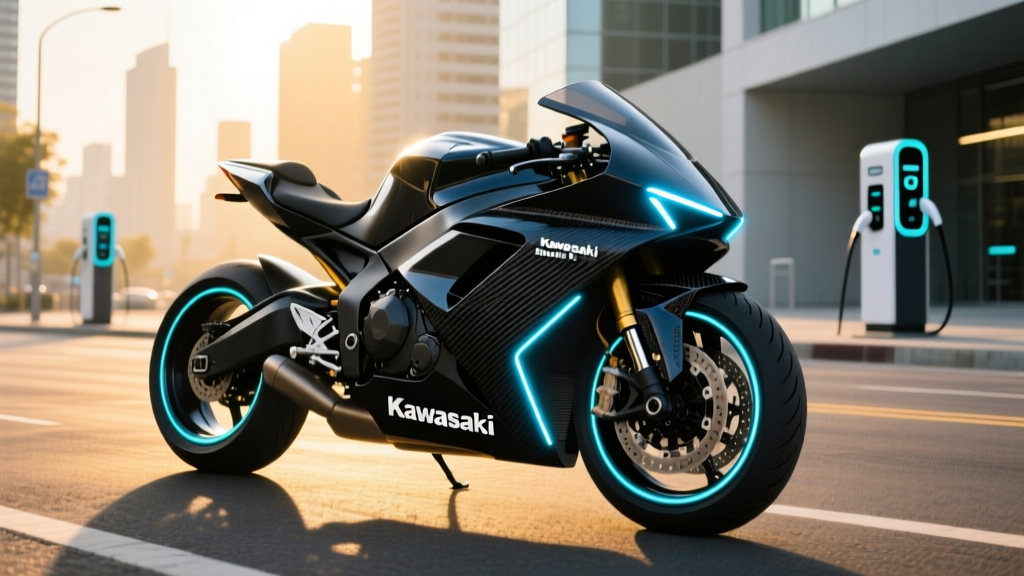
- Electric motorcycles from Kawasaki: The Ninja e-1 and Z e-1 are real, street-legal electric motorcycles sold in Europe and parts of Asia. They feature a 3.0 kWh removable battery pack (dual batteries for 6.0 kWh total), produce roughly 9 kW (12 hp) continuous and 12 kW (16 hp) peak, and deliver a real-world range of approximately 45-60 miles per charge depending on riding style.
- "Electric horsepower" in EVs: Many buyers researching EVs encounter the term "electric horsepower" and conflate it with brand names. Electric motors deliver peak torque instantly at 0 RPM, which means a 200-hp electric motor feels substantially more responsive than a 200-hp gas engine.
- Mustang/horse branding confusion: Ford's Mustang Mach-E and the legacy "horsepower" association with the Mustang nameplate sometimes create search overlap with other performance brands like Kawasaki.
For this guide, we'll address the practical question: if you're interested in a Kawasaki-branded electric vehicle or a comparable electric motorcycle/commuter, what are your real options, costs, and trade-offs in 2026?
Kawasaki's Actual Electric Vehicle Lineup (2026)
Kawasaki's electrification strategy has moved cautiously compared to four-wheel EV manufacturers. Here's what exists as of 2026:
| Model | Type | Battery | Peak Power | Range (Est.) | Top Speed | U.S. Availability |
|---|---|---|---|---|---|---|
| Ninja e-1 | Electric sport bike | 2× 3.0 kWh (removable, NMC) | 12 kW (16 hp) | ~50 mi | 55 mph (62 mph w/ e-Boost) | Not sold in U.S. |
| Z e-1 | Electric naked bike | 2× 3.0 kWh (removable, NMC) | 12 kW (16 hp) | ~50 mi | 55 mph (62 mph w/ e-Boost) | Not sold in U.S. |
| Kawasaki Electric Off-Highway (concepts) | Dirt/off-road | Varies (prototype) | Varies | Varies | Varies | Concept only |
The Ninja e-1 and Z e-1 use NMC (nickel-manganese-cobalt) lithium-ion cells in removable packs — a practical choice for riders without garage charging, since you can carry the batteries indoors to charge on a standard 120V outlet. A full charge takes approximately 3.7 hours per battery on Level 1. There is no DC fast-charging capability, which is typical for electric motorcycles at this price point.
Kawasaki has signaled further electric models through 2027-2028, including larger-displacement electric motorcycles potentially based on their hydrogen and battery hybrid concepts, but no U.S.-market production model beyond the e-1 platform has been confirmed.
Electric Motorcycle vs. Gas: The Numbers
If you're weighing a Kawasaki Ninja e-1 (or a comparable U.S.-available electric motorcycle like the Zero S or LiveWire ONE) against a gas equivalent such as the Kawasaki Ninja 400, here's how the math works:
| Metric | Kawasaki Ninja e-1 (Electric) | Kawasaki Ninja 400 (Gas) |
|---|---|---|
| Price (MSRP, intl.) | ~€7,900 / ~$8,500 est. | $5,299 (U.S.) |
| Power (peak) | 12 kW / 16 hp | 36 kW / 48 hp |
| Range | ~50 miles | ~200 miles (3.7 gal tank, ~54 mpg) |
| "Fuel" cost per mile | ~$0.02 (at $0.15/kWh) | ~$0.06 (at $3.50/gal, 54 mpg) |
| Maintenance (annual est.) | $50-100 (brake fluid, tires) | $300-500 (oil, chain, filters, valves) |
| 0-30 mph | ~3.5 sec (instant torque) | ~3.0 sec |
| Highway capable? | Limited (55-62 mph top speed) | Yes (120+ mph) |
The takeaway: electric motorcycles like the Ninja e-1 excel in urban commuting with near-zero running costs and minimal maintenance, but they sacrifice range, top speed, and upfront affordability. For riders who commute under 30 miles round-trip and have charging access at home or work, the economics favor electric over a 3-5 year ownership period. For touring, highway riding, or rural use, gas remains the practical choice.
Real Costs of Electric Motorcycle Ownership
Let's build a realistic 5-year cost picture for an electric motorcycle commuter versus a gas equivalent, assuming 5,000 miles/year (urban commuting):
| Cost Category (5 Years) | Electric Motorcycle | Gas Motorcycle (Ninja 400) |
|---|---|---|
| Purchase price | $8,500 | $5,299 |
| Fuel/energy (25,000 mi total) | $500 (at $0.15/kWh) | $1,620 (at $3.50/gal, 54 mpg) |
| Maintenance | $500 | $2,000 |
| Insurance (avg.) | $2,400 ($480/yr) | $2,100 ($420/yr) |
| Federal tax credit (§30D) | Not eligible (motorcycles excluded) | N/A |
| Total 5-Year Cost | $11,900 | $11,019 |
Key observations:
- The IRS §30D clean vehicle credit applies to four-wheeled vehicles only — electric motorcycles do not qualify for the federal $7,500 credit. Some states offer separate two-wheeler incentives, but these vary by jurisdiction and change frequently.
- Insurance on electric motorcycles tends to run 10-20% higher than gas equivalents due to higher repair costs and limited collision data.
- Fuel and maintenance savings on electric are substantial — roughly $2,620 saved over 5 years — but don't fully offset the higher purchase price in this scenario.
- At higher annual mileage (10,000+ miles/year), the electric cost advantage grows significantly.
Real-World Ownership Considerations
Before purchasing any electric motorcycle or EV, consider these practical factors that spec sheets don't capture:
Home Charging Access
The Kawasaki Ninja e-1's removable batteries solve the biggest barrier to electric motorcycle ownership: you don't need a garage with a dedicated circuit. You can charge the packs indoors on a standard 120V outlet at roughly 1 kW, adding about 15-20 miles of range per hour of charging. For riders in apartments or street-parking situations, this is a significant advantage over electric cars that require Level 2 home installations (typically $500-$2,000 for the charger and electrical work).
Climate and Range Loss
Like all lithium-ion batteries, the NMC cells in electric motorcycles lose capacity in cold weather. Expect 15-25% range reduction at temperatures below 40°F. A 50-mile summer range drops to roughly 38-42 miles in winter commuting conditions. This matters less for short urban commutes but can be a dealbreaker for riders in cold climates with longer routes.
Charging Infrastructure
Public charging networks (Electrify America, EVgo, ChargePoint) are designed for four-wheeled EVs with CCS or NACS connectors. Electric motorcycles have no standardized public fast-charging ecosystem. You're effectively limited to Level 1 (120V) charging wherever you can find an outlet. For commuting with predictable routes, this is manageable. For touring, it's a serious limitation.
Common Misconceptions About Electric Motorcycles
| Myth | Fact |
|---|---|
| "Electric motorcycles have instant highway power" | True for torque, but small electric motorcycles like the Ninja e-1 are speed-limited to ~55-62 mph. They're commuter vehicles, not highway tourers. |
| "The battery will need expensive replacement" | NMC motorcycle batteries are warrantied for 2-4 years depending on market. Replacement cost for a 3.0 kWh pack is approximately $1,500-$2,500. Most riders will sell before replacement is needed. |
| "Electric motorcycles qualify for the $7,500 tax credit" | They do not. The IRS §30D credit applies only to four-wheeled vehicles under 14,000 lbs GVWR. A separate two-wheeler plug-in credit (IRC §30C) was not renewed past 2023. |
| "You can charge at any public EV station" | Public DC fast chargers use CCS, NACS, or CHAdeMO connectors designed for cars. Most electric motorcycles use proprietary AC charging or removable batteries charged on standard outlets. |
| "Kawasaki sells the Ninja e-1 in the U.S." | As of 2026, the Ninja e-1 and Z e-1 are not in Kawasaki's U.S. product lineup. They're available in Europe, Japan, and select Asian markets. |
U.S.-Available Alternatives to Consider
If the "Kawasaki Electric Horse" search reflects genuine interest in an electric motorcycle available in the U.S., these are the closest options in 2026:
- Zero S / Zero SR: 14.4 kWh battery (Z-Force), ~166 miles city range (real-world highway: ~82 miles), 110 mph top speed, 60 hp, starting at ~$16,995. The most established U.S. electric motorcycle brand.
- LiveWire ONE: 15.4 kWh battery (RevLithium), ~146 miles city range (real-world highway: ~70 miles), 105 mph top speed, 105 hp, starting at ~$21,999. Harley-Davidson's electric spinoff, with DC fast-charging capability (0-80% in ~40 minutes at a CCS station).
- Zero FX: Dual-sport/off-road focused, 7.2 kWh battery, ~82 miles city range, 80 mph top speed, 46 hp, starting at ~$11,995. Closer in spirit to a commuter/trail bike.
For four-wheeled EV buyers who landed on this search, the Ford Mustang Mach-E (the literal "electric horse" of the car world) offers 250-320 miles of EPA-rated range starting at approximately $42,995, with eligibility for partial federal tax credits depending on battery sourcing and buyer income.
Decision Framework: Should You Buy Electric?
Buy an Electric Motorcycle If:
- Your daily commute is under 30 miles round-trip
- You have access to a standard 120V outlet at home or work
- You ride primarily in urban/suburban environments under 55 mph
- You want minimal maintenance and near-zero fuel cost
- You can absorb a higher upfront price for long-term savings
Stick With Gas (or Wait) If:
- You regularly ride highways or take trips over 60 miles
- You live in a cold climate where winter range loss would leave you stranded
- You need a vehicle available for U.S. purchase with full dealer support
- Your budget is under $10,000 and you need maximum performance per dollar
- You want to tour or ride in areas with no charging access
Consider a Four-Wheeled EV Instead If:
- You need passenger capacity, cargo space, or all-weather protection
- You want access to the $7,500 federal tax credit (subject to IRS §30D eligibility rules including MSRP caps, income limits, and battery sourcing requirements)
- You want DC fast-charging infrastructure for road trips
- You're looking for 250+ miles of range and 0-60 times under 6 seconds
Frequently Asked Questions
Does Kawasaki make an electric motorcycle I can buy in the U.S.?
Not as of early 2026. The Ninja e-1 and Z e-1 are sold in Europe and Asia but are not part of Kawasaki's U.S. product lineup. U.S. buyers looking for electric motorcycles should consider Zero Motorcycles or LiveWire.
What is "electric horsepower" and is it different from regular horsepower?
Electric horsepower is the same unit of measurement (746 watts = 1 hp), but electric motors deliver peak torque from 0 RPM, unlike gas engines that need to rev to a power band. This means a 16-hp electric motorcycle accelerates more briskly from a stop than the number suggests, but it still has less top-end power than a 48-hp gas bike.
Can I charge an electric motorcycle at a Tesla Supercharger or Electrify America station?
Generally no. Public DC fast-charging stations use CCS, NACS, or CHAdeMO connectors designed for four-wheeled EVs. Most electric motorcycles charge via standard 120V AC outlets or proprietary connectors. The LiveWire ONE is a rare exception, supporting CCS DC fast charging.
How long do electric motorcycle batteries last?
NMC lithium-ion batteries in electric motorcycles typically retain 80% of original capacity after 500-800 full charge cycles, which translates to roughly 50,000-80,000 miles for most riders. Warranty coverage varies by manufacturer but typically runs 2-5 years. Replacement costs range from $1,500 to $4,000 depending on pack size.
Why doesn't the federal EV tax credit apply to electric motorcycles?
The IRS §30D Clean Vehicle Credit is written for four-wheeled vehicles under 14,000 pounds GVWR. A previous two-wheeler plug-in credit (IRC §30C) existed but was not extended beyond 2023. Some states offer separate incentives for electric motorcycles — check your state energy office for current programs.
Is the Ford Mustang Mach-E the "electric horse" people are searching for?
It's possible. The Mustang Mach-E carries the horse branding and is one of the most-searched EVs in the U.S. With 250-320 miles of EPA range and a starting price around $42,995, it's a legitimate four-wheeled EV option, though tax credit eligibility varies by trim, battery sourcing, and buyer income per current IRS rules.