The Short Answer on Karma Electric Vehicles in 2026
Karma Automotive currently sells the Gyesera, an extended-range electric vehicle (EREV) starting around $105,000, with the all-electric Kaveya supercar announced but not yet in customer hands. The Gyesera pairs a 120-kWh battery pack with a BMW-sourced turbocharged inline-three range extender, delivering an estimated 250 miles of pure electric range and over 500 miles total. If you want a niche, coachbuilt luxury EV with head-turning design and don't mind limited service infrastructure, the Gyesera delivers. If you need reliable public charging access, broad dealer support, and competitive fast-charging speeds, rivals like the Lucid Air, Mercedes EQS, and Porsche Taycan remain more practical choices.
What Is a Karma Electric Vehicle, Exactly?
Karma Automotive — the successor to Fisker Automotive — has spent years restructuring and repositioning itself as a low-volume luxury manufacturer based in Irvine, California. The brand's current lineup pivots away from the original Fisker Karma plug-in hybrid sedan toward higher-end, design-forward vehicles.
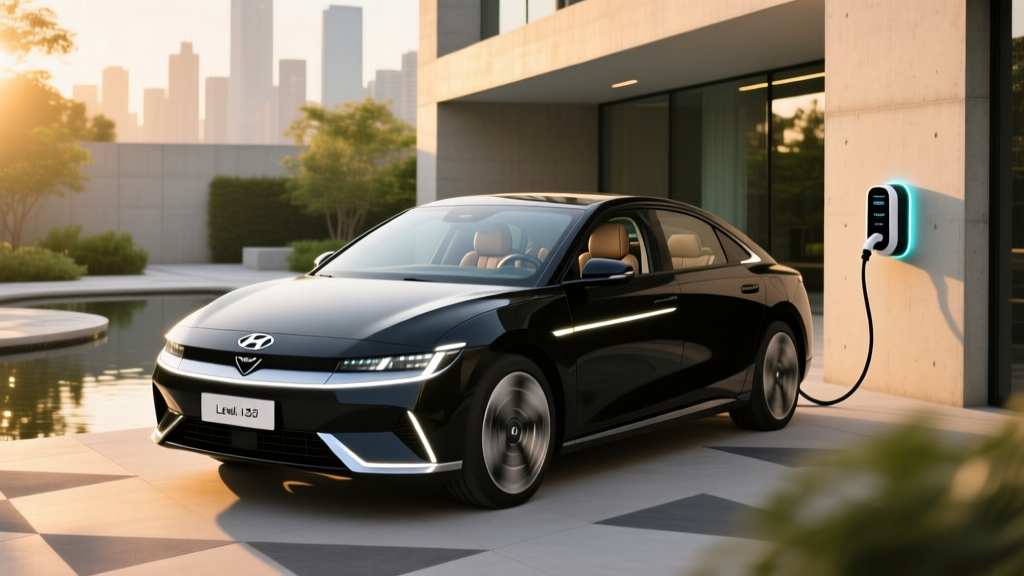
The Gyesera (formerly previewed as the GS-6) is the brand's production model: a four-door luxury sedan with an EREV powertrain. Unlike a pure battery-electric vehicle (BEV), an EREV uses an onboard gasoline engine as a generator to recharge the battery once the electric range is depleted — the engine never directly drives the wheels. Think of it as a series hybrid similar in concept to the Chevrolet Volt, but in a six-figure luxury package.
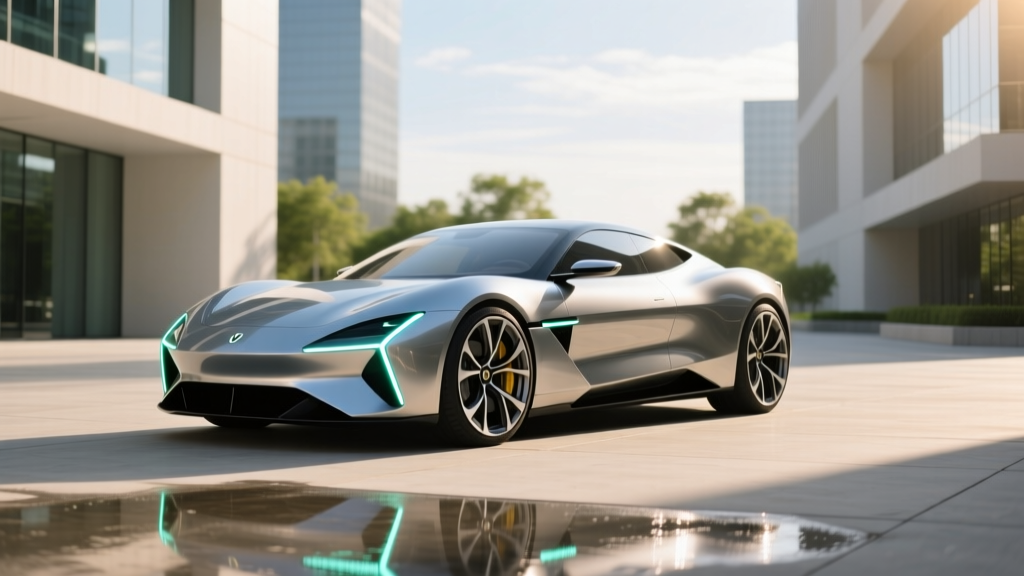
The Kaveya is Karma's announced all-electric supercar, targeting 1,200+ horsepower and a sub-2.0-second 0-60 mph time. As of early 2026, the Kaveya remains in pre-production with limited reservation availability and no confirmed EPA certification. All Kaveya specs below are preliminary.
Karma Gyesera: Range, Battery, and Charging Specs
| Specification | Karma Gyesera (2026) |
|---|---|
| Powertrain | EREV (series hybrid) — electric drive + 1.5L turbo I3 range extender |
| Battery Capacity | ~120 kWh (NMC chemistry) |
| Electric-Only Range (est.) | ~250 miles |
| Total Range (with range extender) | 500+ miles |
| Combined Output | ~536 hp |
| 0-60 mph | ~4.4 seconds |
| DC Fast Charge (peak) | ~150 kW |
| 10-80% DC Fast Charge | ~35-40 minutes (est.) |
| Level 2 Charging | ~11 kW onboard charger |
| Starting MSRP | ~$105,000 |
| Battery Warranty | 8 years / 100,000 miles (est.) |
Real-World Range Reality
The Gyesera's estimated 250-mile electric-only range assumes moderate temperatures and mixed driving. Expect ~200-220 miles at sustained highway speeds (70-80 mph) and potentially ~175-190 miles in sub-freezing conditions, where battery chemistry and cabin heating reduce efficiency. Once the range extender engages, total range extends past 500 miles, eliminating range anxiety on long trips — but you're now burning gasoline at roughly 25-30 MPG combined.
Charging: What You Need to Know
The Gyesera's ~150 kW peak DC fast-charging rate is adequate but not class-leading. Competitors like the Lucid Air (peak 300+ kW) and Porsche Taycan (peak 270 kW on 800V architecture) charge significantly faster. On a 150 kW charger, a 10-80% session takes roughly 35-40 minutes, and the charge curve tapers noticeably above 80% state of charge (SoC), as is typical with NMC battery chemistry.
| Charging Level | Power | Miles of Electric Range Added per Hour |
|---|---|---|
| Level 1 (120V household) | ~1.4 kW | ~4-5 miles |
| Level 2 (240V home/public) | ~11 kW | ~30-35 miles |
| DC Fast Charge | Up to ~150 kW | ~400+ miles/hr (at peak, tapering) |
Home charging is essential for EREV ownership satisfaction. With a Level 2 home charger, you'll fully replenish the 120-kWh battery overnight (~11 hours from empty), waking up to 250 miles of electric range for daily driving. Without home charging, you'll rely on the range extender far more often, negating much of the efficiency and cost advantage.
Cost Breakdown: Karma Gyesera vs. Gas and Rival EVs
| Cost Factor | Karma Gyesera (EREV) | Lucid Air Pure (BEV) | Mercedes S 500 (Gas) |
|---|---|---|---|
| Base MSRP | ~$105,000 | ~$75,000 | ~$118,000 |
| Federal Tax Credit (§30D) | Likely $0* | Up to $7,500** | $0 |
| Annual Fuel/Energy (12k mi) | ~$600-1,200*** | ~$540 | ~$2,400 |
| Annual Maintenance (est.) | ~$800-1,200 | ~$400-600 | ~$1,500-2,000 |
| Insurance (annual est.) | ~$3,500-4,500 | ~$2,800-3,500 | ~$3,000-3,800 |
* The Gyesera likely does not qualify for the IRS §30D new clean vehicle credit due to battery component and critical mineral sourcing requirements. Always verify with a tax professional.
** Lucid Air eligibility depends on trim MSRP caps, buyer income limits, and current-year sourcing rules. Confirm on the IRS portal before purchase.
*** Gyesera energy cost varies dramatically based on how often you drive on electric-only vs. range-extender mode. Predominantly electric daily driving with home solar can push costs below $600/year; frequent gas-generator use pushes costs above $1,200.
How Does the Gyesera Compare to Gas and Pure EV Alternatives?
| Factor | Karma Gyesera (EREV) | Gas Luxury Sedan (S-Class, 7 Series) | Pure BEV (Lucid Air, Taycan) |
|---|---|---|---|
| Daily commuting (electric) | Excellent — 250 mi EV range covers most commutes | N/A — always burning fuel | Excellent — 350-500+ mi range |
| Road trips | Good — range extender eliminates stops, but at 25-30 MPG | Good — 400-500 mi per tank, fast refueling | Fair to good — requires DC fast-charge stops, 20-35 min each |
| Cold-weather impact | Moderate — EV range drops ~20-30%, but engine compensates | Minimal | Significant — range drops 20-40% without heat pump |
| Charging/refueling infra | Gas stations + growing EV networks | Ubiquitous gas stations | Growing but uneven DC fast-charge coverage |
| Maintenance complexity | Higher — EV powertrain + ICE generator | Well-understood, dealer-supported | Lower — fewer moving parts, no oil changes |
The Gyesera occupies a unique middle ground: you get genuine electric daily driving with a gasoline safety net. But that dual powertrain also means maintaining both an electric drivetrain and an internal combustion engine — oil changes, spark plugs, and coolant for the range extender, plus battery thermal management and electric motor service.
Common Misconceptions About Karma EVs
| Myth | Fact |
|---|---|
| "The Gyesera is a pure electric car." | It's an EREV — it has a gasoline engine that generates electricity. You will buy gas on longer trips. |
| "Karma is the same company as Fisker." | Karma Automotive acquired Fisker Automotive's assets in 2014 but is a separate entity with different leadership, engineering, and product direction. |
| "I'll get the $7,500 federal tax credit." | Very unlikely. The §30D credit requires meeting strict battery sourcing and MSRP caps. Karma's low-volume, imported-component supply chain makes qualification improbable. Check fueleconomy.gov for the official list. |
| "Karma has a dealer network for service." | Karma operates with very limited service centers. Owners in regions without a Karma facility may face lengthy transport times for warranty work. |
| "The Kaveya supercar is available to buy now." | The Kaveya is announced and taking reservations but is not yet in production or EPA-certified. All specs are preliminary. |
Ownership Realities: What First-Time Buyers Must Know
Service and Parts Availability
Karma's low production volume means parts availability can be a genuine concern. Unlike Tesla, BMW, or Mercedes-Benz, you won't find third-party repair shops familiar with Karma's powertrain. Factor in potential downtime and transportation costs for service visits.
Insurance Costs
Low-volume luxury vehicles command premium insurance rates. Expect annual premiums of $3,500-$4,500 depending on your driving record, location, and coverage level. Get quotes before committing — some insurers may have limited experience rating Karma vehicles.
Depreciation
Niche luxury vehicles historically depreciate faster than mainstream alternatives. The original Fisker Karma lost value precipitously. While the Gyesera is a fundamentally different product, low brand recognition and limited production runs typically mean steeper depreciation curves than a Porsche Taycan or Mercedes EQS.
Home Charging Access
Without a dedicated Level 2 home charger, EREV ownership becomes significantly less practical. A professional Level 2 installation typically costs $800-$2,500 depending on panel capacity, wiring distance, and local permitting. If your home has a 200-amp electrical panel with available capacity, expect the lower end. A panel upgrade to 200A or 400A adds $2,000-$5,000.
Decision Framework: Should You Buy a Karma Electric Vehicle?
Choose the Karma Gyesera If:
- You want a distinctive, low-volume luxury sedan that stands out from German and Tesla competition
- You have reliable home Level 2 charging and a daily commute under 200 miles
- You take occasional long road trips and want a gasoline range extender as backup
- You understand and accept limited service infrastructure and potentially steep depreciation
- Budget is not your primary constraint — you're buying for design and exclusivity
Choose a Rival (Lucid Air, Porsche Taycan, Mercedes EQS) If:
- You want faster DC charging (270-350 kW peak) for shorter road-trip stops
- You need broad dealer/service network coverage across the US
- Federal tax credit eligibility matters to your purchase decision
- You want stronger resale value projections and third-party service options
- You prefer a pure BEV with zero gasoline dependency and simpler maintenance
Wait on the Kaveya If:
- You're interested in Karma's all-electric supercar — production timelines remain unconfirmed, and pricing will likely exceed $200,000
Frequently Asked Questions
Is the Karma Gyesera a fully electric vehicle?
No. The Gyesera is an extended-range electric vehicle (EREV). It drives exclusively on electric motors, but carries a gasoline-powered generator (a BMW-sourced 1.5L turbocharged inline-three) that recharges the battery when it's depleted. You'll use electricity for daily driving and gasoline on longer trips.
What is the real-world electric range of the Karma Gyesera?
Karma estimates approximately 250 miles of electric-only range. In real-world conditions — highway speeds, moderate climate — expect roughly 200-220 miles. In cold weather (below 32°F), that figure can drop to 175-190 miles due to battery chemistry limitations and cabin heating demands.
Does the Karma Gyesera qualify for the $7,500 federal EV tax credit?
Almost certainly not. Under current IRS §30D rules, the vehicle must meet battery component manufacturing and critical mineral sourcing requirements, plus MSRP and buyer income caps. Karma's low-volume supply chain makes compliance unlikely. Always consult a tax professional and check the official eligibility list before purchasing.
How long does it take to charge the Karma Gyesera at home?
On a Level 2 home charger (240V, ~11 kW), a full charge from empty takes approximately 11 hours. Most owners will plug in overnight and wake to a full battery. Level 1 (standard 120V outlet) adds only about 4-5 miles of range per hour — impractical for daily replenishment of a 120-kWh battery.
How does Karma's service network compare to Tesla or BMW?
It doesn't, and that's an important trade-off. Karma operates a very small number of service facilities in the US. If you don't live near a Karma service center, warranty repairs may require vehicle transport. Tesla has mobile service rangers and a growing shop network; BMW has hundreds of dealers nationwide. Factor this into your ownership decision.
Is the Karma Kaveya available to order?
Karma is accepting reservations for the Kaveya all-electric supercar, but the vehicle is not yet in production and has no confirmed delivery timeline or EPA certification. All published specs (1,200+ hp, sub-2.0-second 0-60) are preliminary manufacturer estimates.