Quick Answer: Should You Buy a Karma Electric Car?
Karma Automotive currently sells no mass-production electric vehicles available for general retail purchase in the United States. The brand has announced future models — including the all-electric Kaveya sports car and the Gyesera grand tourer — but as of early 2026, these remain in pre-production or limited-hand-build status. Karma's last volume vehicle, the Revero GT (a plug-in hybrid/EREV), ended production years ago. If you're researching Karma electric cars, understand that you are looking at a boutique, ultra-low-volume marque with uncertain delivery timelines, no EPA-certified range figures for upcoming models, and pricing expected well above $150,000. For buyers seeking a daily-driver EV today, Karma is not a viable option.
What Is Karma Automotive and Why Do People Search for It?
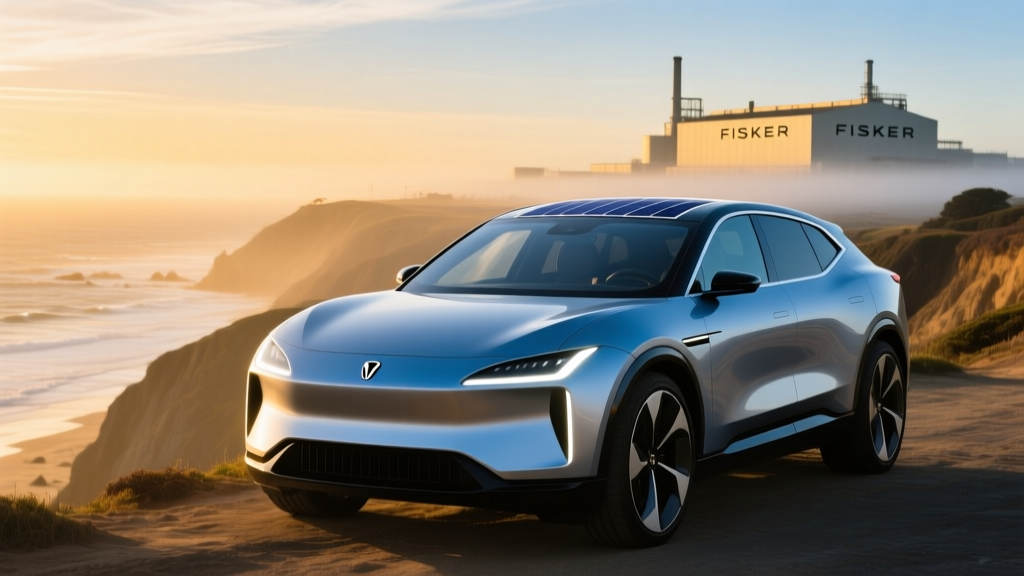
Karma Automotive traces its roots to Fisker Automotive (the original Fisker Karma, produced 2011–2012), which was acquired by China's Wanxiang Group in 2014 and rebranded as Karma Automotive. The company operated out of Moreno Valley, California, and produced the Revero — a plug-in series hybrid (extended-range electric vehicle, or EREV) — in very small numbers. Production of the Revero GT and its variants effectively ceased by 2020–2021.
Since then, Karma has operated primarily as a design and technology showcase company, unveiling concept vehicles and announcing limited-run production models. The brand positions itself in the ultra-luxury, coachbuilt segment — think low-volume production similar to Pininfarina or early Rimac, not Tesla or Hyundai scale.
The search interest in "Karma electric cars" largely stems from:
- Confusion with the original Fisker Karma (2011–2012 EREV)
- Confusion with Fisker Inc. (Henrik Fisker's separate company, which filed for bankruptcy in 2024)
- Announcements of upcoming Karma models like the Kaveya and Gyesera
- Used-market listings for the Karma Revero GT
Announced Karma Models: Kaveya, Gyesera, and the Reality Gap
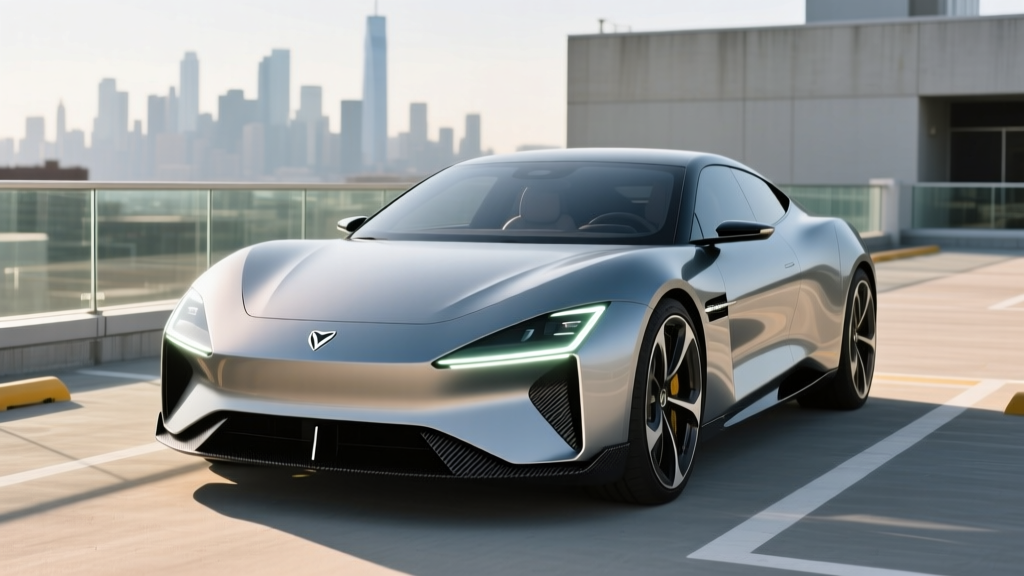
Karma has publicly announced several vehicles over the past few years. Here is what we know — and critically, what remains unconfirmed — as of 2026:
| Attribute | Kaveya (Coupe) | Gyesera |
|---|---|---|
| Powertrain | All-electric (announced) | All-electric (announced) |
| Target Horsepower | ~1,000 HP (claimed) | ~1,000 HP (claimed) |
| EPA Range | Not certified / Not available | Not certified / Not available |
| Battery Capacity (kWh) | Unconfirmed | Unconfirmed |
| 0–60 mph | ~2.0 sec (claimed) | Unconfirmed |
| DC Fast Charge (peak kW) | Unconfirmed | Unconfirmed |
| Expected MSRP | $200,000+ (estimated) | $190,000+ (estimated) |
| Production Status | Announced / Pre-production | Announced / Pre-production |
| Federal Tax Credit (§30D) | Likely ineligible (MSRP cap exceeded) | Likely ineligible (MSRP cap exceeded) |
Critical context: None of these specifications are EPA-certified. Karma has not published battery chemistry details (LFP vs. NMC), usable kWh capacity, sustained charge rates, or real-world range data. For any vehicle at this price point, those omissions should give a buyer pause.
Under current IRS §30D rules, the federal EV tax credit is capped at $7,500 and applies only to vehicles with an MSRP at or below $80,000 for SUVs/pickups/vans or $55,000 for sedans. Any Karma model priced above $150,000 will categorically not qualify. Buyer income caps and critical-mineral sourcing requirements further limit eligibility even for qualifying vehicles.
Used Karma Revero GT: The Only Karma You Can Actually Buy
The only Karma-branded vehicle available on the used market is the Revero GT (model years 2017–2020 approximately). This is not a battery-electric vehicle — it is a series plug-in hybrid (EREV), meaning a gasoline engine acts as a generator to extend range after the battery is depleted.
| Attribute | Value |
|---|---|
| Powertrain Type | Series PHEV / EREV |
| EPA Electric-Only Range | ~61 miles (varies by model year) |
| Total Range (gas + electric) | ~360 miles |
| Battery Capacity | ~21.4 kWh (usable varies) |
| Combined System HP | ~536 HP |
| 0–60 mph | ~4.5 seconds |
| MPGe (electric mode) | ~70 MPGe |
| MPG (gas generator mode) | ~26 MPG combined |
| Original MSRP | $135,000–$145,000 |
| Used Price Range (2026) | $45,000–$80,000 (varies widely) |
| Federal Tax Credit (Used §25E) | Potentially up to $4,000 if criteria met |
Revero GT vs. Comparable Gas Grand Tourers (Annual Fuel/Energy Cost)
| Metric | Karma Revero GT | BMW 8 Series (V8, gas) | Porsche Panamera 4 E-Hybrid |
|---|---|---|---|
| Annual Fuel/Energy Cost* | ~$2,200–$3,000 | ~$3,800–$4,500 | ~$2,500–$3,200 |
| Combined Efficiency | 70 MPGe / 26 MPG | ~20 MPG | ~52 MPGe / 25 MPG gas |
| Maintenance (annual avg.) | $1,500–$3,000+ | $1,200–$2,000 | $1,000–$1,800 |
| Insurance (annual avg.) | $4,000–$6,000+ | $2,500–$3,500 | $2,800–$3,800 |
*Based on 12,000 miles/year, national average electricity and fuel prices. Actual costs vary significantly by region and driving pattern. Source: fueleconomy.gov estimates.
Real-World Ownership Considerations for Karma Vehicles
Whether you're considering a used Revero GT or watching for future Karma electric models, these ownership factors are non-negotiable:
Parts and Service Availability
Karma's low production volumes mean parts availability is a genuine concern. Unlike Tesla, Ford, or Hyundai — which maintain extensive dealer and service networks — Karma owners have reported extended wait times for replacement components, body panels, and even routine service items. If you buy a used Revero GT, factor in the possibility of multi-week repair delays and limited certified technician availability.
Home Charging Requirements
The Revero GT charges via a J1772 connector at Level 2 (up to ~6.6 kW), meaning a full charge from empty takes approximately 3–4 hours on a home Level 2 station. A Level 2 home charger installation typically costs $800–$2,500 depending on electrical panel capacity and run length — and may require a panel upgrade ($1,500–$3,500 additional) if your home has a 100-amp service.
For future all-electric Karma models, expect DC fast-charging requirements in the 200–350 kW range (based on the claimed performance specs), which would necessitate access to high-power public charging infrastructure. If you live in a charging desert — areas of the rural Midwest, Mountain West, or parts of the South — this is a practical limitation.
Climate and Range Impact
All electrified vehicles lose range in cold weather. For the Revero GT's ~61-mile electric-only range, expect a 20–35% reduction in freezing temperatures (dropping to roughly 40–49 miles of electric range). This matters if you rely on electric-only commuting in northern climates.
Depreciation and Resale Value
Low-volume luxury vehicles depreciate steeply. The Revero GT originally sold for $135,000–$145,000; used examples now trade at $45,000–$80,000 — a 50–65% loss over 5–7 years. Future Karma electric models are likely to follow a similar depreciation curve unless the brand achieves broader market recognition and service infrastructure.
Cost Breakdown: Owning a Karma vs. a Mainstream EV
5-Year Estimated Total Cost of Ownership
| Cost Category | Used Karma Revero GT ($60K purchase) | Tesla Model S ($79,990 new) | BMW i5 eDrive40 ($70,200 new) |
|---|---|---|---|
| Purchase Price | $60,000 | $79,990 | $70,200 |
| Federal Tax Credit | Up to $4,000 (used, §25E) | $0 (MSRP/income/sourcing vary) | $0 (likely exceeds sedan MSRP cap) |
| 5-Year Fuel/Energy | $13,000 | $5,500 | $6,000 |
| 5-Year Maintenance | $10,000–$15,000 | $2,500–$3,500 | $4,000–$5,500 |
| 5-Year Insurance | $25,000–$30,000 | $12,000–$16,000 | $11,000–$14,000 |
| Estimated Depreciation | $15,000–$25,000 | $30,000–$38,000 | $28,000–$35,000 |
| Estimated 5-Year Total | $119,000–$139,000 | $100,000–$107,000 | $91,200–$101,700 |
Estimates are approximate and vary by location, driving habits, insurance profile, and electricity/fuel rates. Tax credit eligibility depends on IRS §30D and §25E requirements — consult a tax professional. Sources: IRS, fueleconomy.gov.
Common Misconceptions About Karma Electric Cars
| Myth | Fact |
|---|---|
| "Karma makes electric cars you can buy today." | Karma Automotive has no current mass-production EV for sale. The Revero GT (EREV/PHEV) is available only on the used market. Announced models like the Kaveya are not in production. |
| "Karma is the same company as Fisker." | There are three separate entities: (1) Fisker Automotive (defunct, 2013), which became Karma Automotive; (2) Fisker Inc. (Henrik Fisker's company, bankrupt 2024); and (3) Karma Automotive (Wanxiang-owned). They share a name origin but are legally distinct. |
| "The Karma Revero is a fully electric car." | The Revero GT is a series plug-in hybrid (EREV). It runs on battery power for ~61 miles, then a BMW-sourced 3-cylinder gasoline engine acts as a generator. It requires gasoline. |
| "Karma EVs qualify for the $7,500 federal tax credit." | Future Karma models priced above $150,000 will far exceed the §30D MSRP cap ($55,000 for sedans, $80,000 for SUVs). They will not qualify for the new-vehicle credit. A used Revero GT may qualify for the §25E used-EV credit (up to $4,000) if all criteria are met. |
| "Karma will be the next Tesla." | Karma's business model targets ultra-low-volume, coachbuilt luxury — more akin to Pagani or Pininfarina than Tesla. Production will likely number in the dozens or low hundreds per year, not hundreds of thousands. |
Decision Framework: Is a Karma Vehicle Right for You?
Choose a Used Karma Revero GT If:
- You want a rare, head-turning grand tourer and accept high maintenance/insurance costs
- You have reliable access to a specialist mechanic or Karma-authorized service center
- Your daily commute is under 50 miles (allowing mostly electric-only driving)
- You have a Level 2 home charger or can install one
- You understand depreciation will likely continue and resale liquidity is low
Wait for Future Karma Electric Models If:
- You have $200,000+ budgeted for an ultra-luxury electric grand tourer
- You accept the risk of startup delays, limited production, and uncertain service infrastructure
- You already own a reliable daily driver and a Karma would be a secondary/tertiary vehicle
- You value exclusivity and coachbuilt design over practicality and efficiency
Look Elsewhere (Mainstream EVs) If:
- You need a dependable daily driver with readily available parts and service
- You want EPA-certified range data, transparent charging specs, and established warranty support
- Your budget is under $100,000
- You want to maximize federal and state EV incentives
- You need reliable DC fast-charging access for road trips
What First-Time EV Buyers Should Know Instead
If your search for "Karma electric cars" reflects a broader interest in getting into an EV for the first time, here are the practical steps that actually matter:
- Assess your home charging situation. Can you install a Level 2 charger (240V, 30–50 amp circuit)? Budget $800–$4,000 for installation. If you live in an apartment without charging access, a PHEV or public-charging-dependent lifestyle requires careful route planning.
- Calculate your real daily mileage. The average American drives ~37 miles/day. Most current EVs with 250+ miles of EPA range handle this easily, even with cold-weather reduction.
- Check tax credit eligibility before buying. The §30D credit has income caps ($150K single / $300K joint), MSRP caps, and battery-sourcing requirements that change annually. Use the IRS tool at irs.gov and verify with a tax professional.
- Compare total cost of ownership, not just sticker price. EVs typically save on fuel and maintenance but may cost more for insurance and upfront purchase. A 5-year TCO analysis is essential.
- Test-charge before you buy. Visit a public DC fast charger near your home or commute route. Understand the plug type (NACS, CCS, CHAdeMO), the payment process, and the actual charge speed you experience — not just the peak kW on the spec sheet.
Frequently Asked Questions
Can I buy a new Karma electric car in 2026?
No. Karma Automotive does not currently offer any new, mass-production electric vehicle for retail sale. Announced models like the Kaveya and Gyesera remain in pre-production status with no confirmed delivery timeline.
How much does a Karma car cost?
On the used market, the Karma Revero GT (EREV/PHEV) typically sells for $45,000–$80,000 depending on year, mileage, and condition. Announced future electric models are expected to be priced above $150,000–$200,000.
Is the Karma Revero fully electric?
No. The Revero GT is a series plug-in hybrid (EREV). It drives on battery power for approximately 61 EPA-rated miles, after which a gasoline engine generates electricity to extend range. You must still buy gasoline for longer trips.
Does Karma qualify for the federal EV tax credit?
Future Karma models priced above $150,000 will not qualify for the §30D new-vehicle credit due to the MSRP cap ($55,000 sedans / $80,000 SUVs). A used Revero GT may qualify for the §25E used clean vehicle credit (up to $4,000) if the sale price is $25,000 or less and all buyer/vehicle criteria are met.
What happened to Fisker and Karma?
The original Fisker Automotive (maker of the 2011–2012 Fisker Karma) went bankrupt in 2013. Its assets were purchased by Wanxiang Group, which rebranded the company as Karma Automotive. Henrik Fisker later founded Fisker Inc., a separate company that produced the Fisker Ocean SUV before filing for bankruptcy in 2024. These are three distinct entities.
Are Karma cars reliable?
Reliability data for Karma vehicles is extremely limited due to low production volumes. Owner reports for the Revero GT have been mixed, with complaints about software glitches, build quality, and parts availability. There is insufficient data for statistical reliability ratings from sources like Consumer Reports or J.D. Power.
What should I buy instead of a Karma?
If you want a luxury electric grand tourer or sports sedan that you can actually purchase today, consider the Porsche Taycan (EPA range up to 318 mi, starting ~$92,000), the Lucid Air (EPA range up to 516 mi, starting ~$69,900), or the Tesla Model S Plaid (EPA range 396 mi, ~$89,990). All three offer established service networks, EPA-certified specs, and transparent ownership costs.
Editorial note: Karma Automotive's product plans have shifted repeatedly. All specifications for announced but unreleased models are preliminary and subject to change. Verify current availability directly with the manufacturer before making purchase decisions. This article reflects information available as of early 2026.