Is Rivian Owned by Ford? The Short Answer
No. Rivian Automotive is an independent, publicly traded company (NASDAQ: RIVN) founded by R.J. Scaringe in 2009. Ford Motor Company was an early investor, committing $500 million in 2019 and holding a significant stake, but Ford does not own or control Rivian. Since Rivian's November 2021 IPO, Ford's stake has been progressively reduced through share sales. As of 2025–2026, Ford retains a small fractional holding, but the two companies operate as full competitors in the electric truck and SUV market. Rivian designs, engineers, and manufactures its vehicles independently at its Normal, Illinois plant.
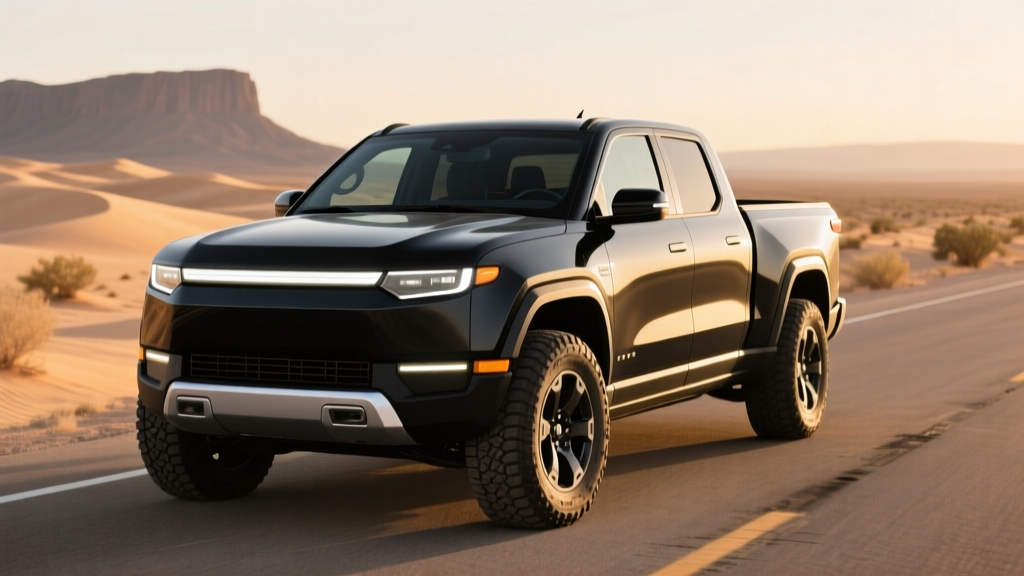
With that ownership question settled, let's dig into what Rivian actually builds — specifically the 2026 Rivian R1T, the electric adventure truck that competes head-on with the Ford F-150 Lightning, Chevrolet Silverado EV, and Tesla Cybertruck.
2026 Rivian R1T at a Glance: Spec Table
| Specification | Dual-Motor AWD (Standard) | Tri-Motor AWD | Quad-Motor AWD |
|---|---|---|---|
| EPA Range | ~330 mi (Standard Battery) ~420 mi (Max Battery) | ~390 mi (Max Battery) | ~350 mi (Max Battery) |
| Battery (usable) | ~92 kWh (Standard, LFP) ~135 kWh (Max, NMC) | ~135 kWh (NMC) | ~135 kWh (NMC) |
| Horsepower | 533 hp | 850 hp | 1,025 hp |
| 0–60 mph | 4.5 sec | 3.0 sec | 2.5 sec |
| Drivetrain | Dual-Motor AWD | Tri-Motor AWD | Quad-Motor AWD |
| Max DC Fast Charge | ~200 kW | ~220 kW | ~220 kW |
| 10–80% DC Charge | ~28 min | ~25 min | ~25 min |
| Level 2 Home Rate | ~11.5 kW (~25 mi/hr) | ~11.5 kW (~25 mi/hr) | ~11.5 kW (~25 mi/hr) |
| MPGe (combined) | ~70 MPGe | ~63 MPGe | ~58 MPGe |
| Towing Capacity | 11,000 lbs | 11,000 lbs | 11,000 lbs |
| Base MSRP (2026 est.) | $69,900 | $89,000 | $99,000 |
Real-World Range: What the EPA Sticker Doesn't Tell You
EPA Estimate: Up to 420 miles (Max Battery, Dual-Motor)
Real-World Highway (70–75 mph): Expect ~310–350 miles
Cold Weather (below 30°F): Expect 20–30% reduction — ~250–300 miles on Max Battery
City / Moderate Driving: Closest to EPA, ~380–410 miles on Max Battery
The R1T's boxy, truck-profile body generates more aerodynamic drag than a sedan or crossover, which hits efficiency hardest at sustained highway speeds above 70 mph. In real-world testing, the Dual-Motor with the Max Battery pack delivers roughly 310–350 miles at highway speeds — a meaningful drop from the 420-mile EPA sticker but still competitive for the electric truck segment.
Cold weather compounds this. Lithium-ion batteries lose efficiency in freezing temperatures, and the R1T's cabin heating, battery thermal management, and defrost systems all draw power. If you live in the Upper Midwest or Northeast and plan winter road trips, budget for 250–300 usable miles on a Max Battery pack and plan charging stops accordingly. Rivian's heat pump (standard on 2025+ models) mitigates some of this loss compared to older resistive-heating setups.
The Standard Battery pack uses LFP (lithium iron phosphate) chemistry, which trades energy density for longevity and lower cost. LFP cells tolerate regular 100% charging without degradation concerns — a practical advantage for daily commuting. The Max Battery pack uses NMC (nickel manganese cobalt) chemistry, which packs more energy into the same physical space but benefits from daily charging limits around 80–90%.
Charging Speed: DC Fast, Home Level 2, and the Curve Reality
Charging speed is where many EV buyers get misled by peak-kW marketing numbers. The R1T's peak DC fast-charge rate of roughly 200–220 kW (depending on powertrain) is only sustained at low states of charge — typically between 10% and 35% SoC. After that, the charge curve tapers progressively to protect battery health.
| Charging Level | Power / Rate | Miles Added per Hour | Notes |
|---|---|---|---|
| Level 1 (120V household) | ~1.4 kW | ~3–4 mi/hr | Emergency/trickle only |
| Level 2 (240V home, 48A) | ~11.5 kW | ~25 mi/hr | Full overnight charge (~12–14 hrs for Max Battery) |
| DC Fast (peak) | ~200–220 kW | ~140+ mi in 10 min (at peak) | 10–80% in ~25–28 min |
| DC Fast (sustained avg, 10–80%) | ~130–150 kW avg | — | Peak only at low SoC; tapers above 50% |
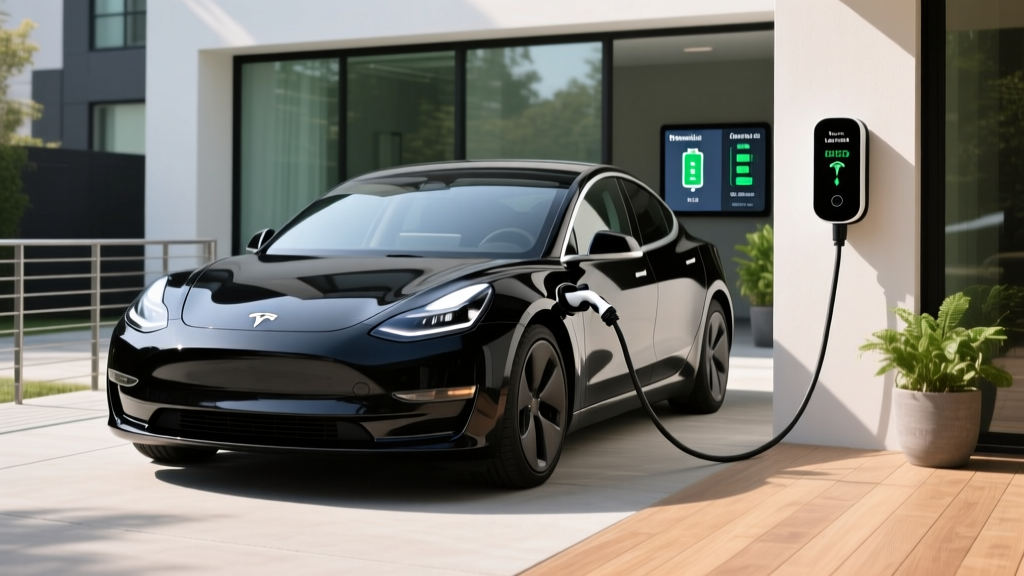
For home charging, a Level 2 wall connector on a 60-amp circuit (48 amps continuous) delivers about 11.5 kW, replenishing roughly 25 miles of range per hour. A full charge of the Max Battery pack from near-empty takes approximately 12–14 hours on Level 2 — perfectly manageable overnight. Installation costs for a home Level 2 setup typically run $800–$2,500 depending on panel capacity and conduit distance, though homes needing a 200-amp service upgrade may see costs of $3,000–$5,000+.
On DC fast chargers, the 10–80% time of approximately 25–28 minutes is competitive but not class-leading. The Hyundai Ioniq 5 and Kia EV6, with their 800V architectures, can achieve 10–80% in roughly 18 minutes. The R1T's 400V architecture limits its peak charge rate relative to battery size. For road-trippers who prioritize frequent 15-minute top-ups, this is a practical trade-off to consider.
Performance and Drivetrain: From Commuter to Quad-Motor Beast
Rivian offers the R1T in three powertrain configurations, each with a distinct personality:
- Dual-Motor AWD (533 hp, 4.5s 0–60): More than adequate for daily driving, towing, and trail use. This is the volume configuration and the one most buyers should choose.
- Tri-Motor AWD (850 hp, 3.0s 0–60): Adds a rear-axle motor for serious acceleration and off-road torque vectoring. Enthusiast territory.
- Quad-Motor AWD (1,025 hp, 2.5s 0–60): One independent motor per wheel with tank turns (360-degree rotations). A technology showcase; extreme performance with real efficiency trade-offs.
All configurations feature a single-speed reduction gear (no multi-speed transmission), regenerative braking with adjustable intensity, and Rivian's electro-hydraulic brake system. The R1T's air suspension provides up to 14.9 inches of ground clearance in off-road mode and lowers for highway efficiency and easier bed access.
Towing capacity is rated at 11,000 pounds across all trims — competitive with the F-150 Lightning's 10,000-pound max and well ahead of the Cybertruck's 11,000-pound rating. However, towing at max capacity reduces range by roughly 40–50%, meaning a Max Battery R1T towing 10,000+ pounds might deliver 180–220 miles before needing a charge.
Pricing, Trim Levels, and Federal Tax Credit Eligibility
| Trim / Configuration | Base MSRP (2026 est.) | Federal Tax Credit (§30D) | Effective Price (if eligible) |
|---|---|---|---|
| Dual-Motor, Standard Battery | $69,900 | Up to $7,500* | ~$62,400 |
| Dual-Motor, Max Battery | $75,900 | Up to $7,500* | ~$68,400 |
| Tri-Motor, Max Battery | $89,000 | Up to $7,500* | ~$81,500 |
| Quad-Motor, Max Battery | $99,000 | Up to $7,500* | ~$91,500 |
*Federal tax credit eligibility under IRS §30D is subject to multiple requirements:
- MSRP Cap: Trucks/vans/SUVs must have an MSRP at or below $80,000. The Dual-Motor trims qualify; Tri-Motor and Quad-Motor exceed the cap and are ineligible for the new-vehicle credit.
- Buyer Income Cap: Modified AGI must not exceed $150,000 (single), $225,000 (head of household), or $300,000 (joint filers).
- Battery Sourcing: Critical minerals and battery component requirements phase in annually. The full $7,500 requires meeting both thresholds; partial credit ($3,750) applies if only one is met. Verify current-year sourcing compliance on IRS.gov.
- Point-of-Sale Transfer: Eligible buyers can transfer the credit to the dealer at purchase, reducing the purchase price directly rather than waiting for a tax refund.
The R1T's pricing positions it as a premium electric truck. The Dual-Motor Standard Battery at ~$69,900 (before credit) competes with well-equipped F-150 Lightning Lariat and XLT Extended Range trims. Options like the Camp Kitchen, Gear Tunnel Shuttle, and premium paint can add $5,000–$12,000 to the as-tested price.
Cargo, Passenger Space, and the Gear Tunnel Advantage
The R1T is classified as a midsize truck, roughly comparable in footprint to a Toyota Tacoma or Ford Ranger, but its skateboard platform unlocks packaging advantages no gas truck can match:
- Bed Length: 4.5 feet (54 inches) — shorter than full-size trucks, adequate for gear and moderate cargo
- Gear Tunnel: 11.7 cu ft of lockable, pass-through storage between the cab and bed, accessible from both sides. This is the R1T's signature feature — ideal for skis, camping gear, or groceries.
- Frunk (Front Trunk): 11.1 cu ft with a drain plug — usable as a cooler or wet-storage compartment
- Total Cargo Volume (bed + tunnel + frunk): ~47 cu ft combined
- Rear Seat Legroom: ~37.3 inches — adequate for adults on shorter trips; tighter than full-size crew cabs
- Seating: 5 passengers (2+3 configuration)
If you regularly haul 4x8 sheets of plywood or need an 8-foot bed, the R1T isn't the truck for you. But for adventure-oriented owners who value lockable, weather-sealed storage over raw bed length, the Gear Tunnel and frunk combination is genuinely practical.
Tech, Driver Assistance, and Notable Drawbacks
Rivian runs its own vertically integrated software stack — no CarPlay or Android Auto, which is a deal-breaker for some buyers. The 15.6-inch center touchscreen and 12.3-inch driver display are responsive and well-designed, with built-in navigation that integrates charging stops and battery preconditioning for DC fast chargers.
The Rivian Driver+ system is a Level 2 SAE driver-assist suite combining adaptive cruise control, lane centering, and automatic lane changes on divided highways. It requires continuous driver supervision — hands on or near the wheel, eyes on the road. This is not autonomous driving. It competes with Ford BlueCruise and GM Super Cruise in capability, though it lacks the hands-free operation those systems permit on mapped highways.
Rivian Driver+ is a Level 2 driver-assistance system. The driver must remain fully engaged, monitor the road, and be prepared to take over at any time. This is not self-driving. No consumer Rivian vehicle offers Level 3 or Level 4 autonomy.
Notable drawbacks:
- No Apple CarPlay or Android Auto — Rivian's native software only
- Midsize bed (4.5 ft) limits utility for large cargo vs. full-size trucks
- Rear seat space is tighter than full-size crew cabs (F-150, Silverado)
- Charging speed (10–80% in ~25–28 min) trails 800V competitors
- Service center network is still expanding; some rural owners face long tow distances for warranty work
- No NACS port standard on earlier builds (2025+ models include NACS; earlier CCS vehicles require an adapter for Tesla Superchargers)
Warranty Coverage
| Coverage Area | Term |
|---|---|
| Basic Vehicle (bumper-to-bumper) | 5 years / 60,000 miles |
| Battery Pack & Drive Units | 8 years / 175,000 miles |
| Battery Capacity Retention | Warranted to retain ≥70% of original capacity over 8 yr / 175,000 mi |
Rivian's battery warranty threshold of 70% capacity retention over 8 years/175,000 miles is competitive with the industry standard (most EVs warrant 70% over 8 years/100,000 miles). The higher mileage cap of 175,000 miles reflects confidence in both the NMC and LFP cell suppliers. According to fueleconomy.gov, modern EV batteries typically retain 85–95% of capacity after 100,000 miles under normal use conditions.
Who the Rivian R1T Suits Best
- You want a premium adventure truck with best-in-class storage innovation (Gear Tunnel + frunk)
- You need 11,000-lb towing and serious off-road capability with electric instant torque
- You can charge at home and your daily driving is under 250 miles
- You value build quality and design over sheer bed length
- You need a full-size 6.5–8 ft bed for work use
- You want Apple CarPlay/Android Auto
- You need the fastest possible DC charging for frequent 500+ mile road trips
- Your budget is under $60,000 (consider the Ford F-150 Lightning Pro or base Chevy Silverado EV)
Is the Rivian R1T Worth Buying vs. Key Competitors?
The R1T occupies a unique space: it's more premium and adventure-focused than the Ford F-150 Lightning, more refined and practical than the Tesla Cybertruck, and more established than the Chevrolet Silverado EV. The IIHS has evaluated recent R1T models for safety performance, and Rivian's over-the-air update cadence means features continue to improve post-purchase.
The F-150 Lightning wins on price (starting ~$55,000), full-size bed utility, and Ford's massive dealer/service network. The Cybertruck offers stainless-steel exoskeleton styling and available rear-wheel steering but polarizes on build quality and practicality. The R1T wins on storage innovation, off-road sophistication, and overall build finish — but at a premium price and with a smaller service footprint.
Frequently Asked Questions
Is Rivian owned by Ford?
No. Rivian is an independent public company (NASDAQ: RIVN). Ford invested $500 million in 2019 but has since reduced its stake significantly. The two companies are competitors, and Ford does not control Rivian's operations, products, or strategy.
What is the real-world range of the Rivian R1T?
The EPA rates the Dual-Motor Max Battery R1T at approximately 420 miles. In real-world highway driving at 70–75 mph, expect 310–350 miles. In freezing weather, budget for 250–300 miles. The Standard Battery (LFP) delivers approximately 260–280 real-world highway miles from its 330-mile EPA rating.
How fast does the R1T charge at home and on the road?
At home on a Level 2 (240V, 48A) charger, the R1T adds roughly 25 miles of range per hour, fully charging overnight in 12–14 hours (Max Battery). On DC fast chargers, it peaks at ~200–220 kW and charges 10–80% in approximately 25–28 minutes, though peak rate only sustains at low states of charge.
Does the Rivian R1T qualify for the $7,500 federal EV tax credit?
The Dual-Motor trims (MSRP at or below $80,000) can qualify for up to $7,500 under IRS §30D, provided the buyer meets income caps ($150K single / $300K joint), and the vehicle meets battery-sourcing requirements. Tri-Motor and Quad-Motor trims exceed the $80,000 MSRP cap and are ineligible. Always verify current eligibility at IRS.gov before purchasing.
Does the Rivian R1T have Apple CarPlay?
No. Rivian uses its proprietary infotainment system and does not support Apple CarPlay or Android Auto. The native system includes navigation, streaming apps, and charging integration, but phone-mirroring is not available.
What is the R1T's towing capacity, and how does towing affect range?
All R1T configurations are rated to tow 11,000 pounds. When towing near maximum capacity, expect range to drop by 40–50% due to the combined effects of weight, aerodynamic drag from the trailer, and higher energy consumption at sustained speeds.
Is Rivian Driver+ self-driving?
No. Rivian Driver+ is an SAE Level 2 driver-assistance system. It provides adaptive cruise control and lane centering on highways but requires the driver to remain fully attentive and in control at all times. It is not autonomous or self-driving.