Quick Answer: Is the Kia Niro Electric?
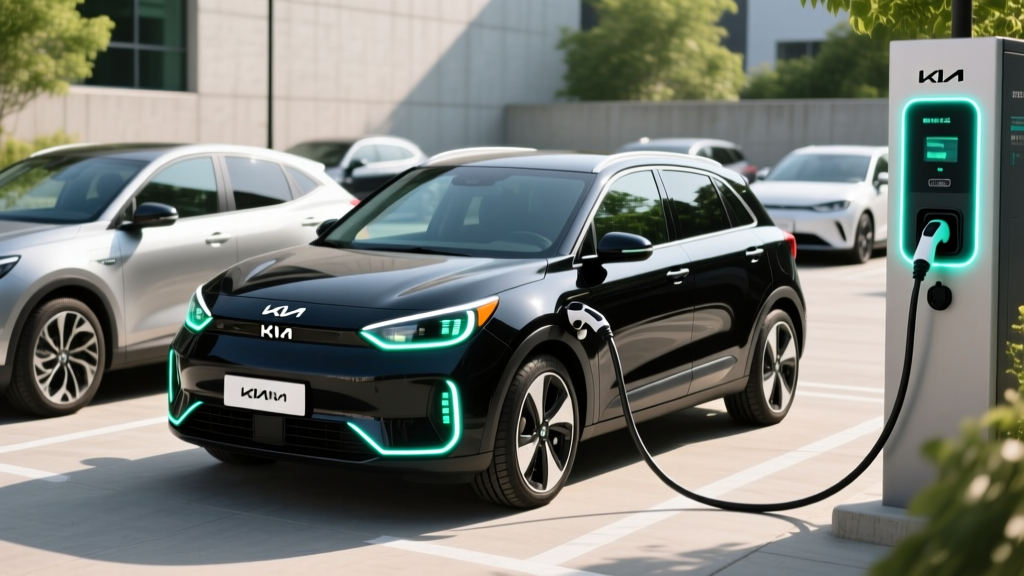
Yes. The Kia Niro is available as a fully electric vehicle called the Niro EV (formerly e-Niro). For the 2025/2026 model year, the Niro EV delivers an EPA-estimated 239 miles of range from a 64.8 kWh battery pack, produces 201 horsepower, and starts at approximately $39,600 MSRP. However, Kia also sells the Niro as a conventional hybrid (HEV) and a plug-in hybrid (PHEV), so the answer depends on which powertrain you choose.
The Kia Niro lineup is one of the few nameplates in the U.S. market that lets you pick between three electrified powertrains under the same roof. That flexibility is genuinely useful — but it also creates confusion at the dealership. Below, we cut through the naming with exact specs, real-world ownership costs, and a framework to help you pick the right Niro for your driving pattern.
Niro Powertrain Lineup: EV vs. Hybrid vs. Plug-In Hybrid
Kia structures the Niro into three distinct models. The badging can be subtle, so here is exactly what separates them:
| Spec | Niro EV (BEV) | Niro PHEV | Niro HEV (Hybrid) |
|---|---|---|---|
| Powertrain | Battery electric | Plug-in hybrid | Conventional hybrid |
| EPA Range / MPGe | 239 mi / 113 MPGe combined | 33 mi electric + 480 mi total / 105 MPGe (charge-depleting) | 53 MPG combined (HEV FE) |
| Battery (usable) | 64.8 kWh (NMC) | 11.1 kWh | 1.56 kWh |
| Horsepower | 201 hp / 188 lb-ft | 180 hp combined | 139 hp combined |
| 0–60 mph | ~6.8 sec | ~7.2 sec | ~9.0 sec |
| Max DC Fast Charge | ~85 kW peak | N/A (Level 2 only) | N/A |
| 10–80% DC Charge | ~43 min | ~2 hr 45 min (L2, 0–100%) | N/A |
| Starting MSRP (2025) | ~$39,600 | ~$34,390 | ~$26,940 |
| Federal Tax Credit (§30D) | Up to $7,500 (eligibility varies) | Up to $3,750 (varies) | Not eligible |
| Warranty (battery) | 10 yr / 100,000 mi | 10 yr / 100,000 mi | 10 yr / 100,000 mi |
Sources: EPA / fueleconomy.gov, Kia America press specifications.
Real-World Range: What to Actually Expect From the Niro EV
EPA Sticker: 239 miles
Real-World Highway (70 mph, moderate weather): ~200–215 miles
Cold Weather (below 30°F, highway): ~160–180 miles
City / Suburban Mixed Driving: ~225–235 miles
The Niro EV's 239-mile EPA estimate is achievable in mild conditions at moderate speeds. Like all EVs, efficiency drops at sustained highway velocities and in cold temperatures. The Niro EV uses an NMC (nickel manganese cobalt) battery chemistry, which provides good energy density but is more susceptible to cold-weather range loss than LFP packs. In our experience with vehicles in this segment, expect roughly a 15–20% range reduction on winter highway trips.
The Niro EV does not include a standard heat pump in all trims in the U.S. market — a feature that helps preserve range in cold weather by warming the cabin more efficiently than resistive heating. If you live in a northern climate, this is worth confirming on the specific trim you are considering, as heat-pump availability has varied by model year and region.
Charging the Niro EV: Speeds, Connectors, and Real-World Practicality
One area where the Niro EV draws criticism is its DC fast-charging speed. The peak rate of approximately 85 kW is modest compared to rivals like the Hyundai Ioniq 5 (which peaks near 240 kW on 800V architecture). Here is what that means in practice:
| Charging Level | Power (kW) | Time (10–80%) | Miles Added per Hour |
|---|---|---|---|
| Level 1 (120V household) | ~1.4 kW | N/A (overnight ~15–20 mi) | ~4 mi/hr |
| Level 2 (240V, 48A home charger) | ~11 kW | ~6 hr 15 min (full) | ~32 mi/hr |
| DC Fast Charge (CCS) | ~85 kW peak | ~43 min | ~180 mi/hr (peak) |
The 43-minute 10–80% DC fast-charge time is the single biggest limitation of the Niro EV for road-trippers. On a long drive, you will spend noticeably more time at chargers than you would in an Ioniq 5 or Tesla Model Y. The charge curve tapers significantly above 80% SoC, as is standard for NMC packs — so charging to 100% at a DC station is rarely worth the time.
The Niro EV uses a CCS1 connector for DC fast charging and a J1772 inlet for Level 2. It does not natively support the NACS (Tesla) connector, though CCS-to-NACS adapters are increasingly available as the industry transitions. For home charging, a Level 2 wallbox (such as a ChargePoint Home Flex or Emporia Vue) installed on a 240V/48A circuit will fully replenish the battery overnight.
Cost Breakdown: Niro EV vs. Niro Hybrid vs. Gas Compact SUV
The purchase price tells only part of the story. Here is a 5-year total cost of ownership comparison, assuming 15,000 miles/year, $0.14/kWh home electricity, $3.50/gallon gas, and typical maintenance schedules:
| Cost Category (5 Years) | Niro EV (Wind) | Niro HEV (EX) | Gas Compact SUV (e.g., Toyota RAV4 LE) |
|---|---|---|---|
| Purchase Price (MSRP) | $42,600 | $30,540 | $30,000 |
| Federal Tax Credit (§30D) | –$7,500* | $0 | $0 |
| Effective Purchase Price | $35,100 | $30,540 | $30,000 |
| Fuel / Energy (75,000 mi) | $3,675 | $4,810 | $8,340 |
| Maintenance (5 yr) | $1,200 | $3,000 | $3,500 |
| Insurance (avg, 5 yr) | $8,500 | $7,200 | $7,000 |
| Estimated 5-Year Total | $48,475 | $45,550 | $48,840 |
*§30D credit eligibility depends on buyer income, vehicle MSRP caps, battery sourcing, and point-of-sale transfer rules. Verify current-year requirements at irs.gov.
The Niro EV narrows the cost gap with its gas and hybrid siblings primarily through fuel and maintenance savings. EVs eliminate oil changes, have fewer moving parts, and use regenerative braking to extend brake-pad life. However, EV insurance premiums tend to run 10–20% higher due to repair-cost dynamics. Home charging is essential to realizing the fuel-cost advantage — public DC fast charging at $0.40–$0.60/kWh erodes savings quickly.
Federal Tax Credit: Does the Niro EV Qualify?
The Niro EV has historically qualified for up to $7,500 under the IRS §30D Clean Vehicle Credit, but eligibility is not automatic. Current rules require:
- MSRP cap: SUVs must be priced at or below $80,000 (Niro EV qualifies).
- Buyer income cap: Modified AGI must not exceed $150,000 (single) / $300,000 (joint).
- Battery sourcing: Critical minerals and battery components must meet phased-in percentages from U.S. or FTA-partner countries. Kia's supply chain has been adjusting to meet these thresholds.
- Point-of-sale transfer: As of 2024+, you can transfer the credit to the dealer at purchase for an immediate price reduction — you do not need to wait until tax filing.
- North American assembly: The vehicle must undergo final assembly in North America. Confirm the VIN via the DOE/Fuel Economy lookup tool.
Because sourcing requirements tighten annually, a Niro EV that qualifies in one model year may face partial credit in the next. Always verify with your dealer and a tax professional before relying on the full $7,500.
Common Misconceptions About the Kia Niro EV
| Myth | Fact |
|---|---|
| "The Niro EV charges as fast as other modern EVs." | Its 85 kW peak DC rate is below average for 2025–2026. Expect ~43 minutes for a 10–80% session, longer than rivals at 150–250 kW. |
| "All Niros are electric." | The Niro comes in three flavors: full EV, plug-in hybrid, and conventional hybrid. Only the Niro EV is fully electric. |
| "I'll always get 239 miles of range." | The EPA figure assumes mixed driving in moderate temperatures. Highway driving at 75+ mph and cold weather can reduce range by 15–30%. |
| "EVs need expensive battery replacements." | Kia covers the battery for 10 years / 100,000 miles. NMC degradation data from similar Kia/Hyundai platforms shows ~10–12% capacity loss at 100,000 miles under normal use. |
| "I can use Tesla Superchargers directly." | The Niro EV uses CCS1. You will need a CCS-to-NACS adapter for Tesla Superchargers that have opened to non-Tesla vehicles, and compatibility should be verified per station. |
Decision Framework: Which Niro Should You Buy?
Choose the Niro EV if:
- You have reliable home Level 2 charging (garage or driveway with 240V access).
- Your daily driving is under 100 miles round-trip with occasional 200-mile trips.
- You want the lowest per-mile fuel cost and minimal maintenance.
- You qualify for the §30D tax credit, closing the price gap with the hybrid.
Choose the Niro PHEV if:
- You can charge at home but also take regular road trips beyond 250 miles.
- You want 33 miles of electric-only commuting with gas backup for longer drives.
- You are not ready to rely entirely on public charging infrastructure.
Choose the Niro HEV if:
- You lack home charging access (apartment, street parking, no 240V circuit).
- You want the lowest upfront purchase price with no charging logistics.
- Your driving pattern involves frequent long highway trips in regions with sparse charging.
First-Time EV Buyer Checklist for the Niro EV
If the Niro EV is your first electric vehicle, here is what to prepare before delivery day:
- Home charging assessment: Have a licensed electrician evaluate your panel. A 240V/48A circuit for Level 2 charging typically costs $500–$2,000 to install, depending on panel capacity and conduit runs. If your panel is at capacity, a service upgrade (to 200A) can add $1,500–$3,000.
- Understand kW vs. kWh: kW (kilowatts) is power — the rate at which energy flows. kWh (kilowatt-hours) is energy — the total capacity of the battery. The Niro EV's battery holds 64.8 kWh; its charger accepts up to 85 kW.
- Download charging apps: PlugShare, ChargePoint, EVgo, and Electrify America apps help you locate and initiate public charging sessions. Plan road trips around charger availability.
- Precondition the battery: If your Niro EV supports navigation-based preconditioning, use it before DC fast-charging stops. Warming the battery to optimal temperature improves charge speed, especially in cold weather.
- Set a charging routine: For daily use, charging to 80% prolongs NMC battery life. Reserve 100% charges for the night before a long trip.
Frequently Asked Questions
Is the Kia Niro being discontinued?
Kia has continued the Niro lineup through the 2025 and into the 2026 model year in the U.S. market across all three powertrains. Kia periodically refreshes the model, so check Kia America's current configurator for the latest trim and pricing updates.
How long does the Niro EV battery last?
Kia warranties the high-voltage battery for 10 years or 100,000 miles against defects and excessive capacity loss (typically below 70% state of health). Based on data from similar Hyundai/Kia NMC platforms, owners report approximately 88–90% capacity retention at 100,000 miles with normal charging habits — avoiding frequent 100% charges and excessive DC fast charging extends longevity.
Can I tow with the Niro EV?
The Niro EV is not rated for towing in the U.S. market. If you need towing capacity, consider a larger EV like the Hyundai Ioniq 5 (up to 2,300 lbs with the long-range AWD model) or the Kia EV6.
Does the Niro EV qualify for state incentives?
Many states offer additional rebates or HOV-lane access for EVs. California's CVRP, Colorado's state credit, and New York's Drive Clean Rebate are examples — but amounts and eligibility vary by jurisdiction and change frequently. Check your state energy office or DMV for current programs.
How does the Niro EV compare to the Hyundai Kona Electric?
The Kona Electric (redesigned for 2024+) shares a platform with the Niro EV and offers a similar 64.8 kWh battery, but with a slightly longer EPA range of ~261 miles and a faster peak DC charge rate of ~100 kW. The Kona is a direct competitor worth cross-shopping if range and charging speed are priorities.