Quick Answer: Is Genesis an Electric Car?
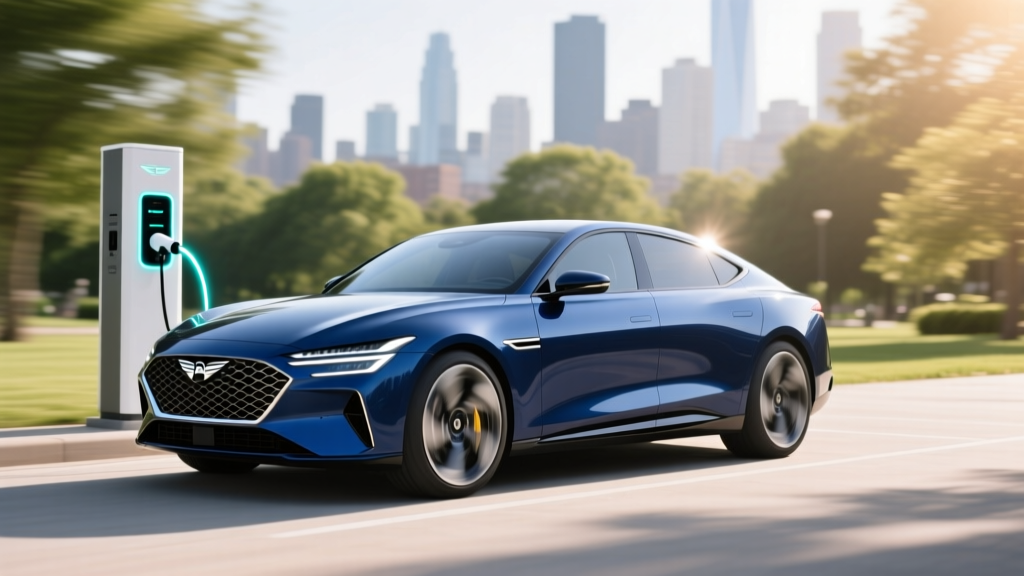
Genesis is not a single electric car — it is Hyundai's luxury brand, and as of 2026 it sells three fully electric (BEV) models alongside its gas and hybrid vehicles. The battery-electric lineup includes the GV60 (compact luxury SUV), Electrified GV70 (midsize luxury SUV), and Electrified G80 (full-size luxury sedan). All three use Hyundai's Electric-Global Modular Platform (E-GMP) with 800V architecture, enabling peak DC fast-charging speeds up to 240 kW. Genesis also continues to sell gas-powered and hybrid models, so "Genesis" alone does not guarantee an electric vehicle — you must look for the "Electrified" badge or the GV60 nameplate.
The 2026 Genesis EV Lineup: Specs at a Glance
Genesis has committed to an electrified future, but the transition is gradual. Below are the three models you can actually buy today as pure battery-electric vehicles, with EPA data and manufacturer specs.
| Spec | GV60 (Advanced AWD) | Electrified GV70 | Electrified G80 |
|---|---|---|---|
| EPA Range | 248 mi | 236 mi | 282 mi |
| Battery (usable) | 77.4 kWh (NMC) | 77.4 kWh (NMC) | 87.2 kWh (NMC) |
| Peak DC Charge Rate | ~240 kW | ~240 kW | ~240 kW |
| 10–80% DC Fast Charge | ~18 min | ~18 min | ~22 min |
| Level 2 Charge (10.9 kW) | ~7.25 hr | ~7.25 hr | ~8 hr |
| Horsepower | 314 hp (Boost: 429 hp) | 429 hp | 365 hp |
| 0–60 mph | 3.9 sec (Boost) | 4.2 sec | 4.9 sec |
| MPGe (combined) | 95 MPGe | 91 MPGe | 97 MPGe |
| Base MSRP | $53,350 | $67,450 | $80,300 |
| Battery Warranty | 10 yr / 100,000 mi | 10 yr / 100,000 mi | 10 yr / 100,000 mi |
Sources: fueleconomy.gov, Genesis USA press specifications.
Real-World Range: What the EPA Sticker Doesn't Tell You
The EPA numbers above are measured under controlled conditions. In actual ownership, your results will shift based on driving style, climate, and terrain.
Real-World Range Expectations
GV60 AWD: EPA 248 mi → Expect 210–225 mi on highway trips at 70+ mph; 170–195 mi in sub-freezing winter conditions.
Electrified GV70: EPA 236 mi → Expect 195–215 mi highway; 160–185 mi in cold weather. The GV70's boxier SUV profile creates more aero drag at speed.
Electrified G80: EPA 282 mi → Expect 245–260 mi highway; 210–230 mi in cold weather. The G80's larger 87.2 kWh pack gives it more buffer.
All three models use NMC (nickel manganese cobalt) battery chemistry, which offers high energy density but is more sensitive to extreme temperatures than LFP (lithium iron phosphate). Genesis equips these vehicles with active thermal management and a heat pump (standard on most trims), which helps mitigate cold-weather range loss but does not eliminate it. If you live in a region where temperatures routinely drop below 20°F, budget for 20–30% range reduction in winter.
Charging Speed: The 800V Advantage
Genesis's E-GMP platform uses an 800-volt electrical architecture — the same found in the Hyundai Ioniq 5 and Kia EV6. This enables peak DC fast-charging rates up to 240 kW when connected to a 350 kW charger (such as Electrify America's latest stations).
However, peak kW is not sustained kW. Here's what the actual charge curve looks like:
- 10–40% SoC: Near-peak 220–240 kW (fastest segment)
- 40–60% SoC: Tapers to ~175–200 kW
- 60–80% SoC: Further taper to ~120–150 kW
- 80–100% SoC: Sharp taper to ~50–70 kW (why you rarely charge past 80% on road trips)
The 10–80% time of approximately 18 minutes for the GV60 and GV70 is among the fastest in the luxury EV segment. For comparison, the BMW iX xDrive50 peaks at ~150 kW and takes roughly 31 minutes for 10–80%. This 800V advantage is a genuine ownership differentiator on road trips.
Connector note: As of the 2026 model year, Genesis EVs still ship with the CCS1 connector. Tesla's NACS connector is becoming the North American standard, and Genesis has announced future adoption, but current owners will need a CCS-to-NACS adapter to access Tesla Supercharger stalls. Verify adapter availability and compatibility before relying on this for travel.
Cost Breakdown: Genesis EV vs. Gas Equivalent
The upfront price of a Genesis EV is higher than its gas-powered counterpart, but operating costs tell a different story. Below is a 5-year total cost of ownership comparison between the Electrified GV70 and the gas-powered GV70 2.5T AWD.
| Cost Category (5 Years) | Electrified GV70 | GV70 2.5T AWD (Gas) |
|---|---|---|
| Base MSRP | $67,450 | $48,050 |
| Federal Tax Credit (§30D)* | –$0 to $7,500 | $0 |
| Fuel / Electricity (75,000 mi) | $3,800–$5,200 | $8,400–$10,200 |
| Maintenance (5 yr) | $1,200–$1,800 | $3,500–$4,500 |
| Insurance (5 yr avg) | $11,500–$14,000 | $9,500–$12,000 |
| Estimated Depreciation | $28,000–$33,000 | $18,000–$22,000 |
| Approx. 5-Yr Total | $83,000–$95,000 | $70,000–$82,000 |
*Federal tax credit caveat: Under current IRS §30D rules, eligibility for the up-to-$7,500 credit depends on battery critical-mineral sourcing, buyer income caps ($150K single / $300K joint AGI), and MSRP limits ($80,000 for SUVs, $55,000 for sedans). The Electrified G80 sedan exceeds the $55,000 MSRP cap and does not qualify. The Electrified GV70 may qualify for partial or full credit depending on your income and the battery sourcing of your specific build. Always verify current eligibility on IRS.gov and consult a tax professional.
Key takeaway: The Electrified GV70 saves roughly $3,000–$5,000 on fuel and $1,500–$2,500 on maintenance over 5 years, but the ~$19,400 MSRP gap (before any credit) and higher depreciation mean the gas GV70 still comes out ahead in pure cost terms for most buyers. The EV makes financial sense if you qualify for the full credit, have cheap home electricity, and plan to keep the vehicle beyond 5 years.
Genesis EV vs. Gas vs. Hybrid: Which Powertrain Fits?
| Factor | Genesis EV (GV60/GV70/G80) | Genesis Gas (2.5T / 3.5T) | Genesis Hybrid (GV80 Hybrid) |
|---|---|---|---|
| Upfront Price | $$$ | $ | $$ |
| Fuel Cost per Mile | $0.04–$0.07 (home) | $0.12–$0.16 | $0.09–$0.12 |
| Range (full tank/charge) | 195–282 mi | 350–420 mi | 380–440 mi |
| Refuel / Recharge Time | 18 min (10–80%) to 7+ hr | 5 min | 5 min |
| Maintenance Complexity | Low (no oil, fewer moving parts) | Higher (oil, filters, transmission) | Moderate |
| Cold-Weather Penalty | 20–30% range loss | Minimal | Minimal |
| Tax Credit Eligible | Possibly (see §30D rules) | No | No (unless PHEV variant) |
Common Misconceptions About Genesis EVs
| Myth | Fact |
|---|---|
| "Genesis only makes gas cars." | Genesis sells three fully electric models (GV60, Electrified GV70, Electrified G80) as of 2026, plus gas and hybrid options. |
| "Genesis EVs can't fast-charge." | All three use 800V architecture with peak rates up to 240 kW — among the fastest in the luxury segment. |
| "The Electrified GV70 has 300+ miles of range." | EPA-rated range is 236 miles. Some reviewers cite the longer WLTP figure (used in Europe), which is not comparable to US EPA testing. |
| "All Genesis EVs qualify for the $7,500 tax credit." | Eligibility depends on MSRP caps, buyer income, and battery sourcing. The Electrified G80 sedan exceeds the $55K sedan cap and is ineligible. |
| "Genesis EVs use Tesla's NACS plug." | As of 2026, Genesis EVs ship with CCS1. NACS adoption has been announced for future models but is not yet standard. |
First-Time EV Buyer Checklist: What to Know Before You Buy
1. Home Charging Access Is Non-Negotiable for Most Owners
Public DC fast charging is excellent for road trips, but daily EV ownership depends on home Level 2 charging. A 240V / 48-amp Level 2 home charger adds roughly 25–30 miles of range per hour and fully replenishes a GV60 overnight. Installation costs range from $500–$1,500 if your electrical panel has capacity, or $2,000–$4,500+ if you need a panel upgrade (200-amp service). Get a quote from a licensed electrician before purchasing.
2. Your Driving Pattern Determines Whether EV Makes Sense
If your daily commute is under 60 miles round-trip and you have home charging, a Genesis EV will cover your needs with range to spare. If you regularly drive 250+ miles in a single day, the ~200–250 mile real-world range of the GV60 and GV70 means you'll need to plan at least one DC fast-charge stop per trip.
3. Climate Matters More Than You Think
NMC batteries in Genesis EVs lose 20–30% of their range in sustained sub-freezing temperatures. The Electrified G80's 282-mile EPA range drops to roughly 210–230 real-world winter miles. If you live in Minnesota, Montana, or New England, this reduction is a daily reality from December through March — not a rare edge case.
4. Insurance Costs Are Higher
EV insurance premiums run 15–25% higher than equivalent gas vehicles due to higher repair costs (specialized body work, battery replacement risk). Budget an extra $300–$600/year. Shop quotes from multiple carriers before committing.
5. The Battery Warranty Is Strong
Genesis covers its EV batteries for 10 years or 100,000 miles against capacity loss below 70% of original. This is one of the longest battery warranties in the luxury segment and should ease long-term ownership concerns. NMC batteries typically degrade 1–2% per year under normal use; most owners will see 88–92% state-of-health at 100,000 miles.
Decision Framework: Should You Buy a Genesis EV?
Choose a Genesis EV If:
- You want luxury features (massaging seats, advanced ADAS, premium materials) with EV powertrain benefits
- You have reliable home Level 2 charging access
- Your daily driving is under 80 miles and you take road trips 3–5 times per year
- You value ultra-fast DC charging (800V / 240 kW) for road-trip convenience
- You qualify for partial or full §30D tax credit on the GV60 or Electrified GV70
Choose the Gas or Hybrid Genesis Instead If:
- You lack home charging and public charging infrastructure in your area is sparse
- You routinely drive 300+ miles in a day without time for a 20-minute charge stop
- You live in a region with extreme cold (sustained below 10°F) and have range-critical commutes
- Upfront budget is tight and you cannot absorb the $15,000–$30,000 price premium over gas models
- You plan to keep the vehicle 3 years or fewer (higher EV depreciation hurts short-term ownership)
Frequently Asked Questions
Is Genesis a fully electric brand?
No. Genesis sells electric, hybrid, and gas-powered vehicles. The brand has stated it intends to go fully electric by 2030, but as of 2026, gas and hybrid models remain a significant part of the lineup.
Which Genesis EV has the longest range?
The Electrified G80 sedan, with an EPA-estimated 282 miles thanks to its larger 87.2 kWh battery pack and more aerodynamic sedan body. The GV60 is rated at 248 miles and the Electrified GV70 at 236 miles.
Can I charge a Genesis EV at a Tesla Supercharger?
Not natively. Current Genesis EVs use the CCS1 connector. Tesla has begun opening some Supercharger stalls to non-Tesla EVs via the Magic Dock (built-in CCS adapter) at select locations, and a CCS-to-NACS adapter may become available. Check Tesla's Supercharger compatibility map for your area before planning a trip around this.
How long does a Genesis EV battery last?
Genesis warranties its EV batteries for 10 years / 100,000 miles with a 70% capacity retention threshold. Based on NMC degradation data from Hyundai Motor Group's E-GMP vehicles, most batteries retain 88–92% capacity at 100,000 miles under normal charging habits (avoiding frequent 100% charges and DC fast-charging exclusively).
Does the Genesis GV60 qualify for the federal tax credit?
Possibly. The GV60's base MSRP of $53,350 falls under the $80,000 SUV cap. Eligibility then depends on your adjusted gross income (must be under $150K single / $300K joint) and whether the specific vehicle's battery meets critical-mineral and battery-component sourcing requirements. Verify on fueleconomy.gov before purchasing, as sourcing requirements tighten annually.
What is the difference between kW and kWh?
kW (kilowatts) measures power — the rate at which energy flows. A 240 kW charger delivers energy quickly. kWh (kilowatt-hours) measures energy capacity — how much the battery holds. A 77.4 kWh battery stores enough energy for roughly 200–248 miles of driving depending on the vehicle. Think of kW as the width of a hose and kWh as the size of the bucket.