Why Tesla Model Y Insurance Costs More Than Average — and What You Can Do About It
If you've searched "insure Tesla Model Y" and winced at the quotes, you're not alone. The Tesla Model Y remains one of the most popular EVs in America, but its insurance premiums consistently run 30–50% higher than comparable gas-powered crossovers. In 2026, the average annual premium for a Model Y sits between $2,400 and $3,600 depending on trim, location, and driving history — well above the national auto insurance average of roughly $1,700.
But insurance cost is just one part of the ownership equation. The Model Y's low running costs, minimal maintenance, and potential federal tax credit savings can offset higher premiums over time. This guide breaks down exactly what it costs to insure a Tesla Model Y, why rates vary so dramatically, and whether the total ownership math still makes sense. We'll also cover the 2026 Model Y's full spec sheet — range, charging, performance, and tech — so you can evaluate the complete picture before signing a policy or a purchase agreement.
2026 Tesla Model Y: The Essential Spec Sheet
| Specification | Long Range RWD | Long Range AWD | Performance |
|---|---|---|---|
| Base MSRP | $44,990 | $47,990 | $52,490 |
| EPA Range | 320 mi | 310 mi | 290 mi |
| Battery Capacity (usable) | ~75 kWh, LFP | ~75 kWh, NMC | ~75 kWh, NMC |
| Efficiency | 123 MPGe / 27 kWh/100mi | 120 MPGe / 28 kWh/100mi | 115 MPGe / 29 kWh/100mi |
| 0–60 mph | 5.8 sec | 4.8 sec | 3.5 sec |
| Horsepower | 295 hp | 384 hp | 456 hp |
| Drivetrain | RWD (single motor) | AWD (dual motor) | AWD (dual motor) |
| Max DC Fast Charge | 170 kW | 250 kW | 250 kW |
| 10–80% DC Charge Time | ~28 min | ~20 min | ~20 min |
| Level 2 Home Charge Rate | 11.5 kW (~44 mi/hr) | 11.5 kW (~44 mi/hr) | 11.5 kW (~44 mi/hr) |
| Cargo Volume (rear seats up) | 30.2 cu ft (76.2 cu ft max) | ||
| Rear Legroom | 40.5 in | ||
| Battery Warranty | 8 years / 120,000 miles (70% retention) | ||
| Basic Vehicle Warranty | 4 years / 50,000 miles | ||
Source: fueleconomy.gov and Tesla.com. Specs reflect 2026 model year.
Real-World Range: What the EPA Sticker Doesn't Tell You
EPA Estimate: 310–320 miles (Long Range trims)
Real-World Highway (70 mph): Expect ~260–280 miles
Real-World Cold Weather (below 32°F): Expect ~220–250 miles
Combined Mixed Driving: ~280–300 miles in mild conditions
The Model Y's EPA range figures are achievable under ideal conditions — moderate temperatures, city-heavy driving with regenerative braking, and speeds below 65 mph. On sustained highway trips at 75+ mph, aerodynamic drag reduces range by roughly 12–18%. Cold weather compounds this: LFP batteries in the RWD trim are more susceptible to low-temperature range loss than NMC packs, sometimes shedding 25–30% of rated range in sub-freezing conditions.
Tesla's heat pump (standard on all 2026 Model Y trims) helps mitigate cabin heating energy draw, but battery chemistry still dominates cold-weather efficiency. If you live in northern climates and commute more than 80 miles round-trip, the AWD Long Range with NMC chemistry is the safer bet for winter usability.
For charging-curve context: the 250 kW peak on AWD and Performance trims is a brief spike. Sustained charging from 10–50% SoC averages closer to 180–200 kW, then tapers significantly above 80%. Plan your road-trip stops around the 10–80% window for maximum time efficiency.
How Much Does It Cost to Insure a Tesla Model Y?
Tesla Model Y insurance premiums are driven by several factors specific to EVs and to Tesla's repair ecosystem. Here's a breakdown of what insurers are pricing in for 2026:
| Factor | Impact on Premium |
|---|---|
| Higher repair costs (aluminum body, integrated battery pack) | +20–35% vs. gas crossover |
| Tesla's limited certified body-shop network | Longer repair times → higher rental claims |
| Advanced tech (cameras, sensors, glass roof) | Higher glass and sensor replacement costs |
| Strong safety ratings (IIHS Top Safety Pick+) | Discount factor: −5–10% |
| High theft desirability | Modest premium increase in metro areas |
| Tesla Insurance (where available) | Can be 10–20% lower in select states |
State-by-state variability is enormous. A clean-record driver in Ohio might pay $1,900/year for a Long Range AWD, while the same driver in Florida or Michigan could see quotes above $3,800. Urban density, state tort laws, and local weather risk (hail, flooding) all play a role.
Tesla Insurance vs. Third-Party Insurers
Tesla offers its own insurance product in many states, using real-time driving data from the vehicle's telemetry to calculate a "Safety Score" that adjusts your monthly premium. Drivers who score well (few hard-braking events, consistent turn-signal use, no aggressive cornering) can see meaningful discounts. However, Tesla Insurance is not available everywhere, and its claims-processing reputation has been mixed — some owners report slow resolution times compared to established carriers like Geico, State Farm, or Progressive.
Practical tip: Always compare Tesla's quote against at least two traditional insurers. Some carriers now offer specific EV discounts (up to 10%) that narrow the gap. Bundling with homeowners insurance can save an additional 5–15%.
Federal Tax Credit & Total Purchase Cost in 2026
The Model Y's sticker price is only part of the equation. Under IRS §30D rules for 2026, the Tesla Model Y may qualify for up to $7,500 in federal tax credits, but eligibility depends on several conditions that change frequently.
| §30D Requirement | 2026 Rule |
|---|---|
| MSRP Cap (SUVs/trucks) | ≤ $80,000 — Model Y qualifies on all trims |
| Buyer Income Cap (AGI) | ≤ $300,000 (married joint) / $225,000 (head of household) / $150,000 (single) |
| Battery Component Sourcing | Must meet North American assembly thresholds — verify current-year compliance on IRS qualified vehicle list |
| Critical Minerals Requirement | Percentage thresholds increase annually — check latest IRS guidance |
| Point-of-Sale Transfer | Allowed — you can apply the credit as a down-payment reduction at the dealer |
Important: Battery sourcing and critical-mineral rules tighten each year. A trim that qualifies in January 2026 may not in June if Tesla shifts cell suppliers. Always confirm eligibility on irs.gov or consult a tax professional before relying on the credit in your purchase math.
With the full $7,500 credit, a Long Range RWD at $44,990 drops to an effective $37,490 — competitive with a well-equipped Toyota RAV4 Hybrid when you factor in fuel and maintenance savings over five years.
Charging Speed: DC Fast Charging and Home Setup
| Charging Level | Power | Speed (miles added) | Typical Use Case |
|---|---|---|---|
| Level 1 (120V outlet) | ~1.4 kW | ~4–5 mi/hr | Overnight trickle, emergency top-up |
| Level 2 (240V home) | 11.5 kW max | ~44 mi/hr | Daily home charging — 0–100% in ~7 hours |
| DC Fast Charge (Supercharger) | Up to 250 kW (AWD/Perf) | ~1,000 mi/hr peak | Road trips — 10–80% in ~20 min |
| DC Fast Charge (RWD) | Up to 170 kW | ~700 mi/hr peak | Road trips — 10–80% in ~28 min |
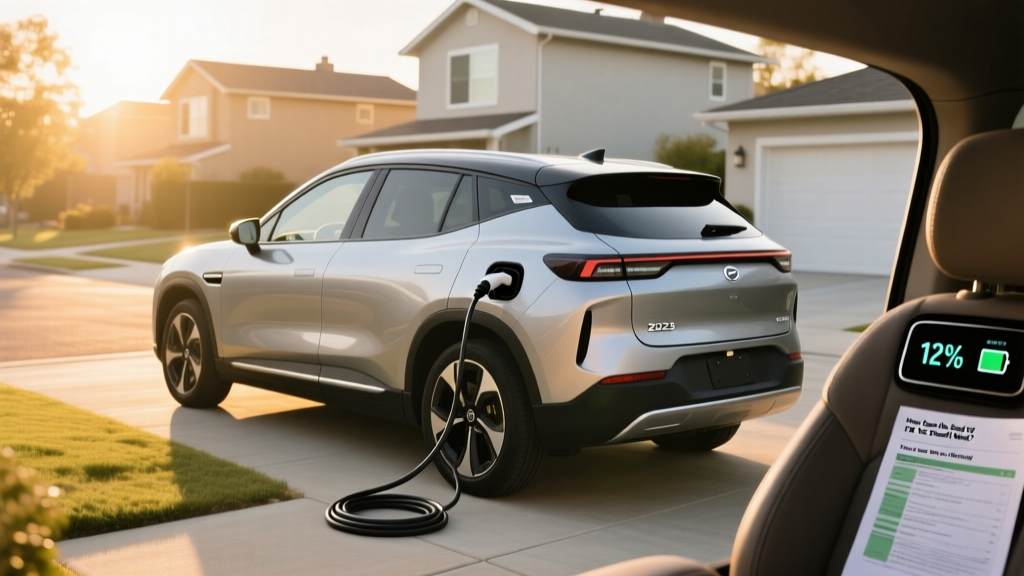
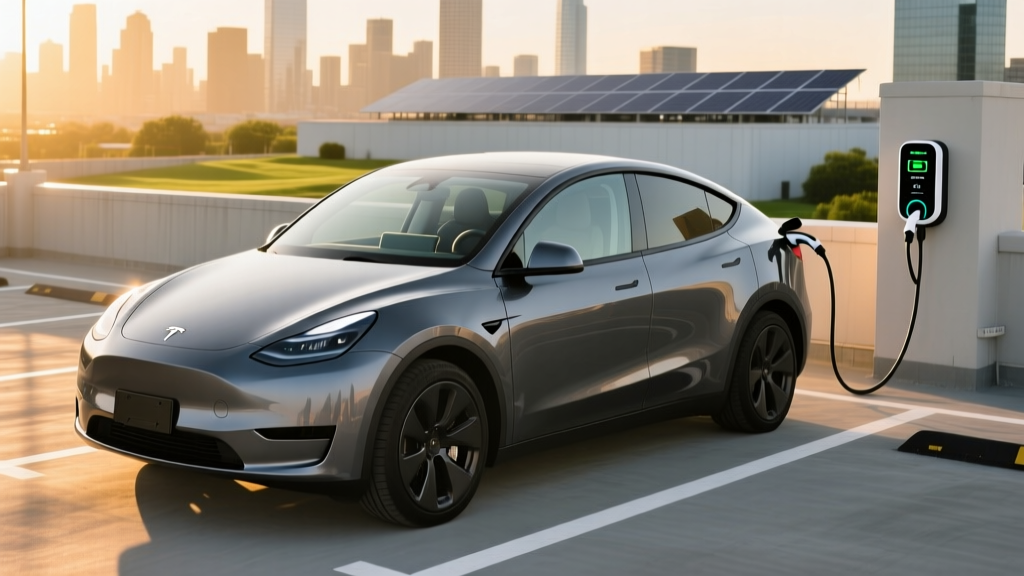
Home Level 2 charging requires a 240V circuit — typically a NEMA 14-50 outlet or a hardwired Tesla Wall Connector. Installation costs range from $500–$2,000 depending on panel proximity and whether your electrical panel needs an upgrade to 200A. Tesla's Wall Connector retails around $425 and delivers up to 44 miles of range per hour of charging.
On the road, Tesla's Supercharger network remains the gold standard for reliability and coverage, with over 6,000 stalls in North America. The 2026 Model Y uses the NACS connector natively, and with Tesla opening Superchargers to other brands, expect more stalls to be occupied by non-Tesla EVs during peak travel times.
Standout Tech, Driver Assists, and Notable Drawbacks
The Model Y's cabin is defined by its minimalist approach: a single 15.4-inch touchscreen handles virtually every function — climate, navigation, media, and vehicle settings. There is no instrument cluster, no physical buttons for HVAC, and no Apple CarPlay or Android Auto. For some buyers this is refreshingly simple; for others, it's a dealbreaker.
Driver-Assist Systems
All 2026 Model Y trims include Tesla's Basic Autopilot (adaptive cruise control + lane centering) as standard. This is an SAE Level 2 system — meaning the driver must remain fully engaged, hands on the wheel, and eyes on the road at all times.
Tesla Autopilot and Full Self-Driving (Supervised) are SAE Level 2 driver-assist systems. They do NOT make the vehicle self-driving. The driver is legally and practically responsible for all vehicle operation at all times. True Level 4 driverless capability (like Waymo's robotaxi service) is not available in any consumer Tesla vehicle.
The optional Full Self-Driving (Supervised) package ($8,000 or $99/month) adds automatic lane changes, traffic-light recognition, and navigate-on-autopilot for highway ramps. It's impressive on well-marked freeways but struggles with construction zones, faded lane markings, and complex urban intersections. Most owners find it useful for reducing fatigue on long highway drives rather than replacing active driving.
Key Drawbacks
- Ride quality: The Model Y's suspension is firm. On rough pavement, road imperfections transmit into the cabin more than in a Hyundai Ioniq 5 or Ford Mustang Mach-E.
- No CarPlay/Android Auto: Tesla's proprietary infotainment is capable but closed. If you rely on phone integration, this is a real limitation.
- Panel gap inconsistency: Build quality has improved, but some 2026 examples still show minor panel alignment variations — cosmetic only, but noticeable at this price point.
- LFP cold-weather limitation: The RWD trim's LFP battery charges more slowly in cold temperatures and loses more range than NMC. Preconditioning helps but doesn't eliminate the gap.
Pros and Cons at a Glance
✅ Pros
- Class-leading Supercharger network access
- Spacious cargo area (76.2 cu ft max) with front trunk
- Excellent efficiency (120–123 MPGe)
- Strong safety ratings — IIHS Top Safety Pick+
- Over-the-air updates continuously add features
- Low maintenance costs (no oil changes, minimal brake wear)
❌ Cons
- Insurance premiums 30–50% above average
- Firm ride quality on rough roads
- No Apple CarPlay or Android Auto
- FSD package is expensive and still Level 2
- LFP battery in RWD loses more range in cold weather
- Repair network still limited vs. legacy brands
Who Should Buy the 2026 Tesla Model Y?
Choose the Model Y if:
- You have home Level 2 charging access and a daily commute under 100 miles round-trip
- You take 3–5 road trips per year and want reliable DC fast-charging infrastructure
- You value cargo space (growing family, gear-heavy hobbies) in a midsize EV crossover
- You want over-the-air feature updates and a tech-forward cabin experience
- You qualify for the §30D tax credit, bringing effective cost below $40,000
Look elsewhere if:
- Insurance costs in your state push total ownership above your budget (get quotes before buying)
- You need Apple CarPlay or prefer physical buttons for climate/media
- You live in a cold climate without garage parking and want maximum winter range (consider NMC AWD or a competitor like the Ioniq 5 with its heat pump and 800V architecture)
- You prefer a softer, more traditional ride quality
Model Y vs. Key Competitors: Quick Comparison
| Attribute | Tesla Model Y LR AWD | Hyundai Ioniq 5 Limited AWD | Ford Mustang Mach-E Premium AWD |
|---|---|---|---|
| Base MSRP | $47,990 | $53,100 | $50,975 |
| EPA Range | 310 mi | 290 mi | 300 mi |
| Max DC Charge | 250 kW | 350 kW (800V) | 150 kW |
| 10–80% Time | ~20 min | ~18 min | ~35 min |
| 0–60 mph | 4.8 sec | 5.1 sec | 5.1 sec |
| Cargo (rear up) | 30.2 cu ft | 27.2 cu ft | 29.7 cu ft |
| CarPlay / Android Auto | No | Yes | Yes |
| Avg. Annual Insurance | $2,800–$3,400 | $2,100–$2,700 | $2,200–$2,800 |
The Model Y wins on Supercharger access, cargo space, and efficiency. The Ioniq 5 wins on charging speed (800V architecture), CarPlay, and ride comfort. The Mach-E offers the most conventional driving feel but lags on DC charging speed. Insurance costs are the Model Y's consistent disadvantage across all three.
Frequently Asked Questions
How much does it cost to insure a Tesla Model Y per month?
Most drivers pay between $200 and $300 per month, though quotes range from $160 (clean record, low-risk state) to over $400 (young driver, metro area, Performance trim). Get quotes from at least three insurers before committing.
Does the Tesla Model Y qualify for the $7,500 federal tax credit in 2026?
It may, but eligibility depends on current battery-sourcing rules, your income (AGI caps apply), and whether the specific VIN meets IRS critical-mineral thresholds. Check the IRS qualified vehicle list before purchasing. Point-of-sale transfer is available if eligible.
What is the real-world range of the Tesla Model Y on a road trip?
Expect 260–280 miles at highway speeds (70–75 mph) in mild weather. In cold conditions (below 32°F), plan for 220–250 miles. The EPA sticker of 310–320 miles assumes mixed driving at moderate temperatures.
Is Tesla Insurance cheaper than other providers?
In states where it's available, Tesla Insurance can be 10–20% cheaper for drivers with high Safety Scores. However, claims processing has received mixed reviews. Always compare against at least two traditional carriers.
How long does the Model Y battery last?
Tesla warranties the battery for 8 years or 120,000 miles (whichever comes first) with a minimum 70% capacity retention. Real-world degradation data from high-mileage owners suggests most Model Y packs retain 85–90% capacity at 100,000 miles with normal charging habits (avoiding frequent 100% charges on NMC packs).
Is the Model Y worth buying over the Ioniq 5 or Mach-E?
If Supercharger reliability and cargo space are your top priorities, yes. If you value CarPlay, a softer ride, or lower insurance costs, the Ioniq 5 or Mach-E may serve you better. Total cost of ownership over 5 years is competitive across all three once you factor in fuel savings and tax credits — insurance is where the Model Y gives back some of its advantage.