Quick Answer: Can You Buy the Infiniti QX Inspiration?
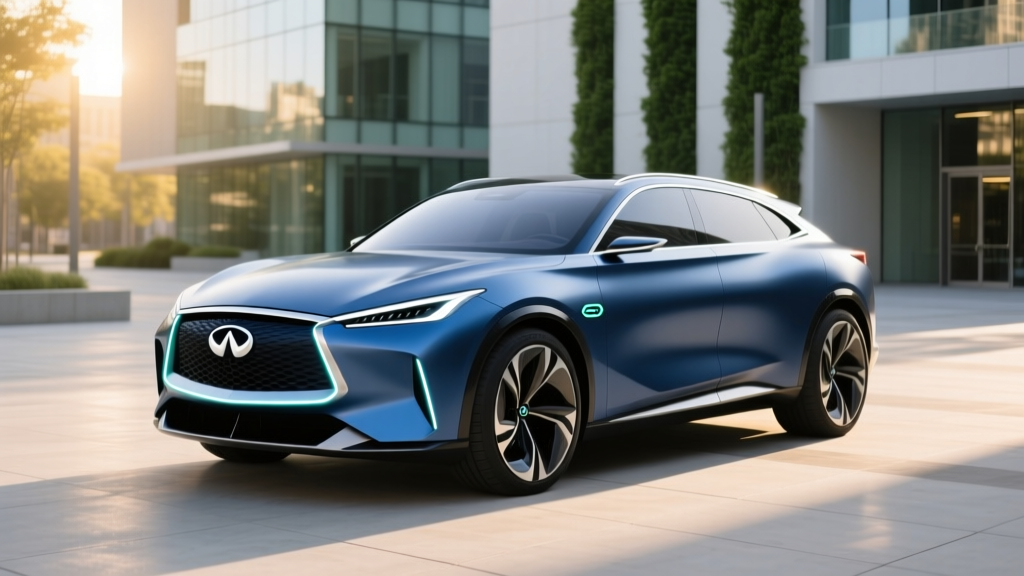
As of 2026, the Infiniti QX Inspiration is not available for sale as a production vehicle. Originally unveiled as a concept in 2019, Infiniti's electric SUV plans have been repeatedly delayed and restructured under parent company Nissan's evolving EV strategy. If you're searching for an Infiniti electric QX Inspiration for sale, you won't find one at any dealership. However, Infiniti has confirmed an electrified crossover is in development for the U.S. market, expected to share the Nissan Group's CMF-EV platform. Below, we break down what's known, what alternatives exist, and the real costs of stepping into a luxury electric SUV today.
What Happened to the Infiniti QX Inspiration?
The QX Inspiration debuted at the 2019 North American International Auto Show as a mid-size electric SUV concept with angular styling, a lounge-like interior, and a dual-motor all-wheel-drive layout. At the time, Infiniti pledged to electrify its entire lineup by the early 2020s. That timeline has not materialized.
Nissan's broader EV strategy — outlined in its Ambition 2030 plan — includes 19 new EVs by 2030, with Infiniti positioned to receive several of those models. The production successor to the QX Inspiration concept is expected to arrive as a mid-size electric crossover, likely wearing a QX badge, but final naming, specs, and timing remain unconfirmed by the manufacturer.
What this means for buyers: Any listing claiming to sell an "Infiniti QX Inspiration" is either referencing the concept (not a purchasable vehicle) or is a scam. No VIN, no production units, no dealer inventory exists.
Luxury Electric SUV Alternatives You Can Actually Buy in 2026
If you were drawn to the QX Inspiration's promise of a Japanese luxury electric SUV with around 300 miles of range, here are the closest production alternatives currently available, with real specs:
| Model | EPA Range | Battery (kWh) | Peak DC Charge (kW) | 10–80% Time | 0–60 mph | Base MSRP |
|---|---|---|---|---|---|---|
| Genesis GV60 (AWD) | 264 mi | 77.4 (NMC) | 233 kW | ~18 min | 5.5 sec | $53,350 |
| Cadillac Lyriq (AWD) | 307 mi | 102 (NMC) | 190 kW | ~28 min | 5.0 sec | $62,695 |
| BMW iX xDrive50 | 324 mi | 111.5 (NMC) | 200 kW | ~31 min | 4.6 sec | $87,250 |
| Tesla Model Y Long Range | 320 mi | 75 (NMC) | 250 kW | ~15 min | 4.8 sec | $48,990 |
| Acura ZDX (A-Spec AWD) | 278 mi | 102 (NMC) | 190 kW | ~28 min | 5.7 sec | $64,500 |
Source: fueleconomy.gov and manufacturer press sites. All figures are EPA estimates for 2025–2026 model years where available. Real-world highway range typically runs 10–15% below EPA; cold-weather (below 32°F) can reduce range by 20–30%.
Real-World Range Reality Check: A luxury electric SUV with an EPA rating of ~300 miles will typically deliver 255–275 miles on a 70°F highway drive at 70 mph. In freezing temperatures with cabin heat active, expect 210–240 miles. Plan road trips around the lower figure.
Cost Breakdown: What a Luxury Electric SUV Actually Costs to Own
Whether you're waiting for Infiniti's eventual electric SUV or choosing an alternative now, the ownership math for this segment looks like this over 5 years and 60,000 miles:
| Cost Category | Luxury EV SUV (~$60K) | Luxury Gas SUV (~$55K) | Luxury Hybrid SUV (~$58K) |
|---|---|---|---|
| Purchase Price (before incentives) | $60,000 | $55,000 | $58,000 |
| Federal Tax Credit (§30D) | $0–$7,500* | $0 | $0–$7,500* (PHEV) |
| Fuel/Energy (5 yr / 60K mi) | $4,200–$5,400 | $9,000–$11,000 | $5,500–$7,000 |
| Maintenance (5 yr) | $1,200–$1,800 | $3,500–$5,000 | $2,800–$3,800 |
| Insurance (5 yr avg) | $9,500–$12,000 | $7,500–$9,500 | $8,000–$10,000 |
| Home Charger Install (Level 2) | $500–$2,000 | $0 | $500–$2,000 (PHEV) |
| Estimated 5-Year Total | $67,400–$81,700 | $75,000–$80,500 | $66,800–$81,300 |
*Federal §30D tax credit eligibility depends on battery sourcing, critical mineral content, buyer income caps ($150K single / $300K joint), and MSRP caps ($80K for SUVs). Check current rules at IRS.gov. Many luxury EVs lose partial or full credit eligibility due to sourcing requirements.
Energy cost assumptions: EV at $0.14/kWh national average (home charging) and $0.35/kWh (public DC fast charging), assuming 80/20 split. Gas SUV at 22 MPG combined, $3.40/gallon. Electricity costs vary dramatically — California averages $0.28/kWh while the Southeast runs closer to $0.11/kWh.
What First-Time EV Buyers Must Know Before Shopping
If the QX Inspiration search is your entry point into EVs, here are the non-obvious realities that spec sheets don't highlight:
Home Charging Is the Real Infrastructure
Over 80% of EV charging happens at home. A Level 2 home charger (240V, 32–48 amps) adds 25–37 miles of range per hour and costs $500–$2,000 installed, depending on whether your electrical panel needs a 200-amp upgrade (common in older homes). Without home charging, daily EV ownership becomes significantly less convenient — plan for public charger access or a PHEV instead.
Charging Speed Isn't Just the Peak kW Number
A vehicle that advertises "250 kW peak charging" does not sustain that rate. Lithium-ion batteries taper charge speed as State of Charge (SoC) rises to protect the cells. A realistic metric is the 10–80% charge time. For a 100 kWh battery at 200 kW peak, expect roughly 28–35 minutes for a 10–80% session on a functioning 350 kW charger. Add 5–10 minutes for connector quirks, payment screens, and preconditioning.
Preconditioning Matters More Than You Think
Most EVs need to warm their battery pack before accepting peak DC charge rates. If you navigate to a fast charger via the car's built-in route planner, it will typically precondition the battery en route. Drive to a charger without preconditioning, and your first 10 minutes may trickle at 30–50 kW instead of the rated peak.
Battery Chemistry Affects Your Ownership
Luxury EVs in this segment almost exclusively use NMC (nickel manganese cobalt) chemistry for higher energy density. NMC batteries generally perform best when kept between 20–80% SoC for daily use. LFP (lithium iron phosphate) chemistry, found in some Tesla and Ford models, tolerates 100% daily charging but sacrifices some energy density and cold-weather performance.
Common Misconceptions About Luxury Electric SUVs
| Myth | Fact |
|---|---|
| "The battery will need replacement in 5 years." | NMC batteries in modern liquid-cooled packs degrade roughly 8–12% over 100,000 miles. Federal law mandates an 8-year/100,000-mile battery warranty (10 years in CARB states). Full replacements cost $12,000–$22,000 but are rarely needed within the warranty period. |
| "EVs cost more to insure, always." | EV insurance premiums run 15–25% higher on average, but vary by model, driver profile, and state. Shop quotes from GEICO, State Farm, and EV-specialty carriers before buying. |
| "I'll get the full $7,500 tax credit." | As of 2026, very few vehicles qualify for the full $7,500 due to battery component and critical mineral sourcing rules under §30D. Many luxury EVs qualify for $0–$3,750 or none at all. The credit can now be transferred at point of sale to reduce your purchase price directly. Verify eligibility per vehicle at fueleconomy.gov. |
| "Public charging is unreliable everywhere." | Reliability varies enormously by network. Tesla Superchargers average 98%+ uptime. Electrify America and EVgo have improved but still experience 5–15% failure rates at some stations. Apps like PlugShare show real-time user reports. |
| "An electric SUV can't tow." | Many luxury electric SUVs tow 3,500–5,000 lbs. However, towing at capacity can cut range by 40–50%. Plan accordingly. |
Decision Framework: Should You Wait or Buy Now?
Choose to WAIT for Infiniti's production electric SUV if:
- You are committed to the Infiniti brand and dealer relationship
- Your current vehicle has 2+ years of useful life remaining
- You want Japanese luxury brand resale and service infrastructure
- You're comfortable with no confirmed timeline, specs, or pricing
Choose to BUY an available luxury electric SUV now if:
- You need a vehicle within 6 months
- You want known EPA range, verified charging speeds, and established reliability data
- You can install a Level 2 charger at home
- You want to lock in current §30D credit eligibility before rules change further
Choose a PHEV (plug-in hybrid) instead if:
- You lack reliable home or workplace charging
- You frequently drive 300+ miles in rural areas with sparse DC fast charging
- You want electric-only commuting (25–40 miles) with gas flexibility for road trips
- Cold-weather range loss is a major concern (below 20°F winters)
What We Know About Infiniti's Upcoming Electric SUV (Preliminary)
Based on Nissan's Ambition 2030 disclosures and industry reporting, the production electric SUV expected to succeed the QX Inspiration concept will likely feature:
- Platform: CMF-EV (shared with Nissan Ariya, potentially stretched)
- Drivetrain: Dual-motor e-4ORCE AWD (confirmed for future Infiniti EVs)
- Estimated range: 280–320 miles EPA (preliminary, based on platform capability)
- Estimated battery: 87–100 kWh NMC (preliminary)
- Estimated 0–60: 4.5–5.5 seconds (preliminary)
- Estimated MSRP: $55,000–$70,000 (preliminary, based on segment positioning)
- Estimated availability: 2027–2028 model year (unconfirmed)
Important caveat: These are analyst estimates based on platform capabilities and brand positioning, not manufacturer-confirmed specifications. Nissan has restructured its EV timeline multiple times. Until Infiniti publishes official specs and opens reservations, treat all figures as speculative.
FAQ
Is the Infiniti QX Inspiration available to buy in 2026?
No. The QX Inspiration remains a concept vehicle shown in 2019. No production version is currently for sale. Infiniti has confirmed future electric models are in development, but no specific model name, specs, or launch date has been announced for the U.S. market.
What is the closest alternative to the Infiniti QX Inspiration?
The Genesis GV60 and Cadillac Lyriq are the closest in concept — luxury mid-size electric SUVs with premium interiors and 260–310 miles of EPA range. The Acura ZDX, built on GM's Ultium platform, is the closest Japanese-brand-adjacent option at a similar price point.
Will Infiniti's future electric SUV qualify for the federal tax credit?
It's too early to confirm. §30D eligibility depends on where battery components and critical minerals are sourced, plus MSRP and buyer income caps. Japanese-manufactured EVs have faced challenges meeting North American sourcing requirements. Check IRS.gov closer to launch for confirmed eligibility.
How much does it cost to charge a luxury electric SUV at home?
Charging a 90 kWh battery from 10–80% at the national average of $0.14/kWh costs roughly $8.82, providing about 210–250 real-world miles. That's equivalent to about $0.035–$0.042 per mile — roughly one-third the per-mile fuel cost of a comparable gas SUV at $3.40/gallon.
Should I wait for Infiniti's EV or buy something now?
If you need a vehicle within 6 months and have home charging access, buying a proven luxury EV now (GV60, Lyriq, iX, Model Y) gives you known specs, verified reliability, and current incentive eligibility. Waiting for Infiniti means an uncertain timeline with no guaranteed specs or pricing — only proceed if brand loyalty is your top priority and your current car has runway.