Quick Answer: What Does Going Independent EV Actually Mean?
Becoming an independent EV owner means powering your daily driving with electricity instead of gasoline — typically charging at home and relying on public DC fast-charging networks for road trips. In 2026, the average EV driver pays $0.04–$0.06 per mile for home charging versus $0.12–$0.15 per mile for gasoline at $3.40/gallon in a 25 MPG vehicle. Over 15,000 miles per year, that translates to roughly $900–$1,350 in annual fuel savings. The catch: you need access to Level 2 home charging (a $500–$2,500 installation depending on your electrical panel), and real-world highway range is typically 15–20% below the EPA sticker in cold weather. Federal tax credits under IRS §30D can reduce purchase cost by up to $7,500, but eligibility depends on MSRP caps, buyer income, and battery-sourcing requirements.
The True Cost of Independent EV Ownership in 2026
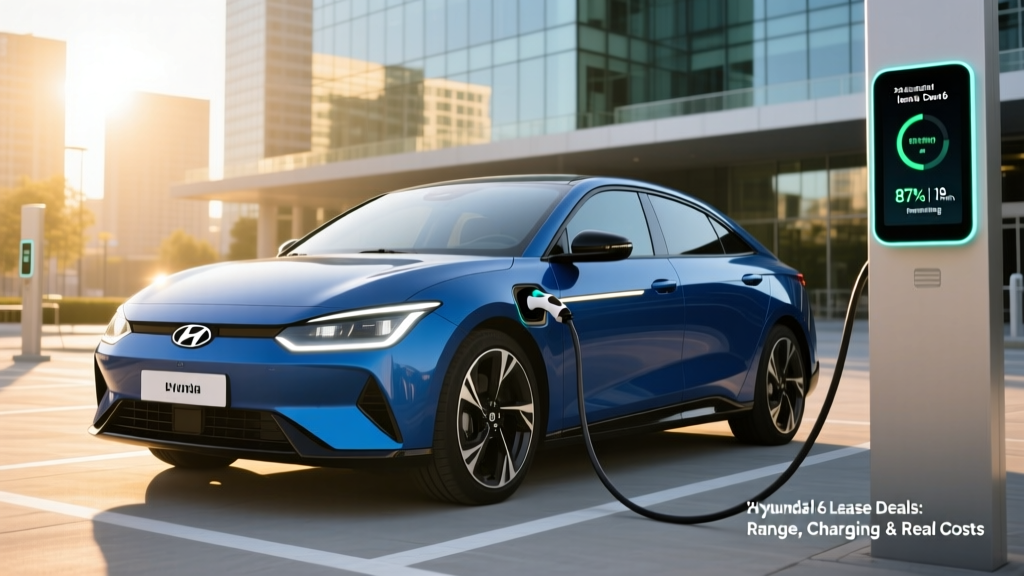
Let's break down what an independent EV actually costs over five years, using the 2026 Hyundai Ioniq 5 SEL (one of the most popular mid-size EVs) compared against the 2026 Toyota Camry LE (25/34 MPG EPA, ~29 combined) as a baseline gas car. Both are driven 15,000 miles per year.
| Cost Category | 2026 Ioniq 5 SEL (EV) | 2026 Camry LE (Gas) | Difference |
|---|---|---|---|
| Base MSRP | $42,600 | $28,855 | +$13,745 |
| Federal Tax Credit (§30D) | -$7,500* | $0 | |
| Effective Purchase Price | $35,100 | $28,855 | +$6,245 |
| Home Charger Install (Level 2) | $1,200 | $0 | +$1,200 |
| 5-Year Fuel/Energy Cost | $3,750 (home @ $0.14/kWh) | $9,000 (gas @ $3.40/gal) | -$5,250 |
| 5-Year Maintenance | $1,800 | $3,500 | -$1,700 |
| 5-Year Insurance (avg) | $9,500 | $7,200 | +$2,300 |
| Estimated Depreciation (5yr) | $17,550 (50%) | $12,985 (45%) | +$4,565 |
| 5-Year Total | $68,900 | $61,540 | +$7,360 |
*§30D credit eligibility depends on modified adjusted gross income (≤$150K single / ≤$300K joint), MSRP caps ($55K for sedans, $80K for SUVs/trucks), and battery critical-mineral and component sourcing rules. Verify at IRS.gov. Credit can be transferred to the dealer at point of sale as an instant discount.
The EV still costs more over five years in this comparison, primarily due to higher insurance premiums and depreciation. But the gap narrows significantly when you factor in state rebates, HOV lane access, and rising gasoline prices. If gas hits $4.00/gallon, the fuel savings alone jump to $7,200 over five years.
Range, Charging & the Real-World Numbers
The EPA rates the 2026 Ioniq 5 SEL (Standard Range, 63.0 kWh LFP battery) at 245 miles, while the Long Range AWD model (84.0 kWh NMC, 320 hp) earns an EPA estimate of 290 miles. But here's what the sticker doesn't tell you:
Real-World Range Expectations
- City/suburban, mild weather: 260–300 mi (Long Range) — often exceeds EPA thanks to regenerative braking
- Highway at 70+ mph: 220–250 mi — aerodynamic drag cuts efficiency by ~15%
- Cold weather (below 30°F): 170–210 mi — battery chemistry and cabin heating reduce range 20–35%
- DC fast charging: Peaks at 240 kW on Long Range model, 10–80% in approximately 18 minutes (with preconditioning). Expect 30–40 minutes without battery preconditioning.
For most independent EV owners driving under 40 miles round-trip daily, home Level 2 charging is the only charging you'll ever need. A Level 2 charger delivering 11.5 kW (48-amp circuit) adds roughly 44 miles of range per hour of charging, which means a full overnight charge is trivial.
| Method | Power/Rate | Miles Added | Time for 200 Miles |
|---|---|---|---|
| Level 1 (120V outlet) | 1.4 kW | ~4 mi/hr | ~50 hours |
| Level 2 (240V home) | 7.7–11.5 kW | 28–44 mi/hr | 5–7 hours |
| DC Fast Charge | 150–350 kW peak | ~500–1,000 mi/hr (peak) | ~20–30 min (10–80%) |
| Gas Station | N/A | ~400 mi in 5 min | 5 minutes |
The key insight for independent EV ownership: kW is power (how fast energy flows), and kWh is energy (how much the battery stores). An 84 kWh battery at a 240 kW charger will not fill in 21 minutes because the charge curve tapers significantly above 80% state of charge. Peak rates only hold between roughly 10–50% SoC.
EV vs. Gas vs. Hybrid: Which Fits Your Life?
Not every driver is a good candidate for a fully independent EV lifestyle. Here's an honest comparison against the alternatives, using the Ioniq 5, the Toyota Camry Hybrid (51/44 MPG EPA, 48 combined), and the gas Camry as benchmarks.
| Vehicle | EPA Rating | Annual Fuel Cost (15K mi) | CO₂ (tons/yr) |
|---|---|---|---|
| Ioniq 5 SEL (EV) | 114 MPGe (27 kWh/100mi) | $630 (home @ $0.14/kWh) | 1.8* |
| Camry Hybrid LE | 51/44/48 MPG | $1,063 | 3.6 |
| Camry LE (Gas) | 25/34/29 MPG | $1,759 | 5.9 |
*EV emissions depend on your local electricity grid mix. See fueleconomy.gov for upstream emissions by ZIP code.
The hybrid is the pragmatic middle ground if you lack home charging access or regularly drive in extreme cold. It requires zero behavior change and still delivers strong fuel savings. But for drivers who can install a Level 2 charger at home, the EV's per-mile energy cost is unbeatable.
Common EV Myths vs. the Facts
| Myth | Fact |
|---|---|
| "EV batteries need replacing every 5 years" | Federal law mandates battery warranties of at least 8 years/100,000 miles. Most NMC and LFP packs retain 85–90% capacity at 150,000 miles based on fleet data. |
| "You'll be stranded with no range" | The average American drives 37 miles/day (FHWA data). A 250+ mile EPA range covers a week of commuting. Public DC fast-charger counts exceeded 50,000 in the US by late 2025. |
| "EVs are worse for the environment because of battery mining" | Lifecycle analyses from Argonne National Lab show EVs produce fewer total emissions than gas cars over their lifetime, even accounting for battery manufacturing, in all US grid regions. |
| "Charging takes too long" | 90%+ of EV charging happens at home overnight. DC fast charging at 240+ kW adds 150+ miles in 15 minutes — comparable to a rest stop. |
| "The tax credit is $7,500 for everyone" | §30D has income caps ($150K single, $300K joint), MSRP limits, and critical-mineral sourcing rules. Many EVs qualify for partial or zero credit. Always verify on IRS.gov. |
Home Charging: What You Actually Need
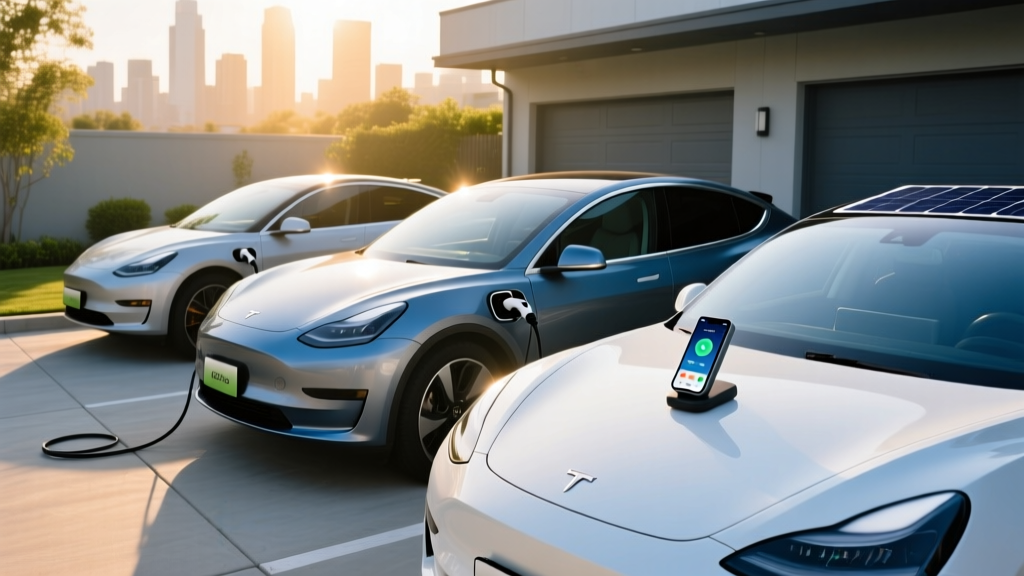
If you own a home or have a garage, a Level 2 charger is the backbone of independent EV ownership. Here's the realistic cost breakdown:
| Component | Low End | High End | Notes |
|---|---|---|---|
| Level 2 Charger (40–48A) | $350 | $700 | ChargePoint, Emporia, Wallbox, Tesla Universal |
| Electrician Labor | $400 | $1,200 | Depends on distance from panel |
| Permit & Inspection | $50 | $300 | Required in most jurisdictions |
| Panel Upgrade (if needed) | $1,500 | $3,500 | Only if existing panel lacks capacity (older homes with 100A service) |
| Total (no panel upgrade) | $800 | $2,200 | |
| Total (with panel upgrade) | $2,300 | $5,700 |
Most modern homes with 200-amp electrical panels can add a 50-amp circuit (for a 40A charger) without a panel upgrade. A licensed electrician should evaluate your panel before quoting. Also check for utility rebates — many electric companies offer $250–$500 toward charger installation, and some offer time-of-use rates that make overnight charging even cheaper.
Decision Framework: Is an Independent EV Right for You?
Choose a Full EV If:
- You have access to Level 2 home or workplace charging
- Your daily commute is under 80 miles round-trip
- You take road trips fewer than 6 times per year (manageable with DC fast-charging)
- You want the lowest per-mile energy cost and minimal maintenance
- You qualify for federal or state purchase incentives
Choose a Plug-in Hybrid (PHEV) If:
- You lack reliable home charging but want electric daily driving (20–40 mi electric range)
- You frequently drive in extreme cold or remote areas with sparse charging
- You want EV-like commuting without any road-trip planning
Choose a Traditional Hybrid If:
- You have no charging access at all
- You want fuel savings with zero behavior change
- Your budget is under $30,000 and you can't wait for used-EV prices to drop further
First-Time EV Buyer FAQ
How long do EV batteries actually last?
Most 2026 EV batteries (both NMC and LFP chemistries) are warranted for 8 years/100,000 miles at a minimum of 70% capacity retention. Real-world fleet data from high-mileage vehicles shows typical degradation of 10–15% over 150,000 miles. LFP batteries (used in the Ioniq 5 Standard Range, Tesla Model 3 RWD) tend to degrade more slowly and tolerate daily 100% charging, while NMC batteries benefit from staying between 20–80% for daily use.
What happens if I can't charge at home?
Public-only charging is viable but expensive and less convenient. DC fast charging costs $0.30–$0.50/kWh at networks like Electrify America and EVgo, pushing your per-mile cost to $0.09–$0.14 — closer to a fuel-efficient hybrid. If you live in an apartment without charging, a PHEV or hybrid is the more practical choice until workplace or public infrastructure improves in your area.
Do EVs really save money on maintenance?
Yes. EVs eliminate oil changes, spark plugs, timing belts, transmission fluid, and exhaust system repairs. Brake pads last 2–3× longer thanks to regenerative braking. The main maintenance items are tire rotation/replacement (EVs are heavier and wear tires faster — budget $800–$1,200 for a set every 30,000–40,000 miles), cabin air filter, windshield wipers, and coolant checks. Annual maintenance averages $300–$400 versus $700+ for a gas car.
How does cold weather affect EV range?
In temperatures below 30°F, expect 20–35% range reduction depending on the vehicle. This comes from battery chemistry (lithium-ion cells have higher internal resistance in cold) and energy used for cabin heating. EVs with heat pumps (standard on the Ioniq 5, Hyundai/Kia E-GMP platform, most Teslas) recover some of this loss — heat pumps are 2–3× more efficient than resistive heaters. Preconditioning the battery while plugged in mitigates cold-weather charging slowdowns.
Is insurance really more expensive for EVs?
On average, yes — EV insurance premiums run 15–25% higher than comparable gas vehicles, primarily because EVs have higher repair costs after collisions (specialized parts, battery safety protocols, and fewer certified body shops). However, insurers like State Farm, Geico, and Progressive increasingly offer EV-specific discounts. Shop quotes from at least three carriers before purchasing.
What's the difference between kW and kWh?
kW (kilowatts) measures power — the rate at which energy flows. Think of it as the "speed" of charging. A 240 kW DC fast charger delivers energy very quickly. kWh (kilowatt-hours) measures energy — the total amount stored in the battery. An 84 kWh battery holds 84 kilowatt-hours of energy. This is the same distinction as gallons-per-minute (flow rate) versus total gallons in a tank.
Becoming an independent EV owner in 2026 is more practical than ever — but it's not universally the right move. If you have home charging, a moderate commute, and qualify for incentives, the math increasingly favors electric. If your situation involves apartment living, extreme cold, or frequent long-distance towing, a hybrid or PHEV remains a smart, lower-risk option. Run your own numbers with real local electricity rates and driving patterns before deciding.