Quick Verdict: The Ioniq XRT Bridges Trail and Grid
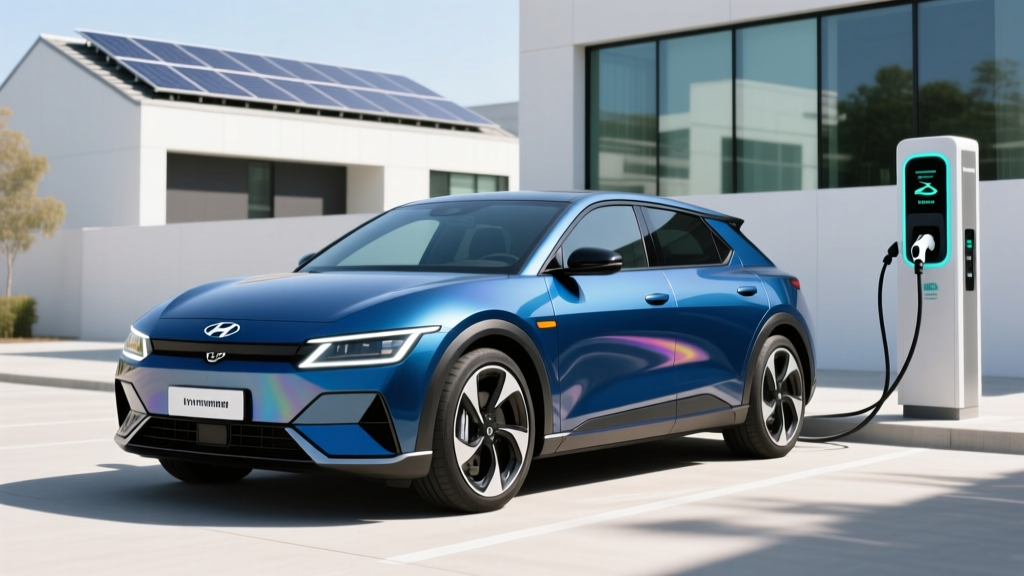
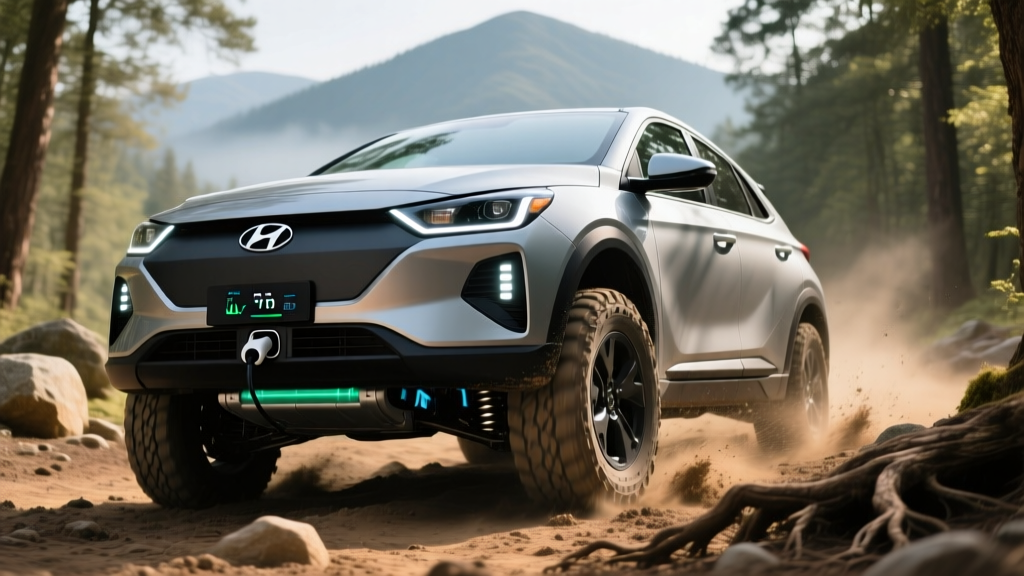
The 2026 Hyundai Ioniq XRT occupies a narrow but increasingly crowded lane: the adventure-oriented electric SUV. Built on the same E-GMP platform as the Ioniq 5, the XRT adds ground clearance, all-terrain tires, underbody protection, and a more rugged aesthetic to Hyundai's proven 800-volt architecture. The result is an EV that charges at up to 270 kW on DC fast chargers, delivers an EPA-estimated 290 miles of range in its dual-motor AWD configuration, and brings genuine light-trail capability to the electric segment.
After spending time with the Ioniq XRT across highway cruising, cold-weather commuting, and graded forest roads, the picture is clear: this is the Ioniq 5 for buyers who need more than a crossover's 6.1 inches of ground clearance but aren't ready to commit to a Rivian R1S or wait for the electric 4Runner. It isn't a rock crawler. It's a weekend-explorer EV with best-in-class charging speed and Hyundai's strong warranty backing.
EPA Estimate: 290 miles (AWD, 19" all-terrain wheels)
Real-World Highway (70 mph, moderate temps): ~245–260 miles
Cold-Weather Highway (below 30°F): ~200–225 miles
City/Commuting (regen-heavy): ~280–300 miles
The XRT's all-terrain tires and lifted suspension increase rolling resistance and frontal area versus the standard Ioniq 5, costing roughly 20–30 miles of real-world highway range compared to its platform sibling. The heat pump helps mitigate cold-weather losses, but expect 20–25% range reduction in sustained sub-freezing driving.
Battery, Powertrain, and Performance Specs
Under the floor sits Hyundai's updated 84.0 kWh (usable) lithium-ion battery pack using NMC (nickel-manganese-cobalt) chemistry. Hyundai has not switched the XRT to LFP — the energy density trade-off would cut range too deeply for the adventure-use case. The pack feeds a dual-motor all-wheel-drive system producing a combined 320 horsepower and 446 lb-ft of torque.
| Spec | Value |
|---|---|
| Battery (usable) | 84.0 kWh, NMC chemistry |
| Drivetrain | Dual-motor AWD |
| Horsepower | 320 hp combined |
| Torque | 446 lb-ft |
| 0–60 mph | 4.7 seconds |
| EPA Range | 290 miles |
| MPGe (combined) | 101 MPGe (2.97 mi/kWh) |
| Ground Clearance | 8.3 inches |
| Towing Capacity | 2,700 lbs (braked) |
| Cargo Volume (rear seats up) | 27.2 cu ft |
| Cargo Volume (rear seats folded) | 59.3 cu ft |
| Front Trunk (Frunk) | 0.85 cu ft (power cord storage) |
| Rear Legroom | 39.4 inches |
| Battery/Powertrain Warranty | 10 years / 100,000 miles |
| Base MSRP (XRT AWD) | $56,950 |
The 0–60 mph time of 4.7 seconds is respectable for a lifted, all-terrain-tired SUV — roughly on par with a Subaru Outback Wilderness in spirit, though the XRT's instant torque makes it feel quicker in real-world passing maneuvers. The dual-motor system provides torque vectoring to the rear axle, and Hyundai includes dedicated Snow, Mud, and Sand drive modes that adjust throttle mapping, regen aggression, and traction control thresholds.
Charging Speed: 800-Volt Architecture Delivers
This is where the Ioniq XRT separates itself from most adventure-EV competitors. Hyundai's 800-volt E-GMP platform remains one of the fastest-charging architectures on the market, and the XRT inherits it fully.
| Level | Power | Speed | Notes |
|---|---|---|---|
| Level 1 (120V) | ~1.4 kW | ~4 mi/hr | Emergency/trickle only; full charge in ~60 hrs |
| Level 2 (240V, 48A) | 10.9 kW | ~32 mi/hr | Full charge in ~8.5 hrs; ideal home setup |
| DC Fast Charge (peak) | 270 kW | 10–80% in ~18 min | Requires 350 kW-class charger; preconditioned battery |
| DC Fast (150 kW station) | ~150 kW | 10–80% in ~28 min | More common station class; still fast |
The charging curve matters. The XRT peaks at 270 kW only between roughly 10–45% state of charge. Above 55%, the rate tapers to ~180 kW, and above 80% it drops to under 60 kW. This is normal for NMC packs protecting longevity, but it means the "18-minute" claim applies only to the 10–80% window. If you charge to 100% at a DC station, budget 40+ minutes total.
The XRT ships with a NACS (North American Charging Standard) port as of the 2026 model year, giving native access to Tesla Supercharger stalls (now open to non-Tesla EVs via the NACS transition) as well as Electrify America, EVgo, and other CCS-to-NACS networks. Hyundai includes a CCS1-to-NACS adapter in the box for legacy station compatibility.
Preconditioning tip: Use the route-based battery preconditioning feature in the navigation system. When you set a DC fast charger as your next stop, the thermal management system warms the pack to optimal temperature, enabling the full 270 kW peak. Without preconditioning — especially in cold weather — your peak may cap around 180–200 kW.
Pricing, Trims, and Federal Tax Credit Eligibility
The 2026 Ioniq XRT is offered in a single well-equipped trim with one optional package:
| Configuration | MSRP | Est. After §30D Credit |
|---|---|---|
| XRT AWD (base) | $56,950 | ~$49,450* |
| XRT AWD + Adventure Package | $59,400 | ~$51,900* |
*Tax credit estimates assume full eligibility under IRS §30D rules. Actual credit varies. See details below.
Does the Ioniq XRT Qualify for the Federal EV Tax Credit?
The Ioniq XRT's §30D eligibility depends on several factors that shift regularly. As of the 2026 tax year, the IRS clean vehicle credit offers up to $7,500, split between a critical-minerals component ($3,750) and a battery-components component ($3,750). Here's what applies to the XRT:
- MSRP Cap: The XRT's $56,950 base price falls under the $80,000 SUV/truck cap. ✅
- Buyer Income Cap: Modified AGI must not exceed $150,000 (single), $225,000 (head of household), or $300,000 (joint). Verify against your tax situation. ⚠️
- Final Assembly: Hyundai's Savannah, Georgia EV plant (opened 2024) handles US-market Ioniq XRT production, satisfying the North American final-assembly requirement. ✅
- Battery Sourcing: Hyundai has been progressively shifting critical-mineral supply chains to FTA-partner countries. Confirm the specific VIN's battery-sourcing compliance at fueleconomy.gov before purchase — this requirement tightens annually. ⚠️
- Point-of-Sale Transfer: You can transfer the credit to the dealer at purchase, reducing your out-of-pocket cost immediately rather than waiting for a tax refund. ✅
Bottom line: Many buyers will qualify for the full $7,500, bringing the effective XRT base price to approximately $49,450 — competitive with a well-optioned Subaru Outback Wilderness or Toyota 4Runner TRD Off-Road, though those are ICE vehicles with far lower running costs for the Hyundai. Always confirm your VIN's eligibility at the IRS and fueleconomy.gov before signing.
Interior, Tech, and Driver Assistance
The XRT's cabin mirrors the Ioniq 5's dual 12.3-inch display layout with a few rugged-specific additions. The infotainment system runs Hyundai's latest ccNC (Connected Car Navigation Cocktail) software with native OTA updates, wireless Apple CarPlay/Android Auto, and integrated trail-mapping overlays showing topographic data and nearby waypoints.
Standout tech features:
- Highway Driving Assist 2 (HDA2) — SAE Level 2 driver assistance with lane-centering, adaptive cruise, and lane-change assist. Not self-driving; hands-on-wheel supervision required at all times.
- Digital Key 2 with Ultra-Wideband — phone-as-key with hands-free unlock
- V2L (Vehicle-to-Load) — 3.6 kW external power output via the charge-port adapter, enough to run camp lights, a portable fridge, or power tools at a job site
- 360-degree camera with underbody view — useful for spotting rocks and ruts on trails
- Remote Smart Parking Assist — move the XRT in/out of tight spots via key fob
- Bluelink connected services with remote preconditioning and charge scheduling
Notable drawbacks:
- No spare tire — Hyundai includes a tire-inflator kit. On remote trails, this is a genuine limitation. A full-size spare would eat cargo space, but the omission stings for an "adventure" badge.
- Touch-capacitive climate controls — physical buttons would be preferable with gloves on or on bumpy trails
- Rear wiper is small and slow — visibility in rain/snow-mud mix is mediocre
- Frunk is essentially a cable cubby (0.85 cu ft) — not usable for gear
✅ Pros
- Class-leading 270 kW DC fast-charging speed
- 10-year/100,000-mile battery warranty — best in segment
- 8.3" ground clearance handles forest roads and snow
- V2L for camping and emergency power
- Strong real-world efficiency (101 MPGe combined)
- US-built (Georgia) — supports §30D assembly requirement
❌ Cons
- No spare tire — risky for remote trail use
- 290-mi EPA range drops to ~200 mi in cold highway driving
- All-terrain tires add road noise at highway speed
- Touch-capacitive controls impractical off-road
- $57K base price is steep before incentives
- Minimal frunk space
How It Compares: Ioniq XRT vs. Key Rivals
The XRT doesn't have a direct twin in the market, but several EVs pull at the same buyer:
| Spec | Ioniq XRT AWD | Rivian R1S (Dual) | Subaru Solterra (2026) | Jeep Recon (est.) |
|---|---|---|---|---|
| EPA Range | 290 mi | ~352 mi (Max Pack) | ~227 mi | ~300 mi (est.) |
| DC Fast Charge | 270 kW | ~220 kW | ~150 kW | ~175 kW (est.) |
| Ground Clearance | 8.3" | 14.9" (max) | 8.3" | ~10" (est.) |
| 0–60 mph | 4.7s | 4.5s | 6.5s | ~5.5s (est.) |
| Base MSRP | $56,950 | ~$79,900 | ~$48,500 | ~$55,000 (est.) |
| Battery Warranty | 10yr/100K mi | 8yr/120K mi | 8yr/100K mi | 8yr/100K mi |
The Rivian R1S is more capable off-road (especially with air suspension) and offers three-row seating, but starts $23K higher. The Subaru Solterra is cheaper but trails badly on range and charging speed. The Jeep Recon promises Wrangler-adjacent trail chops, but availability and final specs remain uncertain. The XRT threads the needle: not the most extreme off-roader, but the best-charging and best-warrantied adventure EV near its price point.
Who Should Buy the Ioniq XRT?
Choose the Ioniq XRT if:
- You want an EV that handles ski-resort commutes, forest-service roads, and camping weekends without range-anxiety on the drive home
- Fast DC charging is a priority — you road-trip and can't wait 40 minutes at a 150 kW station
- You value a long battery warranty and Hyundai's dealer network for service peace of mind
- Your daily commute is under 100 miles round-trip and you charge at home
Look elsewhere if:
- You need serious rock-crawling capability (Rivian R1S or wait for the electric 4Runner/Wrangler)
- You regularly tow more than 2,700 lbs — the XRT's rating is modest
- You need three rows of seating
- You live in a region with sparse DC fast-charging infrastructure and rely on 300+ mile real-world range
Warranty and Long-Term Ownership
Hyundai's warranty remains a headline advantage. The XRT's battery and powertrain are covered for 10 years or 100,000 miles (whichever comes first), with a capacity-retention threshold of 70% — meaning Hyundai will repair or replace the pack if it degrades below 70% of original capacity within the warranty period. The limited vehicle warranty covers 5 years / 60,000 miles, and Hyundai includes 3 years of complimentary Bluelink connected services and 3 years / 36,000 miles of complimentary maintenance.
Based on Hyundai's published specs and real-world data from Ioniq 5 owners (which share the same E-GMP battery architecture), NMC pack degradation has been modest — typically 5–8% over the first 60,000 miles with mixed DC fast-charging and Level 2 home charging. The XRT's larger 84 kWh pack provides more buffer, meaning daily 80% charges still leave ample usable range for most drivers.
Frequently Asked Questions
What is the real-world range of the 2026 Ioniq XRT?
Expect 245–260 miles on highway trips at 70 mph in mild weather, 280+ miles in city driving with regenerative braking, and 200–225 miles on cold-weather highway drives below 30°F. The EPA sticker says 290 miles, but real-world conditions — especially the XRT's all-terrain tires and higher ride height — reduce that in practice.
How fast does the Ioniq XRT charge at home and on the road?
On a 48-amp Level 2 home charger (10.9 kW), the XRT gains about 32 miles of range per hour, going from empty to full in roughly 8.5 hours. On a 350 kW-class DC fast charger, it peaks at 270 kW and charges from 10–80% in about 18 minutes. At a more common 150 kW station, expect 10–80% in roughly 28 minutes.
How much does the Ioniq XRT cost after the federal tax credit?
The base XRT AWD starts at $56,950. If you qualify for the full $7,500 §30D credit (meeting income, MSRP, assembly, and battery-sourcing requirements), the effective price drops to approximately $49,450. The Adventure Package trim at $59,400 would land around $51,900. Eligibility varies — confirm your VIN at fueleconomy.gov and consult a tax professional.
Does the Ioniq XRT come with a spare tire?
No. Hyundai equips the XRT with a tire-inflator kit. For an adventure-oriented EV, this is a notable omission. Aftermarket spare-tire mounts exist but require modification and reduce cargo space. If you plan remote overlanding, carry a full-size spare and the tools to change it.
Can the Ioniq XRT tow a trailer?
Yes, with a braked towing capacity of 2,700 pounds. That's enough for a small teardrop camper, a utility trailer, or a pair of ATVs, but it falls short of the Rivian R1S (7,700 lbs) and most body-on-frame SUVs. Towing also cuts EV range by 30–50%, so plan charging stops accordingly.
Is the Ioniq XRT self-driving?
No. Highway Driving Assist 2 (HDA2) is an SAE Level 2 driver-assistance system. It handles lane centering and adaptive cruise on divided highways, but you must keep your hands on the wheel and eyes on the road at all times. It is not autonomous.
Sources: fueleconomy.gov (EPA range and efficiency data), IRS §30D Clean Vehicle Credit, Hyundai USA official specifications. All pricing and specs reflect 2026 model year as published. Verify tax-credit eligibility for your specific VIN and tax situation before purchasing.