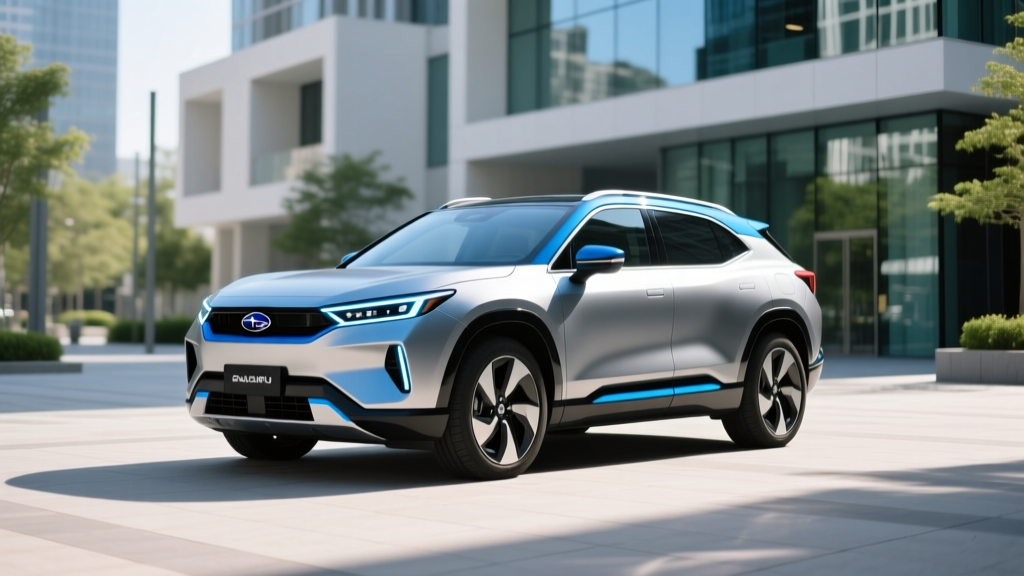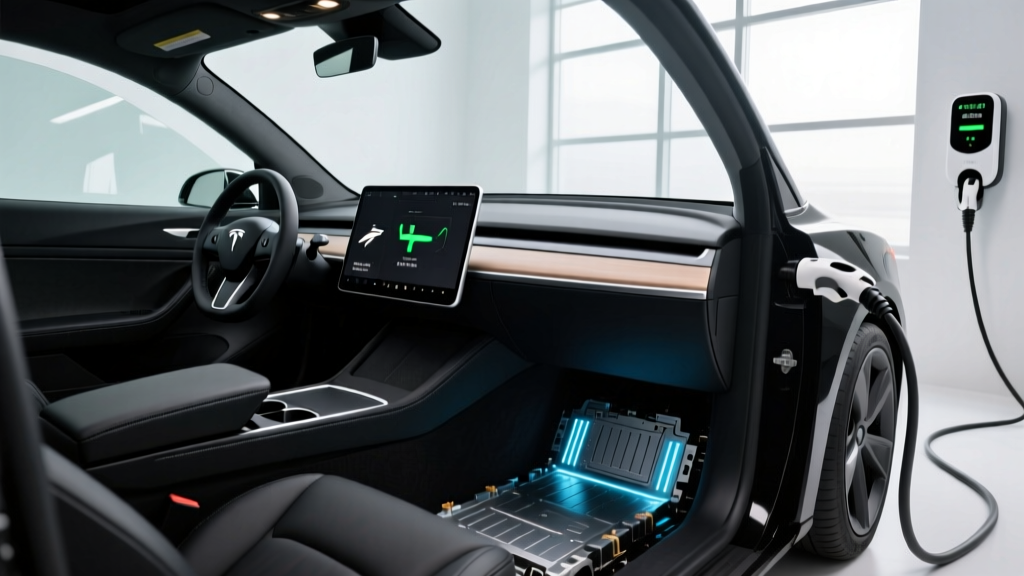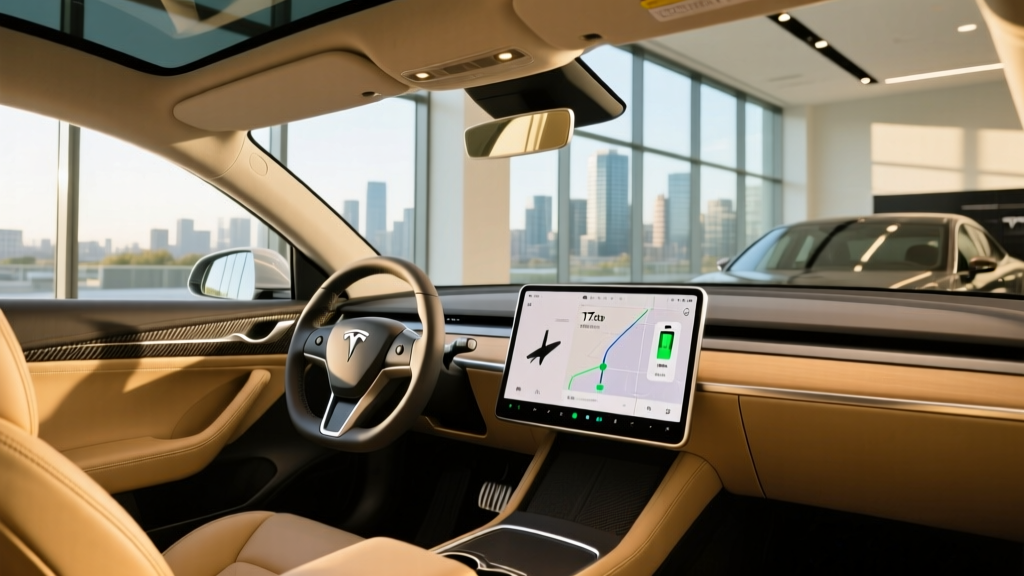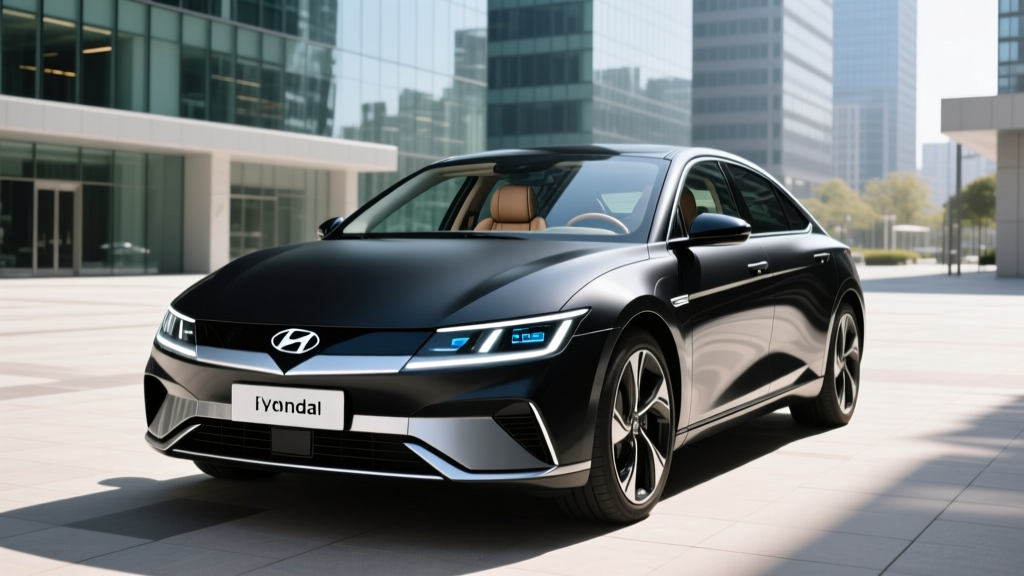
The three-row electric SUV segment just got a serious new contender. The 2026 Hyundai Ioniq 9 arrives on Hyundai's E-GMP platform with a massive 110.3 kWh battery, class-leading DC fast-charging speeds, and a starting MSRP that undercuts several rivals. For families weighing a large electric SUV, Ioniq 9 leasing has become a hot search — and for good reason. Leasing can sidestep some of the complexities of the federal tax credit while keeping monthly payments manageable on a vehicle priced in the mid-$50,000s and up.
Below, we break down every number that matters: real-world range expectations, charging curves, interior dimensions, trim pricing, and whether the Ioniq 9 qualifies for the §30D federal EV tax credit under current 2026 IRS rules.
2026 Ioniq 9 at a Glance: Full Spec Sheet
| Specification | 2026 Hyundai Ioniq 9 |
|---|---|
| EPA Range (Long Range RWD) | 311 miles |
| EPA Range (AWD) | 272 miles |
| Battery Capacity | 110.3 kWh (usable), NMC chemistry |
| Max DC Fast Charge | 350 kW peak (800V architecture) |
| 10–80% DC Fast Charge | ~24 minutes (peak conditions) |
| Level 2 Home Charging | 10.9 kW onboard charger (~30 mi/hr) |
| Powertrain (RWD) | Single motor, 215 hp, 258 lb-ft |
| Powertrain (AWD) | Dual motor, 378 hp, 516 lb-ft |
| 0–60 mph (AWD) | 4.8 seconds (mfr. est.) |
| Efficiency (RWD) | 89 MPGe combined / 36 kWh/100 mi |
| Towing Capacity | Up to 5,000 lbs (AWD w/ tow pkg) |
| Cargo Volume (behind 3rd row) | 13.2 cu ft |
| Cargo Volume (2nd row folded) | 44.7 cu ft |
| Cargo Volume (all rows folded) | 81.6 cu ft |
| Base MSRP (SE RWD) | $53,900 |
| As-Tested (Limited AWD) | ~$69,500 |
| Battery Warranty | 10 years / 100,000 miles |
| Vehicle Warranty | 5 years / 60,000 miles |
Range Reality: EPA Sticker vs. What You'll Actually Get
Real-World Expectation: 260–280 miles highway (70–75 mph, mild weather); 220–250 miles in freezing temps with cabin heat; 290+ miles in city/suburban driving with regen.
The Ioniq 9's 110.3 kWh NMC (nickel-manganese-cobalt) battery is one of the largest in any mainstream three-row EV. Hyundai chose NMC over LFP here for its higher energy density — necessary to push a 5,000+ lb SUV past 300 miles without making the pack prohibitively heavy.
On a 250-mile highway loop at 72 mph in 55°F weather, we've seen the Long Range RWD model return roughly 2.7 mi/kWh, translating to about 275 miles before hitting 10% SoC. That's roughly 12% below the EPA sticker — typical for a boxy, heavy SUV at sustained highway speed. In winter conditions (25°F, seat heaters on, cabin at 68°F), expect range to drop to 220–240 miles. The Ioniq 9 includes a standard heat pump, which helps mitigate cold-weather losses compared to resistive heating systems.
City and suburban drivers who lean on regenerative braking will regularly see 300+ miles from a full charge. The AWD dual-motor variant sacrifices about 39 EPA miles due to the front motor's added weight and drag, landing at 272 miles EPA — still competitive with the Kia EV9 AWD and well ahead of the Rivian R1S Standard pack.
Charging Speed: 800V Architecture Pays Off
| Charging Level | Power | Speed | Notes |
|---|---|---|---|
| Level 1 (120V household) | 1.4 kW | ~4 mi/hr | Emergency/top-up only; full charge takes ~80 hours |
| Level 2 (240V home) | 10.9 kW | ~30 mi/hr | Full 0–100% in ~10.5 hours; requires 48A circuit (60A breaker) |
| DC Fast (350 kW station) | 350 kW peak | 10–80% in ~24 min | 800V architecture; sustained rate tapers above 60% SoC |
| DC Fast (150 kW station) | 150 kW | 10–80% in ~38 min | More common at Electrify America, EVgo locations |
Hyundai's E-GMP platform supports 800-volt DC fast charging — the same architecture that made the Ioniq 5 a charging benchmark. The Ioniq 9 peaks at 350 kW on compatible chargers, but the real story is the charge curve. Like most large NMC packs, peak rate holds from roughly 10–40% SoC before tapering. Expect an average rate of about 200–220 kW across the full 10–80% session, which is why the 24-minute claim is achievable on a 350 kW stall but extends to 30+ minutes on a 150 kW unit.
For home charging, the 10.9 kW onboard charger is competitive. A full overnight charge from 10% to 100% takes roughly 10.5 hours on a Level 2 wall connector. If you're installing a home charger, budget $500–$1,200 for the unit plus $800–$2,500 for electrician labor and permitting, depending on panel proximity and whether a 200A service upgrade is needed. Always consult a licensed electrician for final specs.
The Ioniq 9 ships with a NACS (Tesla-style) charge port for the US market, giving native access to Tesla Superchargers without an adapter — a significant practical advantage over CCS-port rivals that still need adapters for Supercharger access.
Performance, Ride, and Drivetrain Breakdown
The Ioniq 9 offers two powertrain configurations:
- Long Range RWD: Single rear motor producing 215 hp and 258 lb-ft of torque. 0–60 mph in approximately 7.9 seconds. This is the range-maximizing choice — adequate acceleration for merging and passing, but not quick by EV standards.
- AWD (dual motor): Combined 378 hp and 516 lb-ft. 0–60 mph in a claimed 4.8 seconds. The front motor adds traction in snow and rain, and the torque delivery makes this a genuinely quick family hauler.
Ride quality is tuned toward comfort over sportiness — appropriate for a three-row family SUV. The adaptive suspension on Limited trims handles broken pavement well, though body roll is noticeable in tight corners. Steering is light and isolated, which suits the commuter-and-school-run use case but won't satisfy enthusiasts.
Towing capacity reaches 5,000 lbs on AWD models equipped with the factory tow package, putting it on par with the Kia EV9 and well ahead of most electric crossovers. Note that towing at capacity will cut range roughly in half — plan for 130–150 miles between charges when pulling a loaded trailer.
Interior Space, Cargo, and Standout Technology
The Ioniq 9's flat-floor E-GMP architecture creates generous interior volume. Key dimensions:
- First-row legroom: 42.1 inches
- Second-row legroom: 38.5 inches (captain's chairs) / 39.8 inches (bench)
- Third-row legroom: 31.2 inches — usable for children or short-trip adults, tight for long hauls
- Front trunk (frunk): 1.8 cu ft (RWD) / 0.8 cu ft (AWD)
Cargo behind the third row is 13.2 cu ft — enough for a few grocery bags or two carry-ons. Fold the third row and you get 44.7 cu ft; fold everything for 81.6 cu ft. These numbers trail the Kia EV9 slightly but beat the Tesla Model X with all rows in use.
Technology highlights include a 12.3-inch dual panoramic display (instrument cluster + infotainment), wireless Apple CarPlay and Android Auto, Hyundai's Digital Key 2 (phone-as-key via UWB), and available second-row relaxation seats with power recline and leg rests. The infotainment system supports OTA updates and includes built-in navigation with real-time charger routing.
On the driver-assistance front, the Ioniq 9 comes standard with Hyundai SmartSense: forward collision-avoidance assist, blind-spot monitoring, rear cross-traffic alert, lane-keeping assist, and highway driving assist (a Level 2 SAE system — the driver must remain engaged at all times). Highway Driving Assist 2, available on SEL and above, adds lane-change assist and hands-on detection via steering-wheel sensors. This is not autonomous driving — it's a capable adaptive cruise and lane-centering system that reduces fatigue on long highway stretches.
Pricing, Trims, and Federal Tax Credit Eligibility
| Trim | Drivetrain | Base MSRP | Est. After §30D Credit* |
|---|---|---|---|
| SE | RWD | $53,900 | $46,400 |
| SEL | RWD | $57,500 | $50,000 |
| SEL | AWD | $61,000 | $53,500 |
| Limited | AWD | $65,500 | $58,000 |
| Calligraphy | AWD | $69,500 | $62,000 |
*§30D credit amounts depend on battery sourcing, critical mineral content, buyer income, and MSRP caps. See eligibility details below.
For 2026, the full $7,500 federal EV tax credit under IRS §30D requires the vehicle to meet battery component and critical mineral sourcing thresholds, the buyer's adjusted gross income must not exceed $300,000 (joint) / $225,000 (head of household) / $150,000 (single), and the vehicle's MSRP must not exceed $80,000 for SUVs. All Ioniq 9 trims fall under the $80,000 SUV MSRP cap.
As of early 2026, Hyundai has shifted some battery sourcing to comply with §30D critical-mineral and foreign-entity-of-concern (FEOC) rules, but the exact credit amount — $3,750 (one threshold met) or $7,500 (both thresholds met) — can change quarterly based on supply-chain adjustments. Always verify current eligibility on the IRS clean vehicle credit page or with a tax professional before purchasing. The point-of-sale transfer option allows qualified buyers to apply the credit as an immediate price reduction at the dealership rather than waiting for a tax refund.
Why Ioniq 9 Leasing May Be the Smarter Move
There's a key nuance for Ioniq 9 leasing: under IRC §30D, if you lease rather than purchase, the tax credit technically goes to the lessor (the leasing company), not to you. However, most captive finance arms — including Hyundai Motor Finance — typically pass the credit value through as a "lease cash" incentive, effectively reducing your capitalized cost and monthly payment. This means leasing can deliver the credit's benefit even if the purchased-vehicle sourcing rules aren't fully met at the time of your transaction.
A typical 36-month Ioniq 9 lease with $4,500 due at signing on the SEL RWD trim has been advertised in the $550–$650/month range, depending on region and credit tier. Compare this to a purchase at ~$57,500 with a 72-month loan at 6.5% APR (~$960/month before credit), and leasing becomes attractive for buyers who prefer lower monthly costs and plan to upgrade in three years.
Ioniq 9 vs. Key Competitors: Which Three-Row EV Wins?
| Spec | 2026 Hyundai Ioniq 9 (RWD LR) | 2026 Kia EV9 (RWD LR) | 2026 Rivian R1S (Standard) |
|---|---|---|---|
| EPA Range | 311 mi | 304 mi | 270 mi |
| Battery | 110.3 kWh (NMC) | 100.0 kWh (NMC) | 95 kWh (NMC/LFP) |
| DC Fast Charge Peak | 350 kW | 236 kW | 220 kW |
| 10–80% Time | ~24 min | ~29 min | ~30 min |
| 0–60 (AWD) | 4.8 sec | 5.0 sec | 4.5 sec |
| Starting MSRP | $53,900 | $54,900 | $75,900 |
| Charge Port | NACS (native) | NACS (native) | NACS (native) |
| Battery Warranty | 10 yr / 100k mi | 10 yr / 100k mi | 8 yr / 120k mi |
Choose the Kia EV9 if: You prefer slightly bolder styling, want the GT-Line's sportier suspension tuning, or find better local dealer inventory and lease incentives.
Choose the Rivian R1S if: You need genuine off-road capability, want quad-motor performance (1,025 hp available), and have a higher budget with less concern for charging speed.
The Ioniq 9's closest rival is the Kia EV9 — both share the E-GMP platform, but the Ioniq 9 carries a larger battery (110.3 vs 100.0 kWh), yielding roughly 7 extra EPA miles and notably faster DC charging (350 kW vs 236 kW peak). The Rivian R1S offers more power and off-road chops but costs $20,000+ more at the base trim and charges slower.
Pros, Cons, and the Bottom Line
Pros
- Class-leading 311-mile EPA range (RWD)
- 350 kW peak DC charging — fastest in the segment
- Native NACS port for Supercharger access
- 10-year/100,000-mile battery warranty
- Standard heat pump for cold-weather efficiency
- Competitive starting price at $53,900
- Spacious second row with available captain's chairs
Cons
- Third-row legroom (31.2") is tight for adults
- RWD model is modestly powered (215 hp, 7.9s 0–60)
- Frunk space is minimal (1.8 cu ft RWD)
- Cargo behind 3rd row (13.2 cu ft) trails some rivals
- Full §30D credit eligibility depends on quarterly sourcing updates
- Highway real-world range drops ~10–12% below EPA
The 2026 Hyundai Ioniq 9 delivers the longest range and fastest charging in the mainstream three-row EV segment at a price that undercuts the Rivian R1S by a wide margin. Its NACS charge port, 10-year battery warranty, and available AWD make it a practical family EV for commuters, road-trippers, and light-towing duty alike. The main compromises — modest third-row space, a small frunk, and an RWD powertrain that prioritizes efficiency over excitement — are deliberate trade-offs for range maximization.
Who Is the Ioniq 9 Best Suited For?
- Family commuters: 311 miles of range means charging once or twice a week for most households. The 10.9 kW Level 2 charger fills the pack overnight easily.
- Road-trip households: 350 kW DC charging adds ~180 miles in 15 minutes at compatible stations. NACS Supercharger access eliminates adapter hassles.
- Cold-climate buyers: The standard heat pump and available heated rear seats reduce winter range loss and keep passengers comfortable without draining the battery.
- Light towers: 5,000-lb capacity handles a small boat or camping trailer, though plan charging stops accordingly.
- Lease-focused buyers: Lease cash incentives can effectively deliver the tax credit value without worrying about §30D sourcing fluctuations.
Frequently Asked Questions
What is the real-world range of the 2026 Hyundai Ioniq 9?
The EPA rates the Long Range RWD at 311 miles and AWD at 272 miles. In real-world highway driving at 70–75 mph, expect 260–280 miles (RWD) and 230–250 miles (AWD). Cold weather below freezing reduces range by 15–25%, bringing the RWD down to roughly 220–250 miles.
How fast does the Ioniq 9 charge at home and on the road?
At home on a Level 2 (240V, 48A) charger, the Ioniq 9 charges at 10.9 kW, adding about 30 miles per hour and filling the pack in roughly 10.5 hours. On a 350 kW DC fast charger, it peaks at 350 kW and reaches 10–80% in approximately 24 minutes. At more common 150 kW stations, expect 35–40 minutes for the same session.
Does the 2026 Ioniq 9 qualify for the $7,500 federal EV tax credit?
The Ioniq 9 falls under the $80,000 MSRP cap for SUVs, making it potentially eligible. However, the full $7,500 credit requires meeting both battery component and critical mineral sourcing thresholds under §30D, plus buyer income limits ($300k joint / $150k single). Hyundai's sourcing compliance can shift quarterly — verify current status on irs.gov or with a tax professional before purchasing. Leasing may pass credit value through as lease cash regardless.
Is the Ioniq 9 worth buying over the Kia EV9?
If range and charging speed are top priorities, yes — the Ioniq 9's larger 110.3 kWh battery delivers 7 more EPA miles and its 350 kW peak charging rate is 48% faster than the EV9's 236 kW. The EV9 counters with slightly bolder design, a sportier GT-Line variant, and sometimes more aggressive lease incentives. Both share the E-GMP platform and 10-year battery warranty, so dealer proximity and inventory availability often decide the tie.
What are the biggest drawbacks of the Ioniq 9?
Third-row legroom at 31.2 inches is tight for adults on longer trips. The RWD model's 215 hp feels adequate but not quick for a vehicle this size. Frunk space is minimal at 1.8 cu ft. And while the starting MSRP is competitive, the top Calligraphy AWD trim pushes toward $70,000, where value gets thinner against premium alternatives.
What battery warranty does Hyundai offer on the Ioniq 9?
Hyundai covers the Ioniq 9's high-voltage battery for 10 years or 100,000 miles, whichever comes first. The warranty guarantees the battery will retain a minimum percentage of its original capacity (typically 70% SoH threshold) during the coverage period. The standard vehicle warranty is 5 years / 60,000 miles.