Quick Verdict: The Efficiency King Returns for 2026
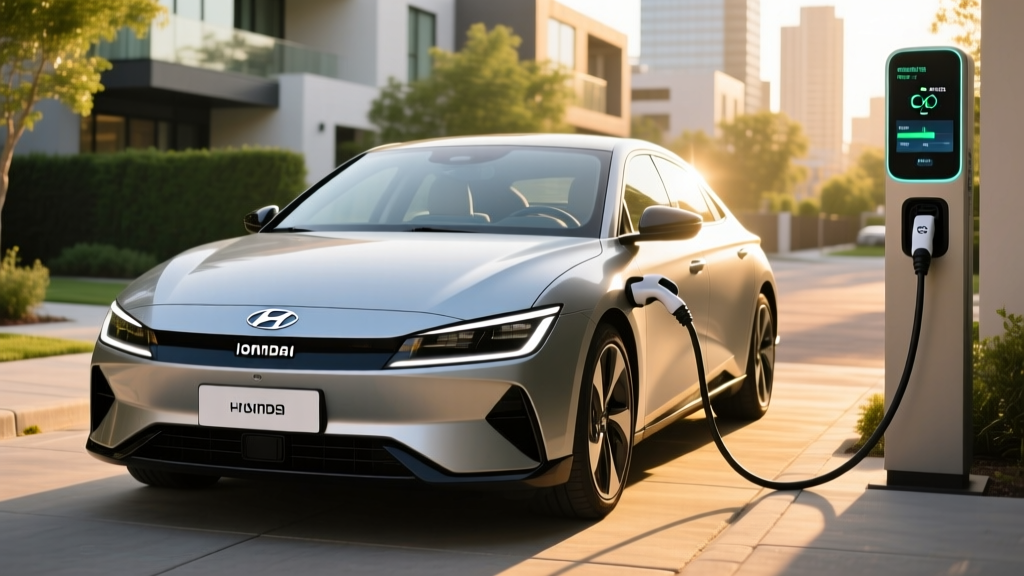
The Hyundai Ioniq 6 SE remains one of the most aerodynamically efficient electric sedans on the market, and the 2026 model year carries forward the formula that made it an EPA efficiency standout. With a 361-mile EPA-estimated range on the SE Long Range RWD trim, an 800-volt architecture enabling blistering DC fast-charge speeds, and a starting MSRP that undercuts most rivals, the Ioniq 6 SE targets buyers who prioritize range-per-dollar and charging speed over SUV ride height.
But the sleek "Electrified Streamliner" shape comes with trade-offs: rear headroom is tight, cargo space is modest, and the touchscreen-heavy interior divides opinion. This review breaks down every spec, real-world data point, and ownership cost you need before putting down a deposit.
| Spec | SE Long Range RWD | SE Long Range AWD |
|---|---|---|
| EPA Range | 361 miles | 316 miles |
| Battery (usable) | 77.4 kWh (NMC) | 77.4 kWh (NMC) |
| Horsepower | 225 hp | 320 hp |
| 0–60 mph | 7.1 sec | 5.1 sec |
| Drivetrain | Rear-Wheel Drive | Dual-Motor AWD |
| Max DC Fast Charge | ~350 kW (peak) | ~350 kW (peak) |
| 10–80% DCFC Time | ~18 minutes | ~18 minutes |
| Level 2 Charge Rate | 10.9 kW (44 mi/hr) | 10.9 kW (44 mi/hr) |
| MPGe (city/hwy/combined) | 140 / 120 / 130 MPGe | 117 / 100 / 109 MPGe |
| kWh per 100 mi | 25 kWh | 30 kWh |
| Base MSRP | $42,600 | $46,100 |
| Battery Warranty | 10 yr / 100,000 mi | 10 yr / 100,000 mi |
Range and Efficiency: EPA Sticker vs. the Real World
The Ioniq 6 SE Long Range RWD posts a 361-mile EPA-estimated range — one of the highest figures in its price class. That number is achievable because Hyundai pairs a slippery 0.21 drag coefficient with a modest 225-hp single motor and a heat pump that recovers waste thermal energy for cabin heating and battery conditioning.
EPA Estimate: 361 miles (SE RWD) / 316 miles (SE AWD)
Highway driving (70–75 mph): Expect 290–320 miles in mild weather (55–75°F). The sedan's low ride height and aero tuning help, but sustained high speeds still reduce range 10–15% below EPA.
Cold weather (below 32°F): Plan for 230–270 miles without preconditioning. Battery chemistry (NMC) loses roughly 20–30% of effective capacity in deep cold. Use the Ioniq 6's battery preconditioning feature before fast-charging or departing on a trip to mitigate losses.
City / mixed commuting: 340–360 miles is realistic with frequent regenerative braking. The Ioniq 6's i-Pedal one-pedal driving mode maximizes energy recapture in stop-and-go traffic.
The RWD model's 25 kWh/100 mi combined consumption is exceptional. For context, the Tesla Model 3 Long Range RWD consumes about 25–26 kWh/100 mi, and the Ford Mustang Mach-E Select RWD sits around 31 kWh/100 mi. On a per-mile electricity cost basis, the Ioniq 6 SE RWD is among the cheapest EVs to operate in the U.S.
Charging Speed: 800V Architecture That Actually Delivers
Hyundai's E-GMP platform uses an 800-volt electrical architecture — the same voltage class found in the Porsche Taycan and Lucid Air, but at a fraction of the price. The practical result: when you plug into a 350 kW-capable DC fast charger (such as Electrify America's latest stalls), the Ioniq 6 SE can accept peak charging rates near 235–260 kW in real-world conditions, with Hyundai's claimed 10–80% time of approximately 18 minutes holding up in moderate temperatures.
| Charging Level | Power (kW) | Miles Added per Hour | Notes |
|---|---|---|---|
| Level 1 (120V household) | ~1.4 kW | ~5 mi/hr | Emergency/top-up only; full charge in ~55+ hours |
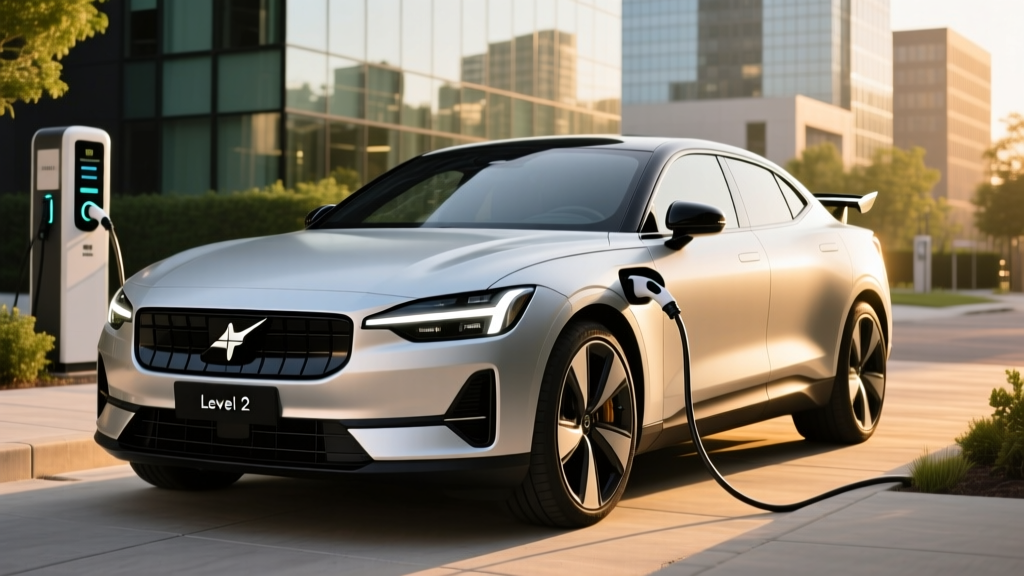
| Level 2 (240V home, 48A) | 10.9 kW | ~44 mi/hr | Full 0–100% in ~8 hours; recommended for daily use |
| DC Fast Charge (50 kW) | 50 kW | ~180 mi/hr | Older public chargers; 10–80% in ~60 min |
| DC Fast Charge (150 kW) | 150 kW | ~540 mi/hr | Common EA/ChargePoint stalls; 10–80% in ~28 min |
| DC Fast Charge (350 kW) | ~235–260 kW sustained | ~850–950 mi/hr | Peak rate; 10–80% in ~18 min with preconditioning |
Charging curve reality: The Ioniq 6 does not sustain its peak kW rate across the entire 10–80% window. Expect peak rates in the 10–40% state-of-charge (SoC) range, tapering progressively through 60–80%. This is normal for all lithium-ion packs — the battery management system protects cell longevity by reducing current as voltage rises. The 800V architecture's advantage is that the taper curve is flatter than 400V competitors, meaning the Ioniq 6 holds higher rates longer.
Connector note: The 2026 Ioniq 6 ships with the Tesla North American Charging Standard (NACS) port, replacing the CCS1 connector used on 2023–2024 models. This grants native access to Tesla's Supercharger network — the largest and most reliable DC fast-charging network in the U.S. — without an adapter. For legacy CCS stations, Hyundai includes a NACS-to-CCS adapter in the vehicle.
Performance and Drivetrain
The SE Long Range RWD uses a single rear-mounted permanent-magnet synchronous motor producing 225 horsepower and 258 lb-ft of torque. The 0–60 mph time of 7.1 seconds is adequate for merging and passing but won't thrill enthusiasts. The trade-off is efficiency: fewer driven wheels and less mass mean more miles per kWh.
Step up to the SE AWD and you get a dual-motor setup with 320 hp and 446 lb-ft, dropping the 0–60 sprint to 5.1 seconds. The trade-off is range (316 miles EPA) and a $3,500 price bump. For most commuters, the RWD variant is the smarter pick — the AWD model's traction advantage matters primarily in snow-belt states, and winter tires on the RWD model close much of that gap at lower cost and complexity.
Ride quality is firm but well-damped. The low center of gravity from the under-floor battery pack keeps body roll minimal through corners. Steering is numb by enthusiast standards but precise enough for highway cruising. The Ioniq 6 is a grand tourer, not a sports sedan — buyers wanting sharper dynamics should cross-shop the Tesla Model 3 Performance or BMW i4.
Interior, Cargo, and Technology
The Ioniq 6's cabin is minimalist and futuristic, with a dual 12.3-inch panoramic display spanning the dash. Physical buttons are scarce — climate, media, and vehicle settings route through the touchscreen, which frustrates some drivers who prefer tactile controls. Hyundai does include a row of shortcut touch-buttons below the main display for frequently used functions.
Passenger space:
- Front headroom: 39.4 inches
- Front legroom: 41.7 inches
- Rear headroom: 37.1 inches (tight for passengers over 6'0")
- Rear legroom: 35.1 inches
The sloping roofline is the Ioniq 6's most polarizing design choice. It looks striking from the outside but compromises rear-seat headroom and limits the trunk opening to a conventional sedan-style lid rather than a hatchback. Cargo volume is 12.3 cubic feet in the trunk, plus a 0.7-cubic-foot frunk (front trunk) — enough for a charging cable and small bag. For comparison, the Hyundai Ioniq 5 hatchback offers 27.2 cu ft behind the rear seats.
Standout tech features:
- Vehicle-to-Load (V2L): Power laptops, camping gear, or small appliances via an interior 120V outlet or exterior V2L adapter (up to 3.6 kW output)
- Highway Driving Assist 2 (HDA2): SAE Level 2 driver-assist with lane-centering, adaptive cruise, and lane-change assist — requires hands on wheel at all times
- Blind-spot View Monitor: Camera feed displayed in the instrument cluster when turn signal is activated
- Digital Side Mirrors (available on higher trims, not standard on SE)
- Over-the-air (OTA) software updates for powertrain, infotainment, and ADAS calibration
- Battery preconditioning: Automatically warms or cools the pack when a DC fast charger is set as the navigation destination, optimizing charge speed
Highway Driving Assist 2 is an SAE Level 2 driver-assistance system. It is not self-driving. The driver must maintain full attention, keep hands on the steering wheel, and be prepared to take over instantly. HDA2 does not handle construction zones, unmapped roads, or severe weather. Misuse of Level 2 systems has been linked to driver inattention crashes per NHTSA safety guidance.
Pricing, Trims, and Federal Tax Credit Eligibility
The 2026 Ioniq 6 SE starts at $42,600 (RWD) and $46,100 (AWD), including destination. Hyundai also offers SEL and Limited trims, but the SE Long Range delivers the best range-per-dollar ratio in the lineup. Key add-ons on the SE include carpeted floor mats (~$175) and a cargo tray (~$125); Hyundai keeps the option sheet minimal to simplify ordering.
| Trim | Base MSRP | §30D Credit (max) | Effective Price* |
|---|---|---|---|
| SE Long Range RWD | $42,600 | Up to $7,500 | ~$35,100 |
| SE Long Range AWD | $46,100 | Up to $7,500 | ~$38,600 |
*Effective price assumes full §30D credit eligibility. Actual credit amount depends on battery sourcing, buyer income, and tax liability. Consult a tax professional.
- MSRP cap: Sedans must be ≤ $55,000 (the Ioniq 6 SE qualifies comfortably)
- Buyer income cap: Modified AGI ≤ $150,000 (single) / $300,000 (joint filing)
- Battery sourcing: Critical minerals and battery components must meet phased-in domestic/free-trade-partner sourcing thresholds — the Ioniq 6's eligibility varies by build date and supply-chain compliance per current IRS guidance
- Point-of-sale transfer: Eligible buyers can transfer the credit to the dealer at purchase, reducing the out-of-pocket price immediately rather than waiting for a tax refund
- Final assembly: Vehicle must undergo final assembly in North America (the Ioniq 6 is assembled in South Korea — this may disqualify it from §30D; verify current status with your dealer and the IRS before purchase)
Critical caveat: The Ioniq 6's assembly location in Ulsan, South Korea has been a persistent eligibility issue under §30D's North American final-assembly requirement. Hyundai has explored U.S. production at its Metaplant America facility in Georgia, but as of the 2026 model year, Ioniq 6 sedans sold in the U.S. are still primarily Korea-built. Buyers should verify the specific VIN's assembly location on the DOE's alternative fuels vehicle search before counting on the credit. If the Ioniq 6 does not qualify for §30D, check your state's individual EV rebates — many states offer $2,000–$5,000 incentives without assembly restrictions.
Ownership Costs and Warranty
Hyundai backs the Ioniq 6 with one of the strongest warranty packages in the EV segment:
- New vehicle limited warranty: 5 years / 60,000 miles
- Powertrain warranty: 10 years / 100,000 miles
- Battery warranty: 10 years / 100,000 miles (covers capacity loss below 70% of original)
- Complimentary maintenance: 3 years / 36,000 miles (tire rotations, inspections)
- Roadside assistance: 5 years / unlimited miles
The 70% battery capacity retention threshold is standard for the industry. In practice, Hyundai's NMC cells with active liquid thermal management have shown degradation curves of roughly 5–8% loss over the first 100,000 miles based on fleet data from Ioniq 5 owners — well within warranty tolerance.
Charging cost estimate: At the U.S. average residential electricity rate of ~$0.17/kWh (2025 EIA data), fully charging the Ioniq 6 SE RWD's 77.4 kWh battery at home costs approximately $13.16. That equates to roughly $0.043 per mile — compared to $0.12–$0.15 per mile for a 30-MPG gasoline sedan at $3.50/gallon. Over 15,000 miles per year, home charging saves roughly $1,200–$1,600 annually in fuel costs.
- Class-leading 361-mile EPA range (RWD) at an accessible price point
- 800V architecture enables 10–80% DCFC in ~18 minutes
- NACS port standard — native Supercharger access
- Exceptional efficiency: 25 kWh/100 mi combined (RWD)
- 10-year/100,000-mile battery warranty
- V2L capability for camping, tailgating, emergency power
- Standard heat pump for cold-weather range preservation
- Quiet, composed highway ride quality
- Rear headroom compromised by sloping roofline (tight for tall passengers)
- Trunk is a conventional sedan lid, not a hatchback — limits cargo flexibility
- 12.3 cu ft trunk is small for the vehicle's footprint
- Touchscreen-dependent climate/media controls frustrate some drivers
- South Korea assembly may disqualify from §30D federal tax credit
- RWD 7.1-sec 0–60 is adequate, not quick
- Road noise on coarse pavement is more noticeable than in luxury competitors
Who Should Buy the Ioniq 6 SE?
Choose the Ioniq 6 SE RWD if: You commute 30–80 miles daily, prioritize maximum range per dollar, have access to home Level 2 charging, rarely carry more than one rear passenger, and value low per-mile electricity costs. Ideal for solo drivers, couples, and efficiency-focused road trippers who plan routes around DC fast chargers.
Choose the Ioniq 6 SE AWD if: You live in a snow-belt state where all-wheel-drive traction matters for 4+ months per year, want a 5.1-second 0–60 for confident highway merging, and can accept 45 fewer miles of EPA range for the performance and grip upgrade.
Look elsewhere if: You regularly carry three rear passengers or bulky cargo (consider the Ioniq 5 or Kia EV9), need a hatchback/liftgate for gear (Ioniq 5 or Tesla Model Y), or require the full $7,500 federal tax credit and your state offers no backup incentive (verify the Ioniq 6's §30D assembly eligibility before committing).
Frequently Asked Questions
What is the real-world range of the 2026 Ioniq 6 SE?
The EPA rates the SE Long Range RWD at 361 miles and the AWD at 316 miles. In real-world highway driving at 70–75 mph in mild weather, expect 290–320 miles (RWD). In cold weather below freezing, range drops to 230–270 miles without battery preconditioning. City commuting with regenerative braking can approach or match the EPA sticker.
How fast does the Ioniq 6 SE charge at home and on the road?
On a Level 2 home charger (240V, 48A), the Ioniq 6 SE charges at 10.9 kW, adding roughly 44 miles of range per hour — a full charge takes about 8 hours. On a 350 kW DC fast charger, the 800V system peaks near 235–260 kW and can go from 10–80% in approximately 18 minutes with battery preconditioning enabled.
Does the 2026 Ioniq 6 SE qualify for the $7,500 federal EV tax credit?
Eligibility is uncertain and VIN-dependent. The §30D credit requires North American final assembly, and the Ioniq 6 is assembled in South Korea. Hyundai has indicated plans to shift some production to Georgia, but buyers must verify their specific vehicle's assembly location. Income caps ($150K single / $300K joint) and MSRP caps ($55K for sedans) also apply. Consult the IRS and your dealer before relying on the credit.
Is the Ioniq 6 SE worth buying over the Tesla Model 3 or Hyundai Ioniq 5?
The Ioniq 6 SE wins on EPA range (361 mi vs. Model 3 LR's ~341 mi) and offers a more comfortable, quieter ride than the Model 3. However, the Model 3 has a more practical trunk (hatchback-style glass), more intuitive touchscreen controls, and guaranteed §30D eligibility (U.S.-built). The Ioniq 5 offers vastly more cargo room (27.2 cu ft hatchback) and a roomier rear seat, but sacrifices about 60 miles of range compared to the Ioniq 6 RWD. Your choice depends on whether range efficiency (Ioniq 6), cargo practicality (Ioniq 5), or charging-network certainty (Model 3) matters most.
What battery chemistry does the Ioniq 6 SE use?
The Ioniq 6 SE uses NMC (nickel-manganese-cobalt) lithium-ion cells in a 77.4 kWh usable-capacity pack. NMC offers higher energy density than LFP (lithium iron phosphate), which is how Hyundai achieves 361 miles in a relatively compact sedan. The trade-off is that NMC cells are more sensitive to sustained 100% SoC storage — Hyundai recommends daily charging to 80% and reserving 100% for long trips to maximize long-term battery health.
Does the Ioniq 6 have a front trunk (frunk)?
Yes, but it is small — just 0.7 cubic feet, enough for the included charging cable, a tire inflator kit, and a small bag. The RWD model's frunk is slightly larger than the AWD's because there is no front motor. Do not expect to store groceries or a backpack in the frunk.
Can the Ioniq 6 SE use Tesla Superchargers?
Yes. The 2026 Ioniq 6 comes with a native NACS (North American Charging Standard) port, which is the same connector used by Tesla. You can plug directly into any Tesla Supercharger without an adapter. Hyundai also provides a NACS-to-CCS adapter for use at older Electrify America, EVgo, and ChargePoint stations that still use CCS1 connectors.