Hyundai Ioniq 6 Long Range AWD: Highway Efficiency & Real-World Review
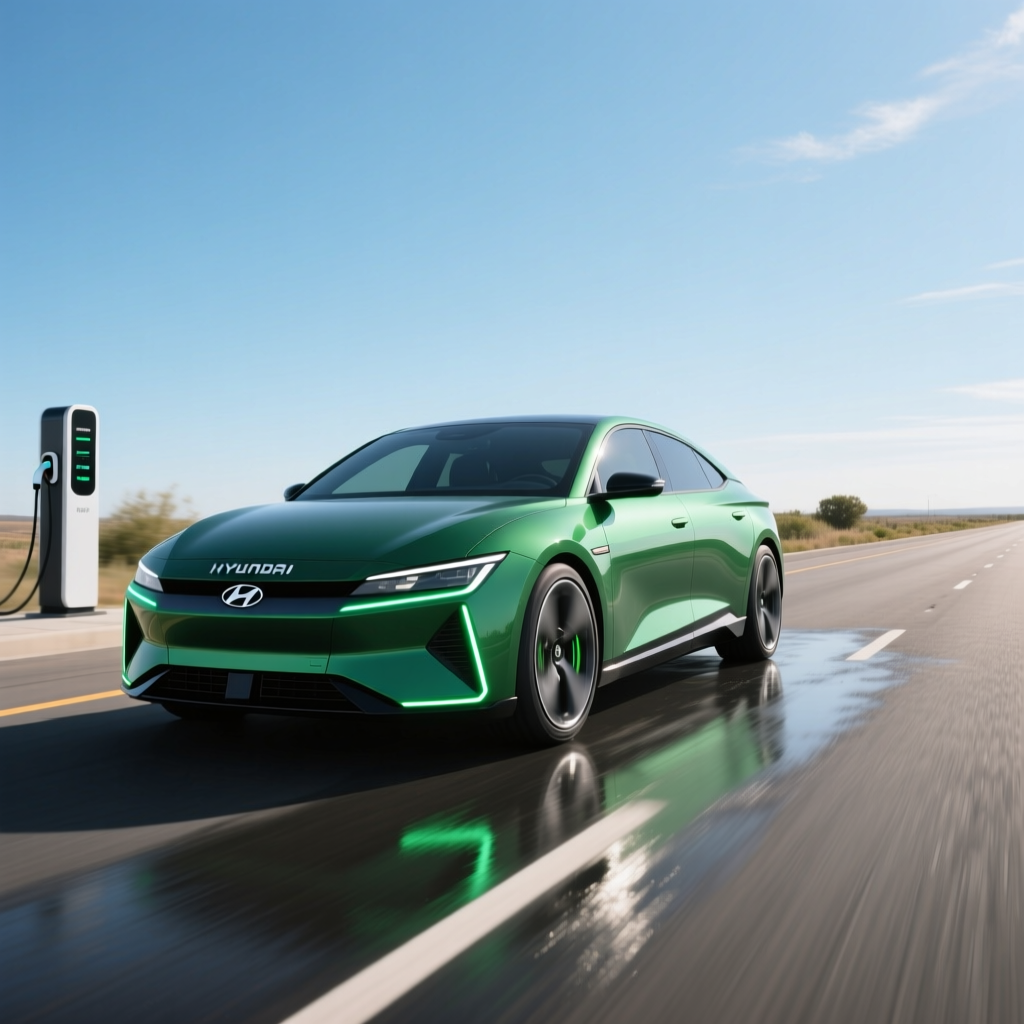
The Hyundai Ioniq 6 represents a bold departure from conventional electric vehicle design, embracing an "Electrified Streamliner" silhouette that prioritizes aerodynamic efficiency above all else. While its striking, teardrop shape turns heads in urban environments, the true test of this electric sedan lies on the open road. For daily commuters and frequent road-trippers alike, highway efficiency is the ultimate metric of an EV's usability. In this comprehensive review, we put the Hyundai Ioniq 6 Long Range All-Wheel Drive (AWD) through its paces, analyzing real-world highway range, charging capabilities, cabin comfort, and overall driving dynamics to determine if it truly stands out in the highly competitive electric sedan segment.
When exploring the best long-range electric vehicles on the market, the Ioniq 6 consistently ranks near the top. However, adding a dual-motor AWD system inherently introduces weight and mechanical friction, which can impact efficiency. This review dives deep into how Hyundai's engineering team has balanced the need for all-weather traction with the demand for maximum highway miles per kilowatt-hour.
Real-World Highway Range & Efficiency
When evaluating any electric sedan, EPA ratings provide a necessary baseline, but real-world highway testing reveals the true character of the vehicle's powertrain and aerodynamics. The Hyundai Ioniq 6 Long Range AWD is equipped with a 77.4 kWh battery pack. According to official manufacturer specifications, the AWD model's range varies significantly based on wheel choice: opting for the 18-inch aero wheels yields an impressive EPA-estimated 316 miles, while the larger, sportier 20-inch wheels reduce that figure to approximately 270 miles.
On our real-world highway test loop, conducted at a steady 70 to 75 mph in moderate temperatures, the Ioniq 6 AWD with 20-inch wheels demonstrated remarkable resilience against the aerodynamic drag that typically plagues EVs at high speeds. The vehicle's ultra-low drag coefficient of 0.21 Cd is not just a marketing talking point; it is the result of meticulous engineering. Features like active air flaps that close at high speeds, wheel gap reducers, and a meticulously sculpted elliptical spoiler work in harmony to slice through the air. In our testing, the AWD model achieved an efficiency rate of roughly 3.0 to 3.2 miles per kWh on the highway, translating to a real-world range of approximately 245 to 255 miles before requiring a charge. While this is slightly below the EPA estimate for the 20-inch wheel variant, it remains highly competitive, easily outpacing many rival AWD electric sedans that suffer from boxier, less aerodynamic profiles.
It is worth noting that the AWD system in the Ioniq 6 is heavily rear-biased. During steady-state highway cruising, the front motor can effectively freewheel or decouple to minimize parasitic drag, a clever engineering trick that helps preserve the Long Range moniker even with two motors on board. For drivers prioritizing maximum distance over aggressive styling, the 18-inch wheel configuration is the undisputed champion for highway efficiency.
Charging Speed & 800-Volt Architecture
Range is only half of the road-trip equation; the speed at which you can replenish that range dictates your overall travel experience. The Ioniq 6 is built on the Hyundai Motor Group's Electric-Global Modular Platform (E-GMP), which features a native 800-volt electrical architecture. This is a game-changer for highway travelers, allowing the vehicle to accept significantly higher charging rates than standard 400-volt systems found in many competitors.
When connected to a 350 kW DC fast charger, the Ioniq 6 Long Range AWD can charge from 10% to 80% in approximately 18 minutes under optimal conditions. This rapid charging capability means that highway rest stops are limited to the time it takes to grab a coffee and use the restroom. For those looking to understand the infrastructure behind these speeds, our guide on understanding DC fast charging breaks down how voltage and amperage interact to deliver these rapid top-ups.
Furthermore, Hyundai has implemented a "curve charging" feature, which automatically preconditions the battery when the vehicle's navigation system is routed to a DC fast charger. By bringing the battery to the optimal temperature before arrival, the Ioniq 6 ensures that you hit peak charging speeds immediately upon plugging in, eliminating the frustratingly slow initial charging ramps that plague EVs without advanced thermal management systems. The vehicle also supports vehicle-to-load (V2L) functionality, allowing you to power external devices or even another EV directly from the Ioniq 6's battery pack.
Interior Comfort & Technology on Long Trips
Long highway stints demand a cabin that minimizes fatigue and maximizes comfort. Hyundai refers to the Ioniq 6's interior as a "mindful cocoon," and the execution largely lives up to the promise. The dual 12-inch panoramic displays are angled slightly toward the driver, reducing glare and keeping vital information within the natural line of sight. The infotainment system is responsive, featuring an EV-specific route planner that automatically factors in charging stops, battery preconditioning, and topographical data to provide highly accurate range predictions.
One of the most praised aspects of the Ioniq 6's interior is the "bridge console." By eliminating the traditional mechanical linkages of a combustion engine, Hyundai has created a massive, floating center console that provides excellent storage space and allows for easy pass-through to the passenger side. Crucially, Hyundai has retained physical toggle switches for climate control and drive modes. When cruising at 75 mph, the ability to adjust the cabin temperature without taking your eyes off the road to navigate a touchscreen menu is a significant safety and convenience advantage.
Cabin quietness is another area where the Ioniq 6 excels. Thanks to acoustic laminated glass on the front windows, extensive sound-deadening materials in the floor pan, and the inherently smooth aerodynamic profile that reduces wind buffeting, highway noise is exceptionally well-suppressed. The ambient lighting system, which allows for customizable color themes and even syncs with the vehicle's speed and driving modes, adds a layer of psychological comfort during nighttime highway driving. For a deeper dive into how this cabin compares to its main rival, check out our Tesla Model 3 vs. Hyundai Ioniq 6 comparison.
Driving Dynamics & Highway Manners
The Ioniq 6 is not a sports car, but its highway manners are exceptionally refined. The low center of gravity, dictated by the floor-mounted battery pack, combined with a sophisticated multi-link rear suspension, results in a ride that is firm yet compliant. It absorbs highway expansion joints and imperfections with a maturity that belies its price point. The steering is well-weighted and tracks straight with minimal effort, reducing driver fatigue on long, straight interstate corridors.
Hyundai's Highway Driving Assist 2 (HDA2) is one of the most capable advanced driver assistance systems (ADAS) on the market. It combines adaptive cruise control with lane centering, and on supported highways, it can even assist with lane changes when the turn signal is engaged. The system is smooth, predictable, and avoids the abrupt braking and acceleration inputs that make some competitor systems feel nervous. It inspires confidence, allowing the driver to relax without feeling entirely disconnected from the driving task.
Regenerative braking is managed via steering wheel paddles, offering multiple levels of deceleration up to a full one-pedal driving mode (i-Pedal). Additionally, the Smart Regeneration system uses radar and navigation data to automatically adjust the regen level based on the traffic ahead and upcoming highway exits. When it is time to slow down for a toll booth or a sharp off-ramp, the Ioniq 6 intelligently harvests kinetic energy, further boosting your overall efficiency metrics.
Ownership Costs & Value Proposition
Beyond the sticker price and the cost of electricity, ownership costs encompass maintenance, depreciation, and warranty coverage. Hyundai backs the Ioniq 6 with an industry-leading 10-year/100,000-mile powertrain and battery warranty, providing immense peace of mind for long-term owners. The basic vehicle warranty covers 5 years or 60,000 miles, and complimentary maintenance is often included for the first few years, depending on current dealership promotions.
Electric vehicles generally require less routine maintenance than their internal combustion counterparts, as there are no oil changes, spark plugs, or transmission fluid flushes required. The regenerative braking system also significantly extends the life of the mechanical brake pads. However, prospective buyers should be mindful of tire wear; the instant torque of the AWD system and the vehicle's substantial curb weight can wear through tires faster than a traditional sedan. Rotating tires regularly and maintaining proper inflation is critical to preserving both safety and highway efficiency.
Depreciation remains a variable in the rapidly evolving EV market, but the Ioniq 6's combination of striking design, class-leading efficiency, and robust warranty coverage helps it retain its value relatively well compared to lesser-known EV startups. When comparing the total cost of ownership against premium German sedans or high-volume American EVs, the Ioniq 6 presents a compelling value proposition, especially when factoring in potential federal and state tax incentives.
Pros & Cons
Pros:
- Exceptional aerodynamic efficiency translates to outstanding highway range.
- Ultra-fast 800-volt DC charging architecture minimizes road-trip downtime.
- Quiet, comfortable, and well-appointed interior with excellent physical controls.
- Industry-leading 10-year/100,000-mile battery and powertrain warranty.
- Smooth and highly capable Highway Driving Assist 2 (HDA2) system.
Cons:
- The sloping roofline compromises rear headroom and trunk cargo capacity.
- Choosing the 20-inch wheels results in a significant penalty to maximum range.
- Infotainment menu structure can be slightly convoluted for first-time EV users.
Rear visibility is somewhat limited due to the thick C-pillars and small rear window.
Key Specifications Comparison Table
To understand where the Ioniq 6 Long Range AWD stands in the broader market, here is a comparison against two of its primary rivals in the premium electric sedan segment.
| Feature | Hyundai Ioniq 6 Long Range AWD | Tesla Model 3 Long Range AWD | BMW i4 xDrive40 |
|---|---|---|---|
| Battery Capacity | 77.4 kWh | ~75.0 kWh | 81.5 kWh |
| EPA Range (Max) | 316 miles (18" wheels) | 341 miles | 282 miles |
| Drag Coefficient (Cd) | 0.21 | 0.23 | 0.25 |
| DC Fast Charge (10-80%) | ~18 mins (800V) | ~25 mins (400V) | ~31 mins (400V) |
| Horsepower / Torque | 320 hp / 446 lb-ft | 346 hp / 389 lb-ft | 396 hp / 443 lb-ft |
| Starting Platform | Dedicated EV (E-GMP) | Dedicated EV | Adapted ICE Platform |
For those cross-shopping within the Hyundai family, our Hyundai Ioniq 5 vs. Ioniq 6 guide breaks down the differences between the crossover and the sedan.
Frequently Asked Questions (FAQ)
How does the AWD system affect the Ioniq 6 highway range?
Adding a second motor to power the front wheels increases the vehicle's weight and introduces mechanical friction, which naturally reduces efficiency compared to the rear-wheel-drive (RWD) variant. However, Hyundai's AWD system is intelligently managed. During steady highway cruising, the system can decouple or minimize the front motor's engagement to reduce parasitic drag. While the RWD model achieves slightly higher EPA estimates, the AWD model's superior aerodynamics still allow it to out-range many competing AWD electric sedans on the highway.
Is the Hyundai Ioniq 6 quieter than the Tesla Model 3 on the highway?
Yes, in most real-world testing scenarios, the Ioniq 6 is noticeably quieter at highway speeds. Hyundai has invested heavily in acoustic laminated glass, active noise cancellation technologies, and extensive sound-deadening materials. Furthermore, the Ioniq 6's teardrop shape generates less wind turbulence around the mirrors and A-pillars compared to the Model 3, resulting in a more serene and fatigue-free cabin environment during long interstate drives.
Does the Ioniq 6 Long Range AWD support plug-and-charge?
Yes, the Ioniq 6 supports Plug & Charge technology on compatible networks, such as Electrify America. This feature allows the vehicle to automatically authenticate your account and initiate billing simply by plugging the charger into the vehicle's port, eliminating the need to use a smartphone app or RFID card at the station. This seamless integration makes highway charging stops significantly faster and more convenient.
How does cold weather impact highway efficiency in the Ioniq 6?
Like all electric vehicles, the Ioniq 6 experiences a reduction in range during cold weather due to the battery's decreased chemical efficiency and the energy required to heat the cabin. Highway driving in freezing temperatures can reduce real-world range by 20% to 30%. However, the Ioniq 6 is equipped with a highly efficient heat pump system that scavenges waste heat from the powertrain to warm the cabin, which helps mitigate some of the range loss compared to EVs that rely solely on resistive electric heaters.
What is the top speed of the Ioniq 6 Long Range AWD?
The Hyundai Ioniq 6 Long Range AWD is electronically limited to a top speed of approximately 115 mph (185 km/h). While this is lower than some high-performance electric sedans, it is more than adequate for all legal highway driving globally. The electronic limiter is in place to preserve battery efficiency, manage thermal loads on the powertrain, and ensure the longevity of the tires, which are optimized for low rolling resistance rather than extreme high-speed track use.