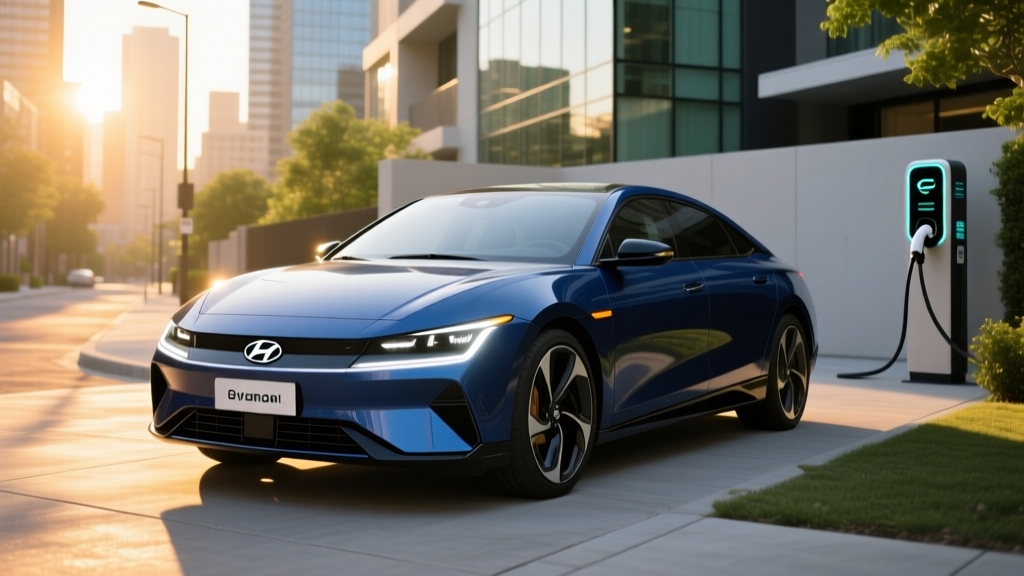
The Hyundai Ioniq 6 remains one of the most aerodynamically efficient electric sedans on the market, and for 2026, aggressive lease incentives make it a compelling alternative to buying outright. If you've been searching for a Hyundai Ioniq 6 lease deal, you're likely weighing monthly payments against range, charging speed, and whether the federal tax credit applies. This review covers every number that matters — from real-world highway range to DC fast-charge taper — so you can decide if this EV fits your commute and budget.
Quick Verdict: Who Should Lease the Ioniq 6?
The 2026 Ioniq 6 is ideal for efficiency-focused commuters and road-trippers who value low drag, fast charging, and a refined ride. The SE Standard Range trim starts under $38,000 MSRP, while the Long Range variants push past 360 miles EPA. Leasing sidesteps depreciation concerns and, thanks to Hyundai's frequent lease cash incentives (often $5,000–$7,500 applied at signing), can yield monthly payments rivaling mid-size gas sedans. However, the sloping roofline sacrifices rear headroom and trunk space compared to SUV rivals, making it a better fit for couples and solo drivers than families hauling cargo.
EPA Range, Battery Specs, and Real-World Expectations
The 2026 Ioniq 6 lineup offers two battery configurations. The SE Standard Range uses a 54.0 kWh (usable) lithium-ion polymer battery paired with a rear-wheel-drive motor, delivering an EPA-estimated 240 miles of range. The Long Range trims (SE, SEL, Limited) step up to a 77.4 kWh usable pack — still RWD or available dual-motor AWD — and achieve up to 361 miles EPA in the SE Light trim with 18-inch wheels.
Hyundai uses NMC (nickel manganese cobalt) chemistry across the Ioniq 6 lineup, prioritizing energy density over the cycle-life longevity of LFP packs found in some competitors. For leaseholders planning 2–3 year terms, NMC degradation is a non-issue — you'll return the car well before meaningful capacity loss occurs.
| Spec | SE Standard Range | SE/SEL Long Range RWD | Limited AWD |
|---|---|---|---|
| Battery (usable) | 54.0 kWh (NMC) | 77.4 kWh (NMC) | 77.4 kWh (NMC) |
| EPA Range | 240 mi | 361 mi (SE 18" wheels) | 316 mi |
| Motor | 149 hp RWD | 225 hp RWD | 320 hp Dual-Motor AWD |
| 0–60 mph | ~8.0 sec | ~6.2 sec | ~4.5 sec |
| MPGe (combined) | 120 MPGe | 140 MPGe | 111 MPGe |
| Efficiency | 28 kWh/100mi | 24 kWh/100mi | 30 kWh/100mi |
Charging Speed: DC Fast Charge, Level 2, and the 800V Advantage
Hyundai's E-GMP platform supports 800-volt DC fast charging, a feature that still separates the Ioniq 6 from most rivals under $55,000. On a 350 kW CCS-capable charger (such as Electrify America's latest stalls), the Long Range Ioniq 6 peaks at approximately 240 kW and charges from 10–80% in roughly 18 minutes under ideal conditions.
| Charging Level | Power / Voltage | Rate | Time (Long Range) |
|---|---|---|---|
| Level 1 (120V household) | ~1.4 kW | ~4 miles/hour | ~55 hours (0–100%) |
| Level 2 (240V home) | 10.9 kW (max onboard) | ~38 miles/hour | ~7.5 hours (0–100%) |
| DC Fast (350 kW CCS) | Peak ~240 kW | 10–80% in ~18 min | ~25 min (10–90%) |
A critical nuance many spec sheets omit: the charge curve tapers sharply above 80%. While 10–80% takes 18 minutes, pushing from 80–100% can add another 20+ minutes as the battery management system reduces current to protect cell health. On road trips, plan your stops around the 10–80% window for maximum efficiency.
For home charging, the Ioniq 6's 10.9 kW onboard charger is among the fastest in its class. A Level 2 installation on a 48-amp circuit (hardwired or NEMA 14-50) will fully replenish the Long Range battery overnight. Expect home installation costs of $500–$2,000 depending on panel proximity and whether your electrical panel requires an upgrade — always get a quote from a licensed electrician before committing.
Note: Hyundai has been transitioning some 2026 models to the NACS (Tesla Supercharger) connector. Verify with your dealer whether the Ioniq 6 you're leasing ships with CCS or NACS, as this affects public charging network access. Hyundai provides a CCS-to-NACS adapter for vehicles equipped with the legacy port.
Pricing, Lease Deals, and Federal Tax Credit Eligibility
The 2026 Ioniq 6 starts at an MSRP of approximately $37,750 for the SE Standard Range and climbs to roughly $52,600 for the Limited AWD. However, the real story is in leasing. Hyundai frequently offers lease cash — manufacturer incentives applied at signing — that can reach $5,000–$7,500 depending on the month and region. Combined with a competitive money factor and 36-month term, monthly payments of $299–$399 with $2,500–$3,999 due at signing are achievable on Long Range SE and SEL trims.
| Trim | Base MSRP | Typical Lease (36 mo) | §30D Credit on Purchase |
|---|---|---|---|
| SE Standard Range | $37,750 | ~$299/mo, $3,500 due | Up to $7,500* |
| SE Long Range | $42,250 | ~$349/mo, $3,500 due | Up to $7,500* |
| SEL Long Range | $45,700 | ~$379/mo, $3,999 due | Up to $7,500* |
| Limited AWD | $52,600 | ~$449/mo, $3,999 due | Up to $7,500* |
*Federal §30D tax credit eligibility requires meeting ALL of the following (per IRS guidelines): buyer AGI ≤ $150,000 single / $300,000 joint; vehicle MSRP ≤ $55,000 for sedans; and battery critical minerals + components sourced from approved trade partners. Credits can be transferred to the dealer as a point-of-sale rebate since 2024. The Ioniq 6's Korean battery sourcing has historically met requirements, but always verify current eligibility with your tax professional before signing.
Leasing has a distinct advantage: even if the vehicle doesn't qualify for the §30D purchase credit due to sourcing changes, the leasing company (Hyundai Capital) can claim the commercial clean vehicle credit under §45W and pass savings through as reduced lease payments. This "lease loophole" makes leasing more reliably incentivized than buying outright.
Performance, Efficiency, and Driving Impressions
The Long Range RWD Ioniq 6 produces 225 horsepower and 258 lb-ft of torque, launching to 60 mph in approximately 6.2 seconds. The dual-motor Limited AWD bumps output to 320 hp and 446 lb-ft, cutting the sprint to 4.5 seconds. Both feel responsive in city driving, with the RWD's lighter curb weight (~4,500 lbs) yielding sharper turn-in than the AWD.
Efficiency is where the Ioniq 6 truly shines. The SE Long Range RWD achieves 140 MPGe combined (24 kWh/100 miles), making it one of the most efficient EVs in its size class. This translates to roughly 3.5–4.0 miles per kWh in real-world mixed driving — a figure that directly reduces your electricity cost per mile and extends time between charges on road trips.
Ride quality is composed and firm, tuned for highway stability rather than plushness. Wind noise is remarkably low thanks to the 0.21 Cd drag coefficient — among the slipperiest production cars ever sold. Regenerative braking offers four levels adjustable via paddle shifters, including a true one-pedal driving mode (i-Pedal) that brings the car to a complete stop without touching the brake pedal.
Interior, Tech, and Cargo Practicality
The cabin features dual 12.3-inch displays (instrument cluster and infotainment) running Hyundai's latest connected-car OS with wireless Apple CarPlay and Android Auto. Physical buttons for climate control are retained — a welcome choice for drivers tired of touchscreen menus. Hyundai Digital Key 2 allows smartphone-based entry and start via NFC and UWB.
Driver assistance comes via Hyundai SmartSense, a Level 2 SAE suite including Highway Driving Assist 2 (HDA2) with lane-centering and adaptive cruise, Navigation-Based Smart Cruise Control (curve slowdown), and Remote Smart Parking Assist. HDA2 is competent on interstates but requires hands-on-wheel supervision — it is not a "self-driving" system.
Cargo space is the Ioniq 6's most-cited compromise. The trunk offers 11.3 cubic feet — significantly less than the Ioniq 5's 27.2 cu ft hatchback area. Rear headroom is also tight (37.1 inches) due to the sloping roofline, and taller passengers will notice the rake. Front legroom is generous at 41.7 inches. A small front trunk (frunk) is present on RWD models only (AWD uses that space for the front motor) and measures approximately 2.0 cu ft — enough for a charging cable bag, not much more.
Pros, Cons, and Competitor Comparison
Pros
- Class-leading efficiency: 140 MPGe combined on SE Long Range
- 800V architecture enables 10–80% in ~18 min on 350 kW chargers
- 361 miles EPA range (SE Long Range RWD with 18" wheels)
- Aggressive lease incentives often reduce effective cost below gas sedan rivals
- Ultra-low drag (0.21 Cd) minimizes highway wind noise
- Strong 10-year/100,000-mile battery warranty
Cons
- Trunk space (11.3 cu ft) is tight for a sedan; no hatchback utility
- Rear headroom compromised by sloping roofline
- AWD only available on top Limited trim
- Some 2026 models still ship CCS; adapter needed for NACS Superchargers
- Infotainment lacks the speed and polish of Tesla or Rivian systems
Compared to the Tesla Model 3, the Ioniq 6 offers more traditional styling, physical buttons, and comparable range, but less access to the Supercharger network (unless equipped with NACS or using an adapter). Against the BMW i4 eDrive40 (307 mi EPA, ~$57,000 MSRP), the Hyundai is substantially cheaper but less premium in materials. The Polestar 2 Long Range (320 mi EPA) is a closer design rival but trails on charging speed and efficiency.
Warranty and Long-Term Ownership
Hyundai backs the Ioniq 6 with a 5-year/60,000-mile new-vehicle limited warranty and a 10-year/100,000-mile battery warranty. The battery warranty guarantees the high-voltage pack will retain at least 70% of its original capacity during the coverage period — a threshold consistent with industry norms. For leaseholders on 24–36 month terms, you'll be well within coverage for the entire ownership period.
Complimentary maintenance is limited compared to some rivals: Hyundai offers 3 years/36,000 miles of complimentary service (tire rotation, inspections). Roadside assistance runs 5 years/unlimited miles.
Frequently Asked Questions
What is the real-world range of the Hyundai Ioniq 6?
The EPA rates the SE Long Range RWD at 361 miles. In real-world highway driving at 70 mph, expect 300–320 miles. In cold weather (below freezing), plan for 250–280 miles. The Standard Range model delivers roughly 200–210 miles real-world highway.
How fast does the Ioniq 6 charge at home and on the road?
On a 350 kW DC fast charger, the Long Range Ioniq 6 peaks at ~240 kW and charges 10–80% in about 18 minutes. At home on a Level 2 (240V, 48-amp) charger, the 10.9 kW onboard charger adds roughly 38 miles per hour, fully replenishing the Long Range battery in about 7.5 hours.
How much does the Ioniq 6 cost after tax credits and incentives?
The SE Standard Range starts at $37,750 MSRP. If you qualify for the full $7,500 federal §30D credit (income, MSRP, and sourcing rules apply), the effective purchase price drops to ~$30,250. Leasing often yields even better economics, with typical payments of $299–$399/month after lease cash incentives of $5,000–$7,500 are applied at signing.
Does the 2026 Ioniq 6 qualify for the federal EV tax credit?
It depends on current battery sourcing rules and your personal tax situation. The Ioniq 6 has historically qualified for the full $7,500 under §30D because its Korean-sourced battery meets critical-mineral and component requirements. However, sourcing rules tighten periodically. Verify current eligibility on fueleconomy.gov and consult a tax professional before relying on the credit.
Is leasing the Ioniq 6 better than buying?
For many buyers in 2026, yes. Hyundai's lease cash incentives are often more generous than the purchase credit, and leasing sidesteps depreciation risk (EVs have seen volatile resale values). The "lease loophole" also ensures the commercial credit can be passed through even if retail sourcing rules disqualify a purchase. If you drive under 12,000–15,000 miles/year and prefer a new car every 3 years, leasing is the stronger financial play.
Is the Ioniq 6 worth it over the Tesla Model 3 or BMW i4?
Choose the Ioniq 6 if you prioritize efficiency, fast 800V charging, and a distinctive design at a sub-$45,000 price point. Choose the Model 3 if Supercharger network access and software polish matter most. Choose the BMW i4 if premium materials and driving dynamics justify a $15,000+ premium. For most cost-conscious EV buyers, the Ioniq 6 with a lease deal offers the best value-per-mile-of-range in the segment.