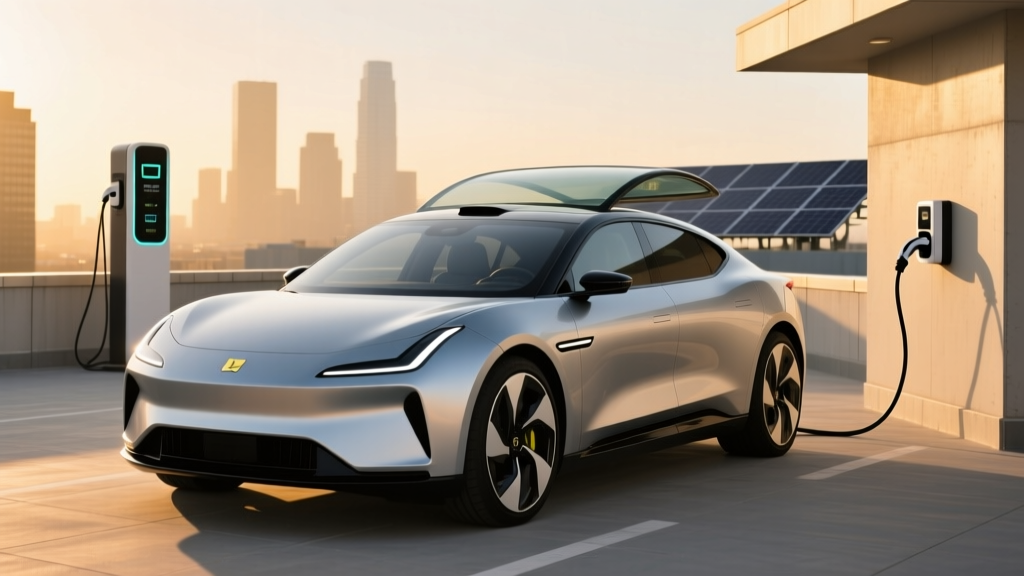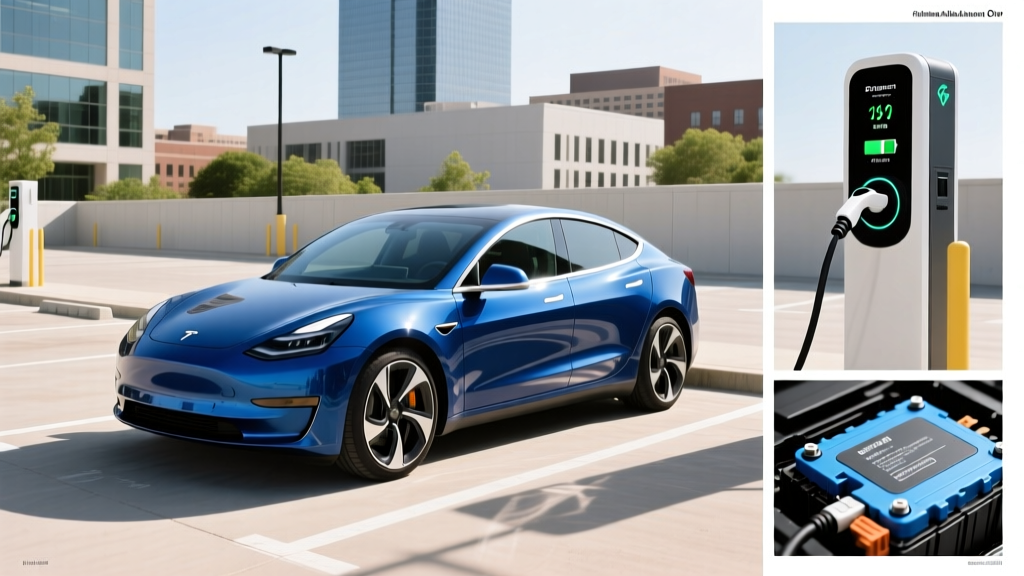
The Hyundai Ioniq 6 has always been the polarizing sibling in Hyundai's electric lineup. While the boxier Ioniq 5 wins the parking-lot beauty contest, the Ioniq 6's teardrop silhouette delivers something the Ioniq 5 can't match: class-leading efficiency and serious highway range. But for 2026, buyers aren't just asking about the aero — they're asking about the cabin. The Ioniq 6 interior is where you'll spend every mile, and it's where this sedan either earns your money or loses it.
After spending time with the 2026 Ioniq 6 across multiple trims and climates, here's our data-driven breakdown of what this EV actually delivers — from real-world range and charging curves to the interior dimensions, material quality, and tech stack that define daily ownership.
2026 Ioniq 6 at a Glance: Key Specs
| Spec | SE Standard Range (RWD) | SE/SEL/Limited Long Range (RWD) | Long Range AWD |
|---|---|---|---|
| EPA Range | 240 mi | 361 mi | 316 mi |
| Battery (usable) | 54.0 kWh | 77.4 kWh | 77.4 kWh |
| Chemistry | NMC (Nickel Manganese Cobalt) | NMC | NMC |
| Motor / Drivetrain | Single RWD | Single RWD | Dual-motor AWD |
| Horsepower | 149 hp | 225 hp | 320 hp |
| 0–60 mph | ~7.5 sec | ~6.1 sec | ~4.5 sec |
| Max DC Fast Charge | ~175 kW | ~235 kW | ~235 kW |
| 10–80% DCFC Time | ~24 min | ~18 min | ~18 min |
| Level 2 Home Charge Rate | 10.9 kW | 10.9 kW | 10.9 kW |
| EPA Efficiency (Combined) | 135 MPGe | 140 MPGe | 111 MPGe |
| Base MSRP (incl. dest.) | ~$38,950 | ~$43,500 | ~$47,500 |
Source: fueleconomy.gov and Hyundai Motor America specifications. Specs reflect 2026 model year. Always confirm with your dealer, as mid-year running changes occur.
The Ioniq 6 Interior: Design, Space, and Daily Livability
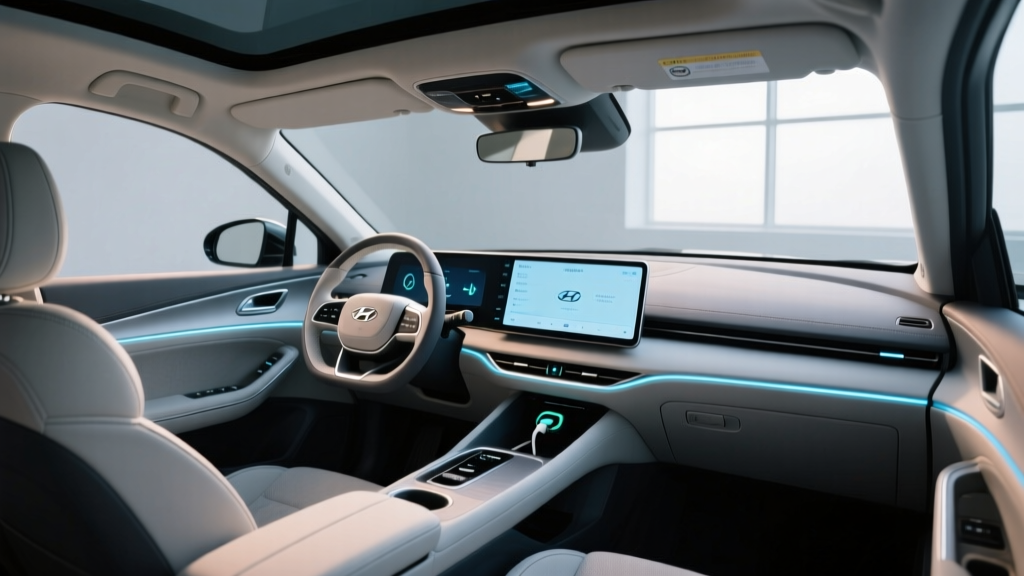
This is the keyword that brings you here, and it deserves an honest answer. The 2026 Ioniq 6 interior is a deliberate exercise in minimalism — dual 12.3-inch displays sit behind a single curved glass panel, the center console floats to create knee room, and ambient lighting runs in a continuous arc across the dash and doors. Hyundai calls it a "mindful cocoon." You'll either love the restraint or find it sparse compared to the plush, button-rich cabins of luxury competitors.
Passenger and Cargo Dimensions
| Dimension | Ioniq 6 | Tesla Model 3 (Refresh) | BMW i4 |
|---|---|---|---|
| Front Headroom | 40.2 in | 40.3 in | 38.3 in |
| Front Legroom | 41.7 in | 42.0 in | 41.5 in |
| Rear Headroom | 37.1 in | 37.5 in | 36.6 in |
| Rear Legroom | 35.7 in | 35.3 in | 34.6 in |
| Trunk (rear seats up) | 12.3 cu ft | 23.0 cu ft (hatch) | 16.6 cu ft (hatch) |
| Frunk | 0.5 cu ft (AWD) / 1.6 cu ft (RWD) | 3.1 cu ft | — |
The sloping roofline is the Ioniq 6's greatest design asset and its biggest interior compromise. Rear headroom is tighter than the Model 3, and taller passengers (6'2"+) will notice the hair-brush against the headliner on longer trips. The trunk, at 12.3 cubic feet, is a traditional sedan shape with a narrow pass-through — adequate for a week's groceries but not competitive with hatchback rivals for bulk hauling. If cargo versatility is a priority, the Ioniq 5 or a Model 3 will serve you better.
Where the Ioniq 6 interior shines is the front-seat experience. The floating bridge console provides genuine storage underneath, the armrest cubby is deep, and the dual wireless charging pads (on SEL and above) are angled so phones don't slide during cornering. Material quality on the Limited trim includes H-Tex (Hyundai's vegan leatherette) with a convincing grain, recycled fabric headliner, and soft-touch surfaces on the upper dash and door uppers. The SE trims swap in more hard plastics on the lower door panels and console sides — noticeable if you're coming from a mid-$40K BMW.
Infotainment and Tech
The 2026 Ioniq 6 runs Hyundai's latest ccNC (Connected Car Navigation Cockpit) software across the dual 12.3-inch displays. Wireless Apple CarPlay and Android Auto are standard on all trims. Over-the-air updates are supported. The digital cluster offers an EV-specific range-prediction overlay that adjusts based on your recent driving pattern and selected route — more useful than the static EPA estimate most EVs show.
One notable quirk: Hyundai relocated most climate controls to the touchscreen, but for 2026 retained a slim row of physical shortcut buttons for fan speed, defrost, and temperature — a welcome compromise between the button-less Tesla approach and the knob-heavy legacy brands.
Real-World Range: What the EPA Sticker Doesn't Tell You
Real-World Expectation: In mixed driving at 70°F, expect roughly 310–330 miles from the Long Range RWD before hitting 10% SoC. On sustained 75 mph highway runs in summer, plan for ~280–300 miles. In freezing weather (below 32°F), range drops 20–30% — a 361-mile sticker becomes roughly 250–290 miles depending on cabin heat usage and whether you precondition. The Ioniq 6's 0.21 Cd drag coefficient helps it hold highway efficiency better than boxier crossovers, but cold-weather battery chemistry losses affect all NMC packs similarly.
The Long Range RWD with 18-inch aero wheels is the efficiency champion of the lineup. Opt for the 20-inch wheels on the Limited, and you'll surrender roughly 20–30 miles of EPA range due to increased rolling resistance and weight — a meaningful trade-off if your commute is long and charging access is limited.
The Ioniq 6's heat pump (standard on Long Range trims) mitigates cold-weather losses compared to EVs without one, but it's not a magic bullet. If you live in northern-tier states and lack a garage for preconditioning, budget for a realistic 250-mile winter range from the Long Range model and plan your road trips accordingly.
Charging Speed: 800V Architecture Makes a Real Difference
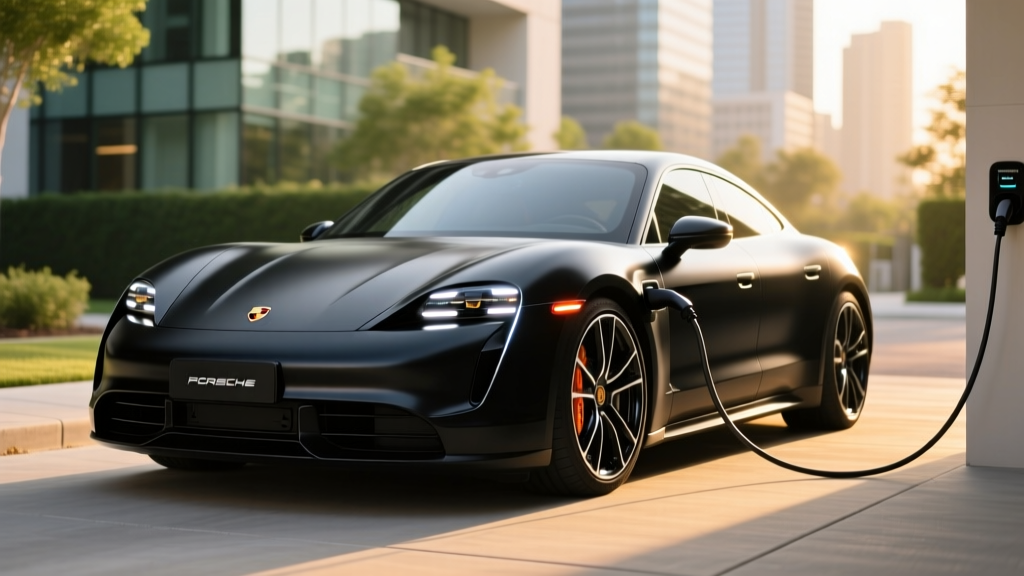
Hyundai's E-GMP platform runs an 800-volt electrical architecture — the same hardware advantage found in the Porsche Taycan and Kia EV6 — allowing the Ioniq 6 to accept DC fast-charge rates that most 400V competitors simply can't match.
| Charging Level | Power / Rate | What You Get | Notes |
|---|---|---|---|
| Level 1 (120V household) | ~1.4 kW | ~3–4 mi/hr | Emergency/trickle only; a full Standard Range charge takes ~40+ hours |
| Level 2 (240V home, 48A circuit) | 10.9 kW | ~30–35 mi/hr | Full Long Range charge in ~8–9 hours; requires 60A dedicated circuit |
| DC Fast Charge (800V capable) | Peak ~235 kW | 10–80% in ~18 min | Requires 350 kW-class station; sustained rate tapers above 80% SoC |
| DC Fast Charge (50 kW station) | ~50 kW | 10–80% in ~70 min | Common at older Electrify America and ChargePoint sites |
Charging curve reality: The Ioniq 6's peak ~235 kW rate holds roughly from 10–45% SoC, then tapers to ~150 kW through 65%, and further to ~80 kW above 80%. This means the published "10–80% in 18 minutes" figure is achievable at a high-power 350 kW charger with a preconditioned battery — but charging from 80–100% will add another 25–30 minutes. For road-trip planning, the 10–80% window is what matters, and 18 minutes is genuinely among the fastest in this price class.
For home charging, the Ioniq 6's onboard charger accepts up to 10.9 kW on Level 2. With a 48-amp hardwired Level 2 station on a 60-amp circuit, you'll add roughly 30–35 miles of range per hour of charging — enough to fully replenish a Long Range battery overnight. Installation costs typically run $500–$1,800 depending on panel capacity and conduit distance, though a panel upgrade to 200A can push this above $3,000 if your home's electrical service is older.
Performance and Driving Impressions
The Ioniq 6 is tuned for composure, not theatrics. Even the 320-hp AWD model, with its 4.5-second 0–60 time, delivers acceleration in a smooth, linear swell rather than the neck-snapping torque dump of a Tesla Model 3 Performance. The steering is light and precise — ideal for commuting, less inspiring on a canyon road. Body control is excellent; the low center of gravity from the floor-mounted battery pack keeps the sedan flat through transitions.
Regenerative braking offers four levels selectable via steering-wheel paddles, including a full one-pedal driving mode (i-Pedal) that brings the car to a complete stop without touching the brake pedal. The transition between regen and friction braking is among the smoothest in the segment — no grabby handoff that plagues some competitors.
Hyundai's Highway Driving Assist 2 (HDA2) is standard on all trims and provides lane-centering, adaptive cruise, and lane-change assist. This is an SAE Level 2 system — you must keep hands on the wheel and eyes on the road at all times. It's competent for highway commuting but does not navigate exits, stoplights, or construction zones autonomously.
Pricing, Trims, and Federal Tax Credit Eligibility
| Trim | Drivetrain | MSRP (incl. dest.) | Est. After §30D Credit* |
|---|---|---|---|
| SE Standard Range | RWD | ~$38,950 | ~$31,450 |
| SE Long Range | RWD | ~$43,500 | ~$36,000 |
| SEL Long Range | RWD | ~$46,000 | ~$38,500 |
| Limited Long Range | RWD | ~$51,000 | ~$43,500 |
| SEL Long Range | AWD | ~$47,500 | ~$40,000 |
| Limited Long Range | AWD | ~$52,500 | ~$45,000 |
*Federal tax credit caveats: The IRS §30D clean vehicle credit provides up to $7,500, split into two halves — $3,750 for meeting critical-mineral sourcing requirements and $3,750 for battery-component sourcing. Eligibility depends on several factors that change periodically:
- MSRP cap: Sedans must be under $55,000 MSRP. The Ioniq 6 Limited AWD at ~$52,500 clears this; options that push it above $55K will disqualify the vehicle.
- Buyer income cap: Modified AGI must not exceed $150,000 (single), $225,000 (head of household), or $300,000 (married filing jointly).
- Battery sourcing: Critical minerals and battery component rules tighten annually. Hyundai has worked to shift Ioniq 6 battery sourcing to qualify, but the exact credit amount ($3,750 or $7,500) can vary by production batch and model year.
- Point-of-sale transfer: As of 2024, buyers can transfer the credit to the dealer at purchase, reducing the purchase price directly rather than waiting for a tax refund.
Always verify current eligibility on IRS.gov before committing to a purchase, as sourcing requirements and qualifying VIN lists update regularly.
Ownership Costs, Warranty, and Long-Term Value
Hyundai backs the Ioniq 6 with one of the strongest warranty packages in the EV market:
- New vehicle limited warranty: 5 years / 60,000 miles
- Powertrain warranty: 10 years / 100,000 miles
- Battery capacity warranty: 10 years / 100,000 miles (covers degradation below 70% state of health)
- Complimentary maintenance: 3 years / 36,000 miles (includes tire rotation, cabin filter, multi-point inspection)
- Roadside assistance: 5 years / unlimited miles
The 70% capacity retention threshold is industry-standard, matching what Tesla and most legacy brands offer. Independent fleet data suggests Hyundai's NMC packs on the E-GMP platform have shown moderate degradation — typically 8–12% loss over the first 100,000 miles in moderate climates. Cold-climate owners who DC fast-charge frequently may see slightly higher degradation; preconditioning before charging and avoiding sustained storage above 80% SoC can help preserve long-term battery health.
Insurance costs for the Ioniq 6 run 10–20% higher than a comparable gas-powered Sonata, which is typical for EVs due to higher repair costs after collision. Get quotes before purchasing — your zip code and driving record will determine the actual premium more than the vehicle itself.
Ioniq 6 vs. the Competition: Where It Stands
- Best-in-class efficiency (140 MPGe combined, Long Range RWD)
- 800V charging — 10–80% in ~18 min at 350 kW stations
- Quiet, composed ride quality on par with luxury sedans
- Generous 10-year/100,000-mile battery and powertrain warranty
- Strong federal tax credit eligibility on most trims
- Comfortable, minimalist interior with excellent front-seat ergonomics
- Trunk is small (12.3 cu ft) and sedan-shaped — no hatch versatility
- Rear headroom tight for passengers over 6'2"
- Frunk is nearly useless (0.5 cu ft on AWD)
- Touchscreen-heavy climate controls take adjustment
- AWD range drops to 316 mi — less competitive vs. Model 3 LR AWD
- Standard Range trim is slow (149 hp) and limited to 240 mi range
Choose the Ioniq 6 if: You prioritize highway efficiency and fast charging over cargo space, you commute long distances and want to minimize charging stops, and you appreciate a quiet, minimalist cabin over a tech-forward performance experience.
Look elsewhere if: You need hatchback cargo versatility (Ioniq 5, Model 3), you want the sharpest handling in the segment (BMW i4, Model 3 Performance), or you regularly carry tall rear-seat passengers.
Frequently Asked Questions
What is the real-world range of the Hyundai Ioniq 6?
The EPA rates the Long Range RWD at 361 miles, but real-world mixed driving typically yields 310–330 miles. Sustained 75 mph highway driving reduces this to roughly 280–300 miles. In sub-freezing temperatures, expect 250–290 miles depending on cabin heat usage and preconditioning habits. The AWD model's 316-mile EPA figure translates to roughly 270–290 miles in temperate mixed driving.
How fast does the Ioniq 6 charge at home and on the road?
At home on a 240V Level 2 charger (48 amps), the Ioniq 6 accepts up to 10.9 kW, adding about 30–35 miles of range per hour — a full charge takes roughly 8–9 hours. On a 350 kW-class DC fast charger, the Long Range models peak at approximately 235 kW and charge from 10–80% in about 18 minutes. On a 50 kW station, the same 10–80% window takes roughly 70 minutes.
How much does the Ioniq 6 cost after the federal tax credit?
If you qualify for the full $7,500 §30D credit, the SE Standard Range drops to approximately $31,450 and the SE Long Range to about $36,000. Eligibility requires meeting income caps ($150K single / $300K joint), MSRP limits (under $55K for sedans), and battery sourcing requirements. Credit can be transferred to the dealer at point of sale. Always verify on IRS.gov before purchasing.
Does the 2026 Ioniq 6 qualify for the federal EV tax credit?
Most 2026 Ioniq 6 trims qualify for at least partial credit ($3,750 or $7,500), depending on battery component and critical-mineral sourcing for the specific production batch. Hyundai has actively shifted supply chains to maximize eligibility. The Limited AWD at ~$52,500 MSRP clears the $55,000 sedan cap, but heavily optioned units may exceed it. Check the IRS qualifying vehicle list for the specific VIN you're considering.
Is the Ioniq 6 worth buying over a Tesla Model 3 or Hyundai Ioniq 5?
The Ioniq 6 wins on efficiency, charging speed (800V vs. Tesla's ~250 kW peak on non-Tesla networks), and ride refinement. The Model 3 wins on cargo versatility (hatchback), Supercharger network convenience, and over-the-air software iteration. The Ioniq 5 offers more interior and cargo space with a similar powertrain. If highway commuting and fast DC charging are your top priorities, the Ioniq 6 is the strongest choice in its class. If you need cargo room or Supercharger access, look to the Model 3 or Ioniq 5.
What's the Ioniq 6 interior like for daily use?
The cabin is minimalist and well-built, with dual 12.3-inch curved displays, a floating center console, and generous front-seat space. Rear headroom is limited by the sloping roofline — passengers over 6'2" will feel it. The trunk is a conventional sedan shape at 12.3 cubic feet, smaller than hatchback rivals. Material quality is strong on SEL and Limited trims; SE trims use more hard plastics. Wireless CarPlay and Android Auto are standard across all trims.
Safety ratings: The Ioniq 6 earned a 5-star overall rating from NHTSA and was named an IIHS Top Safety Pick+. Always review the latest crash-test results for the specific model year.