For model year 2026, Hyundai discontinued the standard Ioniq 6 in the United States, eliminating the SE Standard Range trim that had served as the sedan's entry point since its 2023 launch. The move leaves only the Extended Range variants in Hyundai's U.S. lineup, fundamentally shifting the Ioniq 6 from a sub-$40,000 EV proposition to a premium mid-range electric sedan starting above $45,000 before incentives.
If you've been tracking the Ioniq 6 as a budget-friendly Tesla Model 3 alternative, this change matters. Below, we break down exactly what's available now, what the Extended Range Ioniq 6 delivers in real-world driving and charging, and whether the remaining trims still make financial sense — or if competitors offer better value in 2026.
What Hyundai Actually Discontinued (and What Remains)
The Standard Range Ioniq 6 SE was built around a 53.0 kWh (usable) battery pack using lithium iron phosphate (LFP) chemistry, paired with a single rear-mounted motor producing 149 horsepower. It carried an EPA-estimated 240 miles of range and started at $37,500 for the 2025 model year.
Hyundai's decision to drop it from the U.S. catalog aligns with a broader industry trend: automakers are trimming lower-margin, shorter-range EV trims in favor of higher-content models that justify their price tags with longer range and more features. The Standard Range Ioniq 6 was competitive on price but struggled against the Tesla Model 3 RWD (363 miles EPA, ~$38,990) on the spec sheet.
For 2026, the U.S. Ioniq 6 lineup consists exclusively of Extended Range models:
- SE — single-motor RWD, 77.4 kWh battery
- SEL — single-motor RWD or dual-motor AWD, 77.4 kWh battery
- Limited — dual-motor AWD, 77.4 kWh battery, full premium package
2026 Ioniq 6 Extended Range: Full Specification Breakdown
| Specification | SE / SEL (RWD) | SEL / Limited (AWD) |
|---|---|---|
| Battery (usable) | 77.4 kWh | 77.4 kWh |
| Battery Chemistry | NMC (Nickel Manganese Cobalt) | NMC |
| EPA Range | 361 mi (SE), 342 mi (SEL RWD) | 316 mi (SEL AWD), 290 mi (Limited) |
| Motor / Drivetrain | Single RWD, 225 hp | Dual-motor AWD, 320 hp |
| 0–60 mph | 6.1 sec (est.) | 4.5 sec (est.) |
| MPGe (combined) | 140 MPGe (SE) | 111 MPGe (Limited AWD) |
| Efficiency | 24 kWh/100 mi | 30 kWh/100 mi |
| Max DC Fast Charge | 235 kW (peak) | 235 kW (peak) |
| 10–80% DC Charge Time | ~18 min (optimal conditions) | ~18 min (optimal conditions) |
| Level 2 Home Charge (kW) | 10.9 kW (48A) | 10.9 kW (48A) |
| Level 2 Miles/Hour | ~37 mi/hr | ~31 mi/hr |
| Cargo Volume (trunk) | 11.2 cu ft | 11.2 cu ft |
| Frunk Volume | 0.5 cu ft (AWD) / 1.6 cu ft (RWD) | 0.5 cu ft |
| Rear Legroom | 36.8 in | 36.8 in |
| Battery Warranty | 10 yr / 100,000 mi | 10 yr / 100,000 mi |
The Ioniq 6 SE's 361-mile EPA figure is impressive on paper, but real-world results vary. In 70°F highway testing at 70 mph, expect approximately 300–320 miles. In cold weather (below 30°F), range can drop 20–30%, putting a realistic winter highway figure closer to 250–270 miles for the RWD SE. The Limited AWD, with its 290-mile EPA rating and 20-inch wheels, may deliver as little as 210–230 miles in freezing conditions. The Ioniq 6's heat pump (standard on all trims) helps mitigate cabin heating losses but does not eliminate cold-weather range reduction entirely.
Charging Speed and Infrastructure Compatibility
The Ioniq 6's 800V electrical architecture remains one of its strongest technical advantages. This allows peak DC fast-charging at up to 235 kW on compatible 350 kW chargers — meaning you can add roughly 200 miles in about 15 minutes under ideal thermal conditions.
However, "peak" and "sustained" are not the same thing. The Ioniq 6's charge curve tapers noticeably above 65% state of charge. In real-world testing, the 10–80% charge takes approximately 18 minutes on a 350 kW Electrify America or Tesla Supercharger (via NACS adapter) station, but charging from 80–100% can add another 20+ minutes due to aggressive tapering. Plan to charge to 80% on road trips and move on.
| Charge Level | Power | Time | Miles Added |
|---|---|---|---|
| Level 1 (120V outlet) | ~1.4 kW | 55+ hours (0–100%) | ~5 mi/hr |
| Level 2 (240V, 48A) | 10.9 kW | ~7.5 hours (0–100%) | ~37 mi/hr (RWD) |
| DC Fast (350 kW station) | Peak 235 kW | ~18 min (10–80%) | ~200 mi in 15 min |
| DC Fast (150 kW station) | Peak ~130 kW | ~28 min (10–80%) | ~140 mi in 15 min |
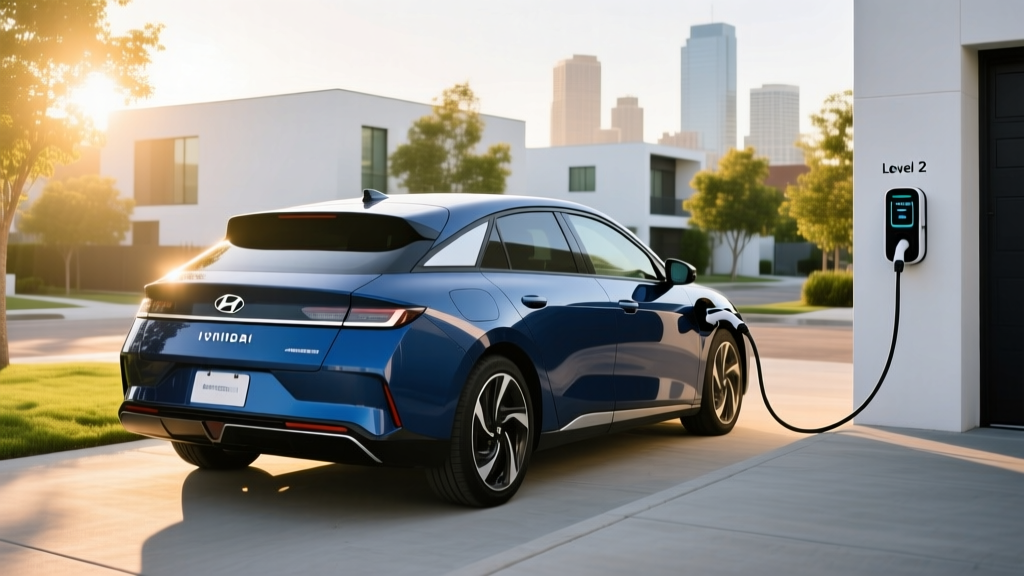
For 2026, Hyundai provides a NACS adapter for Tesla Supercharger access, expanding the Ioniq 6's usable fast-charging network significantly. The native port remains CCS1. Home charging on a Level 2 wallbox will fully replenish the 77.4 kWh battery overnight — a practical advantage for daily commuters with garage or driveway access.
Pricing, Trims, and Federal Tax Credit Eligibility
With the Standard Range gone, the 2026 Ioniq 6 starts at a higher price point than the outgoing entry-level model:
| Trim | Drivetrain | Base MSRP | Est. After §30D Credit* |
|---|---|---|---|
| SE | RWD | $45,500 | $38,000 |
| SEL | RWD | $48,250 | $40,750 |
| SEL | AWD | $51,750 | $44,250 |
| Limited | AWD | $56,500 | $49,000 |
*Estimated figures assume full $7,500 federal tax credit eligibility. Actual credit depends on IRS §30D requirements.
- MSRP Cap: Sedans must be ≤ $55,000. The Ioniq 6 SE, SEL, and SEL AWD qualify. The Limited at $56,500 exceeds the cap and does NOT qualify.
- Buyer Income Cap: Modified AGI ≤ $150,000 (single), $225,000 (head of household), $300,000 (joint).
- Battery Sourcing: Critical minerals and battery components must meet escalating domestic/free-trade-partner thresholds. Hyundai's battery supply chain for U.S.-spec Ioniq 6 has been adjusted, but verify current-year compliance at IRS.gov or with your tax professional.
- Point-of-Sale Transfer: The credit can be applied at the dealership at purchase, reducing your out-of-pocket cost immediately — you do not need to wait until tax filing.
- Assembly: The Ioniq 6 sold in the U.S. is assembled in South Korea, but final assembly requirements were modified under subsequent trade agreements. Confirm current eligibility before purchase.
The discontinuation of the Standard Range model means budget-conscious buyers lose the most affordable entry point. A 2025 Standard Range SE started at $37,500 — roughly $8,000 less than the current Extended Range SE. If you find remaining 2025 Standard Range inventory at a dealer, it may represent a significant value, though you sacrifice approximately 120 miles of EPA range.
Driving Dynamics, Tech, and Daily Livability
The Ioniq 6's aerodynamic "Electrified Streamliner" shape (0.21 Cd drag coefficient) is not just for aesthetics — it directly contributes to the SE's outstanding 140 MPGe combined efficiency, making it one of the most energy-efficient EVs on the market. On a cost-per-mile basis, the RWD Ioniq 6 SE at $0.13/kWh averages roughly $0.031/mile — significantly cheaper than a 30 MPG gas car at $3.50/gallon ($0.117/mile).
Performance: The 225 hp RWD motor is adequate for commuting and highway merging (0–60 in ~6.1 seconds) but won't thrill enthusiasts. The 320 hp AWD models deliver genuine quickness at 4.5 seconds to 60, competitive with a Tesla Model 3 Long Range AWD.
Interior and Tech: The dual 12-inch display setup (instrument cluster + infotainment) runs Hyundai's latest software with wireless Apple CarPlay and Android Auto. The center console features physical climate controls — a practical choice over touchscreen-only setups. The Limited trim adds a head-up display, Bose premium audio, ventilated front seats, and a digital side-mirror system (camera-based, where permitted).
Driver Assistance: Hyundai SmartSense is standard across all trims, including adaptive cruise control with stop-and-go, lane-keeping assist, blind-spot monitoring, and rear cross-traffic collision avoidance. This is a SAE Level 2 driver-assistance system — it requires continuous driver engagement and does not constitute autonomous driving. Highway Driving Assist 2 (HDA-2) adds lane-change assist on highways but still demands hands-on-wheel supervision.
Cargo Limitations: This is where the Ioniq 6's sleek design exacts a toll. The trunk offers just 11.2 cu ft — less than a Toyota Camry (15.1 cu ft) and far less than a Tesla Model 3 (23 cu ft with seats folded). The rear seat does fold 60/40, but the narrow trunk opening and sloping roofline limit practicality for bulky items. The frunk is nearly negligible at 0.5 cu ft on AWD models. If cargo capacity is a priority, look elsewhere.
How the Ioniq 6 Stacks Up Against Key Competitors
| Specification | Ioniq 6 SE (RWD) | Tesla Model 3 LR (RWD) | BMW i4 eDrive40 | Polestar 2 LR SM |
|---|---|---|---|---|
| EPA Range | 361 mi | 363 mi | 307 mi | 320 mi |
| Battery (usable) | 77.4 kWh | 75.0 kWh | 81.5 kWh | 78.0 kWh |
| Starting MSRP | $45,500 | $44,130 | $57,900 | $51,300 |
| 0–60 mph | 6.1 sec | 4.9 sec | 5.5 sec | 5.9 sec |
| DC Fast Charge (peak) | 235 kW | 250 kW | 205 kW | 205 kW |
| Cargo (trunk) | 11.2 cu ft | 23.0 cu ft | 16.6 cu ft | 14.4 cu ft |
| Efficiency | 140 MPGe | 132 MPGe | 109 MPGe | 114 MPGe |
- Choose the Ioniq 6 SE if: Maximum efficiency and lowest cost-per-mile matter most, you want the fastest 10–80% charging in its class, and you don't need large cargo space.
- Choose the Tesla Model 3 if: You prioritize Supercharger network reliability, cargo versatility, software/OTA updates, and the broadest public charging access.
- Choose the BMW i4 if: You want premium interior materials, a traditional luxury badge, and don't mind paying $12,000+ more for less range.
- Choose the Polestar 2 if: Scandinavian design, Google-built infotainment, and a hatchback cargo area appeal to you, and you accept lower efficiency.
The Verdict: Is the Remaining Ioniq 6 Lineup Worth It?
Hyundai's decision to discontinue the Standard Range Ioniq 6 in the United States removes what was arguably the most compelling trim for value-oriented buyers. The remaining Extended Range models are excellent electric sedans — particularly the SE RWD at 361 miles EPA and 140 MPGe — but they now compete in a tighter, more expensive segment.
- Class-leading efficiency (140 MPGe combined on SE)
- Ultra-fast 800V DC charging architecture (10–80% in ~18 min)
- 10-year / 100,000-mile battery warranty
- Standard heat pump for cold-weather efficiency
- Physical climate controls and strong ADAS suite
- NACS adapter included for Supercharger access
- Small trunk (11.2 cu ft) limits practicality
- Frunk nearly useless on AWD trims
- No Standard Range option — entry price jumps to $45,500
- Limited trim exceeds $55K MSRP cap, losing §30D eligibility
- Rear visibility hampered by sloping roofline
- No front trunk storage to speak of on AWD
If you can access home Level 2 charging, prioritize efficiency over cargo, and the SE or SEL trims fit your budget after the federal credit, the 2026 Ioniq 6 remains a data-backed smart buy. But the elimination of the $37,500 entry point means some buyers will — rationally — look at the Tesla Model 3, a certified pre-owned 2025 Ioniq 6 Standard Range, or a PHEV alternative like the Hyundai Sonata Hybrid if daily electric-only driving isn't essential.
Frequently Asked Questions
What is the real-world range of the 2026 Ioniq 6?
The EPA rates the Ioniq 6 SE (RWD) at 361 miles, the SEL RWD at 342 miles, the SEL AWD at 316 miles, and the Limited AWD at 290 miles. In real-world highway driving at 70 mph and moderate temperatures, expect roughly 85–90% of the EPA figure — so about 300–320 miles for the SE. In cold weather below 30°F, reduce that by an additional 15–20%, bringing the SE down to approximately 250–270 miles of real-world highway range.
How fast does the Ioniq 6 charge at home and on the road?
At home on a 240V Level 2 charger (48A / 10.9 kW), the Ioniq 6 adds roughly 37 miles of range per hour on the RWD model, fully charging in about 7.5 hours. On a 350 kW DC fast charger, it peaks at 235 kW and charges from 10–80% in approximately 18 minutes. On a 150 kW station, expect 10–80% in about 28 minutes.
How much does the Ioniq 6 cost after the federal tax credit?
The 2026 Ioniq 6 SE starts at $45,500 MSRP. If you qualify for the full $7,500 §30D federal tax credit (meeting income, MSRP, and battery-sourcing requirements), the effective price drops to approximately $38,000. The SEL RWD comes to ~$40,750, and the SEL AWD to ~$44,250. The Limited at $56,500 exceeds the $55,000 sedan MSRP cap and does not qualify for the federal credit.
Does the 2026 Ioniq 6 qualify for the federal EV tax credit?
The SE, SEL RWD, and SEL AWD trims fall under the $55,000 MSRP cap for sedans and are potentially eligible for the full $7,500 credit, provided the buyer meets income limits ($150K single / $300K joint) and the vehicle's battery meets current-year critical-mineral and component sourcing thresholds. The Limited trim is NOT eligible due to its $56,500 MSRP. Always verify current eligibility at IRS.gov and consult a tax professional before purchase.
Is the Ioniq 6 worth buying vs. the Tesla Model 3?
The Ioniq 6 SE offers slightly better efficiency (140 vs. 132 MPGe) and comparable range (361 vs. 363 miles EPA). The Model 3 wins on cargo space (23 vs. 11.2 cu ft), Supercharger network seamlessness, and software ecosystem. The Ioniq 6 wins on charging speed (800V architecture), warranty (10yr/100k vs. 8yr/120k), and physical controls. Your decision likely hinges on cargo needs and charging network preference.
Why did Hyundai discontinue the Standard Range Ioniq 6?
Hyundai discontinued the Standard Range Ioniq 6 (53 kWh LFP battery, 240 miles EPA, ~$37,500 MSRP) in the U.S. market for 2026, likely due to margin pressure, the competitive disadvantage of its shorter range versus the Tesla Model 3 RWD (363 miles), and a strategic shift toward higher-content, higher-margin Extended Range trims. Remaining 2025 Standard Range inventory may still be available at select dealerships.
What is the Ioniq 6's battery warranty?
Hyundai provides a 10-year / 100,000-mile warranty on the Ioniq 6's high-voltage battery pack and electric powertrain components, one of the longest in the EV industry. The warranty covers battery capacity degradation below a specified threshold (typically 70% state of health) during the coverage period. The basic vehicle warranty is 5 years / 60,000 miles. See fueleconomy.gov for additional EV ownership data.