The Tesla Motors Competitor That Keeps Getting Better
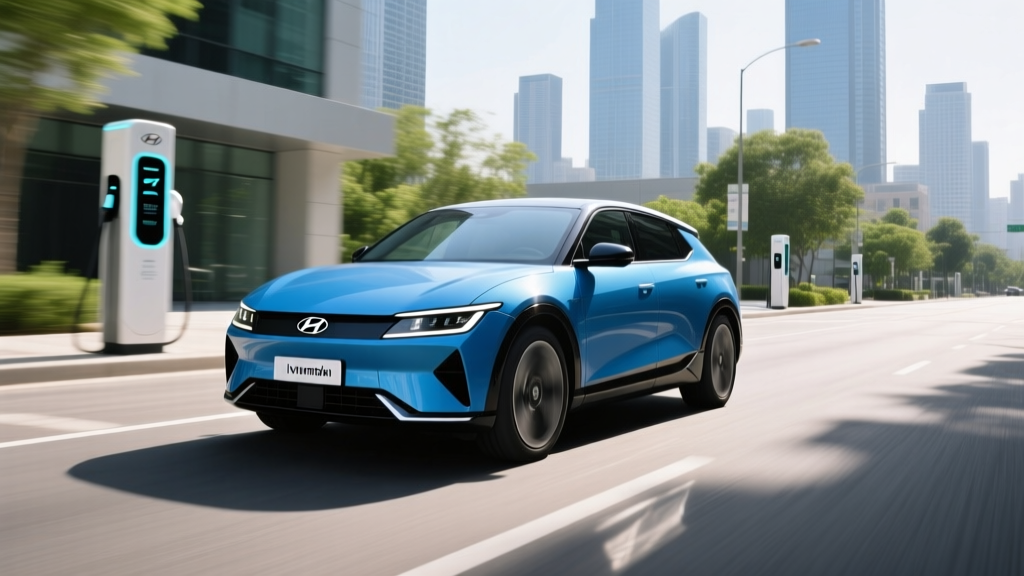
When EV shoppers search for tesla motors competitors, one name consistently surfaces in cross-shop lists: the Hyundai Ioniq 5. Now in its 2026 model year, the Ioniq 5 has matured into a serious alternative to the Tesla Model Y, offering competitive range, segment-leading charging speeds, and a design language that stands apart from the Silicon Valley minimalist template. But does the spec sheet hold up in real-world driving, and how does ownership economics compare once you factor in incentives, efficiency, and long-term battery confidence?
Spec Snapshot: 2026 Hyundai Ioniq 5 at a Glance
| Spec | SE/SEL RWD | Limited RWD | Limited AWD |
|---|---|---|---|
| EPA Range | 303 miles | 303 miles | 260 miles |
| Usable Battery | 77.4 kWh (NMC) | 77.4 kWh (NMC) | 77.4 kWh (NMC) |
| Peak DC Fast Charge | 240 kW | 240 kW | 240 kW |
| 10-80% DC Time | ~18 minutes | ~18 minutes | ~18 minutes |
| Level 2 Home Charge | 10.9 kW (~37 mi/hr) | 10.9 kW (~37 mi/hr) | 10.9 kW (~37 mi/hr) |
| 0-60 mph | 7.0 sec | 7.0 sec | 4.5 sec |
| Horsepower | 168 hp | 168 hp | 320 hp |
| Drivetrain | RWD | RWD | Dual-Motor AWD |
| Combined MPGe | 114 MPGe | 114 MPGe | 98 MPGe |
| Base MSRP | $43,350 | $51,950 | $55,400 |
Source: fueleconomy.gov and Hyundai USA 2026 spec sheets.
Real-World Range: What the EPA Sticker Doesn't Tell You
Real-World Expectation: 260–280 miles highway; 220–250 miles in sub-32°F cold weather
The 77.4 kWh NMC (nickel-manganese-cobalt) battery pack delivers its best efficiency in mixed city/suburban driving where regenerative braking recaptures energy frequently. On a 70 mph highway run at moderate temperatures, expect roughly 260–280 miles before the battery buffer triggers low-charge warnings. In winter conditions, the Ioniq 5's heat pump (standard on all 2026 trims) mitigates some of the typical 20-30% cold-weather range loss, but you'll still see 220–250 real-world miles on the RWD trims when temperatures dip below freezing.
This puts the Ioniq 5 squarely competitive with the Tesla Model Y Long Range (310 miles EPA) in practical terms, though the Hyundai falls slightly short on paper. The gap narrows when you consider that Tesla's efficiency advantage is partially offset by the Ioniq 5's faster charging, which we'll break down next.
Charging Speed: The Ioniq 5's Killer App
| Charging Level | Power / Voltage | Miles Added per Hour | Notes |
|---|---|---|---|
| Level 1 (120V) | ~1.4 kW | ~4 mi/hr | Emergency/trickle only |
| Level 2 (240V) | 10.9 kW | ~37 mi/hr | Full charge in ~7.5 hours |
| DC Fast Charge | 240 kW peak | ~200+ mi in 18 min | 10-80% on 350 kW charger |
The Ioniq 5's 800-volt architecture is the feature that most clearly differentiates it from Tesla competitors in this price bracket. While the Tesla Model Y charges at a peak of 250 kW on V3 Superchargers, the Ioniq 5 sustains a higher average charge rate across the 10-80% window, completing the sprint in roughly 18 minutes on a 350 kW Electrify America or Ionity station.
Charge curve reality check: Like all EVs, the Ioniq 5 does not sustain 240 kW from 10% to 80%. Peak rate holds from roughly 10-55% SoC, then tapers progressively. If you arrive at a charger at 5% SoC and can precondition (the Ioniq 5 does this automatically when a DC charger is set as your navigation destination), you'll see the best results. Above 80%, charging slows dramatically to protect battery longevity—plan your stops to 80% unless you need the final stretch for a specific destination.
For home charging, the 10.9 kW onboard charger is solid but not class-leading. A Tesla Model Y with a 48-amp Wall Connector can pull 11.5 kW, adding roughly 44 miles per hour versus the Ioniq 5's 37. For most overnight charging scenarios, this difference is academic—you'll wake up to a full battery either way.
Performance and Driving Dynamics
The RWD Ioniq 5 is a comfortable cruiser rather than a performance EV. Its 168 hp and 7.0-second 0-60 time are adequate for highway merging but won't thrill drivers accustomed to Tesla's instant-torque shove. The dual-motor AWD Limited, however, transforms the character entirely: 320 hp and a 4.5-second 0-60 time put it within a half-second of the Model Y Long Range AWD.
Ride quality is where the Ioniq 5 consistently outscores its Tesla competitors. The Hyundai's suspension tuning prioritizes compliance over sportiness, absorbing road imperfections that would crash through a Model Y's stiffer setup. If you value a plush, quiet highway ride over corner-carving dynamics, the Ioniq 5 is the more mature choice.
Interior Space, Tech, and Daily Usability
Interior volume is generous: 106.5 cubic feet of passenger space and 27.2 cu ft of cargo behind the rear seats (59.3 cu ft with seats folded). The flat floor and long wheelbase create limousine-like rear legroom—41.7 inches, beating the Model Y's 39.5 inches. The center console slides forward and back, a clever touch that aids front-seat pass-through in tight parking spots.
The 12.3-inch dual-screen setup runs Hyundai's latest infotainment software, which supports wireless Apple CarPlay and Android Auto—a feature Tesla still lacks. Physical buttons for climate control and volume are a deliberate choice that many EV shoppers prefer over Tesla's touchscreen-only approach. However, the Ioniq 5's software lacks the polish and over-the-air update frequency of Tesla's ecosystem.
Driver assistance: Highway Driving Assist 2 (HDA2) is a competent Level 2 system with lane-centering, adaptive cruise, and lane-change assist. It requires hands on the wheel (or at least torque input) and does not approach Tesla's FSD (Supervised) in feature breadth, but it is reliable, predictable, and less prone to phantom braking in our experience. Remember: both systems are SAE Level 2 and demand active driver supervision at all times.
Pricing, Trims, and Federal Tax Credit Eligibility
| Trim | Base MSRP | Est. After §30D Credit* |
|---|---|---|
| SE RWD | $43,350 | ~$35,850 |
| SEL RWD | $46,900 | ~$39,400 |
| Limited RWD | $51,950 | ~$44,450 |
| Limited AWD | $55,400 | ~$47,900 |
*Assumes buyer qualifies for the full $7,500 federal tax credit. Verify eligibility via IRS §30D guidelines.
The 2026 Ioniq 5 qualifies for the federal clean vehicle tax credit, but eligibility is not automatic. Under current IRS rules:
- MSRP cap: SUVs/vans/pickups must be under $80,000 (the Ioniq 5 clears this easily)
- Income cap: AGI must not exceed $150,000 (single) / $300,000 (joint)
- Battery sourcing: Critical minerals and battery components must meet phased-in domestic-content thresholds
- Point-of-sale transfer: You can apply the credit toward your down payment at the dealer rather than waiting for tax filing
Hyundai's U.S.-assembled Ioniq 5 (built in Georgia since late 2024) has largely resolved earlier battery-sourcing concerns that affected 2023 models. Always confirm current-year eligibility with your dealer and cross-reference fueleconomy.gov's credit lookup tool before signing.
Warranty and Long-Term Battery Confidence
Hyundai backs the Ioniq 5 with a 5-year/60,000-mile new-vehicle warranty and a 10-year/100,000-mile battery warranty. The battery warranty guarantees that the pack will retain at least 70% of its original capacity during the coverage period—a competitive threshold that matches or beats most rivals.
NMC chemistry offers higher energy density than LFP (lithium iron phosphate), which is why the Ioniq 5 achieves 300+ miles in a manageable package weight. However, NMC degrades slightly faster than LFP over thousands of cycles. Real-world data from 2022-2024 Ioniq 5 owners suggests 3-5% capacity loss after 60,000 miles, well within warranty tolerances. If you plan to keep the vehicle beyond 150,000 miles, LFP-equipped rivals (like the base Tesla Model 3 RWD) may offer marginally better long-term chemistry stability, though at a range trade-off.
How the Ioniq 5 Stacks Up Against Key Tesla Motors Competitors
The Ioniq 5 doesn't exist in a vacuum. Here's how it compares to the EVs it most frequently cross-shops against:
| Attribute | 2026 Ioniq 5 Limited AWD | 2026 Tesla Model Y LR AWD | 2026 Ford Mustang Mach-E ER AWD |
|---|---|---|---|
| EPA Range | 260 mi | 310 mi | 290 mi |
| Peak DC Charge | 240 kW | 250 kW | 150 kW |
| 10-80% Time | ~18 min | ~20 min | ~36 min |
| 0-60 mph | 4.5 sec | 4.8 sec | 5.1 sec |
| Cargo (rear seats up) | 27.2 cu ft | 30.2 cu ft | 29.7 cu ft |
| Base MSRP (AWD) | $55,400 | $52,490 | $54,995 |
The Ioniq 5 wins on charging speed and ride comfort but cedes cargo volume and EPA range to the Model Y. The Mach-E trails on charging speed—a significant disadvantage for road-trippers. Your decision hinges on priorities: if you frequently drive 300+ miles in a day, the Model Y's range and Supercharger network access still matter. If you prioritize fast charging, a compliant ride, and a more traditional interior layout, the Ioniq 5 is the stronger pick.
Who Should Buy the 2026 Hyundai Ioniq 5?
- You value ultra-fast DC charging for road trips
- You prefer physical buttons and wireless CarPlay/Android Auto
- Ride comfort matters more than track-ready handling
- You want a distinctive design that doesn't look like every other crossover
- You need maximum cargo space (Model Y wins)
- You want the longest possible EPA range (Model Y LR or Ioniq 6)
- You rely on Tesla's Supercharger network and don't want to use adapters
Frequently Asked Questions
What is the real-world range of the 2026 Hyundai Ioniq 5?
Expect 260–280 miles on the highway in mild weather (RWD trims). In cold conditions below 32°F, plan for 220–250 miles. The AWD Limited is rated at 260 miles EPA, with real-world highway driving yielding 230–245 miles.
How fast does the Ioniq 5 charge at home and on DC fast chargers?
At home on a 240V Level 2 charger, it adds ~37 miles per hour (10.9 kW). On a 350 kW DC fast charger, it peaks at 240 kW and charges from 10-80% in approximately 18 minutes—faster than most competitors in this price range.
Does the 2026 Ioniq 5 qualify for the federal EV tax credit?
Yes, the U.S.-built Ioniq 5 currently qualifies for the full $7,500 credit, subject to buyer income limits ($150k single / $300k joint AGI) and MSRP caps ($80k for SUVs). Verify current eligibility on IRS.gov before purchasing.
Is the Ioniq 5 worth buying vs. the Tesla Model Y?
If you prioritize charging speed, ride comfort, and a traditional interior with physical controls, yes. If you need maximum range, cargo space, or Tesla's software ecosystem, the Model Y remains compelling. Both are strong choices; test-drive both back-to-back.
What are the biggest pros and cons of the Ioniq 5?
- Class-leading 240 kW DC fast charging
- Comfortable, compliant ride quality
- Spacious rear seat with 41.7" legroom
- Wireless CarPlay/Android Auto
- Competitive pricing after tax credit
- EPA range trails Model Y by ~50 miles
- Smaller cargo area than key rivals
- No front trunk (frunk)
- Infotainment lacks Tesla's polish and OTA update frequency