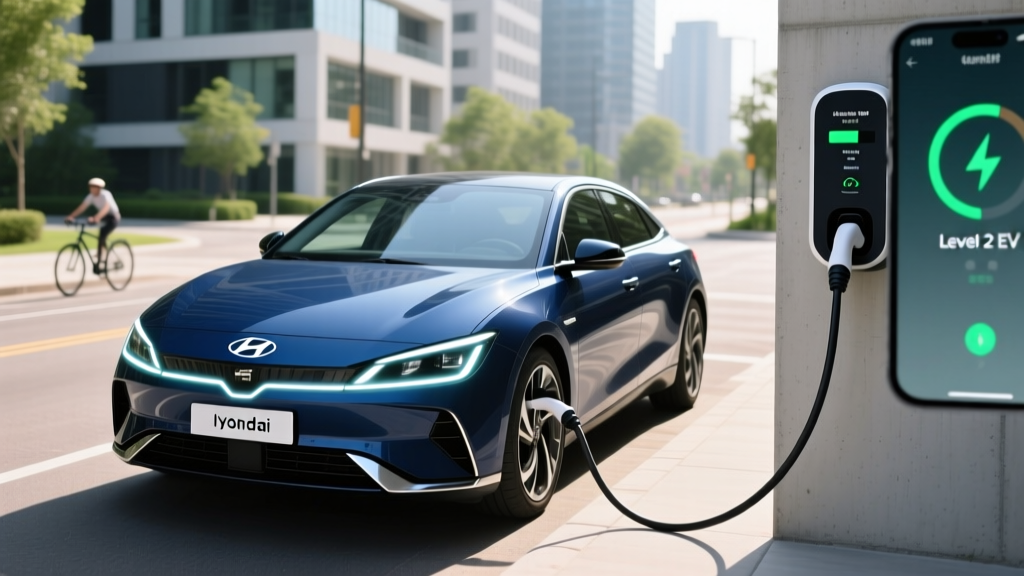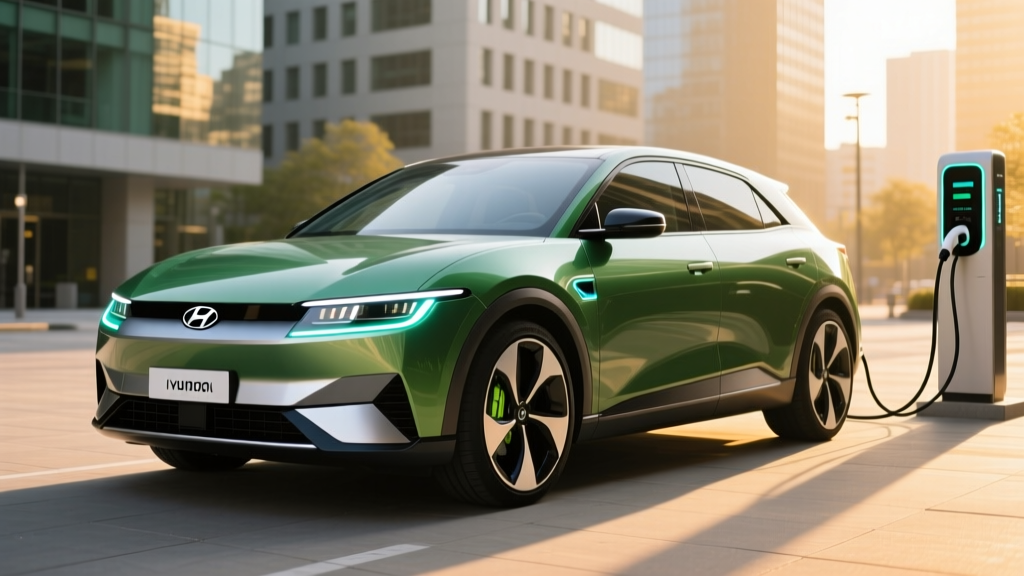
The Hyundai Ioniq 5 has become one of the most talked-about electric crossovers on the market, and the numbers back up the buzz. A sustained Hyundai Ioniq 5 sales surge through 2025 and into the 2026 model year has pushed this retro-futuristic EV to the top of the midsize electric crossover segment. With the launch of the Tennessee-built models, a new NACS charge port, the addition of the rugged XRT trim, and an expanded battery, Hyundai has systematically addressed nearly every objection early adopters raised. This review breaks down the 2026 Ioniq 5 lineup with exact EPA figures, real-world range expectations, charging data, and tax-credit math so you can decide whether the hype is justified.
Why the Hyundai Ioniq 5 Sales Surge Keeps Accelerating
Hyundai's decision to shift Ioniq 5 production to its Metaplant America facility in Ellabell, Georgia, was the catalyst. U.S.-built Ioniq 5s regained broad access to the §30D federal tax credit (up to $7,500) at the point of sale, instantly dropping the effective price below competitors like the Tesla Model Y and Ford Mustang Mach-E for eligible buyers. Pair that with the segment's only true 800-voltage architecture in its class — enabling 10-80% DC fast charges in roughly 18 minutes — and a 2026 battery bump to 84.0 kWh usable on Long Range trims, and the sales momentum becomes easy to explain. The addition of the off-road-styled XRT and the 641-hp Ioniq 5 N have widened the funnel further, pulling in buyers who previously cross-shopped the Rivian R1S or Tesla Model Y Performance.
Range, Battery, and Efficiency: The Real Numbers
For 2026, the Ioniq 5 lineup uses two battery packs and three drivetrain configurations. The Standard Range model pairs a 63.0 kWh battery with a single rear motor for an EPA-estimated 245 miles. The Long Range RWD uses the larger 84.0 kWh pack (NMC chemistry) and achieves an EPA-estimated 318 miles. Long Range AWD drops to 290 miles EPA due to the second motor and added weight, while the performance-oriented Ioniq 5 N lands at 221 miles EPA.
The 318-mile EPA figure for Long Range RWD is among the best in class, but plan for real-world conditions. Expect roughly 270–290 miles at sustained 70–75 mph highway speeds in moderate weather. In freezing temperatures (below 30°F), count on a 15–25% reduction, putting effective winter highway range closer to 220–250 miles. City driving with regenerative braking recovers energy more effectively, often exceeding EPA estimates in stop-and-go traffic. The Ioniq 5's standard heat pump helps mitigate cold-weather losses compared to EVs without one.
| Trim / Drivetrain | Battery (kWh usable) | Chemistry | EPA Range (mi) | MPGe (city/hwy/combined) | kWh/100 mi |
|---|---|---|---|---|---|
| SE Standard Range RWD | 63.0 | NMC | 245 | 134 / 110 / 123 | 27 |
| SEL / Limited RWD (Long Range) | 84.0 | NMC | 318 | 134 / 112 / 124 | 27 |
| SEL / Limited / XRT AWD | 84.0 | NMC | 290 | 121 / 102 / 112 | 30 |
| Ioniq 5 N AWD | 84.0 | NMC | 221 | 99 / 84 / 92 | 36 |
Source: fueleconomy.gov
Charging Speed: The 800V Advantage Explained
The Ioniq 5's 800-volt electrical architecture remains one of its defining engineering advantages. Where competitors like the Ford Mustang Mach-E and Volkswagen ID.4 use 400V systems that peak around 150–170 kW, the Ioniq 5 can sustain peak DC charge rates near 240 kW at compatible chargers (Electrify America 350 kW stalls, Tesla Superchargers with NACS adapters, and similar high-power stations).
| Charging Level | Connector / Power | Rate | Time / Range Added |
|---|---|---|---|
| Level 1 (120V household) | J1772 / NACS — 1.4 kW | ~1.4 kW | ~4 miles per hour |
| Level 2 (240V home) | J1772 / NACS — 10.9 kW | 10.9 kW (48A) | ~32 miles per hour; 0–100% in ~8.5 hrs |
| DC Fast Charge (peak) | NACS / CCS — up to 240 kW | Peak 240 kW, sustained ~180 kW avg to 80% | 10–80% in ~18 min |
| DC Fast Charge (350 kW stall) | CCS/NACS — up to 240 kW (vehicle-limited) | Same as above | 80–100% tapers sharply; add ~12 min |
Understanding the charge curve: The 18-minute 10–80% time is achievable at a 350 kW-rated stall under ideal thermal conditions (battery preconditioned to ~77°F / 25°C). The Ioniq 5's battery management system ramps from roughly 180 kW up to a peak of ~240 kW between 20–55% state of charge, then tapers progressively above 70%. Above 80%, charging slows to roughly 40–60 kW — this is normal lithium-ion behavior to protect cell longevity. For road trips, plan stops around the 10–80% window to minimize time at the charger.
For 2026, all U.S.-spec Ioniq 5 models come equipped with the Tesla NACS charge port, granting direct access to Tesla's Supercharger network without an adapter. CCS compatibility is maintained via adapter for Electrify America and other networks still deploying CCS connectors.
Performance and Drivetrain: From Commuter to Track Day
The Ioniq 5 lineup spans a remarkable performance envelope. The base Standard Range RWD produces 168 horsepower and 258 lb-ft of torque, reaching 0–60 mph in approximately 7.4 seconds — adequate for commuting but the least exciting in the range. Long Range RWD bumps output to 225 hp and 258 lb-ft, cutting 0–60 to roughly 6.5 seconds.
The Long Range AWD adds a front motor for a combined 320 hp and 446 lb-ft, dropping 0–60 to approximately 4.5 seconds. The new XRT trim uses this same AWD powertrain but adds increased ground clearance (7.0 inches vs. 6.1), all-terrain tires, skid plates, and tow hooks — targeting the Subaru Outback and Rivian cross-shopping buyer.
At the top of the range, the Ioniq 5 N delivers 641 hp (650 with N Grin Boost engaged) and 568 lb-ft through a dual-motor AWD system, achieving 0–60 mph in approximately 3.3 seconds. The N variant also features N e-Shift (simulated 8-speed gear shifts), an 84.0 kWh battery with enhanced cooling for track use, and a top speed of 161 mph. It is, by most measures, the most engaging electric crossover on the market for driving enthusiasts.
Interior, Cargo, and Technology
The Ioniq 5's cabin is defined by its flat floor (a benefit of Hyundai's E-GMP dedicated EV platform), dual 12.3-inch displays (instrument cluster and infotainment), and a sliding center console that moves fore and aft by up to 5.5 inches. The wheelbase of 118.1 inches delivers generous rear-seat legroom at 39.4 inches — competitive with midsize SUVs significantly larger on the outside.
| Measurement | Dimension |
|---|---|
| Front headroom | 39.5 in |
| Front legroom | 41.7 in |
| Rear headroom | 38.7 in |
| Rear legroom | 39.4 in |
| Cargo volume (behind rear seats) | 27.2 cu ft |
| Cargo volume (rear seats folded) | 59.3 cu ft |
| Front trunk (frunk) | 0.85 cu ft (AWD) / 2.0 cu ft (RWD) |
Tech highlights: The 2026 Ioniq 5 includes wireless Apple CarPlay and Android Auto, Hyundai's Digital Key 2 (phone-as-key via NFC/UWB), over-the-air software updates, a vehicle-to-load (V2L) outlet capable of delivering up to 3.6 kW of AC power (enough to run camping equipment, power tools, or a refrigerator during an outage), and Hyundai SmartSense driver-assistance suite. SmartSense includes forward collision-avoidance assist, blind-spot monitoring, rear cross-traffic collision-avoidance, lane-keeping assist, and highway driving assist — a Level 2 system requiring continuous driver supervision.
Hyundai's Highway Driving Assist and Highway Driving Assist 2 (on higher trims) are SAE Level 2 systems. They provide adaptive cruise control with lane-centering but require the driver to maintain hands on the wheel and full situational awareness at all times. These are not autonomous or self-driving systems. For reference on automation levels, see NHTSA's vehicle safety guidance.
Notable drawbacks: The Ioniq 5 still lacks a front windshield wiper de-icer on most trims, the frunk is small compared to the Ford Mustang Mach-E (which offers 4.7 cu ft), and the rear window visibility is compromised by the thick C-pillar design. Some owners report the piano-black interior trim attracts fingerprints and dust quickly. The absence of a rear cargo cover on base trims is a recurring complaint.
Pricing, Trims, and Federal Tax Credit Eligibility
The 2026 Hyundai Ioniq 5 lineup starts at $42,600 (including destination) for the SE Standard Range RWD and climbs to $66,200 for the Ioniq 5 N. Here is the full trim breakdown with effective pricing after the maximum federal credit:
| Trim | Base MSRP (incl. dest.) | Max §30D Credit | Effective Price (if eligible) |
|---|---|---|---|
| SE Standard Range RWD | $42,600 | Up to $7,500 | ~$35,100 |
| SE Long Range RWD | $46,650 | Up to $7,500 | ~$39,150 |
| SEL AWD | $51,150 | Up to $7,500 | ~$43,650 |
| Limited AWD | $56,500 | Up to $7,500 | ~$49,000 |
| XRT AWD | $54,300 | Up to $7,500 | ~$46,800 |
| Ioniq 5 N | $66,200 | Up to $7,500 | ~$58,700 |
The Ioniq 5 is assembled in Ellabell, Georgia, making it eligible for the §30D credit — but individual buyer eligibility depends on multiple factors:
- MSRP caps: Vans, SUVs, and pickup trucks: $80,000 max. All Ioniq 5 trims qualify.
- Buyer income caps (modified AGI): $300,000 joint filers / $225,000 head of household / $150,000 individual.
- Battery component sourcing: A percentage of battery components must be manufactured or assembled in North America, and critical minerals must meet sourcing thresholds — both increasing annually. Hyundai's U.S. production and LG Energy Solution battery supply are designed to satisfy these requirements, but verify at purchase.
- Point-of-sale transfer: Eligible buyers can transfer the credit to the dealer at purchase, reducing the out-of-pocket price immediately rather than waiting for a tax refund.
- Filing requirement: You must file IRS Form 8936 with your tax return. Consult a tax professional for your specific situation.
See the current rules at IRS.gov Clean Vehicle Credit. Rules and sourcing thresholds are subject to legislative and regulatory change.
Warranty and Ownership Costs
Hyundai backs the Ioniq 5 with one of the strongest warranty packages in the EV segment:
- New vehicle limited warranty: 5 years / 60,000 miles
- Powertrain warranty: 10 years / 100,000 miles
- Battery warranty: 10 years / 100,000 miles (guaranteed to retain at least 70% of original capacity; replacement if degradation exceeds 30%)
- Complimentary maintenance: 3 years / 36,000 miles (includes tire rotation, multi-point inspection, and fluid top-offs)
- Roadside assistance: 5 years / unlimited miles
The 70% battery capacity retention threshold is competitive with industry norms (Tesla guarantees 70% over 8 years/120,000 miles for Model Y). Real-world degradation data from early Ioniq 5 owners suggests approximately 5–8% capacity loss over the first 60,000 miles, with the degradation curve flattening significantly thereafter — consistent with NMC chemistry under Hyundai's conservative thermal management. Full battery replacement costs, should they ever be needed out of warranty, are estimated at $12,000–$18,000 including labor, though this figure is expected to decline as cell costs continue their downward trend.
Who Should Buy the 2026 Ioniq 5?
- Daily commuter (SE/SEL RWD): You want 300+ miles of range, efficient 27 kWh/100mi consumption, and ultra-fast DC charging for occasional road trips. The Long Range RWD is the sweet spot for value.
- Family crossover buyer (SEL/Limited AWD): You need rear-seat space for car seats, AWD for snow, and a flat load floor. The V2L outlet is a genuine differentiator for camping and emergencies.
- Adventure-oriented buyer (XRT): You want EV efficiency with light off-road capability, increased ground clearance, and tow hooks — a niche no other electric crossover fills at this price.
- Driving enthusiast (Ioniq 5 N): You want a daily-drivable EV that can genuinely perform on a track, with simulated gear shifts and 641 hp on demand.
- You need maximum cargo volume — the Ford Mustang Mach-E (59.7 cu ft) and Tesla Model Y (72.1 cu ft with seats folded) offer more.
- You require a large frunk — the Mach-E's 4.7 cu ft front trunk dwarfs the Ioniq 5's.
- You tow heavy loads — the Ioniq 5 is rated for only 1,650 lbs (AWD). The Rivian R1S or F-150 Lightning are far more capable towers.
- You live in an area with limited DC fast-charging infrastructure and cannot install a Level 2 home charger — the 800V advantage only matters if you can access high-power chargers.
Verdict: Is the Ioniq 5 Worth the Hype?
The Hyundai Ioniq 5 sales surge is not an accident — it's the result of deliberate engineering and strategic pricing. The 800V charging architecture, expanded 84.0 kWh battery, NACS port for Supercharger access, and U.S. assembly for tax-credit eligibility make it one of the most well-rounded electric crossovers available. The Long Range RWD at roughly $39,150 after the federal credit (for eligible buyers) undercuts the Tesla Model Y Long Range while matching or exceeding it in charging speed and interior quality.
- Class-leading 18-minute 10–80% DC fast charge
- 318-mile EPA range (Long Range RWD)
- NACS port — native Tesla Supercharger access
- U.S.-built; broad §30D tax credit eligibility
- Spacious, flat-floor cabin with V2L capability
- 10-year / 100,000-mile battery warranty
- XRT trim fills an underserved adventure-EV niche
- Small frunk (0.85–2.0 cu ft depending on drivetrain)
- Rear visibility compromised by C-pillar design
- 1,650-lb tow rating limits utility
- No one-pedal driving mode (i-PEDAL exists but less aggressive than competitors)
- Cargo volume trails Model Y and Mach-E
- Base Standard Range trim's 245-mile range may not satisfy road-trip-heavy buyers
Frequently Asked Questions
What is the real-world range of the 2026 Hyundai Ioniq 5?
The Long Range RWD is EPA-rated at 318 miles. In real-world highway driving at 70–75 mph in moderate temperatures, expect 270–290 miles. In freezing conditions, plan for 220–250 miles of effective highway range due to battery heating demands and increased air density. City driving with regenerative braking can match or slightly exceed the EPA estimate.
How fast does the Ioniq 5 charge at home and on the road?
At home on a 240V Level 2 charger (10.9 kW / 48 amps), the Long Range battery charges from 0–100% in approximately 8.5 hours, adding about 32 miles of range per hour. On a DC fast charger rated at 350 kW, the Ioniq 5 peaks at approximately 240 kW and charges from 10–80% in about 18 minutes under optimal conditions. Charging above 80% slows significantly due to the battery management taper curve.
How much does the Ioniq 5 cost after the federal tax credit?
For eligible buyers (income under $150K individual / $300K joint, purchasing for personal use), the §30D credit of up to $7,500 can be transferred to the dealer at point of sale. This brings the SE Standard Range RWD to approximately $35,100, the Long Range RWD to roughly $39,150, and the SEL AWD to about $43,650. State and local incentives may reduce the price further — check AFDC's state incentive database for your jurisdiction.
Does the 2026 Ioniq 5 qualify for the federal EV tax credit?
Yes — the Ioniq 5 is assembled in Georgia and is on the IRS's list of eligible clean vehicles. However, individual eligibility depends on your modified adjusted gross income, the vehicle's MSRP (all trims are under the $80,000 SUV cap), and battery sourcing compliance. Hyundai's U.S. production with LG Energy Solution cells is structured to meet critical-mineral and battery-component requirements, but confirm eligibility with your dealer and a tax professional at the time of purchase. Rules are subject to change — see IRS.gov for current guidance.
Is the Ioniq 5 worth buying over the Tesla Model Y or Ford Mustang Mach-E?
It depends on your priorities. The Ioniq 5 charges significantly faster than both (18 min vs. ~25–30 min for 10–80%), offers a more distinctive interior design, and includes V2L capability. The Model Y offers more cargo space (72.1 cu ft), access to Tesla's FSD Supervised software (still Level 2), and a broader Supercharger network if you don't have NACS access. The Mach-E provides a larger frunk and a sportier driving feel in GT trim. For buyers prioritizing charging speed, interior quality, and post-credit value, the Ioniq 5 is the strongest overall package in 2026.
What is the battery warranty and expected lifespan?
Hyundai warranties the Ioniq 5's high-voltage battery for 10 years or 100,000 miles, guaranteeing it will retain at least 70% of original capacity. Real-world data from 2022–2025 model-year Ioniq 5s suggests roughly 5–8% degradation over the first 60,000 miles, with the rate slowing thereafter. With proper care (avoiding frequent 100% charges, using DC fast charging judiciously, and leveraging the battery preconditioning feature before fast charges), the pack should outlast the vehicle's practical ownership life.