The Financial Case for the Hyundai Ioniq 5
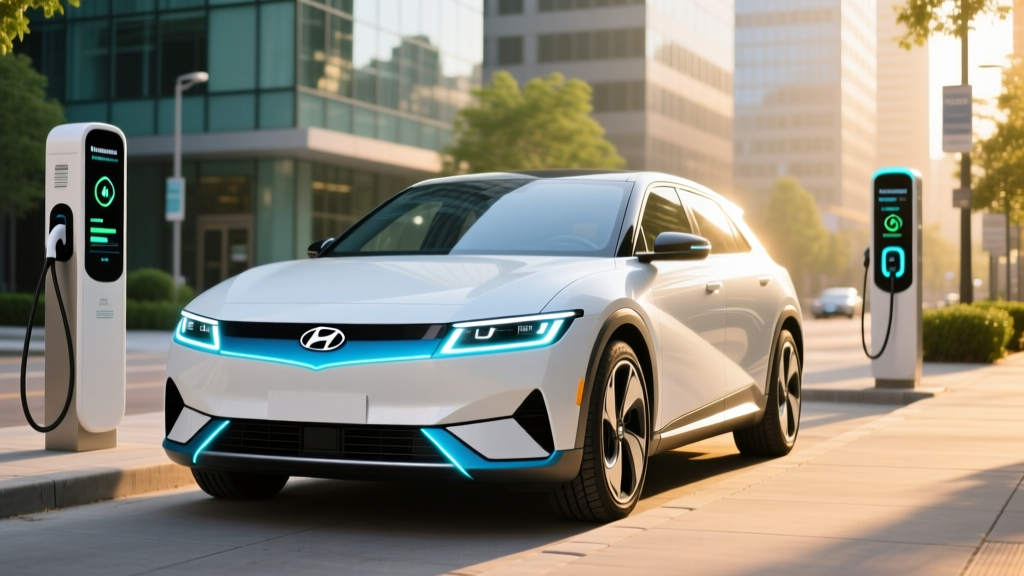
For the 2026 model year, the Hyundai Ioniq 5 remains one of the most compelling entries in the mid-size electric crossover segment. With its 800-volt electrical architecture enabling ultra-fast DC charging and a design that maximizes interior volume, it is a top contender for buyers transitioning from gas-powered SUVs. However, the decision to purchase often hinges on the complex landscape of Hyundai Ioniq 5 rebates and federal incentives.
Because Hyundai now manufactures the Ioniq 5 at its Metaplant in Georgia, the vehicle qualifies for the full $7,500 federal tax credit under IRS §30D, provided the buyer meets specific income and MSRP caps. This guide breaks down the technical specifications, real-world performance, and the exact financial incentives available to buyers in 2026.
Hyundai Ioniq 5 Specifications & Performance
The Ioniq 5 is built on the E-GMP platform, offering both Rear-Wheel Drive (RWD) and All-Wheel Drive (AWD) configurations. The 2026 lineup continues to offer the Standard Range and Long Range battery packs, though the Long Range is the most common choice for US buyers seeking maximum utility.
| Attribute | SE/SEL/Limited (Long Range RWD) | SE/SEL/Limited (Long Range AWD) |
|---|---|---|
| Battery Capacity | 77.4 kWh (NMC) | 77.4 kWh (NMC) |
| EPA Est. Range | 303 miles | 260-290 miles |
| Horsepower | 168 hp | 320 hp |
| 0-60 mph | 7.0 seconds | 4.5 seconds |
| Max DC Charge Rate | 238 kW (Peak) | 238 kW (Peak) |
| 10-80% Charge Time | ~18 minutes (350kW charger) | ~18 minutes (350kW charger) |
Real-World Range and Efficiency
The EPA estimated range is a useful baseline, but real-world results vary based on driving style, terrain, and climate. The Ioniq 5's boxy shape creates more aerodynamic drag at highway speeds compared to sleeker sedans, which impacts efficiency on long road trips.
Range Reality Check
EPA Sticker: 303 miles (RWD) / 260 miles (AWD with 20" wheels)
Real-World Highway (70 mph): Expect ~250-270 miles for RWD; ~220-240 miles for AWD.
Cold Weather Impact: In freezing temperatures (below 32°F), range can drop by 20-30% unless the vehicle is preconditioned while plugged in. The standard heat pump on most trims helps mitigate this loss by scavenging heat from the powertrain.
Efficiency is rated at approximately 114 MPGe combined (RWD), which translates to roughly 29-30 kWh per 100 miles. This is competitive with the Tesla Model Y but slightly less efficient than the Ford Mustang Mach-E California Route 1.
Charging Speed and Infrastructure
The Ioniq 5's primary technical advantage is its 800-volt battery architecture. While most EVs in this price range use 400-volt systems, the Ioniq 5 can accept significantly higher power at compatible DC fast chargers.
- DC Fast Charging (Level 3): On a 350 kW Electrify America or Tesla Supercharger (with NACS adapter), the Ioniq 5 peaks at 238 kW. You can add roughly 200 miles of range in 15 minutes.
- Level 2 Home Charging: Using a 48-amp (11.5 kW) home wallbox, the vehicle charges from 10% to 100% in roughly 7 hours, adding about 35-40 miles of range per hour.
- Connector Type: For 2026, the Ioniq 5 features the native NACS (Tesla-style) charge port in the US market, granting seamless access to the Supercharger network without an adapter.
2026 Rebates and Tax Credit Eligibility
Understanding the Hyundai Ioniq 5 rebates requires navigating the federal §30D tax credit rules. As of 2026, the Ioniq 5 qualifies for the full $7,500 because it is assembled in North America and meets the critical minerals and battery component sourcing thresholds.
| Trim Level | MSRP (Approx.) | Federal Credit (§30D) | Effective Price |
|---|---|---|---|
| SE Standard Range | $42,500 | Up to $7,500 | $35,000 |
| SEL Long Range | $48,500 | Up to $7,500 | $41,000 |
| Limited Long Range | $54,000 | Up to $7,500 | $46,500 |
Eligibility Requirements
To claim the $7,500 credit, your Modified Adjusted Gross Income (MAGI) must not exceed $150,000 (single), $225,000 (head of household), or $300,000 (joint). Furthermore, the vehicle's MSRP must not exceed $80,000 for SUVs. Buyers can now transfer the credit to the dealer at the point of sale for an immediate price reduction.
Interior, Tech, and Daily Usability
The interior is defined by its dual 12.3-inch panoramic displays and a flat floor made possible by the skateboard platform. Hyundai includes its Highway Driving Assist 2 (HDA2) as standard on most trims—a robust Level 2 ADAS system that handles lane centering and adaptive cruise control with stop-and-go functionality.
- Cargo Volume: 27.2 cu ft behind the rear seats; 59.3 cu ft with seats folded.
- Frunk (Front Trunk): ~0.85 cu ft (enough for charging cables or a small bag).
- V2L (Vehicle-to-Load): An onboard generator allows you to power external devices (camping gear, laptops) at up to 3.6 kW using a standard adapter.
Pros and Cons: The Ownership Experience
Pros
- Industry-leading 10-80% DC charging speeds.
- Spacious, flat-floor cabin with premium materials.
- Qualifies for full $7,500 federal incentive.
- Standard NACS port for 2026 simplifies road trips.
Cons
- Rear windshield wiper is missing on earlier models (check 2026 specs).
- Highway range falls short of EPA estimates at 80 mph.
- Infotainment can be complex to navigate via touch-only.
FAQ: Hyundai Ioniq 5 Incentives
Does the Hyundai Ioniq 5 qualify for the $7,500 tax credit in 2026?
Yes. Because it is manufactured in Georgia and meets battery sourcing requirements, it qualifies for the full $7,500 under §30D, assuming the buyer is under the income cap.
Can I get the tax credit if I lease the Ioniq 5?
Leasing is often a "loophole" for the tax credit. The leasing company claims the §30D credit and typically passes the savings to the lessee in the form of a lower monthly payment or capitalized cost reduction, even if the buyer exceeds the income limits for a purchase.
How does the Ioniq 5 compare to the Tesla Model Y?
The Ioniq 5 charges faster and offers a more traditional, comfortable interior. The Model Y still leads in cargo space and access to the Supercharger network, though the gap has closed now that Hyundai has adopted the NACS port.