If you've been searching for a thorough take that goes beyond the typical Car and Driver Ioniq 5 first-drive impressions, you've landed in the right place. The Hyundai Ioniq 5 has been a fixture on best-EV lists since its 2022 debut, but for 2026, Hyundai has reshuffled the lineup with a larger Standard Range battery option, updated infotainment, and the high-performance Ioniq 5 N carrying over. This review dissects the numbers that matter to real buyers: actual highway range, sustained DC fast-charging curves, total cost after the federal tax credit, and where it wins — and loses — against the Tesla Model Y, Kia EV6, and Ford Mustang Mach-E.
2026 Ioniq 5 at a Glance: Key Specs by Trim
| Spec | SE/SEL Std Range (RWD) | SE/SEL Long Range (RWD) | SEL/Limited (AWD) | Ioniq 5 N |
|---|---|---|---|---|
| EPA Range | 245 mi | 318 mi | 290 mi | 221 mi |
| Battery (usable) | 63.0 kWh (LFP) | 84.0 kWh (NMC) | 84.0 kWh (NMC) | 84.0 kWh (NMC) |
| Powertrain | RWD, single motor | RWD, single motor | Dual-motor AWD | Dual-motor AWD |
| Horsepower | 168 hp | 225 hp | 320 hp | 641 hp (N Grin Boost) |
| 0–60 mph | 7.4 sec | 6.5 sec | 4.5 sec | 3.25 sec |
| MPGe (combined) | 123 MPGe | 117 MPGe | 103 MPGe | 79 MPGe |
| Efficiency | 27 kWh/100mi | 29 kWh/100mi | 33 kWh/100mi | 43 kWh/100mi |
| Max DC Charge | ~150 kW peak | ~238 kW peak | ~238 kW peak | ~238 kW peak |
| 10–80% DC Time | ~26 min | ~18 min | ~18 min | ~18 min |
| Base MSRP | $42,600 | $46,650 | $50,150 | $67,900 |
Sources: fueleconomy.gov, Hyundai USA 2026 spec sheets. Prices exclude destination.
Real-World Range: What the EPA Sticker Doesn't Tell You
EPA sticker: 318 miles
Real-world highway (70–75 mph, 70°F): ~265–280 miles
Real-world mixed commuting: ~290–310 miles
Cold-weather highway (25°F, heater on): ~210–235 miles
The Long Range RWD's 318-mile EPA figure is legitimate for mixed suburban driving with moderate regen. On sustained highway runs at 75 mph, expect to lose roughly 12–17% — aerodynamic drag punishes boxy crossovers at speed. The Ioniq 5's heat pump (standard on Long Range trims) helps mitigate winter losses compared to EVs without one, but LFP chemistry in the Standard Range pack is more susceptible to cold-weather range drop and slower charging below freezing. Plan conservatively: if your longest regular drive is 240 miles one-way in winter, the Long Range AWD is the safer pick.
Charging Speed: The 800-Volt Advantage in Practice
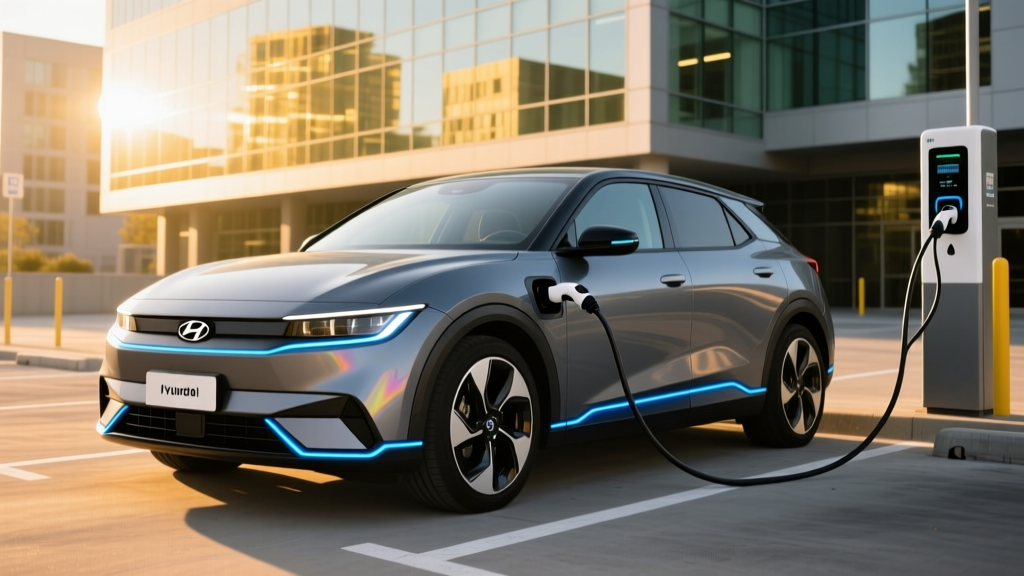
The Ioniq 5's E-GMP platform runs an 800-volt electrical architecture, which lets it accept higher charge power with lower current — meaning less heat and faster sustained charging. On a 350 kW Electrify America or Tesla Supercharger (V4 with CCS/NACS adapter), the Long Range models peak around 238 kW and hold above 175 kW through roughly 55% state of charge before tapering. The 10–80% sprint takes about 18 minutes under ideal battery preconditioning.
| Charging Level | Power | Miles Added per Hour | Typical Use Case |
|---|---|---|---|
| Level 1 (120V) | 1.4 kW | ~4–5 mi/hr | Overnight top-ups, emergencies |
| Level 2 (240V, 48A) | 11.5 kW | ~37 mi/hr | Home wallbox, full overnight refill |
| DC Fast (150 kW station) | ~145 kW sustained | ~475 mi/hr | Road trips, moderate-speed chargers |
| DC Fast (350 kW station) | ~238 kW peak | ~780 mi/hr (peak) | Fastest public option |
Real-world caveat: Peak kW is not sustained kW. The ~238 kW figure holds for roughly the first 10–15 minutes; average power across a 10–80% session is closer to 170–180 kW. Also, precondition the battery via the navigation-linked "charge prep" function before arriving at a DC station — skipping this in cold weather can double your 10–80% time.
For 2026, Hyundai ships the Ioniq 5 with the Tesla North American Charging Standard (NACS) port on most trims, eliminating the need for a CCS-to-NACS adapter at Superchargers. Verify with your dealer — early-build 2026 models in some regions still carry CCS1.
Performance, Ride, and Daily Drivability
The Long Range RWD's 225 hp and 6.5-second 0–60 time are adequate for merging and passing, and the single-motor layout delivers the best efficiency in the lineup. The AWD's 320 hp and 4.5-second sprint put it in the same bracket as the Mustang Mach-E Premium AWD and a tick behind the Model Y Long Range. The Ioniq 5 N is a track-capable outlier with simulated gear shifts and 641 hp under N Grin Boost — entertaining, but at the cost of efficiency and ride comfort.
Ride quality on the standard 19-inch wheels is compliant; upgrade to the Limited's 20-inch alloys and you'll feel more pavement imperfections. Steering is light and accurate, with one-pedal driving (i-Pedal mode) that brings the car to a full stop — a genuine commute-saver. Hyundai's Highway Driving Assist 2 (HDA2) is a solid Level 2 system with lane-centering and adaptive cruise, but it is not hands-free like Ford's BlueCruise or GM's Super Cruise. You remain responsible for steering input at all times.
Interior, Cargo, and Tech That Matters
The Ioniq 5's 118.1-inch wheelbase translates to a genuinely spacious cabin. Rear legroom measures 39.4 inches — more than the Model Y and close to a midsize sedan. The flat floor (no transmission tunnel) makes the middle seat usable for adults on short trips.
- Cargo behind rear seats: 27.2 cu ft
- Cargo with rear seats folded: 59.3 cu ft
- Front trunk (frunk): 0.85 cu ft (RWD) / 0.67 cu ft (AWD) — fits a charging cable bag, not a suitcase
- Towing: Up to 2,300 lbs (AWD only, with braked trailer)
The dual 12.3-inch panoramic display runs Hyundai's latest ccNC infotainment with wireless Apple CarPlay and Android Auto. The 2026 model year finally adds native over-the-air updates for more vehicle modules, a revised voice assistant, and a physical-volume-knob toggle (a welcome fix). The Limited trim adds a full-length panoramic sunroof, ventilated front seats, and a head-up display with augmented-reality navigation.
Notable drawbacks: The frunk is tiny for the class, there's no rear wiper on early 2026 builds (a long-running complaint Hyundai has been slow to address), and the glossy piano-black center console is a fingerprint magnet. Rear visibility is compromised by the thick C-pillars — rely on the digital rearview mirror on Limited trims.
Pricing, Trims, and Federal Tax Credit Eligibility
| Trim | Base MSRP | As-Tested (Typical) | Potential §30D Credit* | Effective Price |
|---|---|---|---|---|
| SE Standard Range RWD | $42,600 | $43,800 | Up to $7,500 | ~$36,300 |
| SEL Long Range RWD | $46,650 | $48,500 | Up to $7,500 | ~$41,000 |
| Limited AWD | $54,350 | $57,200 | Up to $7,500 | ~$49,700 |
| Ioniq 5 N | $67,900 | $69,500 | $0 (above MSRP cap) | $69,500 |
*Federal tax credit caveats (§30D, 2026 rules): The full $7,500 credit requires the buyer to meet income caps ($150k single / $300k joint MAGI), the vehicle to be under the $80,000 SUV MSRP cap (all Ioniq 5 trims qualify except the Ioniq 5 N, which is classified as a sedan and hits the $55,000 sedan cap), and the battery to satisfy critical-mineral and battery-component sourcing requirements that tighten annually. As of 2026, Hyundai's Georgia-built Ioniq 5 qualifies for the full credit on most trims — but verify current battery-sourcing compliance on IRS.gov's qualified vehicle list before signing. The credit can now be transferred to the dealer at point of sale as an instant rebate, rather than waiting for tax-time.
How It Compares: Ioniq 5 vs Model Y, EV6, and Mach-E
| Metric | Hyundai Ioniq 5 LR AWD | Tesla Model Y LR | Kia EV6 LR AWD | Ford Mach-E Ext. Range AWD |
|---|---|---|---|---|
| EPA Range | 290 mi | 327 mi | 282 mi | 290 mi |
| 10–80% DC | ~18 min | ~25 min | ~18 min | ~38 min |
| 0–60 mph | 4.5 sec | 4.8 sec | 4.5 sec | 4.8 sec |
| Cargo (rear up) | 27.2 cu ft | 30.2 cu ft | 24.4 cu ft | 29.7 cu ft |
| Base MSRP (AWD) | $50,150 | $48,990 | $50,200 | $51,995 |
| Hands-Free L2 ADAS? | No | No (FSD Supervised) | No | Yes (BlueCruise) |
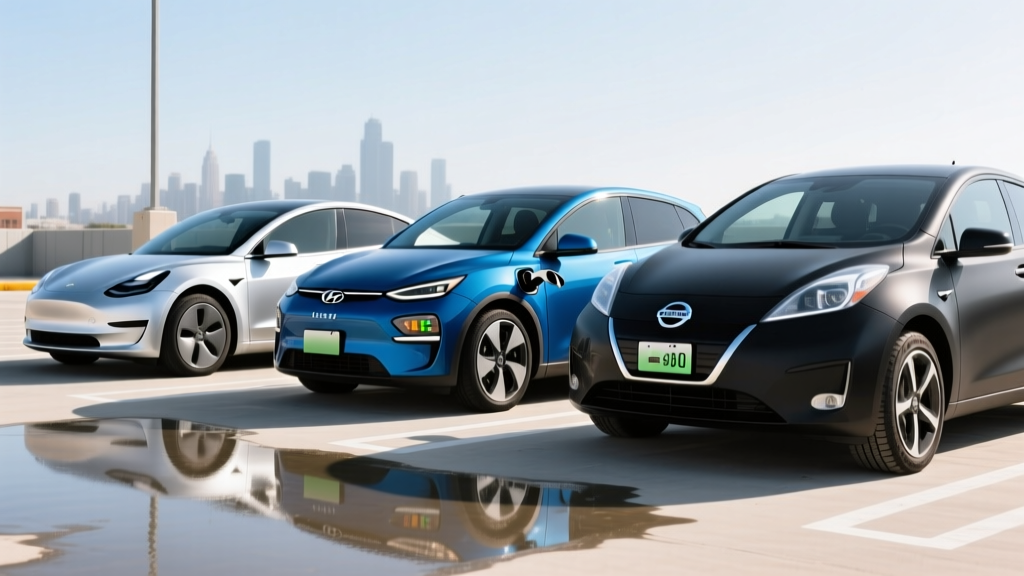
Where the Ioniq 5 wins: Charging speed (tied with the EV6, ahead of Tesla and Ford), rear-seat space, and ride comfort. Hyundai's 10-year/100,000-mile powertrain warranty also outlasts every competitor here.
Where it loses: The Model Y still leads in range, cargo, and Supercharger network seamlessness. The Mach-E offers hands-free BlueCruise on approved highways. The EV6 feels slightly sportier to drive, though the two share the E-GMP platform.
Choose the Model Y if: Maximum range and cargo, plus hassle-free road-trip charging on Superchargers, are non-negotiable.
Choose the Mach-E if: You want hands-free highway driving via BlueCruise and don't mind slower DC charging.
Choose the EV6 if: You prefer sharper styling and slightly sportier handling on the same 800V platform.
Ownership Costs and Warranty
Hyundai backs the 2026 Ioniq 5 with:
- Battery: 10 years / 100,000 miles (retains ≥70% capacity)
- Powertrain: 10 years / 100,000 miles
- Bumper-to-bumper: 5 years / 60,000 miles
- Roadside assistance: 5 years / unlimited miles
Based on national electricity averages ($0.17/kWh) and the Long Range AWD's 33 kWh/100mi efficiency, fueling cost is roughly $5.61 per 100 miles — versus about $12.50 in a comparable 25-MPG gas crossover at $3.15/gallon. Over five years and 75,000 miles, that's approximately $5,170 in fuel savings, not counting reduced maintenance (no oil changes, far less brake wear thanks to regen). Insurance premiums for the Ioniq 5 run 8–15% higher than a gas Tucson, so factor that into your TCO.
Pros, Cons, and Verdict
- Class-leading 18-minute 10–80% DC charging on 350 kW stations
- Spacious rear seat with flat floor, excellent ride quality
- 10-year/100,000-mile battery and powertrain warranty
- Qualifies for full $7,500 §30D credit on most trims (U.S.-built)
- Standard heat pump, V2L capability (powers devices up to 3.6 kW)
- Real-world highway range ~15% below EPA sticker
- Small frunk, no rear wiper on early 2026 builds
- HDA2 is competent but not hands-free like BlueCruise
- AWD trims give up ~28 miles of range vs RWD
- Ioniq 5 N is thrilling but impractical on range, price, and credit eligibility
Bottom line: The 2026 Hyundai Ioniq 5 remains one of the most complete electric crossovers on sale. Where the typical Car and Driver Ioniq 5 review focuses on driving feel, the real ownership story is the combination of ultra-fast 800V charging, a usable 265–290-mile real-world range envelope, and a price that — after the §30D credit — undercuts a loaded RAV4 Hybrid. For two-adult households and small families who can charge at home and road-trip a few times a year, it's a top-three pick in the segment.
Frequently Asked Questions
What is the real-world range of the 2026 Ioniq 5?
Expect 265–290 miles in mixed driving for the Long Range trims, with highway-only trips dropping to ~265–280 miles in mild weather and ~210–235 miles in freezing temperatures. Standard Range trims realistically deliver 200–220 miles mixed.
How fast does the Ioniq 5 charge at home and on the road?
On a Level 2 home wallbox (11.5 kW), a full charge takes about 7.5 hours for the Long Range pack. On a 350 kW DC fast charger, 10–80% takes roughly 18 minutes when the battery is preconditioned.
Does the 2026 Ioniq 5 qualify for the federal EV tax credit?
Most trims qualify for the full $7,500 §30D credit when purchased by a buyer under the income cap ($150k single / $300k joint). The Ioniq 5 N exceeds the $55,000 sedan MSRP cap and does not qualify. Always verify the specific VIN on the IRS qualified-vehicle list before purchase.
Is the Ioniq 5 worth buying over a Tesla Model Y?
If you value faster DC charging, a more comfortable ride, and Hyundai's longer warranty — yes. If you prioritize maximum range, cargo space, and the Supercharger network, the Model Y still edges ahead.
Does the Ioniq 5 have a frunk?
Yes, but it's small: 0.85 cu ft on RWD, 0.67 cu ft on AWD. It fits a charging cable bag or a small laptop bag — not a week's groceries.
Is Hyundai's HDA2 system self-driving?
No. HDA2 is an SAE Level 2 driver-assist system that combines adaptive cruise and lane-centering. You must keep your hands on the wheel and eyes on the road at all times.