Quick Verdict: The Performance EV That Doesn't Forget Practicality
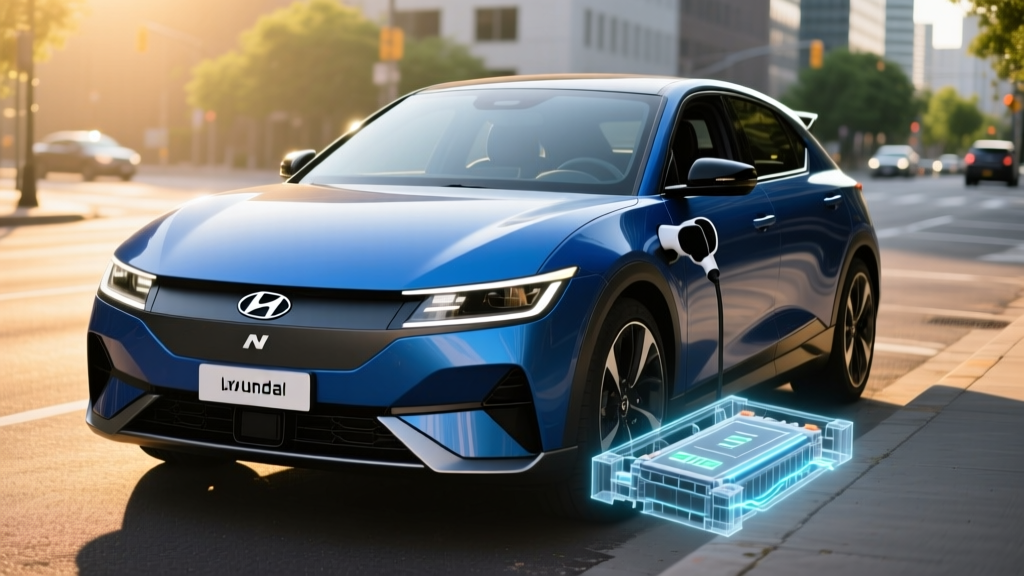
The Hyundai Ioniq 5 N takes the already-capable Ioniq 5 platform and injects it with serious performance credentials: 640 horsepower, a 0-60 mph time of 3.4 seconds, and track-capable thermal management. But unlike many performance variants that sacrifice daily usability, the 5 N retains competitive range, fast charging, and genuine cargo space. For 2026, it remains the benchmark for drivers who want a hot-hatch EV that can also handle a Costco run.
| Spec | Value |
|---|---|
| EPA Range | 221 miles |
| Battery Capacity | 84 kWh (usable), NMC |
| Max DC Fast Charge | 240 kW peak |
| 10–80% DC Charge Time | ~18 minutes (preconditioned) |
| Level 2 Home Charge Rate | 10.9 kW (~37 mi/hr) |
| 0–60 mph | 3.4 seconds (N Grin Boost) |
| Horsepower | 640 hp (N Grin Boost engaged) |
| Drivetrain | Dual-motor AWD |
| Efficiency | 85 MPGe combined / 40 kWh/100 mi |
| Cargo Volume | 27.2 cu ft (rear seats up) / 59.3 cu ft (folded) |
| Base MSRP | $67,495 (including destination) |
| Battery Warranty | 10 years / 100,000 miles |
Range & Efficiency: EPA Numbers vs. Real-World Reality
The Ioniq 5 N carries an EPA-estimated 221 miles of range, a meaningful drop from the standard Ioniq 5's 303-mile Long Range AWD variant. The trade-off is predictable: stickier Pirelli P Zero tires, a stiffer suspension, heavier brakes, and the energy demands of 640 hp all work against efficiency.
Real-World Range Expectations
EPA Sticker: 221 miles
Real-World Highway (70–75 mph, mild weather): ~175–190 miles
Real-World Mixed Commuting: ~195–210 miles
Cold Weather (below 32°F, highway): ~140–160 miles
The Ioniq 5 N's performance-oriented setup means you'll feel range loss more acutely on sustained highway runs. If your commute is mostly city and suburban, you'll land closer to the EPA figure. On a cold-weather road trip at 75 mph, plan conservatively around 150 miles between stops.
Efficiency clocks in at 85 MPGe combined (40 kWh/100 mi) per the EPA, which is respectable for a 640-hp performance SUV but noticeably thirstier than the standard Ioniq 5 Long Range AWD at 101 MPGe combined. If maximum range is your priority, the regular Ioniq 5 or Ioniq 6 are better fits.
Charging Speed: DC Fast, Level 2, and the Charge Curve Reality
Hyundai's 800-volt architecture continues to be one of the best in the business for DC fast charging. The Ioniq 5 N peaks at 240 kW on a compatible 350 kW charger, and with battery preconditioning enabled, a 10–80% session takes approximately 18 minutes.
| Charge Level | Power / Voltage | Rate | Time / Notes |
|---|---|---|---|
| Level 1 (120V) | 1.4 kW | ~5 mi/hr | Overnight adds ~50 mi |
| Level 2 (240V, 48A) | 10.9 kW | ~37 mi/hr | 0–100% in ~9 hours |
| DC Fast (350 kW station) | 240 kW peak | ~140–200 mi in 18 min | 10–80% in ~18 min (preconditioned) |
Charge curve reality check: The 240 kW peak is not sustained across the entire session. Expect the Ioniq 5 N to hold above 200 kW from roughly 10–55% State of Charge, then taper to ~150 kW through 70%, and drop further to ~80 kW above 80%. This is typical for NMC chemistry at high charge rates and is why we always quote 10–80% times rather than 0–100%. Charging past 80% adds significant time—plan your road-trip stops accordingly.
At home on a Level 2 hardwired charger (240V, 48A circuit), the Ioniq 5 N adds about 37 miles of range per hour. A full overnight charge from 10% to 100% takes roughly 9 hours. The NACS connector is now standard on the 2026 Ioniq 5 N, giving direct access to Tesla Supercharger stations without an adapter—a significant real-world convenience upgrade over the prior CCS1-only models.
Performance: 640 HP With Genuine Track Capability
The dual-motor AWD powertrain produces 601 hp in standard mode and 640 hp with N Grin Boost engaged (20-second bursts). The 0–60 mph sprint takes 3.4 seconds with N Grin Boost, placing the Ioniq 5 N in the company of the Porsche Taycan 4S and Tesla Model Y Performance.
What separates the 5 N from straight-line competitors is its thermal management. Hyundai's N division equipped this SUV with an upgraded cooling system, including a larger radiator and dedicated battery chiller, allowing sustained track use without the power derating that plagues most performance EVs after a few hot laps. The N e-Shift software simulates an 8-speed dual-clutch transmission with audible and haptic feedback—gimmicky to some, genuinely engaging to others.
Braking is handled by 15.7-inch front rotors with 4-piston calipers, and the regenerative braking system can handle up to 0.6g of deceleration before the friction brakes engage. One-pedal driving is available through the i-Pedal mode, though most N buyers will prefer the paddle-adjustable regen levels for a more traditional driving feel.
Interior, Cargo & Technology
The Ioniq 5 N's cabin uses Hyundai's dual 12.3-inch display setup—a digital instrument cluster and a central touchscreen running the latest Hyundai infotainment with wireless Apple CarPlay and Android Auto. The N-specific additions include bolstered sport seats with Alcantara inserts, an N-branded steering wheel with drive-mode buttons, and a center console knee brace for spirited cornering.
Cargo and passenger space:
- Rear cargo (seats up): 27.2 cu ft
- Rear cargo (seats folded): 59.3 cu ft
- Front trunk (frunk): 0.85 cu ft (minimal—mostly for charging cables)
- Rear legroom: 39.4 inches
- Front headroom: 40.2 inches
The flat floor and long wheelbase (118.1 inches) give the Ioniq 5 N genuinely usable rear-seat space for adults, a common weak point in performance vehicles. Cargo volume is competitive with the Tesla Model Y (30.2 cu ft rear) and exceeds the Ford Mustang Mach-E (29.7 cu ft).
Driver assistance: The Ioniq 5 N includes Hyundai SmartSense as standard—forward collision avoidance, lane-keeping assist, blind-spot monitoring, and Highway Driving Assist II (a Level 2 system requiring active driver supervision). This is not autonomous driving; you must keep your hands on the wheel and eyes on the road.
Pricing, Trims & Federal Tax Credit Eligibility
The 2026 Hyundai Ioniq 5 N is offered in a single, well-equipped trim:
| Item | Amount |
|---|---|
| Base MSRP (incl. destination) | $67,495 |
| Performance Blue Matte Paint (optional) | +$1,000 |
| As-Tested Price (with matte paint) | $68,495 |
| Federal §30D Tax Credit (if eligible) | Up to $7,500 |
| Effective Price After Full Credit | ~$59,995 |
Federal tax credit eligibility (IRS §30D): The Ioniq 5 N's eligibility for the full $7,500 credit depends on several factors that change periodically. As of the current tax year, the key requirements per IRS guidance include:
- MSRP cap: SUVs/vans/pickups must be ≤$80,000 — the 5 N qualifies at $67,495
- Buyer income cap: Modified AGI ≤$300,000 (joint), ≤$225,000 (head of household), ≤$150,000 (single)
- Battery sourcing: Critical minerals and battery components must meet phased-in percentages from US/FTA countries — Hyundai has been working to shift supply chains, but verify current-year compliance on the IRS eligible vehicle list before purchasing
- Point-of-sale transfer: You can now transfer the credit to the dealer at purchase, reducing your out-of-pocket cost immediately rather than waiting for tax filing
Critical caveat: Battery-sourcing requirements tighten annually. Always confirm the Ioniq 5 N's current eligibility on fueleconomy.gov before signing a purchase agreement. State incentives vary by jurisdiction—check your local DMV or energy office for additional rebates.
Ownership Costs & Warranty
Hyundai backs the Ioniq 5 N with one of the best warranties in the EV space:
- Battery: 10 years / 100,000 miles (capacity retention below 70% triggers a claim)
- Powertrain: 10 years / 100,000 miles
- New vehicle limited: 5 years / 60,000 miles
- Complimentary maintenance: 3 years / 36,000 miles
Insurance premiums for the Ioniq 5 N run 25–40% higher than the standard Ioniq 5, reflecting the performance classification. Expect annual premiums in the $2,200–$3,000 range depending on your profile and location. Get quotes before committing.
Charging costs at home (at the US average of $0.16/kWh) work out to roughly $0.054 per mile, compared to $0.12–$0.15 per mile for a comparable gas performance SUV at 20 MPG and $3.50/gallon. Public DC fast charging is more expensive—typically $0.35–$0.55/kWh—so home charging is where the economics shine.
Pros, Cons & Who Should Buy the Ioniq 5 N
Pros
- 240 kW DC fast charging with 800V architecture (18 min, 10–80%)
- 640 hp with genuine track-capable thermal management
- 10-year/100,000-mile battery warranty
- Usable rear seat and 27+ cu ft of cargo
- NACS connector for native Supercharger access
- N e-Shift adds engagement without sacrificing EV smoothness
Cons
- 221-mile EPA range limits road-trip flexibility
- Cold-weather range drops to ~140–160 mi at highway speeds
- $67,495 starting price is steep for the Hyundai brand
- Insurance costs 25–40% more than standard Ioniq 5
- Tiny frunk (0.85 cu ft) — barely fits charging cables
- Firm ride quality noticeable on rough pavement
Who the Ioniq 5 N suits best: Driving enthusiasts who want a daily-drivable performance EV with real cargo space and fast charging. It's ideal for someone with home Level 2 charging who wants weekend canyon carving or occasional track days without owning a second vehicle. It's not the right pick if your priority is maximum range, lowest cost of ownership, or a plush luxury ride.
Key competitors to cross-shop:
- Tesla Model Y Performance — more range (~285 mi), lower price (~$53K), but less engaging to drive
- Ford Mustang Mach-E GT — comparable performance, less cargo space, lower starting price
- Porsche Taycan 4S — superior driving dynamics, significantly more expensive, less cargo room
- BMW i4 M50 — sedan form factor, similar power, less practicality
Frequently Asked Questions
What is the real-world range of the Hyundai Ioniq 5 N?
The EPA rates the Ioniq 5 N at 221 miles. In real-world mixed driving, expect 195–210 miles. On sustained highway trips at 75 mph in mild weather, plan for 175–190 miles. In cold weather (below 32°F) at highway speeds, range can drop to 140–160 miles.
How fast does the Ioniq 5 N charge?
On a 350 kW DC fast charger with battery preconditioning, the Ioniq 5 N charges from 10–80% in approximately 18 minutes, peaking at 240 kW. At home on a Level 2 charger (240V, 48A), it charges at 10.9 kW, adding about 37 miles per hour.
How much does the Ioniq 5 N cost after tax credits?
The base MSRP is $67,495. If you qualify for the full $7,500 federal §30D tax credit (subject to income caps, MSRP caps, and battery-sourcing requirements), the effective price drops to approximately $59,995. Verify current eligibility on fueleconomy.gov and consult a tax professional.
Is the Ioniq 5 N worth buying vs. the Tesla Model Y Performance?
The Ioniq 5 N is more engaging to drive, charges faster on DC (240 kW vs. ~170 kW peak for the Model Y), and has a longer battery warranty (10 years vs. 8 years). The Model Y Performance offers more EPA range (~285 vs. 221 miles), a lower price (~$53K vs. $67K), and access to the full Supercharger network natively. Choose the 5 N for driving dynamics; choose the Model Y for range and value.
Does the Ioniq 5 N qualify for the federal EV tax credit?
The Ioniq 5 N meets the MSRP cap ($67,495 is below the $80,000 SUV limit). Buyer income must be ≤$300K joint / $150K single. Battery-sourcing compliance changes periodically—check the current IRS eligible vehicle list at irs.gov or fueleconomy.gov before purchasing to confirm the full $7,500 credit applies in the current tax year.
What is the battery warranty on the Ioniq 5 N?
Hyundai provides a 10-year / 100,000-mile warranty on the high-voltage battery, covering capacity retention below 70%. The powertrain is also covered for 10 years / 100,000 miles.
Is Hyundai SmartSense self-driving?
No. Hyundai SmartSense and Highway Driving Assist II are SAE Level 2 driver-assistance systems. The driver must remain fully engaged, with hands on the wheel and eyes on the road, at all times.